How to Visit Valladolid in the Yucatán
Oh, the Yucatán Peninsula! Everyone rushes to Cancún or Tulum, eyes glazed over by all-inclusive resorts and Instagram-perfect beaches. And while those places have their charm, I’ve seen countless expats and tourists alike miss out on the real heart of the region because they’re too focused on the well-trodden path. If you’re yearning for a glimpse into authentic Yucatecan culture, a place where history breathes through every cobblestone street, and the pace of life truly slows down, then you absolutely need to visit Valladolid. This guide will help you navigate your way to and through this beautiful colonial city, ensuring you uncover its magic beyond the usual tourist façade.
Disclosure: This post may contain affiliate links. We may earn a commission at no extra cost to you if you make a purchase through these links. Read full disclosure.
Getting to Valladolid: Your Journey to the Heart of the Yucatán
Valladolid might feel like a step back in time, but thankfully, getting there is quite straightforward, whether you're coming from the bustling Riviera Maya or the sprawling capital of Mérida. Your choice of transport really depends on your budget, your desire for independence, and how much interaction you want with the local way of life.
Traveling by Bus: The Economical and Authentic Choice
For many, myself included, the bus is the most comfortable and reliable way to travel around the Yucatán, especially if you're exploring on a budget. Mexico's bus system, particularly the ADO lines, is incredibly efficient, clean, and often equipped with reclining seats and air conditioning – a true blessing in the Yucatecan heat. You can catch an ADO bus directly to Valladolid from major hubs like Cancún, Playa del Carmen, Tulum, and Mérida. The journey from Cancún or Playa del Carmen usually takes about two hours, while from Mérida, it's roughly two to two and a half hours.
What I love about taking the bus is that it immediately immerses you in the local rhythm. You’ll be sharing the ride with Mexican families, business travelers, and other adventurers. The main bus station in Valladolid is centrally located, just a few blocks from the main square, making it easy to walk or grab a short taxi ride to your accommodation. Booking your tickets in advance, especially during peak season or holidays, is always a good idea. You can do this at the station, through the ADO app, or via platforms like Busbud, which simplifies the process for international travelers. Just remember to double-check your departure times and arrive a little early, as Mexican bus stations can be lively places! If you're planning wider explorations, our guide on Long-Distance Buses in Mexico: ADO and Premium Lines might offer even more helpful insights.
Driving Yourself: Freedom on the Open Road
Renting a car in Mexico offers unparalleled freedom to explore at your own pace, stopping whenever a roadside antojito stand catches your eye or a lesser-known cenote beckons. The drive to Valladolid from the coast (Cancún, Playa del Carmen, Tulum) is particularly easy, primarily along the well-maintained cuota (toll road) Highway 180D. The tolls aren't cheap, but they're worth it for the smooth, direct journey. From Mérida, the drive is also straightforward, typically taking under two hours on good roads.
Having a car allows you to easily venture to the cenotes surrounding Valladolid or visit nearby archaeological sites without being tied to tour schedules. However, do be mindful of a few things: Mexican road signs can be a bit… suggestive rather than prescriptive, especially off the main highways. Also, gasoline prices are similar to or sometimes higher than in the US, and it's customary for attendants to pump your gas and check your oil – a small tip is always appreciated. Ensure your rental car includes comprehensive insurance, or purchase it separately, as driving without it can lead to major headaches in case of an incident. Our guide on Renting a Car in Mexico: Insurance and Driving Tips offers excellent advice on navigating this process safely. For a broader perspective on exploring the region by car, consider checking out How to Plan a Yucatán Road Trip.
Organized Tours: The Convenient Option
If you prefer a hands-off approach and are perhaps less confident with independent travel or Spanish, an organized tour might be your best bet. Many tours from Cancún, Playa del Carmen, and Tulum combine a visit to Chichén Itzá with a stop in Valladolid and a refreshing dip in a cenote. This is a popular way to see a lot in one day without worrying about logistics, parking, or navigation. Companies like Viator offer a variety of such day trips, often including transportation, entrance fees, and sometimes even lunch.
While convenient, the downside is that these tours often allot limited time in Valladolid, meaning you'll only get a superficial overview. You might only have an hour or two to quickly walk the main square, grab a bite, and hit a specific cenote. If your primary goal is to truly experience Valladolid and its local charm, a day trip might leave you feeling rushed and longing for more. For a deeper dive into the city, consider staying at least one night.
| Travel Method | Pros | Cons | Estimated Cost (one-way from Cancún/Playa del Carmen) |
|---|---|---|---|
| ADO Bus | Economical, comfortable, reliable, central drop-off, authentic | Less flexible schedule, limited luggage space | $15 – $25 USD |
| Rental Car | Maximum flexibility, allows for off-the-beaten-path exploration | Higher cost (rental + gas + tolls), insurance complexities, navigation | $50 – $100+ USD per day (car + gas + tolls) |
| Organized Tour | Hassle-free, covers multiple sights, guided experience | Limited time in Valladolid, less flexibility, potentially rushed | $70 – $150+ USD per person |
Exploring Valladolid: Must-Sees and Hidden Gems
Once you arrive in Valladolid, you'll immediately feel the difference from the bustling coastal cities. The pace is slower, the colonial architecture is vibrant, and there’s a genuine sense of history. This city is best explored on foot, allowing you to discover its many layers.
The Historic Center and Main Plaza: A Stroll Through Time
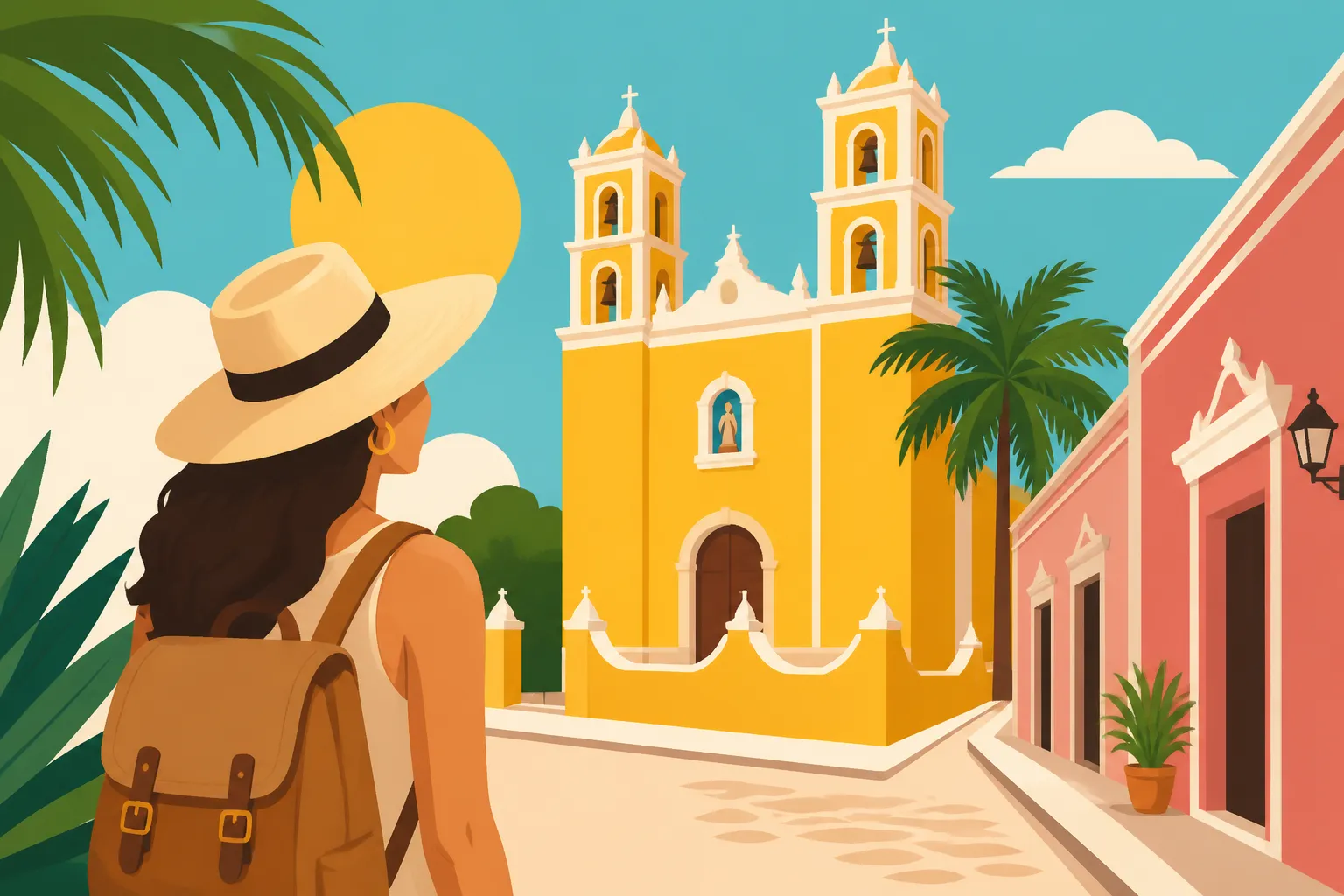
The heart of Valladolid is its Parque Principal Francisco Cantón Rosado, the main plaza, surrounded by colorful colonial buildings and dominated by the majestic San Servacio Church (Iglesia de San Servacio). This church, rebuilt in the 18th century, stands on the site of an earlier church which was famously reoriented to face west rather than east, a unique architectural quirk. Spend some time just sitting on one of the iconic "sillas tú y yo" (love seats) in the plaza, watching local life unfold. Children playing, vendors selling marquesitas (crispy crepes with cheese and other fillings), and elderly couples chatting – it's a wonderfully peaceful scene.
Just a short walk from the main plaza is the Calzada de los Frailes, a beautifully restored pedestrian street. This picturesque street is lined with boutique shops, charming cafes, and small hotels, leading you to the Convento de San Bernardino de Siena. This Franciscan convent and church, dating back to the 16th century, is one of the oldest colonial structures in the Yucatán and an absolute must-see. Its massive walls and serene courtyards offer a glimpse into the region's spiritual history. Visiting the convent in the evening is especially magical when it’s often illuminated. Don't forget to look for the cenote beneath the convent – Cenote Zací – which can sometimes be visited, offering another layer of history.
Valladolid's historic center is a UNESCO World Heritage Site candidate for good reason. Every corner holds a story, from the vibrant facades that speak to centuries of tradition to the quiet courtyards tucked behind heavy wooden doors. Allow yourself to wander, get a little lost, and simply soak in the atmosphere. You’ll find small art galleries, artisan shops selling local crafts, and friendly faces. It's truly a place where you can feel the pulse of authentic Mexican life, far removed from the mass tourism of the coast.
Cenotes Near Valladolid: Cooling Off in Nature's Pools
The Yucatán is famous for its cenotes, natural sinkholes filled with crystal-clear freshwater, and Valladolid is a fantastic base for exploring some truly spectacular ones. Unlike the often-crowded cenotes near Chichén Itzá or Tulum, many cenotes around Valladolid still retain a more local, tranquil vibe.
Cenote Zaci is perhaps the most convenient, located right in the city itself, a short walk from the main square. It's an open cenote, almost like a natural swimming pool in a cave, with stalactites hanging from the roof and fish swimming below. You can swim, jump from various ledges, and enjoy a refreshing break from the heat. Another popular choice is Cenote Oxman, part of Hacienda Oxman, offering both an open-air pool and a mesmerizing underground cenote with tree roots dangling into the water. It’s a bit further out but easily reachable by taxi or colectivo. My personal favorite is Cenote Suytun, famous for its iconic platform lit by a single beam of light from a hole in the cave ceiling, creating a breathtaking photo opportunity. It can get busy, so aim for early morning or late afternoon visits.
There's also Cenote Samula and Cenote Xkeken, which are often paired together as they are located on the same property. These are both stunning underground cenotes, perfect for swimming and admiring the dramatic rock formations. The beauty of visiting these cenotes is not just in the swimming but in experiencing these sacred natural wonders that were so important to the ancient Maya. Remember to use only biodegradable sunscreen and insect repellent to protect these fragile ecosystems. Our guide on Cenote Day Trips in the Yucatán delves deeper into the cenote experience.
Gastronomy and Markets: A Taste of Yucatecan Life
No visit to Valladolid is complete without diving into the local culinary scene. Yucatecan cuisine is distinct from the rest of Mexico, boasting unique flavors influenced by Maya, Spanish, and even Lebanese traditions. Valladolid is an ideal place to sample authentic dishes without the inflated prices found in more tourist-heavy areas.
Head to the municipal market (Mercado Municipal) for an explosion of colors, sounds, and smells. Here, you'll find everything from fresh fruits and vegetables to local spices, handmade tortillas, and bustling food stalls serving up delicious and incredibly affordable meals. Try a salbute or panucho (fried tortillas topped with turkey, cabbage, and avocado), cochinita pibil (slow-roasted pork, a Yucatecan staple), or longaniza (local sausage). Don't be shy – point to what looks good, and give it a try! For a more comfortable, sit-down experience, many restaurants around the main square and along the Calzada de los Frailes offer traditional Yucatecan dishes. Consider trying lomitos de Valladolid (pork loin in tomato sauce) or pavo en escabeche (turkey marinated in vinegar and spices).
For a unique experience, look for places serving horchata de arroz (rice drink) or agua de chaya (a refreshing drink made from a local leafy green). And if you're feeling adventurous, try some regional candies made from coconut or ciricote. Eating street food in Mexico can be an incredible experience, and Valladolid offers a relatively safe environment to do so, just remember to pick vendors with a high turnover of customers and hot, freshly prepared food. If you’re curious about more such local delights, check out our guide on Street Food in Mexico: Tacos, Tamales, and More.
Beyond Valladolid: Nearby Adventures Worth the Trip
Valladolid’s central location in the Yucatán makes it a perfect jumping-off point for exploring some of the region's most iconic archaeological sites and charming towns. Many of these are easily accessible by public transport or a short drive.
Chichén Itzá and Ek Balam: Ancient Wonders at Your Doorstep
Without a doubt, one of the biggest draws of staying in Valladolid is its proximity to Chichén Itzá, one of the New Seven Wonders of the World. The monumental Maya city is just about a 45-minute drive from Valladolid. Visiting from Valladolid allows you to get there early, beating the massive tour buses that arrive from Cancún and Playa del Carmen around mid-morning. Imagine experiencing the Pyramid of Kukulcán (El Castillo) and the vast complex in relative peace – it makes a huge difference to the experience. You can take a colectivo (shared van) from Valladolid to Chichén Itzá, which is an inexpensive and efficient option, or drive yourself. If you're coming from further afield, How to Visit Chichén Itzá From the Riviera Maya offers detailed logistics.
For a contrasting but equally fascinating archaeological experience, Ek Balam is an absolute must. Located just about 30 minutes north of Valladolid, Ek Balam is a much smaller, lesser-known Maya site but incredibly well-preserved and unique. Unlike Chichén Itzá, you can still climb the main pyramid here, providing breathtaking panoramic views of the jungle canopy. The intricate stucco sculptures on the acropolis, particularly the entrance to the tomb of Ukit Kan Lek Tok', are simply stunning and unlike anything else you’ll see in the region. There’s also a beautiful cenote right at the site, Cenote X'Canché, perfect for a post-exploration swim. To get to Ek Balam, you can hire a taxi or take a colectivo from Valladolid’s main square.
Izamal and the Yellow City: A Unique Day Trip
Another fantastic day trip from Valladolid is to the captivating town of Izamal, known as the "Yellow City" because almost all its buildings are painted a cheerful golden-yellow. This Pueblo Mágico (Magic Town) is about an hour's drive west of Valladolid and offers a completely different vibe. Dominating the town is the colossal Convento de San Antonio de Padua, built atop an ancient Maya pyramid and featuring one of the largest open atriums in the world, second only to St. Peter's Square in the Vatican.
Strolling through Izamal’s sunny streets, you’ll find artisans selling traditional Yucatecan crafts, and horse-drawn carriages offering tours around the historic center. The feeling in Izamal is one of tranquility and timeless beauty. Don't miss climbing the Kinich Kakmó pyramid for incredible views over the yellow city and the surrounding jungle. You can easily reach Izamal by ADO bus from Valladolid or by driving yourself. It’s a photographer’s dream and a peaceful escape that often gets overlooked in favor of more famous destinations.
Practical Tips for Your Valladolid Visit
To make your visit to Valladolid as enjoyable and seamless as possible, here are a few practical tips drawn from years of living in and exploring Mexico.
Where to Stay: Hotels and Boutique Stays
Valladolid offers a range of accommodation options, from budget-friendly hostels to charming boutique hotels housed in renovated colonial buildings. For a truly immersive experience, I highly recommend staying in the historic center or along the Calzada de los Frailes. These areas put you within walking distance of most attractions, restaurants, and the main square.
You'll find many haciendas or casonas that have been beautifully converted into hotels, offering inner courtyards, swimming pools, and a peaceful ambiance. These often blend modern comforts with traditional Yucatecan design, giving you a taste of old-world charm. For those on a tighter budget, there are plenty of clean and friendly guesthouses. It’s always a good idea to book your accommodation in advance, especially during peak travel seasons or around major holidays like Día de Muertos, as Valladolid’s popularity continues to grow. Websites like Booking.com are excellent resources for finding and comparing different options that fit your style and budget.
Getting Around Town: Walking, Taxis, and Colectivos
Valladolid is a wonderfully walkable city, particularly its historic center. You can easily spend hours exploring the colorful streets, visiting churches, and browsing shops purely on foot. The distances between the main attractions are generally short and pleasant.
For venturing a bit further, perhaps to the cenotes just outside town or to the bus station with luggage, taxis are readily available. You'll find them cruising the streets or parked around the main square. Always confirm the price with the driver before getting in, as most taxis in Valladolid don't use meters. For a more local and economical experience, especially to places like Chichén Itzá, Ek Balam, or Cenote Oxman, consider taking a colectivo. These are shared passenger vans that operate on fixed routes and depart when full. They are incredibly cheap and give you a real feel for local transport. Just ask around the main square or the designated colectivo stands for your destination.
Best Time to Visit and What to Pack
The best time to visit Valladolid, and the Yucatán in general, is during the dry season, which runs from November to April. During these months, the weather is typically warm and sunny with lower humidity, making it much more comfortable for exploring. The shoulder months of May and October can also be good, but you'll start to experience more heat and humidity, along with the occasional rain shower. The peak rainy season is from June to September, which also coincides with hurricane season, though direct hits are rare. Even during the rainy season, showers are often brief afternoon events, leaving plenty of time for activities.
When it comes to packing, light, breathable clothing is essential. Think cotton, linen, and moisture-wicking fabrics. Comfortable walking shoes are a must for exploring the city streets and archaeological sites. Don't forget your swimsuit, a towel, and sandals for cenote visits. A wide-brimmed hat, sunglasses, and reef-safe sunscreen are crucial for sun protection, as the Yucatecan sun is intense year-round. An insect repellent will also come in handy, especially if you plan on visiting cenotes or jungle areas. And, as always when traveling in Mexico, carrying some small denominations of pesos for tips, street food, and small purchases is always wise. A basic grasp of Spanish, even just a few polite phrases, will greatly enhance your interactions with locals and enrich your overall experience of this incredible city. Our guide on Learning Spanish in Mexico: Top Tips and Resources for Expats can give you a head start!
Disclaimer
Please note that while I strive to provide accurate and up-to-date information, circumstances in Mexico can change. It's always a good idea to verify details such as opening hours, prices, and transportation schedules directly before your trip. Travel safely and enjoy the magic of Valladolid!