How to Visit Palenque in Chiapas
Alright, my fellow wanderer, let's talk about Palenque. You've seen the photos, read the travel blogs, and now you’re itching to experience those majestic Maya ruins nestled deep in the jungle of Chiapas. But getting there, understanding the local vibe, and making the most of your trip can feel a bit daunting, especially when you're navigating a new country. Trust me, I’ve been there – standing on the edge of a new adventure, a mix of excitement and "how the heck do I even start?" This guide is here to untangle all that for you, offering practical, on-the-ground advice for a seamless and unforgettable visit to Palenque.
Disclosure: This post may contain affiliate links. We may earn a commission at no extra cost to you if you make a purchase through these links. Read full disclosure.
Getting to Palenque: Navigating the Journey to the Jungle Ruins
Palenque is famously, or perhaps infamously, somewhat off the beaten path. It's not the easiest place to reach, which, in a way, adds to its mystique and preserves its unique charm. You won't find bustling international airports right on its doorstep, and that's part of the adventure. Your journey will likely involve a combination of air travel and ground transportation, each with its own quirks and considerations.
Flying to Palenque: Air Travel Options
While Palenque does have a small airport (Aeropuerto Internacional de Palenque, code PQM), direct flights are often limited and can be pricey. Generally, you'll find more consistent and affordable options flying into one of the larger regional hubs.
The most common strategy is to fly into Villahermosa (Aeropuerto Internacional Carlos Rovirosa Pérez, code VSA) in Tabasco, which is about a two-hour drive from Palenque. Major Mexican airlines like Aeroméxico and Viva Aerobus offer regular flights to Villahermosa from Mexico City and other key cities. Once you land in Villahermosa, you have a few options for the onward journey:
- Shared Minivans (Colectivos): These are usually found right outside the airport and offer a cost-effective way to get to Palenque. They leave when full, so be prepared for a potential wait.
- Private Taxis: More expensive, but offer direct, comfortable service. If you're traveling with a group, this can be a good option to split the cost.
- ADO Buses: You can take a taxi from Villahermosa airport to the ADO bus terminal in the city, and from there, catch a first-class bus directly to Palenque. This often feels like the most reliable and comfortable option if you're not driving yourself.
Another alternative is to fly into Tuxtla Gutiérrez (Aeropuerto Internacional Ángel Albino Corzo, code TGZ), the capital of Chiapas. This airport is further away, about a five to six-hour drive, but often has more flight options. From Tuxtla, you'd typically take an ADO bus directly to Palenque, or arrange a private shuttle. This route can be part of a larger Chiapas itinerary, perhaps starting with a visit to San Cristóbal de las Casas.
Bus Travel: The Most Common and Reliable Way
For many expats and seasoned travelers in Mexico, the bus network is the backbone of intercity travel, and getting to Palenque is no exception. ADO is the dominant carrier, offering a range of services from basic economy to luxurious first-class (ADO GL) and even executive (ADO Platino) options, which are incredibly comfortable for long journeys.
- From San Cristóbal de las Casas: This is a very popular route, but be forewarned: it's a winding, sometimes bumpy, journey that takes about five to six hours. The scenery is stunning, but if you're prone to motion sickness, come prepared. There have been past concerns about road safety on this route, particularly related to roadblocks or petty crime, so it's always wise to check recent travel advisories or ask locals about current conditions. The bus drivers are usually experienced, but it’s a ride! For booking your tickets, platforms like Busbud are excellent for checking schedules and prices in advance, which can save you a headache at the terminal.
- From Campeche or Mérida: If you're coming from the Yucatán Peninsula, you can easily catch an overnight ADO bus from cities like Campeche or Mérida. These night buses are fantastic for covering long distances while you sleep. They typically offer reclining seats, air conditioning (sometimes too much AC, so bring a sweater!), and onboard restrooms. The journey from Mérida is around eight to ten hours, while from Campeche it's about six to seven hours.
- From Other Major Cities: You can connect to Palenque by bus from virtually anywhere in Mexico, though it might involve transfers. For instance, from Oaxaca, you're looking at a serious overnight haul, probably 12-14 hours. But for many, it's a small price to pay for the adventure that awaits. If you're navigating the process of Getting Around Mexico: Buses, Flights, and Car Hire, remember that pre-booking, especially for popular routes or holidays, is always a good idea.
Driving to Palenque: Road Conditions and Considerations
Driving in Mexico offers unparalleled freedom, but it also comes with its own set of challenges, especially in a state like Chiapas.
- From Villahermosa: The drive is fairly straightforward, mostly flat, and takes about two hours. The roads are generally in good condition.
- From San Cristóbal de las Casas: This is where it gets tricky. The road is incredibly scenic, passing through mountains and indigenous villages, but it's also narrow, winding, and can have unpredictable conditions. Topes (speed bumps) are plentiful and often unmarked, making nighttime driving hazardous. There have been reports of occasional roadblocks, especially on routes involving indigenous communities. While often peaceful, these can cause significant delays. If you're considering this route, drive during daylight hours and be sure to fill up on gas before you leave, as stations can be sparse.
- From the Yucatán: Driving from Mérida or Campeche is a longer but generally less challenging drive than from San Cristóbal, mostly on well-maintained federal highways.
Renting a car in Mexico can be an excellent way to explore, but ensure you have comprehensive insurance. Many rental agencies require you to purchase local Mexican liability insurance, even if your home country's policy or credit card offers coverage. This is a critical point that can surprise many; make sure to factor it into your budget when you are Renting a Car in Mexico: Insurance and Driving Tips.
Exploring the Palenque Archaeological Zone and Beyond
Once you've made it to Palenque, the true magic begins. The archaeological site itself is mesmerizing, but the surrounding area of Chiapas also offers incredible natural beauty that shouldn't be missed. It’s a place where ancient history meets lush, vibrant nature.
Navigating the Ruins: Key Areas and Must-Sees
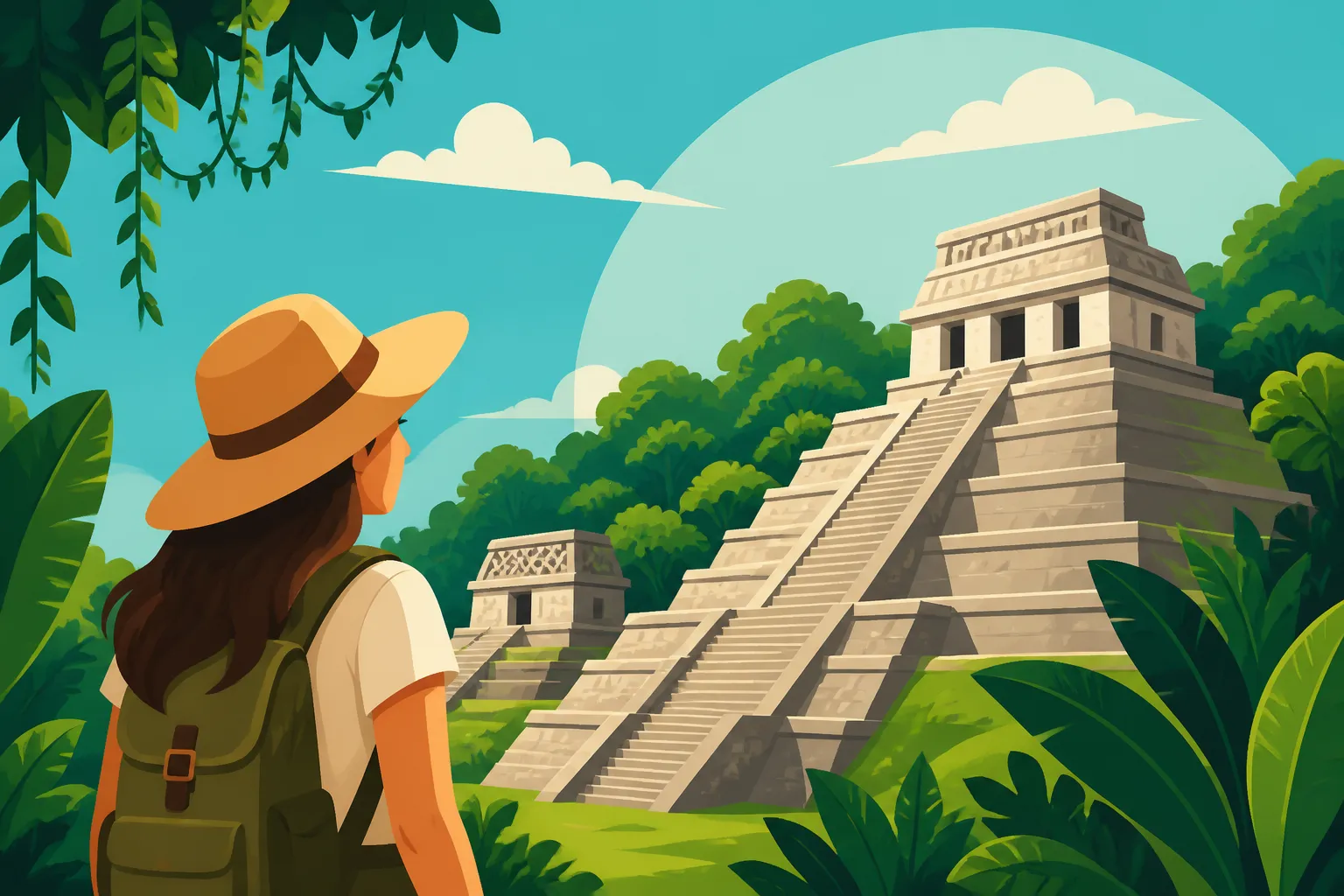
The Palenque archaeological site is a UNESCO World Heritage site and truly one of the most stunning ancient Maya cities. Unlike the sprawling, flat sites of the Yucatán like Chichén Itzá, Palenque is integrated into a dense jungle landscape, with many structures still partially covered by forest, creating an Indiana Jones-esque atmosphere.
- The Palace: This is the most complex and impressive structure, featuring a four-story tower that likely served as an observatory or watchtower. Explore its courtyards, subterranean passages, and intricate carvings that depict rulers and mythological scenes. Imagine the lives of the Maya elite who once walked these very halls.
- Temple of the Inscriptions: This iconic pyramid houses the sarcophagus of Pakal the Great, one of Palenque's most significant rulers. While the tomb itself is no longer accessible to the public (the original sarcophagus and jade death mask are in Mexico City's National Museum of Anthropology), the temple's facade and the story behind its discovery are captivating. The intricate hieroglyphic panels inside detail Palenque's history and dynastic succession.
- The Cross Group: Comprising the Temple of the Cross, Temple of the Sun, and Temple of the Foliated Cross, this group sits on elevated platforms and offers breathtaking views of the entire site. Each temple contains a carved tablet depicting a different aspect of Maya cosmology and the transfer of power. Climbing these provides excellent photo opportunities and a sense of the grandeur of the ancient city.
- North Group and Ballcourt: Though smaller, these areas provide insight into the daily life and ritual practices of the ancient Maya. The ballcourt, where the Mesoamerican ballgame was played, is a common feature in many Ancient Ruins, History, and Archaeology in Mexico.
Plan to spend at least 3-4 hours exploring the main site. The paths are generally well-maintained, but comfortable walking shoes are essential, especially given the humidity. There's a small museum at the entrance (or often, a second exit) that is definitely worth a visit to see artifacts found on site and gain a deeper understanding of Palenque's history and the Maya civilization. Many prefer to visit in the early morning to beat the heat and crowds, allowing you to experience the jungle awakening around the ancient stones.
Beyond the Main Site: Waterfalls and Ecotourism
Palenque isn't just about the ruins; it's a gateway to some of Chiapas's most spectacular natural wonders. Many local tour operators in Palenque town offer day trips that combine visits to these sites. You can often book these through your hotel or directly with agencies in the town square.
- Agua Azul Waterfalls (Cascadas de Agua Azul): About a 1.5-hour drive from Palenque, these cascades are famous for their vibrant turquoise blue waters, thanks to the high mineral content. It's a series of stunning waterfalls and natural pools where you can swim (carefully, some currents are strong) and enjoy the lush jungle setting. You'll find local vendors selling food, drinks, and crafts. While beautiful, they can get very crowded, especially on weekends or holidays.
- Misol-Há Waterfall: Closer to Palenque, about 30 minutes away, Misol-Há is a powerful single cascade plunging into a wide, circular pool. You can swim here, and even walk behind the curtain of water into a small cave for a unique perspective. It’s a bit less crowded than Agua Azul and offers a different, more dramatic experience.
- Roberto Barrios Waterfalls: A bit less touristy than Agua Azul, Roberto Barrios offers a more serene and authentic experience. It's a series of smaller, picturesque cascades and pools, often described as a mini Agua Azul, but with fewer crowds and more opportunities for relaxation. The local community manages this site, offering a chance to support them directly.
Most tours combine Agua Azul and Misol-Há into a single day trip, lasting about 6-8 hours. You can also hire a private taxi or catch a colectivo if you prefer to visit independently, though this requires a bit more coordination and potentially some Spanish.
Where to Stay and Eat in Palenque Town
Palenque town, known as Palenque Pueblo or Santo Domingo de Palenque, is a bustling, charming base for exploring the region. It’s about 7 kilometers (4.3 miles) from the archaeological site.
- Accommodation: You'll find a range of options, from budget hostels to boutique hotels. Many prefer to stay in hotels along the "carretera" (highway) leading to the ruins, which often feature jungle settings, swimming pools, and easy access to both the town and the archaeological zone. Some popular spots include Hotel Chablis, Hotel Maya Tulipanes, and Nututun Palenque. For a wider selection and to secure good deals, checking sites like Booking.com is always a smart move, especially during peak season.
- Dining: The town offers a fantastic array of local Chiapanecan cuisine. You absolutely must try some regional specialties like cochito horneado (roasted pork), tamales chiapanecos (tamales wrapped in banana leaves), and sopa de chipilín (a soup made with a local herb). Street food stalls abound, offering delicious and affordable tacos, empanadas, and fresh fruit. Don't be shy about trying local establishments; they often offer the most authentic flavors. If you're looking for more general guidance on Mexican Food Culture: Eating and Drinking as a Visitor, Palenque is a great place to put that knowledge into practice.
- Nightlife and Amenities: Palenque town has a lively central plaza (Parque Central) where locals gather, and you'll find plenty of shops, pharmacies, and ATMs. Evenings can be warm, so enjoy a cold cerveza at a local cantina or a fresh agua fresca.
Practical Tips for a Smooth Palenque Experience
Visiting Palenque, like any adventure in Mexico, will be infinitely more enjoyable with a bit of foresight and preparation. From battling the elements to understanding local customs, these tips will help you navigate your jungle excursion like a pro.
Best Time to Visit and What to Pack
Timing your visit can make a huge difference in your experience. Palenque has a tropical climate, meaning it's generally hot and humid year-round, but there are distinct wet and dry seasons.
- Dry Season (November to April): This is generally considered the best time to visit. Temperatures are still warm, but the humidity is lower, and rainfall is minimal. This makes exploring the ruins much more comfortable. However, this is also peak tourist season, so expect more crowds and potentially higher prices for accommodation and tours.
- Wet Season (May to October): The wet season brings frequent, often heavy, afternoon showers. While the rain can cool things down and make the jungle even more vibrant, it can also make the stone steps slippery and lead to muddier paths. Humidity is very high. If you don't mind the rain, you might find fewer crowds and lush, green scenery.
What to pack:
- Lightweight, breathable clothing: Think cotton or moisture-wicking fabrics. You'll be sweating!
- Comfortable walking shoes: Essential for navigating the ruins and jungle paths.
- Rain jacket or umbrella: Especially if visiting during the wet season.
- Insect repellent: This is non-negotiable. The jungle means mosquitoes and other biting insects. Apply generously.
- Sunscreen and a wide-brimmed hat: The sun can be intense even on cloudy days.
- Reusable water bottle: Stay hydrated! Many hotels and restaurants offer purified water refills.
- Small backpack: To carry your essentials, leaving your hands free for climbing and photos.
- Basic first-aid kit: Including blister plasters, pain relievers, and any personal medications.
- Swimsuit: For those refreshing dips in the waterfalls.
Safety, Guides, and Local Etiquette
General safety in Palenque is similar to many tourist destinations in Mexico – use common sense, be aware of your surroundings, and don't flash valuables. Chiapas, like any state, has areas with higher crime rates, but tourist zones like Palenque are generally safe for visitors. For broader insights, you can always refer to resources on Staying Safe in Mexico: Practical Tips for Travelers.
- Hiring a Guide: At the entrance to the archaeological zone, you'll find numerous licensed guides offering their services. While you can certainly explore the site independently with a good guidebook, a local guide can bring the ruins to life with stories, historical context, and insights you'd never get otherwise. They also know the best routes and can point out hidden details. Negotiate the price upfront, and if possible, find a guide recommended by your hotel or a fellow traveler. Many speak English, but a little Spanish will help.
- Local Etiquette:
- Photography: Be respectful when taking photos, especially if locals are in your shots. Always ask for permission first.
- Bargaining: At markets or with street vendors, polite bargaining is common, but remember that a few pesos for you might mean a lot to them.
- Currency: While some larger establishments accept credit cards, cash (Mexican pesos) is king, especially for smaller purchases, street food, and tips. Make sure to have small denominations.
- Respect the Environment: Palenque is a natural and historical treasure. Stick to marked paths, don't touch the ruins, and pack out everything you pack in.
Budgeting for Your Palenque Adventure
Palenque is generally an affordable destination, especially compared to some of Mexico's more developed resort areas. However, costs can add up, so it's good to have a rough budget in mind.
- Accommodation:
- Hostel Dorm Bed: $15 – $25 USD per night
- Mid-range Hotel: $50 – $100 USD per night
- Boutique/Higher-end Hotel: $100+ USD per night
- Food:
- Street Food/Local Eateries: $5 – $10 USD per meal
- Mid-range Restaurant: $15 – $30 USD per meal
- Transportation:
- Local Colectivo (within Palenque town or to ruins): $1 – $2 USD per ride
- ADO Bus (long distance): Varies greatly. E.g., San Cristóbal to Palenque ~$20-30 USD, Mérida to Palenque ~$30-50 USD.
- Shared Tour (e.g., Agua Azul & Misol-Há): $25 – $40 USD per person
- Private Taxi (e.g., Villahermosa airport to Palenque): $80 – $100+ USD
- Entrance Fees:
- Palenque Archaeological Zone: Approximately $90-100 MXN ($5-6 USD) plus an additional fee for the national park (around $50 MXN).
- Waterfalls (Agua Azul, Misol-Há, Roberto Barrios): ~$30-50 MXN each.
Here's a quick comparison of average daily costs:
| Expense Category | Budget Traveler (USD/day) | Mid-Range Traveler (USD/day) | Higher-End Traveler (USD/day) |
|---|---|---|---|
| Accommodation | $15 – $25 | $50 – $80 | $100 – $150+ |
| Food & Drink | $15 – $25 | $30 – $50 | $50 – $100+ |
| Local Transport | $5 – $10 | $10 – $20 | $20 – $40 |
| Activities/Fees | $10 – $20 | $20 – $40 | $40 – $70+ |
| Total Est. Daily | $45 – $80 | $110 – $190 | $210 – $360+ |
Note: These are rough estimates and can fluctuate based on season, exchange rates, and personal choices.
For booking tours and activities, sites like Viator can be useful for seeing available options and reading reviews, though booking locally often provides more flexibility and can sometimes be cheaper. Keep in mind that having a local SIM Card in Mexico (Telcel, AT&T, Movistar) with data can be incredibly helpful for navigation, translation, and staying connected throughout your journey. And don't forget, a little bit of Spanish can go a long way in enhancing your experience and interactions with locals.
Visiting Palenque is an immersive journey into ancient history and breathtaking nature. It requires a bit more planning than, say, a beach resort, but the rewards are immense. The sense of discovery as you wander through the vine-covered temples, the roar of howler monkeys echoing through the jungle, and the refreshing spray of the waterfalls – these are experiences that stay with you long after you've left. So pack your bags, embrace the adventure, and prepare to be captivated by the magic of Chiapas.
Disclaimer
The information provided in this guide is for general informational purposes only and is subject to change. While we strive to keep the content up-to-date and accurate, travel conditions, regulations, and prices can vary. Always consult official sources, local authorities, and current travel advisories before making any travel plans. Personal safety is paramount; exercise caution and awareness in all your travels.