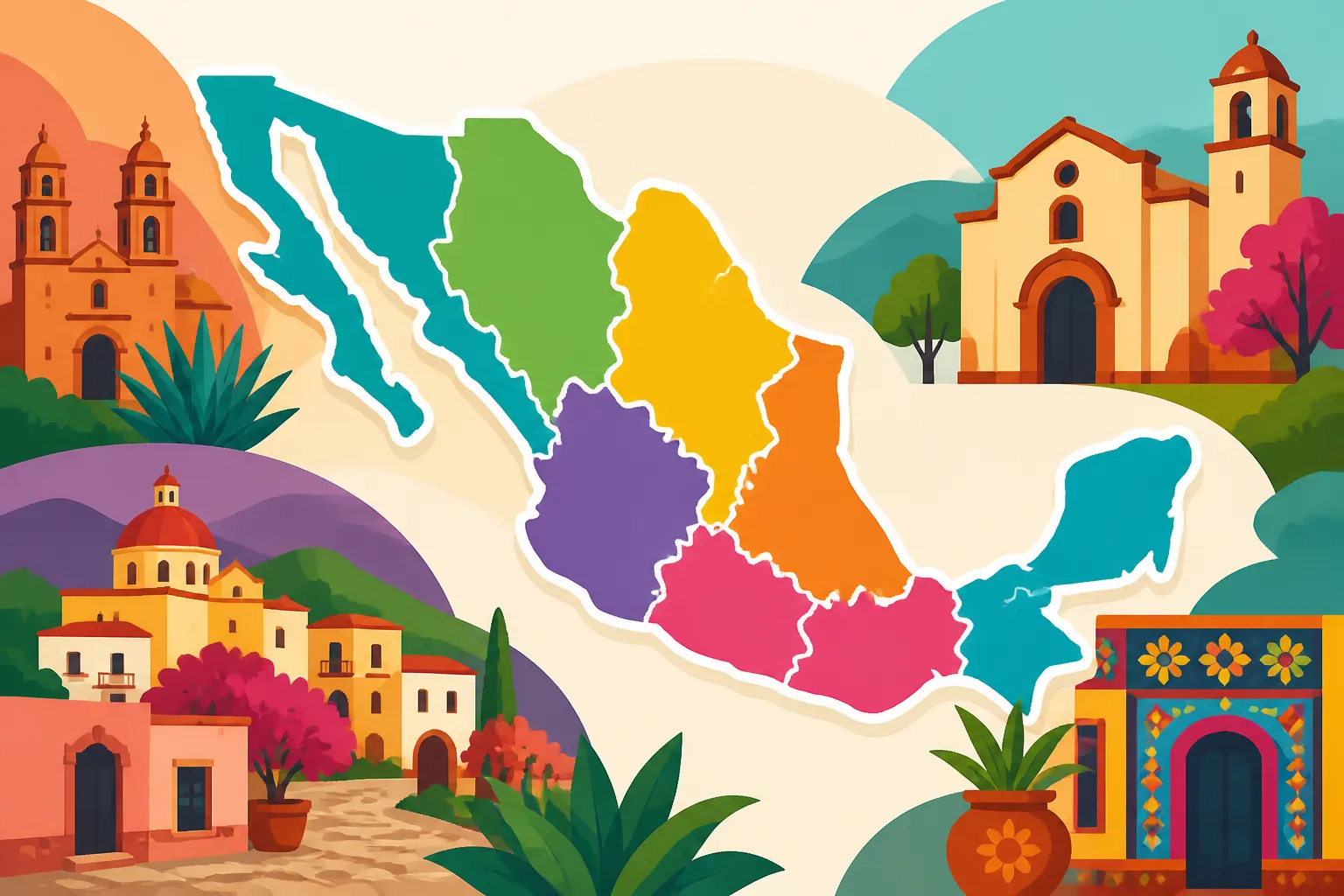
The Best Pueblos Mágicos in Each Region
Most travelers arriving in Mexico find themselves trapped in the "resort bubble" of Cancún or Cabo, missing the authentic cultural pulse found in the country’s interior. Navigating the 177 designated "Magic Towns" can feel like an administrative nightmare or a guessing game for the uninitiated. This guide breaks down the best Pueblos Mágicos by region, providing the hyper-local context you need to plan a trip that feels like a discovery, not a tourist trap.
Disclosure: This post may contain affiliate links. We may earn a commission at no extra cost to you if you make a purchase through these links. Read full disclosure.
The Heart of Mexico: Colonial Splendor in the Central Highlands
The Central Highlands are the historical and cultural backbone of Mexico. For those of us who have lived here for years, this region represents the quintessential Mexican experience: cobblestone streets, baroque cathedrals, and high-altitude air that smells of roasting corn and woodsmoke. This area is often the first stop for expats looking for a more permanent base, thanks to its temperate "eternal spring" climate and deep-rooted traditions.
San Miguel de Allende and the Bajío Region
San Miguel de Allende is perhaps the most famous Pueblo Mágico, though some veterans argue its inclusion in the program is now redundant given its massive international fame. However, for a first-timer, it is undeniably breathtaking. When you walk through the Jardín Principal, the sight of the pink neo-Gothic Parroquia de San Miguel Arcángel is a visual anchor that never gets old. For detailed planning, check out our guide on San Miguel de Allende for Visitors.
Beyond the aesthetics, the town is a hub for art and high-end gastronomy. You can spend your mornings at the Instituto Allende and your evenings at rooftop bars that rival those in NYC or London. If you are planning a stay, I always recommend using Booking.com to find one of the boutique "posadas" tucked away in the Centro Historico, as the larger hotels often lack the colonial charm that defines the town. Just be prepared for the hills; your calves will get a workout, and the cobblestones are famously unforgiving to anything but the most sensible footwear.
Taxco and the Silver Hills of Guerrero
If you head south from Mexico City, you hit the vertical marvel that is Taxco. This town is a labyrinth of white-washed buildings with red-tiled roofs, clinging to the side of a mountain. It became a Pueblo Mágico because of its deep history with silver mining. To this day, the "tianguis" (open-air markets) are overflowing with sterling silver jewelry. I’ve seen many tourists get overwhelmed by the sheer volume of silver, but the trick is to look for the ".925" stamp and compare weights rather than just designs.
Logistically, Taxco is a fantastic weekend trip. You can find comprehensive details in our tutorial on How to Take a Day Trip to Taxco From Mexico City. The Santa Prisca Church is the crown jewel here; its churrigueresque facade is so intricate it looks like it was piped on by a pastry chef. For transportation, I’ve found that booking a chauffeured van through Viator can save you the stress of navigating the terrifyingly narrow, winding streets that the local "burritos" (VW Beetle taxis) zip through with reckless abandon.
Tepoztlán: Mysticism and the Magic Mountain
Tepoztlán is where Mexico City’s elite go to find their "Zen." Located under the shadow of the Tepozteco mountain, this town is famous for its purported spiritual energy and its vibrant weekend market. The hike to the pyramid at the top of the mountain is a rite of passage. It is steep, humid, and often crowded, but the view of the valley is worth every drop of sweat.
The town itself is a mix of traditional indigenous culture and "New Age" expat influence. You’ll find world-class "tepoznieves" (local ice cream) in flavors like tequila or rose petal, right next to shops selling obsidian crystals. If you are staying overnight, look for a "Quinta" on Booking.com that offers a temazcal—a traditional pre-Hispanic steam bath. It’s an intense experience, often involving chanting and aromatic herbs, but it’s the best way to understand the local spiritual landscape.
The Yucatán Peninsula: Mayan Secrets and Jungle Charm
The Yucatán is so much more than the Riviera Maya. Once you leave the coast, the humidity stays, but the crowds thin out, replaced by a quiet, colonial elegance. The Pueblos Mágicos here are deeply connected to the Mayan world, often sitting directly on top of or adjacent to ancient ruins.
Valladolid: The Gateway to the Ancients
Valladolid is a personal favorite for many long-term expats because it feels like "real" Mexico despite its proximity to Chichén Itzá. The town is built around the Cenote Zaci, a massive limestone sinkhole right in the center of the city. You can literally walk from a 16th-century convent to a deep, turquoise swimming hole in ten minutes. For a full breakdown of the logistics, see How to Visit Valladolid in the Yucatán.
When visiting, make sure to eat at the municipal market. The "longaniza de Valladolid" (smoked sausage) and "cochinita pibil" are legendary. Because Valladolid is a major hub, it’s incredibly easy to reach using the ADO bus system. I always use Busbud to check the schedules and secure tickets in advance, especially during the busy winter months when the "clase diamante" buses sell out quickly.
Izamal: The City of Three Cultures
Izamal is visually striking because nearly every building in the center is painted a bright, egg-yolk yellow. It was a major Mayan pilgrimage site before the Spanish arrived and built the Convento de San Antonio de Padua directly on top of a Mayan pyramid. You can still see the massive base of the Kinich Kak Moo pyramid just a few blocks from the town square.
Walking through Izamal feels like stepping back in time. The pace is slow, and the primary mode of transport for locals is still the horse-drawn carriage. While I’m usually wary of animal tourism, the "caleseros" in Izamal are a deeply ingrained part of the local economy and culture. If you’re coming from Mérida, it’s a perfect day trip, but staying overnight allows you to see the convent lit up at night, which is a hauntingly beautiful sight.
Bacalar: The Lagoon of Seven Colors
Bacalar is the Yucatán’s rising star. It isn’t on the ocean; it sits on a 42-kilometer long freshwater lagoon that looks like the Maldives. The water transitions through seven distinct shades of blue due to the varying depths and the white sandy bottom. It is one of the most serene places in the country, provided you stay away from the rowdy boat parties. You can learn more about navigating this area in our guide on How to Visit Bacalar and Its Lagoon.
For the best experience, I suggest booking a kayak tour through Viator at sunrise. Seeing the "Canal de los Piratas" before the motorboats arrive is a spiritual experience. The town is still developing, so the infrastructure isn't as polished as Playa del Carmen. This is part of its charm, but it means you should definitely book your accommodation on Booking.com well in advance, as the best eco-cabins on the water are limited.
The Pacific Coast and Western Mexico: Surf, Spirits, and Sunsets
The West Coast of Mexico offers a different kind of magic—one defined by the rugged Sierra Madre mountains meeting the Pacific Ocean. Here, the Pueblos Mágicos are often synonymous with surf culture, tequila production, and large, established expat communities.
Tequila: The Spirit of Jalisco
You cannot visit the state of Jalisco without spending time in the town of Tequila. The surrounding landscape is a sea of blue agave, a UNESCO World Heritage site. The town itself is centered around the Cuervo and Sauza distilleries, where the air literally smells like fermenting sugar. For a detailed look at how to tour the area, check out How to Visit a Tequila Distillery Near Guadalajara.
Most tourists take the "Tequila Express" train from Guadalajara, which is a fun, booze-filled experience, but staying in the town itself allows you to visit smaller, artisanal "tabernas" that aren't on the main tour bus route. I recommend looking for a tour on Viator that focuses on "Los Valles" to see the difference between highland and lowland tequila. Remember to drink plenty of water; the Jalisco sun combined with high-proof spirits is a recipe for a rough morning.
Sayulita: The Bohemian Surf Haven
Sayulita, located in Nayarit, is the "poster child" for the beach Pueblo Mágico. It transitioned from a quiet fishing village to a global surf destination in the span of a decade. While it has faced challenges with rapid growth and infrastructure, it remains a vibrant, colorful town full of Huichol art and world-class waves. For those staying in the nearby resort cities, we have a guide on How to Visit Sayulita From Puerto Vallarta.
The town is famous for its "flag street" and its open-air cafes. It’s an incredibly walkable town, though many expats choose to rent golf carts to navigate the steep hills of the Gringo Hill neighborhood. If you’re a beginner surfer, the main beach is perfect, but for more peace and quiet, I recommend walking over the hill to Playa de los Muertos. Use Booking.com to find a villa with a view; just be aware that the nightlife here can be loud, so check the reviews for noise levels if you value your sleep.
Ajijic: The Expat Stronghold
Ajijic, nestled on the shores of Lake Chapala, is unique because it holds the highest concentration of North American expats in Mexico. It was recently added to the Pueblo Mágico program, much to the delight of the local community. The town is a mix of traditional Mexican life and foreign-influenced amenities—think traditional "papelerías" next to organic juice bars. For anyone considering moving there, our Living at Lake Chapala and Ajijic: Retiree Guide is an essential read.
The draw of Ajijic is its microclimate; it’s widely considered to have one of the best climates in the world. The town is filled with stunning murals and hidden gardens. It doesn't have the high-octane energy of Sayulita or the historical weight of Taxco, but it offers a gentle, artistic lifestyle. If you are visiting, take a stroll along the "malecón" (boardwalk) at sunset. It’s where the whole town—expats and locals alike—comes together to enjoy the cool lake breeze.
Southern Mexico: The Indigenous Heart and Culinary Capital
Southern Mexico, specifically Oaxaca and Chiapas, is where you find the deepest indigenous roots. The magic here is earthy, tactile, and incredibly delicious. The Pueblos Mágicos in this region are often shrouded in mist or surrounded by dense jungle.
San Cristóbal de las Casas: The Highland Soul of Chiapas
San Cristóbal is a town that stays with you. Located in a high valley surrounded by pine forests, it is cool, moody, and deeply traditional. The town serves as a hub for the surrounding Tzotzil and Tzeltal Mayan villages. You will see locals in traditional dress selling intricate textiles in the plazas every day.
The culinary scene here is underrated. You can find everything from traditional Chiapaneco tamales to high-end Italian food. Because it’s a bit of a trek to get there, I recommend checking Busbud for the overnight buses from Oaxaca or Palenque; the "ADOGL" service is very comfortable for these long mountain hauls. Once there, walking the "andadores" (pedestrian streets) is the best way to soak in the atmosphere.
Mazunte: Eco-Chic on the Oaxacan Coast
Mazunte is a different kind of magic. It’s a small beach town that has successfully rebranded from a turtle-hunting hub to a world-class center for sea turtle conservation and eco-tourism. It is "barefoot luxury" at its finest. There are no massive resorts here, only small, eco-conscious lodges and palapas.
The highlight of Mazunte is Punta Cometa, a natural peninsula that is the southernmost point in the state. People gather there every evening to watch the sunset over the Pacific. It’s a silent, communal experience that feels truly magical. For those interested in the local wildlife, Viator offers excellent boat tours that take you out to see dolphins, whales, and, of course, the nesting sea turtles.
Logistics: Navigating the Magic Towns Like a Pro
The biggest mistake people make when visiting Pueblos Mágicos is underestimating the travel time. Many of these towns are remote by design—their isolation is what helped preserve their culture.
Transportation and Booking
While some towns are easy day trips from major cities, others require dedicated travel.
- Buses: Mexico has an incredible bus network. For long distances, How to Travel Between Cities in Mexico by Bus explains the hierarchy of services. I always suggest using Busbud to compare the major lines like ADO, Primera Plus, and ETN.
- Driving: If you want to see multiple towns in a region, renting a car is the way to go. However, you must be aware of the "cuotas" (toll roads) versus "libres" (free roads). For safety tips, check Renting a Car in Mexico: Insurance and Driving Tips.
- Ride-Hailing: In towns like San Miguel de Allende or Ajijic, Uber is common. In smaller towns, you’ll rely on local taxis. See our guide on How to Use Uber and Ride-Hailing Safely in Mexico to avoid common pitfalls.
Safety and Etiquette
Mexico is generally safe for tourists who use common sense, but the "Magic Towns" require a certain level of respect. Many are indigenous communities with strict rules about photography—especially during religious ceremonies.
- Always ask before taking a photo of a person.
- Stick to the main tourist areas at night.
- Check out Staying Safe in Mexico: Practical Tips for Travelers for a deeper dive into regional safety.
Comparison of Key Pueblos Mágicos by Region
| Pueblo Mágico | Region | Primary Vibe | Best Way to Get There |
|---|---|---|---|
| San Miguel de Allende | Central Highlands | Upscale Colonial / Artsy | Luxury Bus from CDMX |
| Taxco | Central Highlands | Historical / Silver Mining | Organized Tour / Private Car |
| Valladolid | Yucatán | Mayan Culture / Cenotes | ADO Bus from Cancún |
| Bacalar | Yucatán | Nature / Serenity | Bus from Playa del Carmen |
| Tequila | Pacific / West | Spirits / Traditional | Tequila Express Train |
| Sayulita | Pacific / West | Surf / Bohemian | Rental Car from PV |
| San Cristóbal | Southern | Indigenous / Highland | Overnight Bus from Oaxaca |
| Mazunte | Southern | Eco-Chic / Coastal | Flight to Huatulco + Taxi |
Practical Tips for Your Magic Town Journey
When you set out to explore these towns, remember that the "magic" isn't always in the famous landmark. It’s in the "comida corrida" you eat in a hole-in-the-wall kitchen, the sound of the church bells on a Tuesday afternoon, and the way the light hits the ancient stone walls.
Don't try to see too many towns in one trip. The charm of a Pueblo Mágico is its slow pace. Spend at least two nights in each to see the town after the day-trippers have left. Use Booking.com to find stays that have central courtyards—they are the lungs of these colonial buildings. And finally, always keep some cash (pesos) on you; while the big brands like Viator and Booking.com handle your major costs, the best street food and local crafts are strictly cash-only.
Disclaimer
The information provided in this guide is based on personal expat experiences and current travel trends in Mexico as of 2026. Travel conditions, safety warnings, and the official status of "Pueblos Mágicos" can change. Always check official government travel advisories and local news before planning your trip. The mention of specific brands is for informational purposes and reflects services commonly used by the expat community.