Vegetarian and Vegan Food in Mexico
One of the biggest worries I hear from new expats and visitors to Mexico is, "Will I starve as a vegetarian or vegan?" It's a completely valid fear! Many imagine a culinary landscape dominated by pork, cheese, and lard, making plant-based eating seem impossible. But trust me, that couldn't be further from the truth. This comprehensive guide will bust those myths and equip you with everything you need to savor Mexico's incredible food scene while sticking to your plant-based diet.
Disclosure: This post may contain affiliate links. We may earn a commission at no extra cost to you if you make a purchase through these links. Read full disclosure.
The Myth vs. The Reality of Plant-Based Eating in Mexico
When you first arrive in Mexico, it's easy to be overwhelmed by the sheer abundance of meat-centric dishes and the generous use of dairy and lard in many traditional kitchens. You might see carnitas bubbling away in massive copper pots or quesadillas overflowing with Oaxaca cheese, and a little panic sets in. But let me assure you, underneath that initial impression lies a vibrant and surprisingly diverse plant-based culinary heritage that will delight your taste buds.
Common Misconceptions Expats Face
The biggest misconception is that "vegetarian" simply means removing the meat from a dish. In many traditional Mexican kitchens, lard (manteca) is a foundational cooking fat, used in everything from tortillas and frijoles refritos (refried beans) to tamales and even some bread. Cheese is also ubiquitous, making it tricky for vegans, and even some vegetarians, if they're not careful. I remember early on thinking I was safe with a plate of beans, only to learn later they were simmered in lard! It's these subtle, often invisible, ingredients that can catch you off guard, leading to frustration or accidental consumption of animal products.
Another common pitfall is the idea that "vegetarian" is a widely understood concept. While growing in popularity, especially in bigger cities, it's not always the case in smaller towns or very traditional eateries. Simply saying "no carne" (no meat) might get you a plain salad, devoid of flavor, or worse, a dish where they simply pick the chicken out, leaving behind the chicken broth it was cooked in. It requires a bit more nuance and specific phrasing, which we'll dive into, to truly communicate your dietary needs effectively. Don't be discouraged; with a little patience and the right vocabulary, you'll open up a world of delicious possibilities.
Mexico's Rich Plant-Based Culinary Heritage
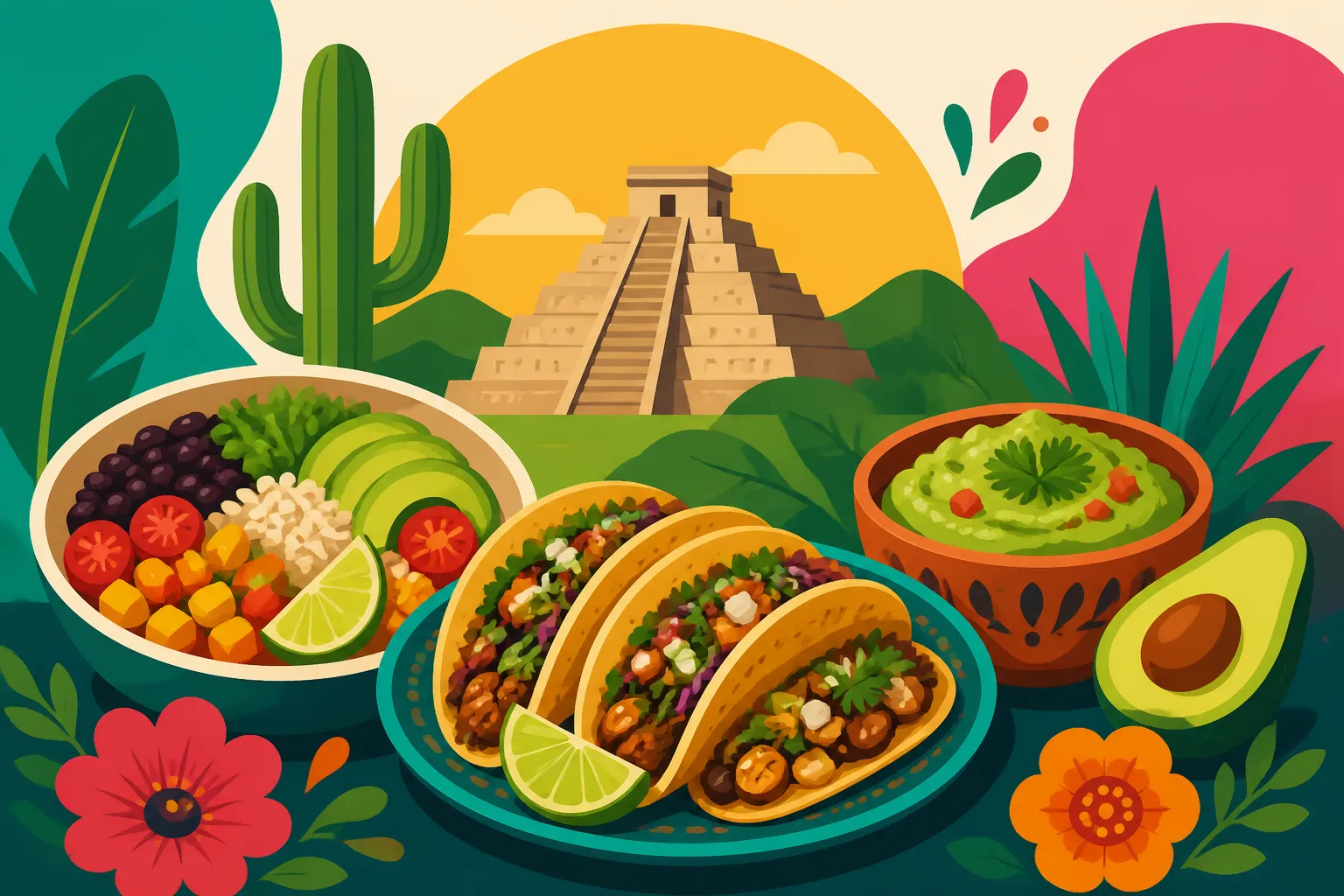
Despite the prevalence of meat and dairy today, Mexico's culinary roots are deeply plant-based. Before the Spanish conquest, the indigenous diets were primarily composed of corn, beans, squash, chili peppers, and a vast array of fruits and vegetables. These staples remain at the heart of Mexican cuisine, offering a natural foundation for vegetarian and vegan eating. Think about it: a fresh corn tortilla, black beans, salsa, avocado, and lime – that's a perfectly vegan meal right there!
Many classic dishes, when prepared correctly, are inherently plant-based or can be easily adapted. Nopales (cactus paddles), hongos (mushrooms), flor de calabaza (squash blossoms), and various edible greens like quelites are regularly used in tacos, quesadillas, and stews. Oaxaca, for example, is famous for its incredible array of vegetables and plant-based dishes, often featuring local herbs and spices that elevate simple ingredients to extraordinary flavors. Exploring these traditional, often pre-Hispanic, elements of Mexican cooking is not just a dietary choice; it's a journey into the authentic soul of the country's gastronomy. You'll find yourself discovering flavors and textures you never imagined.
Navigating Menus and Ordering Like a Pro
Ordering food in Mexico as a vegetarian or vegan can feel like a linguistic and culinary puzzle, especially when you're just starting out. It's not just about knowing the Spanish words for "no meat"; it's about understanding the subtle ways ingredients are used and having the confidence to ask clarifying questions. Once you get the hang of it, you'll be ordering delicious plant-based meals with ease and confidence.
Essential Spanish Phrases for Vegetarians and Vegans
Mastering a few key phrases will dramatically improve your dining experience. Don't rely solely on Google Translate; practicing these aloud will help.
Here’s a small arsenal to get you started:
- Soy vegetariano/a. (I am vegetarian – male/female.)
- Soy vegano/a. (I am vegan – male/female.)
- No como carne, pollo ni pescado. (I don't eat meat, chicken, or fish.) This is crucial as sometimes chicken and fish aren't considered "meat" by everyone.
- No como productos lácteos. (I don't eat dairy products.) – For vegans.
- No como huevo. (I don't eat eggs.) – For vegans.
- ¿Está cocinado con manteca de cerdo? (Is it cooked with lard?) – Absolutely essential for both vegetarians and vegans, especially for beans and tortillas.
- ¿Contiene queso? (Does it contain cheese?) – Important for vegans.
- ¿Hay opciones vegetarianas/veganas? (Are there vegetarian/vegan options?)
- ¿Puedo pedirlo sin queso/crema/carne? (Can I order it without cheese/cream/meat?)
- Solo vegetales, por favor. (Only vegetables, please.)
- Gracias, muy amable. (Thank you, very kind.) – Always be polite and appreciative!
Remember, context is everything. Use these phrases together. For example, "Soy vegano/a. No como carne, pollo, pescado, lácteos, ni huevo. ¿Está cocinado con manteca de cerdo?" This covers all your bases.
Identifying Naturally Plant-Based Dishes and Ingredients
Once you have your key phrases, start looking for dishes that are often, or can easily be, plant-based. Mexican cuisine has a wealth of these.
- Guacamole: Almost always vegan, as it's just avocado, onion, cilantro, chili, and lime.
- Salsas: Fresh salsa roja and salsa verde are usually vegan.
- Frijoles de olla: These are "pot beans" or whole beans, often simmered simply with water, onion, and epazote. They are typically vegan, unlike frijoles refritos which almost always contain lard. Always ask, but this is your best bet for beans.
- Nopales: Cactus paddles are delicious and versatile. You'll find them grilled, in salads (ensalada de nopales), or in stews. They're naturally vegan.
- Hongos: Mushrooms are frequently used as a filling for tacos or quesadillas. Ask for "tacos de hongos sin queso y sin manteca" if you're vegan.
- Papas: Potatoes are another common and safe filling. Tacos de papa can be a delicious vegan option.
- Chiles Rellenos (sometimes): While often stuffed with cheese, some versions can be made with vegetables or hongos. It’s worth asking if they have a "chile relleno de vegetales" and then clarify no cheese or lard.
- Sopa de Tortilla (without chicken and cheese): The broth is usually tomato-based, so if they can make it without chicken or chicken broth, and hold the cheese and cream, it can be a delightful vegan soup.
- Ensaladas: Salads are often a safe bet, though sometimes they'll come with chicken by default, so specify "solo vegetales."
- Molletes (without cheese/lard): Typically toasted bread with refried beans and cheese, you can sometimes get them with plain beans and fresh salsa on top.
Keep an eye out for places advertising "comida corrida" or "menú del día." These are often set lunch menus, and sometimes they'll feature a simple sopa de verduras (vegetable soup) or a guisado (stew) that might be vegetable-based. It's always worth inquiring!
Customizing Dishes and Asking for Substitutions
This is where your Spanish phrases come into play, and where you'll really learn the art of ordering plant-based in Mexico. Don't be afraid to ask for modifications; it's quite common in Mexican eateries, within reason.
Let's take tacos, for instance. Instead of a default meat taco, you can ask for:
- "Tacos de hongos sin queso, por favor, y por favor, asegúrese que no estén cocinados con manteca." (Mushroom tacos without cheese, please, and please ensure they are not cooked with lard.)
- "Tacos de papa con guacamole, por favor, sin crema." (Potato tacos with guacamole, please, without cream.)
For frijoles refritos, if you're vegan, you absolutely must ask for frijoles de olla instead, or confirm "sin manteca." Many places in larger cities and more tourist-friendly areas are now accustomed to these requests. In some traditional fondas, however, it might genuinely be impossible if the beans are made in a large batch with lard. In those cases, don't press it; just move on to another option.
One great tip is to explain why you have these dietary needs. Saying "Es por mi salud" (It's for my health) or "Soy alérgico/a" (I am allergic) can sometimes be more effective, even if it's a slight exaggeration, as it emphasizes the seriousness of your request to the kitchen staff. Most Mexicans are incredibly hospitable and want you to enjoy your meal, so they will often go out of their way to accommodate you if they understand the need.
Finding Vegetarian and Vegan Restaurants and Eateries
The landscape for plant-based dining in Mexico has truly blossomed over the past decade. What used to be a scavenger hunt is now an exciting exploration, especially in major cities and popular expat destinations. You're no longer limited to just a side salad!
Dedicated Vegan and Vegetarian Establishments
The rise of dedicated vegetarian and vegan restaurants is a game-changer. Cities like Mexico City, Guadalajara, Oaxaca, Mérida, and even popular beach towns like Playa del Carmen and Tulum, now boast numerous entirely plant-based eateries. These are your safe havens, where you can order anything on the menu without worry.
These restaurants range from casual taquerías offering creative vegan takes on classic tacos (suadero de setas, pastor de soya) to upscale dining experiences with innovative plant-based menus. Many also feature fresh juices, smoothies, and delicious vegan desserts. Apps like HappyCow are invaluable for finding these spots. You'll often discover places like "Vegan Inc." in Mexico City or "Plantivoros" in Guadalajara, which are well-known among the plant-based community. Don't hesitate to ask fellow expats or local vegan groups on social media for their latest recommendations; the scene is constantly evolving! Many of these places are passionate about their food and will happily explain their ingredients and inspirations.
Exploring Traditional Markets and Street Food
This is where the true adventure begins for any food lover, and it’s surprisingly rich with plant-based possibilities, provided you know what to look for and what to ask. Markets (mercados) are a feast for the senses, overflowing with fresh produce, vibrant colors, and intoxicating aromas.
- Fresh Fruits and Vegetables: Obvious, but worth stating. You can grab an incredible array of fresh fruit, from mangoes to tunas (prickly pear fruit), or stock up on vegetables to cook at home.
- Licuados and Jugos: Fresh fruit and vegetable juices and smoothies are everywhere. Just make sure to ask "sin leche" (without milk) and "sin miel" (without honey) if you're vegan, as they sometimes add these by default.
- Elotes and Esquites: Grilled corn on the cob (elote) or corn in a cup (esquites) are quintessential Mexican street foods. For a vegan version, ask for it "sin mayonesa, sin queso y sin crema" (without mayonnaise, cheese, and cream). It's still delicious with just chili powder and lime!
- Tlacoyos and Sopes: These are thick corn tortillas, often topped with beans, cheese, and salsa. You can usually get them "con frijoles de olla" (with pot beans, confirming no lard) and "sin queso" (without cheese) and load them up with fresh salsa, onions, and cilantro.
- Tamales (sometimes): While many tamales are meat-filled or contain lard, you can often find sweet tamales (tamales de dulce) or savory ones filled with rajas (chili strips) or hongos (mushrooms). Always, always ask "sin manteca" for the savory ones.
- Street Tacos: Many street vendors will have options like hongos (mushrooms), nopales (cactus), or papas (potatoes). Just remember your key phrases: "taco de nopales sin queso y sin manteca, por favor."
Navigating markets and street food can be a delightful way to immerse yourself in local culture and find truly authentic plant-based eats. Don't be shy; point to what you want and use your Spanish.
Larger Restaurants and Chains with Plant-Based Options
Even beyond dedicated vegan spots and street food, many mainstream restaurants, especially in more cosmopolitan areas or those catering to tourists, are increasingly aware of plant-based diets. You might be surprised to find options at places you least expect.
- International Cuisine: Restaurants serving Italian, Asian, or other international cuisines often have more readily available vegetarian and vegan options, as these diets are more common in those culinary traditions. A pasta dish, a vegetable curry, or a stir-fry are often good choices.
- Brunch Spots: Many modern brunch places in cities like Mexico City or Guadalajara offer creative avocado toasts, smoothie bowls, and other plant-forward dishes. Check their menus online before you go.
- Hotel Restaurants: If you're staying at a larger hotel, particularly those catering to an international clientele (you can often find places via Booking.com that highlight dietary options in their reviews), their restaurants are more likely to accommodate dietary restrictions. It's always a good idea to call ahead or check their online menu.
- Coffee Shops: Most coffee shops, especially trendy ones, now offer plant-based milk alternatives like leche de almendra (almond milk) or leche de coco (coconut milk).
Remember that even if a restaurant doesn't explicitly label "vegan" on the menu, many dishes can be easily modified. Don't be afraid to ask! The worst they can say is no, and you can always find another option.
Grocery Shopping and Cooking at Home
While Mexico's dining scene offers fantastic plant-based options, cooking at home gives you complete control over your ingredients, especially when you're first adjusting. The good news is that Mexico has an abundance of fresh, affordable produce, making home cooking a joy for vegetarians and vegans.
Stocking Your Plant-Based Pantry in Mexico
Building a plant-based pantry in Mexico is incredibly easy and often much cheaper than in many home countries. The staples of Mexican cooking are naturally vegan and readily available.
- Tortillas: Corn tortillas are typically just corn, water, and lime (calcium hydroxide). Always double-check at smaller tortillerías that they aren't using manteca, but commercially produced ones are usually safe.
- Beans: Dried black beans, pinto beans, and other varieties are super cheap and ubiquitous. Buy them dried and cook them from scratch to ensure they are lard-free.
- Rice: White and brown rice are staples.
- Chili Peppers: A staggering variety of fresh and dried chilies are available, forming the backbone of Mexican flavor.
- Fresh Produce: Markets like Mercado de la Merced in Mexico City, or your local tianguis (street market), are overflowing with an incredible selection of seasonal fruits and vegetables. From avocados, tomatoes, onions, and cilantro to more exotic local greens, you'll find everything you need. This is a great way to explore Mexican Regional Cuisine: How Food Changes Across Mexico.
- Limes: You'll use them on everything!
- Oils: Vegetable oil (aceite vegetal), olive oil (aceite de olivo), and avocado oil (aceite de aguacate) are widely available.
- Spices: Cumin (comino), oregano (orégano), cinnamon (canela), and many others are cheap and flavorful.
Major supermarkets like Chedraui, Soriana, and Comercial Mexicana also carry all these basics. Don't underestimate the joy and affordability of building your pantry around these fresh, local ingredients.
Finding Specialty Vegan Products
While not as widespread as in North America or Europe, specialty vegan products are becoming increasingly available, especially in larger cities.
- Plant-Based Milks: Soy milk (leche de soya) and almond milk (leche de almendra) are now standard in most supermarkets and even many corner stores. Oat milk (leche de avena) is also becoming common.
- Vegan Cheeses and Meats: You'll find a growing selection of vegan cheeses, tofu, and plant-based meat alternatives in larger supermarkets (like Walmart Supercenter or Superama/La Comer), and especially in health food stores (tiendas naturistas) or dedicated vegan shops. Brands like Daiya, Violife, and local Mexican brands are making their way onto shelves.
- Nutritional Yeast: Often found in health food stores for that cheesy flavor.
- Specialty Flours: Beyond corn and wheat, you might find alternative flours in specialty stores.
For online shopping, MercadoLibre, Mexico's version of Amazon, often has a surprising array of imported or harder-to-find vegan products if you're willing to wait for delivery. You can also sometimes discover unique local products on platforms like Busbud if you're exploring different cities and their unique offerings, allowing you to discover local health food stores that might carry different items.
Exploring Local Produce and Legumes
This is where Mexican plant-based cooking truly shines. Beyond the familiar, there's a treasure trove of incredible produce waiting to be discovered.
- Nopales: Fresh nopales are abundant and cheap. Learn to clean and cook them (they can be a bit slimy if not prepared correctly, but are delicious when done right). They're fantastic grilled, in salads, or in stews.
- Calabazas: Mexican squash varieties are diverse and delicious, from tender zucchini-like types to larger, sweeter pumpkins.
- Quelites: This is a broad term for edible wild greens, often used in stews or as fillings. Think spinach, but with more character. Ask around at markets for local varieties.
- Huitlacoche: Often called "corn truffle," this edible fungus grows on corn and is a delicacy. It's naturally vegan and has a rich, earthy flavor, perfect for tacos or quesadillas (just remember to ask for no cheese/lard).
- Flor de Calabaza: Beautiful and delicate squash blossoms are often used in quesadillas and soups.
- Legumes: Beyond black beans, explore lentils (lentejas) and chickpeas (garbanzos), which are widely available and feature in many dishes.
Don't be afraid to experiment! Buy something new at the market, ask the vendor how to prepare it, and see what delicious plant-based creations you can conjure up in your own kitchen. Many expats find great value in exploring Grocery Shopping in Mexico: Supermarkets vs Local Markets.
Common Challenges and Pro Tips for Plant-Based Expats
Living plant-based in Mexico is certainly doable and delicious, but it's not without its quirks and challenges. As a veteran expat, I've learned a few tricks that can save you a lot of grief and help you truly enjoy the experience.
Accidental Meat/Dairy in Seemingly Veggie Dishes
This is the number one frustration for many new plant-based expats. You think you've ordered a safe vegetarian dish, only to find out later it contained hidden animal products.
- Refried Beans (Frijoles Refritos): As mentioned, these are almost universally made with lard. Always assume they contain lard unless you are explicitly told otherwise, and specifically ask for frijoles de olla (pot beans) if you want a vegan option.
- Rice (Arroz): Sometimes rice is cooked with chicken broth (caldo de pollo) for flavor. While less common than lard in beans, it's worth a polite inquiry, especially in more traditional places: "¿Está el arroz cocinado con caldo de pollo?" (Is the rice cooked with chicken broth?).
- Tamales: Many savory tamales use lard in the masa. Be very specific about asking "sin manteca" and inquire about the filling. Sweet tamales are usually safe on the lard front.
- Soups and Stews: Always assume broths might be meat-based unless it's a dedicated vegetarian restaurant. Sopa de Verduras (vegetable soup) often sounds safe, but could still have a chicken-based broth.
- Bread (Pan): Some traditional Mexican breads, especially those from smaller bakeries, might contain lard or eggs. In general, packaged bread from supermarkets is less likely to, but if you're strict, always check labels.
The key here is diligent questioning. Don't feel like you're being a nuisance. Most people appreciate you being clear about your needs.
Explaining Your Dietary Needs to Locals (Patience is Key!)
Communication is perhaps the biggest hurdle. Even with your essential Spanish phrases, sometimes you'll encounter blank stares or well-meaning but ultimately incorrect assurances.
- Be Patient and Polite: Remember, you're in their country. A smile, a polite tone, and using "por favor" and "gracias" go a long way.
- Show, Don't Just Tell (Sometimes): If you're in a situation where verbal communication is failing, sometimes pointing to pictures of vegetables or even having a simple card explaining your diet in Spanish can help. "No animales, no lácteos, no huevos" (No animals, no dairy, no eggs) written out clearly can be a lifesaver.
- Reiterate and Clarify: After you've ordered, if the dish comes out looking suspicious, gently confirm: "¿Es sin carne, verdad?" (It's without meat, right?)
- Choose Your Battles: In some very small, traditional towns, finding completely vegan food might be genuinely difficult or impossible. In those situations, it's often easier to stick to simple, fresh fruit, plain corn tortillas (confirming no lard), or stick to packaged goods from a corner store. Don't get frustrated if one small eatery can't accommodate; there will be others.
Remember that many Mexicans are incredibly hospitable and want you to enjoy your meal. They might just not fully grasp the nuances of a strictly vegan diet if it's not common in their immediate experience. Your patience and clear communication are your best tools.
Discovering Hidden Gems and Expat Networks
One of the most rewarding parts of being a plant-based expat in Mexico is discovering the incredible community and resources available.
- Expat Facebook Groups: Search for "Vegans in [Your City in Mexico]" or "Expats [Your City in Mexico]" on Facebook. These groups are goldmines of information, recommendations, and local insights. People will share their favorite restaurants, grocery finds, and even recipes. This is also a fantastic way to start Making Friends in Mexico: Expat Groups, Meetups, and Social Tips.
- HappyCow App: This app is indispensable. It maps out vegetarian and vegan restaurants worldwide, including Mexico, with reviews and photos. It's updated by the community, so you'll often find the latest openings.
- Local Health Food Stores (Tiendas Naturistas): These often carry a surprising range of vegan products, from plant-based protein powders to specialty snacks. The staff can also be a great source of information about local vegan options.
- Food Tours: Many cities now offer food tours, and some can be customized for vegetarians or vegans. Companies you find through Viator, for example, might be willing to create a special route for you, focusing on naturally plant-based street foods or visiting vegan-friendly restaurants. This can be a fantastic way to discover new places with an expert guide.
- Asking Locals: Once you've established some friendships with local Mexicans, they can be excellent guides. While they might not be vegan themselves, they'll understand your preferences and can often point you to eateries or dishes you wouldn't find on your own.
Embrace the journey of discovery! The plant-based scene in Mexico is vibrant and growing, and you'll find an abundance of delicious food if you know where to look and how to ask.
Here's a quick table to help you visualize common dishes and how to make them plant-based:
| Mexican Dish | Traditionally Contains (Often) | Vegetarian Adaptation | Vegan Adaptation | Key Spanish Phrases to Use |
|---|---|---|---|---|
| Frijoles Refritos | Lard | (Rarely offered without lard) | Ask for Frijoles de Olla (pot beans) instead. | "Quiero frijoles de olla, por favor. ¿Están cocinados sin manteca?" (Pot beans, no lard) |
| Quesadillas | Cheese, sometimes lard | Can be made with hongos, nopales, flor de calabaza, huitlacoche. | Same as vegetarian, but specify "sin queso." | "Quesadilla de hongos/nopales sin queso, por favor, y sin manteca." |
| Tacos | Meat, sometimes lard | Papas, hongos, nopales, flor de calabaza, huitlacoche. | Same as vegetarian, but specify "sin queso" and "sin crema." | "Tacos de nopales/papas sin queso, sin crema y sin manteca, por favor." |
| Enchiladas | Chicken, cheese, cream | Fill with veggies, use a non-dairy sauce. | Fill with veggies, use non-dairy cheese/cream. | "Enchiladas de vegetales sin queso, sin crema y sin carne, por favor." |
| Sopa de Tortilla | Chicken broth, cheese, cream | Ask for vegetable broth, hold cheese/cream. | Ask for vegetable broth, hold cheese/cream. | "¿Tiene sopa de tortilla con caldo de vegetales? Sin queso, sin crema, por favor." |
| Molletes | Refried beans, cheese | Plain beans (frijoles de olla), salsa. | Plain beans (frijoles de olla), salsa. | "Molletes con frijoles de olla y salsa, sin queso, por favor." |
| Elote/Esquites | Mayonnaise, cheese, cream | Ask for no mayo, cheese, cream. | Ask for no mayo, cheese, cream. | "Elote/Esquites sin mayonesa, sin queso, sin crema, por favor. Solo chile y limón." |
| Tamales | Lard, meat fillings | Sweet tamales are often safe, or specify veggie filling. | Ask for tamales de dulce or veggie filling "sin manteca." | "Tamal de vegetales sin manteca, por favor." (or "tamal de dulce") |
| Chiles Rellenos | Cheese, meat | Ask for veggie filling, clarify no meat. | Ask for veggie filling, clarify no cheese/lard. | "Chile relleno de vegetales sin queso y sin manteca, por favor." |
| Arroz (Rice) | Chicken broth | Confirm "sin caldo de pollo." | Confirm "sin caldo de pollo." | "¿Está el arroz cocinado con caldo de pollo?" |
Disclaimer
Please remember that while I strive to provide the most accurate and up-to-date information based on my experience and research, rules and regulations in Mexico can change. It's always a good idea to double-check information with official sources or local experts. This guide is for informational purposes only and does not constitute professional advice.