Furnishing a Home in Mexico on a Budget
Finding a great apartment in Mexico is an exhilarating win, but the moment you turn the key and step inside, the "shell shock" usually sets in. I remember standing in my first unfurnished place in Guadalajara, staring at a beautiful tiled floor and realizing I didn't even have a chair to sit on while I cried about the lack of a refrigerator. This guide solves the massive headache of furnishing your Mexican home without draining your bank account or losing your mind in the process.
Disclosure: This post may contain affiliate links. We may earn a commission at no extra cost to you if you make a purchase through these links. Read full disclosure.
The Reality of Moving and Setting Up Home in Mexico
The first thing you need to understand about the Mexican housing market is that "unfurnished" often means something much more literal than in the US or Canada. In many cases, an unfurnished rental will lack not just furniture, but also major appliances like a refrigerator, stove, or even a washing machine. You are often truly starting from zero, which can be daunting when you are still trying to figure out which neighborhood has the best tamale stand.
The Cost of Shipping vs Buying Locally
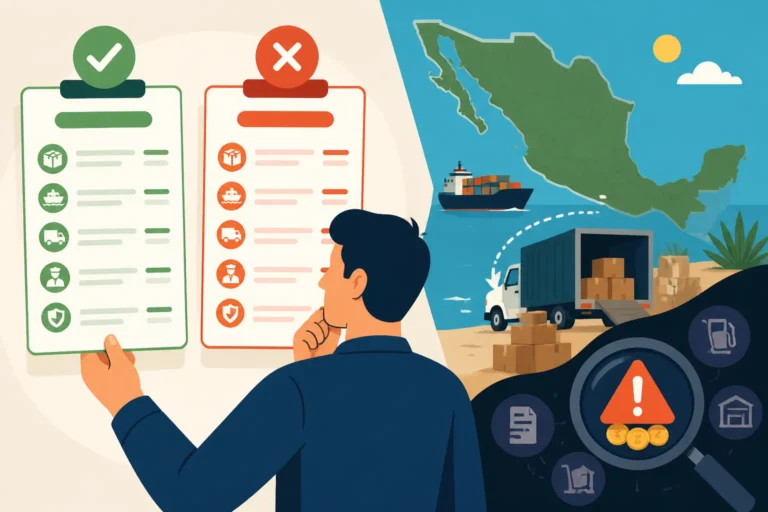
One of the first dilemmas you'll face is whether to ship your beloved sofa from home or buy something new here. From a veteran's perspective, shipping is rarely worth the cost or the bureaucratic nightmare. Unless you have high-value antiques or sentimental heirlooms, the logistics of international moving can be staggering. Using a service like Sirelo can help you get quotes and understand the scale of the task, but for most budget-conscious expats, the "Menaje de Casa" (the one-time tax-free import of household goods) is the only time shipping makes financial sense.
When you factor in the humidity of the coasts or the dry heat of the highlands, many pieces of furniture brought from abroad don't fare well anyway. Wood can warp or crack, and certain fabrics might succumb to mold in tropical climates like Puerto Vallarta. Buying locally isn't just about saving on shipping; it’s about choosing materials that are meant to survive the Mexican climate. If you are still in the planning stages, you should check out Moving to Mexico: What to Pack and What to Buy Locally to help trim down your shipping list.
Initial Challenges with Mexican Housing Layouts
Mexican homes are built differently. You’ll often find high ceilings, thick masonry walls, and rooms that aren't perfectly square. This means that the massive sectional sofa you saw online might not actually fit through the door or look right in a colonial-style living room. The "empty shell" problem is real, and the first few nights can be rough.
Many expats choose to stay in a co-living space or a temporary rental like Selina while they scour the city for furniture. This gives you a home base with Wi-Fi and a bed, allowing you to take your time rather than panic-buying an overpriced mattress because you're tired of sleeping on the floor. It also gives you time to measure every nook and cranny of your new place—something you must do before spending a single peso on furniture.
Where to Find Budget Friendly Furniture in Mexico
Once you've accepted that you’re building your nest from scratch, the hunt begins. Mexico is a land of extremes when it comes to shopping; you can find hand-carved masterpieces that cost a year's salary, or you can find sturdy, functional pieces for less than the cost of a nice dinner out. The trick is knowing where to look and being willing to dig a little.
Mastering the Tianguis and Second Hand Markets
The tianguis (open-air market) is the heartbeat of Mexican commerce. While many are known for produce and street food, specialized furniture tianguis are gold mines for the budget-conscious. In Mexico City, the Sunday market at La Lagunilla is legendary for mid-century modern finds and quirky decor, though prices have risen with its popularity. If you are near Guadalajara, a trip to Tonalá is non-negotiable. This is where many of the country's artisans sell directly to the public, and you can find everything from wrought-iron bed frames to hand-painted ceramics for a fraction of retail prices.
When shopping at a tianguis, remember that "the expat tax" is a real thing. If your Spanish is shaky, you might be quoted a higher price. It helps to have a local friend with you, or at the very least, a firm grasp of numbers. Always carry cash, and don't be afraid to walk away if a price feels too high. For more tips on navigating these interactions, you might find How to Furnish a Mexican Apartment Cheaply incredibly useful for your first outing.
Using Facebook Marketplace and Local Groups
In modern Mexico, Facebook Marketplace has largely replaced traditional classified ads. It is, hands down, the most effective tool for finding used furniture. Expats are constantly moving in and out of the country, and "moving sales" are the best place to find high-quality items like imported mattresses or sturdy kitchen gadgets.
Search for groups like "Expats in [Your City]" or "Mercado Libre [Your City]." The key is speed. Good items at fair prices disappear within hours. Make sure you have a way to stay connected while you're out and about; using an eSIM from a provider like Airalo ensures you can message sellers and check locations on Google Maps without hunting for public Wi-Fi. Also, be prepared to handle your own transport. Most Marketplace sellers expect you to show up with a truck (or a flete) to haul the item away.
Comparison of Sourcing Options in Mexico
| Source Type | Price Range | Quality | Best For | Delivery Availability |
|---|---|---|---|---|
| Tianguis | Low to Medium | Varies (Artisanal) | Decor, Wood Furniture | Rare (Must Hire Flete) |
| FB Marketplace | Low | Used (Varies) | Appliances, Basic Sets | Almost Never |
| IKEA / Coppel | Medium | Modern / Standard | Bedding, Basics | Yes (Usually Paid) |
| Carpintero | Medium | High (Custom) | Closets, Custom Tables | Often Included |
| Bazaars | Medium to High | Vintage / Antique | Statement Pieces | Negotiable |
Big Box Retailers and Reliable Chain Stores
Sometimes you just want a bed that comes in a box and a desk that you can assemble in twenty minutes. Mexico has seen a massive expansion of international and local big-box retailers that cater to the middle class and expat populations. While these aren't always the "cheapest" option, they offer convenience and predictability that markets can't match.
The IKEA Factor and Department Store Sales
IKEA's arrival in Mexico (starting with Mexico City and expanding) changed the game for many expats. It provides a familiar baseline for prices and styles. However, shipping costs from the IKEA warehouse to other states can be high, so it’s often better to look at local equivalents. Stores like Coppel and Elektra are found in almost every town. While they are known for high-interest credit schemes (which you should avoid), their cash prices for basic furniture and linens are very competitive.
If you are looking for slightly higher quality, keep an eye on the "Grandes Rebajas" (big sales) at department stores like Liverpool or Sears. These usually happen in January and July. You can often find floor models or last season's sets at 40-60% off. This is particularly useful for items like mattresses, where buying "used" from a stranger might feel a bit risky. If you're wondering how to manage these larger purchases, check out How to Furnish a Home in Mexico on a Budget for a deeper dive into retail timing.
Supermarkets with Home Sections
Don't overlook the giant supermarkets. Bodega Aurrera (owned by Walmart), Soriana, and Chedraui have surprisingly robust home sections, especially in their "Selecto" or "Mega" versions. These are the best places to buy your initial kitchen kit: pots, pans, plates, and small appliances like blenders (essential for all those salsas you'll be making).
The quality is generally "standard," but for things like plastic storage bins, shower curtains, and basic shelving, you won't find better prices. These stores also frequently have "Meses Sin Intereses" (interest-free months) for those with a Mexican credit card, which can help spread out the cost of a large haul. If you're still figuring out your banking, Opening a Bank Account in Mexico as a Foreigner is a must-read to help you get those local financial perks.
Custom Furniture: The Secret Weapon for Expats
One of the greatest joys of living in Mexico is the availability of skilled labor at affordable prices. Instead of trying to find a bookshelf that fits that weird 47-centimeter gap in your hallway, you can simply have one made. This is often the most cost-effective way to furnish a home with high-quality, solid wood pieces that will last for decades.
Working with a Local Carpintero
Every neighborhood has a carpintería. These small shops are often tucked away behind a rolling metal door, filled with the smell of cedar and sawdust. Working with a carpintero requires a bit of patience and, ideally, a few drawings or photos of what you want. You are not just buying furniture; you are commissioning a piece of art.
The process usually involves an initial visit to measure, a quote (where you’ll typically pay 50% upfront for materials), and a few weeks of waiting. The result is a piece made of real wood (like parota or cedro) rather than the particle board you find in big-box stores. For things like built-in closets or kitchen islands, this is almost always cheaper than buying pre-fab units.
Negotiating and Managing Expectations
When working with local tradespeople, the concept of "Mexican time" is something you'll have to navigate. A "two-week" project might take four. This isn't usually due to laziness, but rather a different approach to workflow and the occasional difficulty in sourcing specific materials. The best approach is to be friendly, check in regularly (a "Hola, ¿cómo va mi mueble?" on WhatsApp goes a long way), and never pay the full amount until the item is delivered to your home and inspected.
Always ask what kind of wood is being used. Some cheaper woods are prone to termites, especially in coastal regions. Ask for madera estufada (kiln-dried wood) to ensure it won't warp as it adjusts to your home's humidity level. This level of customization is a luxury in many countries, but here, it’s a standard way to stay on budget while achieving a high-end look.
Practical Tips for Essential Home Setup
Furnishing isn't just about sofas and tables; it’s about the systems that make a house a home. In Mexico, this means thinking about water, gas, and electricity in ways you might not have had to before.
Dealing with Major Appliances (Línea Blanca)
In Mexico, "Línea Blanca" refers to your major appliances: fridge, stove, and washer. These will likely be your biggest expenses. If you are on a strict budget, look for "reconditioned" appliances at local repair shops. These shops often buy broken machines, fix them with genuine parts, and resell them with a 3-to-6-month warranty. It’s a great way to get a high-end Whirlpool or Mabe fridge for half the price of a new one.
Keep in mind that many Mexican homes do not have a hot water line for the washing machine; the machine itself or a gas boiler (boiler) handles the heating. Also, ensure your stove matches your gas source (LP gas tanks vs. stationary tanks). For a full breakdown of these technical quirks, read Bringing Appliances from Home vs Buying in Mexico: What You Should Know before you buy anything that needs to be plugged in or hooked up to a gas line.
Essential Housewares and Decor
Once the big pieces are in place, you’ll need the small things that make the space livable. For textiles like towels and bedsheets, skip the expensive malls and head to a mercería or a store like Parisina or Modatelas. While they are primarily fabric stores, they often have a home goods section with very affordable basics.
For decor, let Mexico be your inspiration. Hand-woven baskets from the local market make great planters or storage bins. A few colorful rebozos (shawls) can be used as table runners or couch throws. This not only saves money but also gives your home an authentic sense of place.
Managing Logistics and the First 30 Days
The first month in a new country is a whirlwind of paperwork and physical labor. Getting your furniture from the store or the seller to your living room is often the most stressful part of the process.
Transporting Your Finds
In Mexico, there is a whole sub-economy of fletes—men with pickup trucks who park on busy corners waiting for work. You will see them with signs that say "Fletes y Mudanzas." They are usually much cheaper than official moving companies. You negotiate a price based on the distance and how many items they have to carry.
Be prepared to help with the lifting, or pay a little extra for an "ayudante" (helper). It is standard to tip these guys, especially if they have to navigate narrow staircases or heavy rain.
Staying Connected While Building Your Nest
You will be spending a lot of time on WhatsApp. From coordinating with your carpintero to tracking a delivery from Liverpool, your phone is your lifeline. Make sure your data plan is robust. Many expats rely on local SIMs, but having an international data solution like Airalo as a backup during those first few weeks when you're moving between different parts of the city is a lifesaver.
By the end of your first 30 days, your "empty shell" will start to feel like a home. It might have a mismatched table from the tianguis and a custom-made bed frame, but it will be yours. And you'll have the satisfaction of knowing you did it all without overspending. For more help settling in, don't forget to review our Settling in Mexico: Step-by-Step Guide to Your First 30 Days as an Expat.
Disclaimer
The information provided in this guide is for informational purposes only and reflects the personal experiences and research of the author as of 2026. Prices, availability of stores, and local customs may vary by region and over time. We recommend verifying specific details locally before making significant financial commitments.