How to Use Telemedicine Services in Mexico
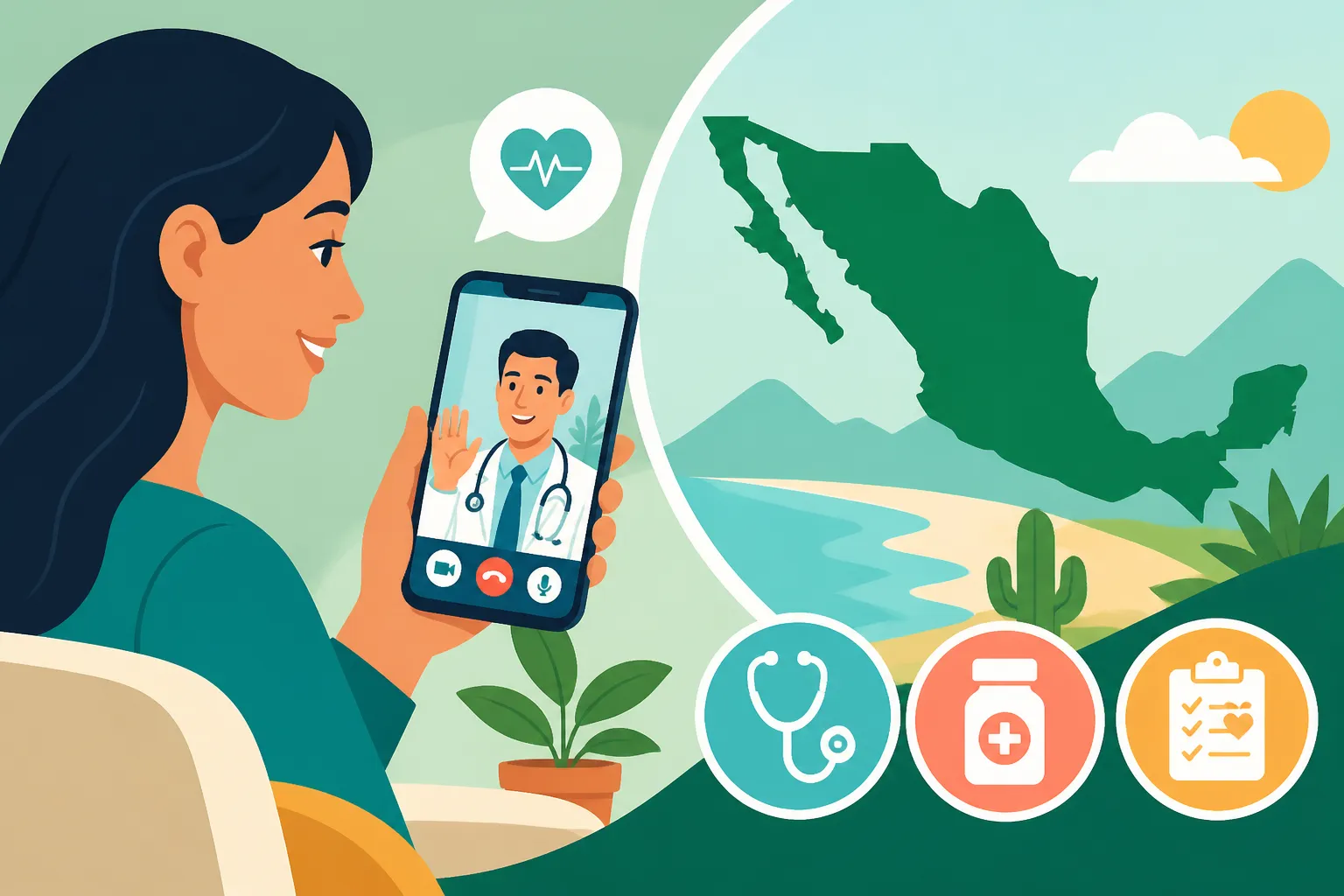
Waking up at 3:00 AM in a humid Merida apartment with a fever and a stomach that feels like it is hosting a revolution is a rite of passage for many expats. I remember lying on my bathroom floor during my first year here, too dizzy to even find my keys, let alone navigate a midnight drive to a strange clinic. This guide provides the exact steps to access high-quality telemedicine in Mexico so you can get a diagnosis and a prescription without ever leaving your bed.
Disclosure: This post may contain affiliate links. We may earn a commission at no extra cost to you if you make a purchase through these links. Read full disclosure.
The Rise of Digital Health in Mexico
The landscape of healthcare here has shifted dramatically over the last few years. While Mexico has always been known for its accessible neighborhood doctors, the infrastructure for remote consultations has exploded in sophistication. For those of us living here, this means the days of dragging ourselves through heavy traffic while feeling miserable are largely over. Telemedicine in Mexico is no longer just a "emergency backup" option; it has become a primary way many of us manage chronic conditions, mental health, and minor infections.
The government and private sectors have both poured resources into digital health platforms to bridge the gap between rural areas and major medical hubs. This is particularly useful if you are living in a smaller "Pueblo Magico" where specialists might be a three-hour drive away. By using these services, you are tapping into a network of highly qualified professionals, many of whom have trained in the US or Europe and are very comfortable navigating digital platforms.
Why Expats Prefer Remote Consultations
The most obvious benefit is the lack of a commute. If you have ever tried to navigate Mexico City traffic during a rainstorm while dealing with a migraine, you know that a video call is a literal lifesaver. Furthermore, telemedicine platforms often make it much easier to filter for specific needs. You can specifically search for doctors who have high ratings from other foreigners or those who explicitly state they are bilingual.
Another major factor is the cost-efficiency. While a physical visit to a specialist in a top-tier hospital like ABC Medical Center or Hospital Ángeles can be pricey, a video consultation often comes at a reduced rate. It is a middle ground between the very cheap pharmacy-adjacent clinics and the high-end private hospitals. If you are managing your budget, knowing Healthcare Costs in Mexico: Doctor Visits, Hospital Stays, and Surgery Expenses helps, but telemedicine often provides the most predictable pricing for routine issues.
Primary Telemedicine Platforms in Mexico
Navigating the Mexican app store or web results for "médico en línea" can be overwhelming. There are several heavy hitters that have established themselves as the gold standard for reliability and ease of use.
Doctoralia Mexico
Doctoralia is arguably the most important tool in your expat medical kit. It functions like a massive directory where you can see real-time availability, read patient reviews, and book appointments. Most doctors on the platform now offer a "Consulta en línea" (online consultation) option. I have found that the review system is quite honest; patients in Mexico do not hold back if a doctor is late or dismissive.
When you book through Doctoralia, you typically receive a link for a private video room. The interface is clean, and you can often upload photos of rashes or previous lab results directly into the chat. It is the best place to start if you are Finding English-Speaking Doctors and Specialists in Mexico because you can filter by language and read biographies to gauge their English proficiency.
Medicato and Sofía Salud
Medicato is an app-based service that focuses on speed. It is designed to connect you with a general practitioner in minutes. This is my go-to for "I think I have strep throat" or "I need a quick refill on my inhaler." It operates on a flat-fee model for general consultations, which is incredibly transparent.
Sofía Salud, on the other hand, is a more holistic health-tech company. They offer a combination of health insurance and a proprietary telemedicine platform. They have their own staff of doctors who are trained specifically in digital communication, which often leads to a more "polished" experience than a doctor simply holding their phone in a busy office. If you are looking for comprehensive coverage, Choosing Private Health Insurance: Local Mexican Plans vs International Coverage is worth a read to see how apps like Sofía fit into the bigger picture.
The Practical Process of a Virtual Visit
If you have never used a Mexican telemedicine service, the process is straightforward, but there are a few cultural and administrative quirks you should be prepared for.
Scheduling and Verification
Most platforms will require you to create an account using your email and a Mexican phone number. While some accept international numbers, having a local SIM card makes things much smoother for receiving SMS confirmations. You will usually be asked for your "CURP" (Unique Population Registry Code). If you are a temporary or permanent resident, you already have this. If you are here on a tourist visa, you can often leave this blank or enter your passport number, though it depends on the specific app’s rigidity.
I always recommend booking a "next available" slot rather than a specific time if you are in a rush. Many Mexican doctors are incredibly generous with their time, which sometimes means they run 15 minutes late for the next virtual "room." Being flexible will save you a lot of frustration.
Payment Methods and Insurance
Payment is usually handled upfront via credit card, debit card, or PayPal within the app. If you have international insurance like Cigna Global, you should check if they have a preferred provider list that includes a specific telemedicine portal. Cigna Global often provides its own international telehealth service, which can be a massive relief as it guarantees an English-speaking provider and direct billing.
For those using more flexible travel-medical hybrid plans like SafetyWing, you will likely pay for the consultation out of pocket and then file a claim for reimbursement. SafetyWing is particularly popular with digital nomads here because their claims process is designed for people who are moving around and using various local services. Make sure you request a "Factura" (official Mexican tax receipt) from the doctor. Without this XML and PDF file, your insurance company may struggle to process the reimbursement.
| Platform | Best For | Typical Cost (MXN) | English Availability |
|---|---|---|---|
| Doctoralia | Specialists & Reviews | $600 – $1,500 | High (Searchable) |
| Medicato | Immediate GP Access | $350 – $500 | Moderate |
| Sofía Salud | Integrated Insurance | Subscription Based | High |
| Farmacias del Ahorro | Ultra-Budget | $50 – $150 | Low |
Managing Prescriptions and Lab Orders
One of the biggest concerns for foreigners is how to actually get the medicine once the video call ends. Mexico has a very robust digital prescription system that is widely accepted by major pharmacy chains.
Digital Prescriptions and QR Codes
At the end of your consultation, the doctor will usually email you a PDF prescription. Under Mexican law (COFEPRIS regulations), a digital prescription must contain the doctor’s "Cédula Profesional" (license number), their digital signature, and often a QR code. You do not need to print this out. Most pharmacies like Farmacias Guadalajara or Farmacias del Ahorro will allow you to show the PDF on your phone.
However, be aware that "Controlled Medications" (like certain painkillers or psychiatric meds) still often require a physical "receta" with a wet signature. If you need these, telemedicine might only serve as the initial screening, and the doctor may ask you to pick up the physical paper at their office or have it sent to you via a courier service like Rappi. For more on this, check out Pharmacies in Mexico: How to Get Medications (OTC vs Prescription).
Getting Lab Work Done
If your doctor suspects an infection that requires a blood test or a "copro" (stool sample), they will send you a lab order via the app. You can take this digital order to any major laboratory like Laboratorio Médico del Chopo or Salud Digna. These labs are everywhere in Mexico and are incredibly efficient. You usually don't even need an appointment for blood work; you just walk in, show the order on your phone, and pay. The results are then typically sent to you via WhatsApp or email, which you can then forward back to your telemedicine doctor for a follow-up.
Navigating the Language Barrier
It is a common anxiety: what if I can't explain my symptoms in Spanish? While many doctors in Mexico speak English, the medical assistants or the app interfaces themselves might be in Spanish.
Finding English-Speaking Providers
When using Doctoralia, there is a specific "Idiomas" (Languages) filter. Always select English and check the reviews to see if other expats have commented on their "bedside manner" in English. If you are using a global plan like Cigna Global, their concierge service can often book the appointment for you, ensuring the doctor is fluent.
If you find yourself on a platform that is Spanish-only, use Google Translate to prepare a short list of symptoms beforehand. Phrases like "Me duele aquí" (It hurts here) or "Tengo fiebre desde ayer" (I’ve had a fever since yesterday) go a long way. Most Mexican doctors are very patient and are used to dealing with the large expat community, so don't be afraid to ask, "¿Habla inglés?" at the start of the call. For more tips, I have a full guide on Overcoming Language Barriers at the Doctor: Tips for Expats.
When Telemedicine is Not Enough
As much as I love the convenience of my couch, there are moments when you must close the laptop and head to the ER. Mexico’s private hospitals are world-class, but you need to know when to make that call.
If you are experiencing chest pain, difficulty breathing, severe abdominal pain that doesn't feel like a standard "bug," or uncontrolled bleeding, skip the app. You should have the contact info for local private ambulances saved in your phone. Knowing Calling an Ambulance in Mexico: How Emergency Services Operate is vital because 911 response times can vary wildly depending on your city.
Telemedicine is also limited when it comes to certain physical exams. A doctor cannot palpate your abdomen or listen to your lungs through a screen. If your virtual doctor says, "I really think you need to come in for a physical exam," take them seriously. They aren't trying to upsell you; they are practicing responsible medicine. In those cases, knowing how to find Navigating Hospitals and Clinics in Mexico: An Expat’s Guide to Medical Care will be your next step.
Integration with Your Expat Lifestyle
Telemedicine fits perfectly into the "new" Mexico that many of us inhabit—one where digital convenience meets traditional warmth. I’ve had consultations while sitting in a cafe in San Miguel de Allende and while tucked under a blanket in the chilly highlands of Chiapas.
For the modern resident, having an app like SafetyWing for your "oops" moments and a local telemedicine account for your routine "I feel a cold coming on" moments is the perfect balance. It gives you a sense of security that you aren't alone in a foreign system. You have a doctor in your pocket, ready to help you navigate everything from "Montezuma's Revenge" to a simple case of seasonal allergies.
If you are just starting your journey here, I highly recommend setting up your profiles on these apps before you get sick. Trying to enter your credit card details and your address while your head is spinning and your stomach is cramping is a special kind of hell. Take twenty minutes today, download Doctoralia or Medicato, and get your account verified. Your future, sick self will thank you.
Summary of Best Practices
- Always ask for a Factura: Even if you don't think you'll need it, having the official tax receipt is essential for insurance claims and potential tax deductions if you become a tax resident.
- Check the internet speed: Mexico's internet is generally great, but if you are in a thick-walled colonial house, move closer to the router for your video call.
- Have your medications ready: If you are already taking something, have the boxes nearby so you can show the doctor the active ingredients. Brand names in Mexico often differ from those in the US or Canada. Mexican vs U.S. Medication Brands: Finding Equivalent Drugs is a great resource for this.
- Use WhatsApp: In Mexico, WhatsApp is the king of communication. Many doctors will give you their "personal" WhatsApp for quick follow-up questions after a telemedicine visit. This is a level of access you rarely get in the US or Europe, and it is one of the best parts of the Mexican medical system.
Important Medical Disclaimer
The information provided in this article is for informational and educational purposes only and is not intended as medical advice. Always seek the advice of a qualified healthcare provider with any questions you may have regarding a medical condition. Do not disregard professional medical advice or delay in seeking it because of something you have read in this guide. In the event of a medical emergency, call 911 or visit the nearest emergency room immediately. The author is an expat sharing personal experiences and research, not a licensed medical professional in Mexico or elsewhere.