Adapting Your Cooking: Mexican Ingredients and Grocery Tips for Expats
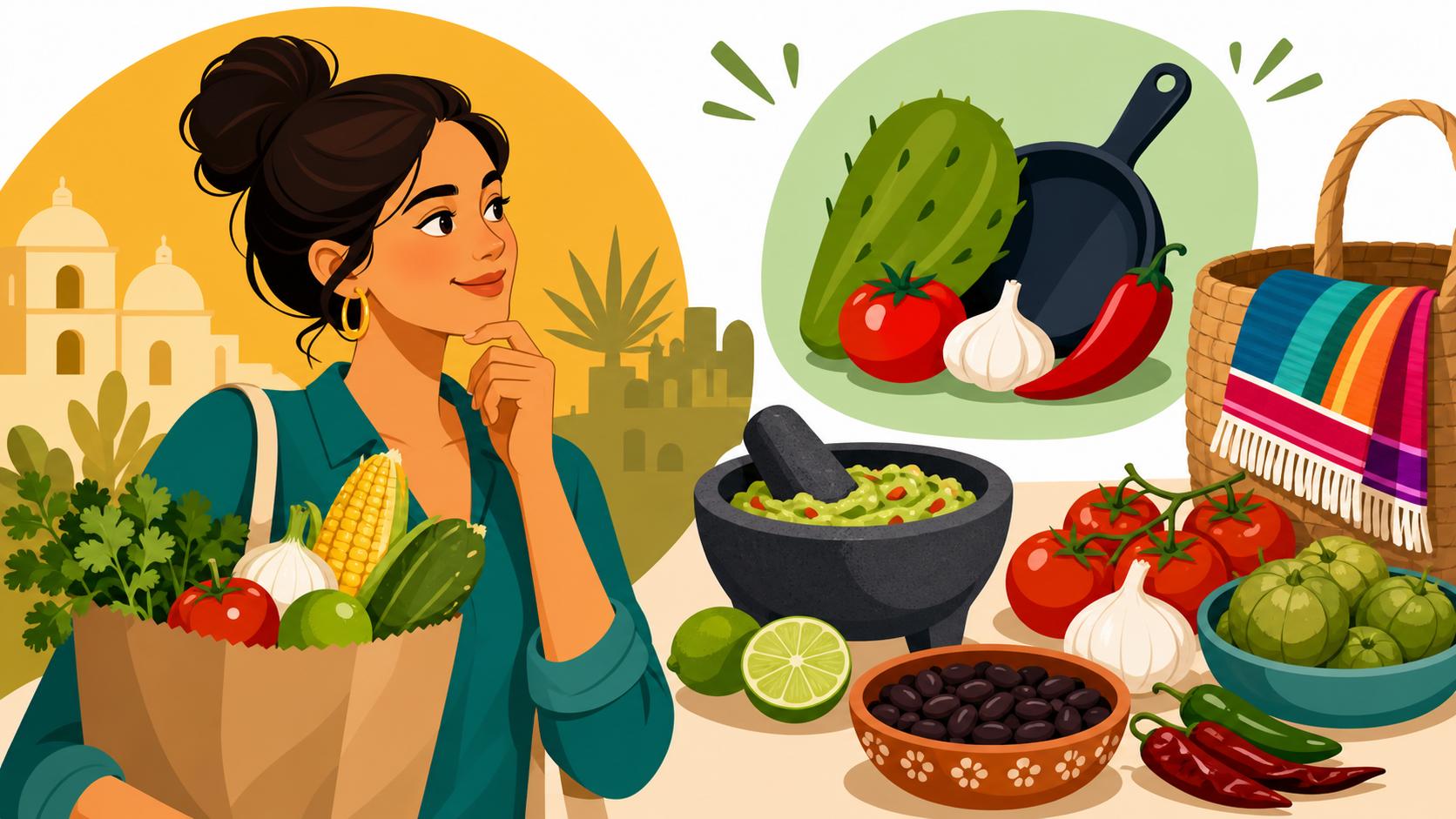
Finding yourself in a Mexican grocery store for the first time is a sensory overload that often ends in a confusing search for something as simple as a block of sharp cheddar. I spent my first month in Mexico City accidentally buying sweet "crema" instead of sour cream and wondering why my tacos tasted like dessert. This guide will walk you through the nuances of local markets, help you decode ingredient labels, and provide the practical substitutions you need to keep your home-country favorites on the menu.
Disclosure: This post may contain affiliate links. We may earn a commission at no extra cost to you if you make a purchase through these links. Read full disclosure.
Navigating the Mexican Grocery Landscape: Supermarkets vs. Mercados
When you first arrive, your instinct will be to head straight for the bright lights of a massive supermarket. While familiar, the experience is vastly different from what you might be used to in the US, Canada, or Europe. You will quickly find that Grocery Shopping in Mexico: Supermarkets vs Local Markets is a balancing act between convenience and quality. In the large chains like Soriana, Chedraui, or Walmart, you can find your basic staples, but the produce often lacks the vibrancy of what you find elsewhere.
The real soul of Mexican cooking happens at the tianguis (open-air street markets) and the permanent mercados municipales. These places can be intimidating for a newcomer. There are no price tags, the noise is constant, and the layout seems chaotic. However, once you learn the rhythm, you realize the quality is unmatched. I’ve found that the secret to successful integration is building a relationship with a specific frutería or carnicería vendor. They will eventually start picking out the best avocados for you before you even ask. If you are worried about staying connected while navigating these sprawling mazes, using a travel SIM or an e-sim like Airalo ensures you can always pull up a translation app or a recipe on the fly without hunting for Wi-Fi.
For those items that simply don’t exist in the local market—think specific Asian spices, high-quality maple syrup, or certain baking supplies—you will likely need to rely on Finding Familiar Products: An Expat Shopping Guide (Walmart, Costco, etc.). While Costco is a lifesaver for bulk items and imported cheeses, don't overlook the growing convenience of Online Shopping in Mexico: Using Amazon, MercadoLibre and Other Sites. Amazon Mexico has expanded its "Supermercado" section significantly, making it much easier to source those niche pantry items that used to require a suitcase-full of smuggling on your yearly trip home.
Understanding Mexican Ingredients: A Practical Guide
The biggest hurdle in Adapting Your Cooking: Mexican Ingredients and Grocery Tips for Expats is realizing that many things that look familiar do not behave the same way in the kitchen. Take flour, for example. Mexican wheat flour (harina de trigo) often has a different protein content than what you’d find in a bag of "All-Purpose" flour in the Midwest. This can lead to cookies that spread too thin or bread that refuses to rise. You have to learn to adjust your ratios or seek out specialized brands for baking.
Then there is the dairy. If you are looking for sour cream, you will find crema. But be careful: crema acidificada is what you want for savory dishes, while crema para batir is for whipping. Standard Mexican crema is much thinner and less acidic than American sour cream. Similarly, finding a "melting cheese" that isn't overly salty requires some trial and error. Oaxaca cheese is fantastic for a stringy, mozzarella-like effect, while Chihuahua cheese is your best bet for something closer to a mild cheddar or Monterey Jack. If you have specific dietary needs, you should check out our guide on Managing Food Allergies and Special Diets in Mexico to help navigate the labels.
Finally, we have to talk about the chiles. In your home country, a pepper is usually just "hot" or "not." In Mexico, chiles are treated like wine—they have profiles. A poblano is earthy and mild, perfect for stuffing, while a serrano provides a bright, sharp heat. The real magic happens with dried chiles like ancho, guajillo, and pasilla. Learning to toast and rehydrate these will transform your cooking from "expat-standard" to local quality. If you aren't ready to cook with them yet but want to taste the real deal safely, read up on Is Street Food Safe? How to Enjoy Mexican Street Eats Without Worry.
| Common Ingredient | Mexican Equivalent | Best Use Case |
|---|---|---|
| Sour Cream | Crema Acidificada | Tacos, baked potatoes, and soups |
| All-Purpose Flour | Harina de Trigo (Selecta or Tres Estrellas) | General baking (may need more chilling) |
| Sharp Cheddar | Queso Añejo or Imported Cheddar | Omelets and snacks (Añejo is saltier) |
| Mozzarella | Queso Oaxaca | Pizzas, quesadillas, and melting |
| Kale | Col Rizada | Salads and smoothies (harder to find in small towns) |
| Brown Sugar | Mascabado | Baking and coffee (less moisture than US brown sugar) |
| Baking Soda | Bicarbonato de Sodio | Baking and cleaning |
Kitchen Equipment and Environmental Factors
It’s not just what you cook, but how you cook it. Most Mexican homes use gas ranges fueled by propane tanks. This is a significant shift if you are used to electric or natural gas lines. You will likely experience the "fun" of the gas running out right in the middle of cooking a Sunday roast. Understanding the logistics of Propane Gas 101: Using Gas Tanks and Deliveries in Mexico is essential for any expat who plans to use their kitchen regularly. The heat from these stoves can be quite intense and less regulated, so investing in a good set of heavy-bottomed pans is a wise move.
Another factor that catches people off guard is elevation. If you are Living at High Altitude: Tips for Expats in Mexico City and Highland Areas, your water will boil at a lower temperature, and your cakes will collapse if you don't adjust the leavening agents. At 7,000 feet, beans can take hours longer to cook unless you use a pressure cooker (olla de presión), which is a staple in almost every Mexican household for a reason. I resisted buying one for years until I realized I was spending half my life waiting for black beans to soften.
Water safety is another daily consideration. You cannot simply fill a pot from the tap and start boiling if you want to be 100% safe, though many people do for long-boil items like pasta. Most expats rely on garrafones (20-liter water jugs). For more on the "why" behind this, see our article Is Tap Water Safe to Drink in Mexico?. This affects how you wash your produce too; you’ll need to use a disinfectant like Microdyn or silver nitrate drops on all raw fruits and vegetables purchased from the market to avoid the dreaded "Montezuma's Revenge."
Practical Tips for Sourcing and Storage
If you are staying at a place like Selina or a short-term rental, you might have limited pantry space, which makes sourcing even more important. One of the best tips I can give is to stop looking for exact brands and start looking for "profiles." Instead of searching for a specific brand of Italian pasta sauce, learn to make a quick entomatada sauce with fresh roma tomatoes, onions, and garlic. It will be cheaper, fresher, and frankly, better.
Storage is the final piece of the puzzle. In many parts of Mexico, the humidity and the local insect population mean that "pantry stable" items aren't actually stable if left in their original paper or plastic bags. Everything—and I mean everything—should be stored in airtight glass or hard plastic containers. Flour, sugar, and grains will attract weevils or ants within days if left exposed. I’ve lost more than one bag of expensive imported quinoa to the "sugar ants" that seem to materialize out of thin air.
- Embrace the seasons: Don't try to buy berries in the middle of the dry season. They will be expensive and tasteless. Stick to what the vendors are pushing that week; if everyone has mangoes, eat mangoes.
- Learn the meat cuts: Mexican butchers cut meat differently than US or European butchers. Bistec is a thin-cut steak, and molida is ground meat. If you want a specific thick-cut ribeye, you usually need to visit a "Boutique de Carnes" rather than a standard market stall.
- The "Oxxo" factor: While not a grocery store, Oxxo is where you will go for milk, eggs, or bread at 10:00 PM when everything else is closed. It’s the ultimate convenience stop, but don't expect to find fresh produce there.
- Use a disinfectant: Never skip the vegetable wash step. Even if the produce looks clean, the irrigation water used in many fields is not potable.
By shifting your mindset from "finding what I had at home" to "discovering what is best here," your kitchen will become a place of exploration rather than frustration. It takes time to learn that a limón is actually a lime and that lemons (limón amarillo) are a rare luxury, but once you adapt, the flavors of Mexico will become your new comfort food.
Disclaimer
This guide is for informational purposes only. Local availability of products and specific grocery brands may vary by region and season within Mexico. Always check local health guidelines regarding water safety and food preparation. Information is based on expat experiences and current market trends as of 2026.