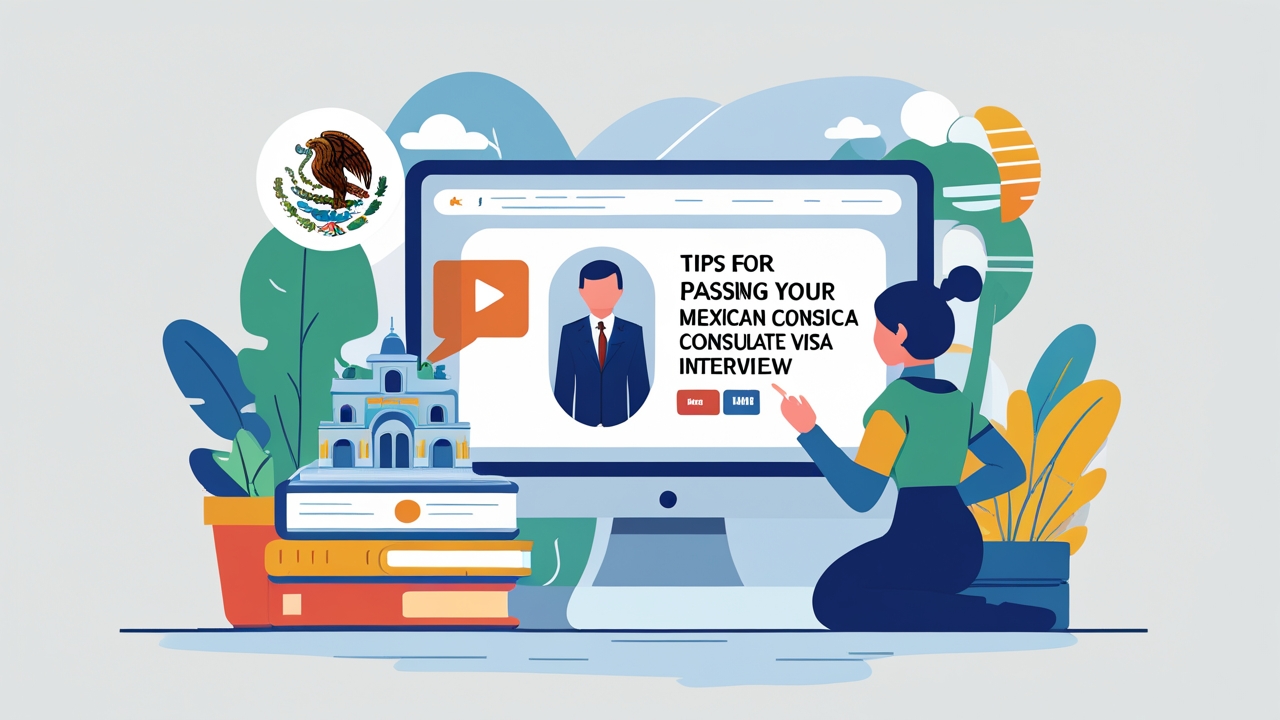
Tips for Passing Your Mexican Consulate Visa Interview
The most daunting part of moving to Mexico isn't packing your life into boxes or saying goodbye to your favorite local coffee shop; it is the high-stakes fifteen minutes you spend inside a Mexican consulate. I remember sitting on a hard wooden bench in a crowded waiting room, clutching a folder of bank statements like they were the Crown Jewels, wondering if one wrong word would end my dream. This guide breaks down exactly what happens during that interview and how you can prepare to walk out with that visa sticker in your passport.
Disclosure: This post may contain affiliate links. We may earn a commission at no extra cost to you if you make a purchase through these links. Read full disclosure.
The Reality of Consular Discretion
Before you even step foot in the building, you need to understand one fundamental truth about the Mexican immigration process: consular discretion is absolute. Unlike the highly standardized processes in some other countries, the Mexican consular officer has a significant amount of leeway in how they interpret the law and your specific situation. This can be incredibly frustrating for those of us who like clear-cut rules and black-and-white requirements.
Why Every Consulate Feels Different
You might hear from a friend that the consulate in Houston required six months of bank statements, while the one in Denver insisted on twelve. This isn't a mistake or a rumor; it is a reflection of how decentralized the system can be. Each consulate operates with a degree of autonomy, and the head consul often sets the tone for how strictly financial requirements are scrutinized. This is why you must check the specific website of the consulate where you have your appointment, as their list of "required documents" is the only one that truly matters on the day of your interview.
The Role of the Consular Officer
The officer sitting across from you isn't just a paper-pusher; they are a gatekeeper tasked with ensuring that you will not become a burden on the Mexican state and that your intentions align with the visa category you are applying for. They are looking for consistency, honesty, and financial stability. If you are applying for a Mexico Temporary Resident Visa: Comprehensive Guide for Expats (2026 Update), they want to be sure you actually intend to live in Mexico and that you have the funds to support yourself without taking a job away from a Mexican citizen.
Organizing Your Documentation Dossier
The interview begins the moment you hand over your folder. If your papers are loose, out of order, or missing copies, you are already signaling that you are unprepared. This sets a negative tone for the rest of the interaction. I always recommend the "Binder Method": use a clean, professional folder with tabs for each section (application, passport, financials, and extras).
The Importance of Pristine Financial Records
Financial solvency is the most common reason for visa denial. You need to show that you meet the minimum income or savings thresholds, which are often tied to the Mexican minimum wage and calculated using the UMA (Unidad de Medida y Actualización). Because these numbers change annually, you should consult Mexico Residency 2026: New Rules and Financial Criteria Updates to ensure your bank balances are sufficient. When printing statements, make sure they are official PDF downloads from your bank, not just "print screen" images. They must show your name, the bank’s logo, and a clear closing balance for every month required.
Professional Translations and Apostilles
Depending on the consulate, you may be required to provide Spanish translations of your birth certificate, marriage license, or even your bank statements. In my experience, showing up with a certified translation from a reputable service like RushTranslate can save you from a "come back next week" scenario. Even if the consulate doesn't strictly require it, having a professional translation ready shows that you respect the local language and the official nature of the proceedings. Furthermore, if you are moving as a family, ensure you understand the Residency in Mexico for Families: Visas for Spouses and Children requirements, as each member will need their own documented trail.
Mastering the Interview Conversation
The actual conversation is usually quite brief, but every question has a purpose. The officer will likely ask you in English (or Spanish if you are comfortable) why you want to move to Mexico, where you plan to live, and how you intend to spend your time.
Navigating Common Questions
- Why Mexico? Avoid overly political answers. Instead, focus on the culture, the climate, and your desire for a lifestyle change. Mentioning that you have visited several times as a tourist helps establish that you aren't moving on a whim.
- Where will you live? Even if you haven't signed a lease, have a specific city in mind. Saying "I don't know, maybe somewhere near a beach" sounds like you haven't done your homework.
- How will you support yourself? This is the "no-work" trap. If you are applying for a non-lucrative residency, you must be clear that your income comes from outside Mexico—pensions, investments, or remote work for a non-Mexican company. If you plan to work locally, you need to have discussed the Mexico Work Visa Process: From Job Offer to Residency Card requirements beforehand.
The Language Barrier and Attitude
You do not need to be fluent in Spanish to pass a residency interview, but a little bit of effort goes a long way. Starting with a "Buenos días" and ending with "Muchas gracias" shows respect. However, if your Spanish is limited, do not try to conduct the entire interview in it; you don't want to accidentally misstate your financial situation because of a conjugation error. Stay calm, be polite, and avoid getting defensive if the officer asks for a document you thought you didn't need.
| Interview Category | What the Officer Looks For | Red Flags to Avoid |
|---|---|---|
| Financials | Consistent deposits, clear balances, 6-12 months of history | Large, unexplained one-time deposits just before the interview |
| Intent | Clear plan for housing and lifestyle, knowledge of the area | Vague plans or saying "I'll figure it out when I get there" |
| Integrity | Honesty regarding past visits and any previous visa issues | Lying about how long you've stayed in Mexico as a tourist |
| Health | Proof of insurance (if requested) or ability to pay for care | No plan for medical emergencies |
Presentation and Consular Etiquette
In Mexico, "trámites" (administrative procedures) are treated with a high level of formality. Showing up in flip-flops and a tank top is a subtle way of telling the officer you don't take the process seriously.
Dressing for the Occasion
Think "Business Casual." A button-down shirt or a modest blouse signals that you understand the gravity of the application. Mexican culture places a high value on "presentación," and looking professional can actually make the officer more inclined to be helpful if a minor issue arises with your paperwork.
Managing the Environment
Consulates are often busy, loud, and stressful. You might be told your appointment is at 9:00 AM, only to be called at 11:30 AM. Bring a book (not just your phone, as some consulates restrict phone use) and plenty of patience. If you are applying for residency because you are Retiring in Mexico: Residency and Visa Requirements for 2026, remember that this is just the first step in a longer journey. Staying cool under pressure during the wait is part of the test.
While you are waiting, it is a good time to double-check that you have everything for the next phase. Many expats forget that the consulate only gives you a sticker; the real residency card is issued once you arrive in Mexico. You should familiarize yourself with Mexico Immigration Terminology 101: FMM, CURP, RFC and Other Essentials so you aren't confused by the acronyms the officer might use during the closing minutes of your interview.
Critical Health and Safety Considerations
During the interview, the officer might ask how you plan to handle your healthcare in Mexico. While they don't always ask for proof of insurance at the consulate stage, having a plan shows you are a responsible applicant.
Healthcare Planning
Mentioning that you have looked into Health Insurance in Mexico: How Expats Can Get Coverage (2027) demonstrates that you won't be relying on the public "IMSS" system as a first resort if you have the means for private care. For many expats, carrying an international policy from a provider like Cigna Global is a great way to show the officer that you have comprehensive coverage that works both in Mexico and globally. This can be particularly persuasive if you are an older applicant or have pre-existing conditions.
Handling "The Sticker"
If you pass, the officer will take your passport and print a visa sticker inside. Check it immediately. Ensure your name is spelled correctly and that the visa type matches what you applied for. You have a limited window—usually 90 to 180 days—to enter Mexico and begin the "Canje" process to exchange that sticker for a plastic residency card. If you are unsure about whether you should have gone for permanent status right away, read up on Temporary vs Permanent Residency in Mexico: Key Differences and Benefits before you leave the window, just in case you want to ask if you qualify for the other category based on your age or retirement status.
Final Steps and Arrival in Mexico
Once you have that sticker, the interview phase is officially over, but your immigration journey is just beginning. Many people think they are "done" once they leave the consulate, but you must follow specific steps upon entering Mexico to ensure your visa is activated correctly.
The FMM and the Port of Entry
When you land in Mexico or cross the border, you must present your visa sticker to the immigration officer. This is vital. If they stamp you in as a regular tourist, you will have to leave the country and start all over again. You must be processed as a "Residente Temporal" or "Residente Permanente." Ensure you know How to Get a CURP as a Foreigner: The Mexican ID Number Explained, as this will be your next major hurdle once you reach your new home.
Seeking Professional Help
If your situation is complex—perhaps you have a remote business, unique family ties, or borderline financials—you might wonder, Do You Need an Immigration Lawyer for Mexico? DIY vs Professional Help? A lawyer can't go into the interview with you at the consulate, but they can ensure your "dossier" is bulletproof before you walk through those doors. For many, the peace of mind is worth the extra cost, especially if the Consulate vs In-Country: Two Ways to Apply for Mexican Residency options are confusing for your specific timeline.
Disclaimer
The information provided in this article is for informational purposes only and does not constitute legal or professional immigration advice. Immigration laws and consular requirements in Mexico are subject to frequent change. Always verify current requirements with the official website of the Mexican Secretariat of Foreign Affairs (SRE) or a qualified immigration professional before attending your interview.