Mexico’s INM vs SRE: Which Agency Handles What for Expats?
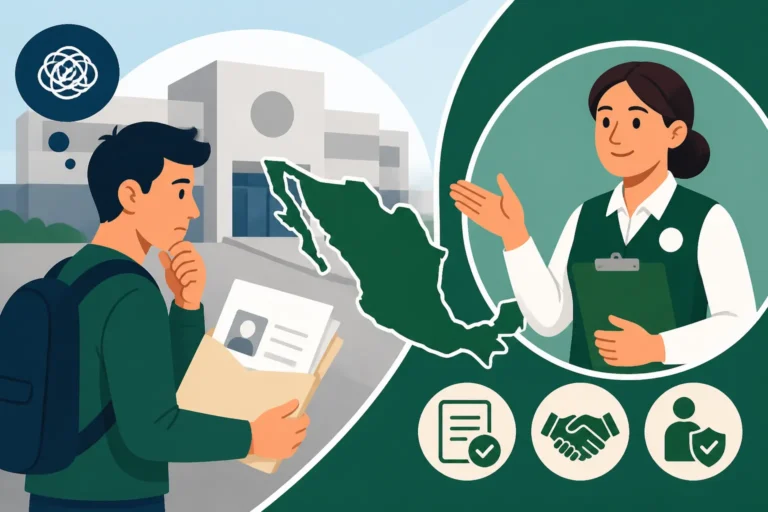
Navigating Mexican bureaucracy often feels like being stuck in a revolving door that only opens once every three months. I spent six hours at an SRE office once, only to be told I actually needed the INM building three miles away. This guide untangles the web of Mexico’s two main agencies so you can handle your residency with confidence.
Disclosure: This post may contain affiliate links. We may earn a commission at no extra cost to you if you make a purchase through these links. Read full disclosure.
Decoding the Acronyms: Who Are These People?
When you first decide to move to Mexico, the sheer number of acronyms can be paralyzing. You will hear people talking about "Migración" and "Relaciones" as if they are interchangeable, but in the eyes of the law, they are worlds apart. Understanding which agency manages which part of your life is the difference between a successful morning and a day wasted in the sweltering heat of a government waiting room.
INM (Instituto Nacional de Migración)
The INM is your primary contact once you are actually physically inside the borders of Mexico. Think of the INM as the "Domestic Gatekeeper." They are a branch of the Secretaría de Gobernación (SEGOB), which is essentially the Ministry of the Interior. Their job is to track who is in the country, how long they are staying, and whether they are complying with the terms of their stay.
If you are already living in Mexico and need to renew a card, change your address, or report a lost document, the INM is where you go. They manage the day-to-day existence of foreigners within the national territory. Most of your interactions here will take place at a local delegation office, such as the one in Polanco in Mexico City or the various offices scattered across the Riviera Maya and Baja. This is the agency that issues your actual plastic residency card.
SRE (Secretaría de Relaciones Exteriores)
The SRE is the "International Face" of Mexico. This is the Ministry of Foreign Affairs. Their primary responsibility concerning expats happens outside of Mexico’s borders. If you are applying for a residency visa for the first time, you will almost always start your journey at an SRE consulate in your home country—whether that is in Houston, Toronto, or London.
The SRE handles the diplomatic side of things. They vet your initial application, conduct your interview, and place the colorful visa sticker in your passport. However, their involvement doesn't stop once you move. If you eventually decide to go "all in" and apply for Mexican nationality, the SRE takes over the reins again from their central offices in Mexico. They are the ones who verify your integration into Mexican culture and eventually issue your Mexican passport.
The Residency Lifecycle: From Consulate to Card
One of the biggest points of confusion for newcomers is why they have to deal with two different agencies just to get one residency card. It feels redundant, but there is a specific legal hand-off that happens between the SRE and the INM. This process is often referred to as the "Canje" or exchange.
Step One: The SRE Interview Abroad
Your journey begins at a Mexican consulate. Because the SRE handles foreign relations, they are the only ones authorized to grant you a "visa" (the sticker). During this phase, you must prove you meet the Mexico Temporary Residency Financial Requirements (2026). This is a high-pressure moment for many. You will be sitting in a small office, often behind bulletproof glass, explaining your life to a consular officer.
The SRE is meticulously looking for specific documents. They want to see your bank statements, your proof of ties to Mexico, and often, proof that you won't be a burden on the state. While not always a hard requirement for the visa itself, having a policy from a provider like Cigna Global can be a significant psychological advantage during the interview, as it demonstrates you are a responsible applicant prepared for life abroad. If your documents aren't in Spanish, this is also the stage where you will need high-quality translations. I always suggest using a service like RushTranslate because the SRE officers have very little patience for amateur or "Google-translated" paperwork.
Step Two: The INM Canje in Mexico
Once the SRE gives you that sticker, you have 180 days to enter Mexico. But the sticker is not your residency; it is merely an entry permit that says you are authorized to become a resident. The moment you cross the border, the jurisdiction shifts from the SRE to the INM. You generally have 30 days from your arrival to show up at a local INM office to start the "Canje."
This is where the real "boots on the ground" bureaucracy begins. You will visit the INM to give your fingerprints, provide photographs (no glasses, no earrings, forehead visible!), and fill out the "Formato Básico." To prepare for this, you should read up on INM Office Visits: What to Expect When Processing Your Visa in Mexico to avoid common pitfalls like wearing the wrong colored shirt or showing up without the right sized photos. After a few weeks (or months, depending on the office), the INM will hand you a plastic card that replaces the SRE sticker as your legal ID.
Special Procedures and Where to Go
As you settle into your life in Mexico, your needs will change. You might move to a new house, get married, or decide you want to stay forever. Knowing which door to knock on during these life transitions is crucial.
Renewals and Address Changes (INM)
The INM is your "landlord" for the duration of your temporary residency. If you move from a condo in Playa del Carmen to a house in Mérida, you are legally required to notify the INM of your change of address within 90 days. Failure to do this can lead to fines or, in extreme cases, issues with your residency status.
Similarly, Renewing Your Temporary Resident Visa: Timeline and Procedures is a process handled entirely by the INM. You do not need to go back to the consulate. You show up at your local INM office 30 days before your card expires with your new bank statements and the required fees. This is also the agency that handles the transition from "Temporary" to "Permanent" status after you have completed your four years of temporary residency. They are the ones who verify your "stay" history within the country.
Naturalization and Passports (SRE)
After you have been a resident for a certain number of years (usually five, but less if you are married to a Mexican or have Mexican children), you might consider the ultimate step: becoming a Mexican citizen. At this point, you say goodbye to the INM and return to the SRE.
The naturalization process is a deep dive into Mexican history, culture, and language. You can learn more about this path in our guide on How to Become a Mexican Citizen: The Complete Naturalization Guide. The SRE will administer your exam and, if you pass, will eventually grant you your "Carta de Naturalización." Once you have that letter, the SRE remains your point of contact for issuing your Mexican passport. It is a poetic full circle; you started with the SRE to get your first visa, and you end with them as a full-fledged citizen.
Comparing Roles: A Quick Reference Guide
To make your life easier, I have put together this table to help you quickly identify where you need to go based on your current problem.
| Task or Document Needed | Handling Agency | Location |
|---|---|---|
| Initial Visa Sticker (Temporary/Permanent) | SRE (Consular Section) | Mexican Consulate outside Mexico |
| Exchange of Sticker for Plastic Card (Canje) | INM | Local office within Mexico |
| Annual Residency Card Renewals | INM | Local office within Mexico |
| Reporting a Change of Address or Employer | INM | Local office within Mexico |
| Applying for a Work Permit (Lucrativa) | INM | Local office within Mexico |
| Permission to Exit/Re-enter while Visa is Pending | INM | Local office within Mexico |
| Obtaining or Fixing your CURP | INM / RENAPO | INM Office or Online |
| Naturalization and Citizenship Exam | SRE | SRE Central Offices in Mexico |
| Issuance of a Mexican Passport (for citizens) | SRE | SRE Offices within Mexico or abroad |
The "Middle Ground" and Essential Paperwork
There are a few things that seem to float between these two agencies, often causing the most headaches for expats. The most famous of these is the CURP (Clave Única de Registro de Población). While the INM usually generates your first "temporary" CURP when you get your residency card, it is actually managed by a different body called RENAPO. However, you will find yourself constantly asking the INM to "link" or "verify" your CURP so you can pay taxes or open a bank account. You can find more details on this in How to Get a CURP as a Foreigner: The Mexican ID Number Explained.
Another area of overlap is document preparation. Both agencies are incredibly strict about how foreign documents are presented. If you are bringing a marriage certificate or a birth certificate from the US or Canada, it must be apostilled in your home country and then translated by a certified translator. For the SRE phase, they often accept high-quality certified translations from international providers like RushTranslate, but for the INM phase inside Mexico, some local offices may insist on a "Perito Traductor" (a court-approved translator). Always check the specific requirements of your local delegation before spending money.
Lastly, don't overlook the importance of health documentation. While the INM doesn't usually ask for your health insurance policy during a routine renewal, having international coverage from Cigna Global is vital for your own safety and is often looked upon favorably by SRE officers during the initial residency interview as proof of self-sufficiency. For a broader look at how these agencies fit into the bigger picture, I highly recommend reading The Ultimate Guide to Mexico's Visa and Residency Options (2027 Edition) and Navigating Mexico's Immigration System: Visas, INM Procedures, and Regulations.
Pro-Tips for Surviving Both Agencies
- The "Folder of Doom": I've learned the hard way to always carry a "master folder." This should include your original passport, at least three copies of every page of your passport (including the blank ones), your residency card (if you have it), your current CURP, and multiple copies of your proof of address (Comprobante de Domicilio).
- Bring a Snack and a Battery Pack: Whether you are at the SRE consulate or the INM office in Mexico City, wait times are unpredictable. I once sat in an INM waiting room for four hours because "the system was down." There are rarely vending machines, and cell phone reception inside these concrete buildings is notoriously poor.
- Language and Courtesy: Even if your Spanish is limited, a "Buenos días" and a "Muchas gracias" go a long way. These officers deal with frustrated people all day. Being the one person who is calm and polite can sometimes result in "the system" suddenly working again just for you.
- Certified Translations are Non-Negotiable: Don't try to save fifty dollars by translating your own birth certificate. The SRE and INM will reject it instantly. Using How to Translate Documents for Your Mexican Visa Application (Certified Translations) as a guide will ensure your paperwork meets the rigid standards required by law.
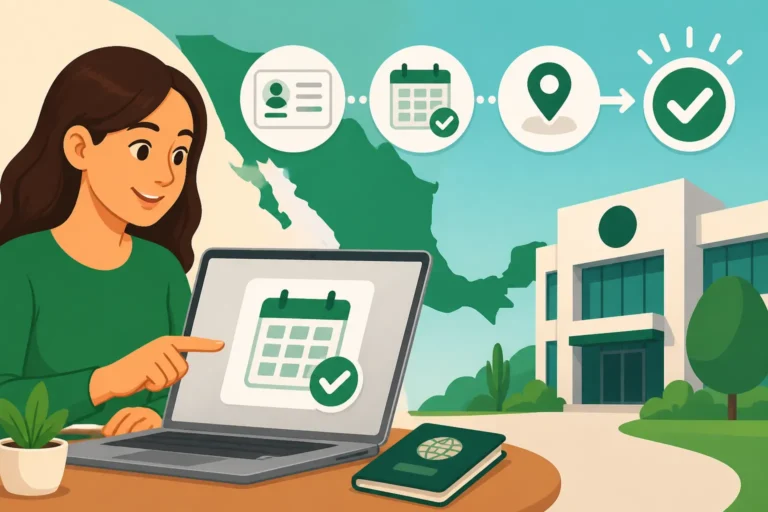
- Check for Appointments (Citas) Early: The SRE "Citas" system is notoriously difficult to navigate. Appointments for the following month often drop on a specific day of the week. Join local expat Facebook groups for your specific city to get the "inside scoop" on when appointments are being released.
Understanding the distinction between the INM and the SRE is your first real step toward successfully integrating into Mexican life. One handles your right to be here; the other handles your official relationship with the Mexican state. By knowing who does what, you can avoid the administrative "ping-pong" and focus on what really matters: enjoying your new life in this beautiful country. If you're still feeling overwhelmed about the requirements, check out Do You Need Health Insurance for a Mexican Residency Visa? to make sure you have all your bases covered before your next appointment.
Disclaimer
This guide is for informational purposes only and does not constitute legal advice. Mexican immigration laws and agency procedures are subject to frequent changes. Always verify the latest requirements with the official website of the Instituto Nacional de Migración (INM) or the Secretaría de Relaciones Exteriores (SRE) before submitting any applications.