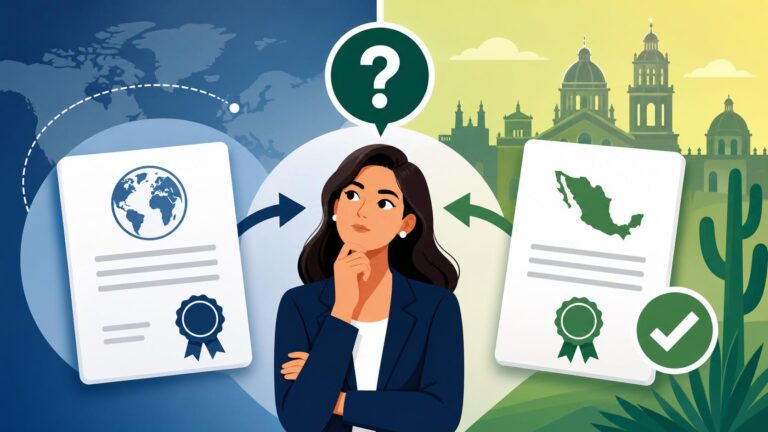
How to Prepare for a Job Interview in Mexico
So, you’ve landed an interview in Mexico! Felicidades! That's a huge step, but I know that pit in your stomach: "What now? Is it going to be like back home?" Trust me, I've been there, sweating through interviews, wondering if my perfectly crafted resume would even be understood in this new cultural context. The good news is, with a little preparation and insight into local customs, you can absolutely shine. This guide is going to walk you through everything you need to know to confidently prepare for a job interview in Mexico, from the initial contact to the follow-up, ensuring you put your best foot forward.
Disclosure: This post may contain affiliate links. We may earn a commission at no extra cost to you if you make a purchase through these links. Read full disclosure.
Understanding the Mexican Interview Landscape
Alright, let's pull back the curtain on what to expect. Job interviews in Mexico often blend a professional approach with a distinctly human, relationship-focused touch. It’s less about a cut-and-dry interrogation and more about building rapport while assessing your skills. This can be a delightful change if you're used to more rigid processes, but it can also be disorienting if you’re not prepared for the subtle differences.
Cultural Nuances in Communication
One of the biggest shifts you'll notice in Mexico is the communication style, which is often more indirect and revolves around politeness and building trust. Unlike some Western cultures where directness is valued as efficiency, in Mexico, it can sometimes come across as abrupt or even rude.
When you're speaking, try to maintain a polite, respectful tone. Listen actively, and don't interrupt. There's often a greater emphasis on how you say something, not just what you say. It’s common for conversations to start with pleasantries and small talk before diving straight into business. Embrace it! This isn’t a waste of time; it’s part of establishing a connection, which is incredibly important in Mexican professional settings. Think of it as laying the groundwork for a future working relationship. Showing warmth and genuine interest in the person, not just the position, can go a long way.
Another linguistic detail that might trip you up is the use of usted versus tú. In a professional interview setting, it’s almost always best to err on the side of formality and use usted (the formal "you") until explicitly invited to use tú (the informal "you"). This shows respect for the interviewer's position and experience. If you’re unsure, stick with usted. It's a small detail, but it speaks volumes about your awareness of cultural etiquette.
What to Expect from the Process
The interview process itself can vary significantly depending on the company size, industry, and whether it's a local Mexican company or an international firm with a presence here. However, there are some common stages and expectations.
Many companies will start with a phone screening or a preliminary video call to gauge your basic qualifications and language skills. This is your chance to make a strong first impression, even if it's just a quick chat. Be prepared to introduce yourself succinctly and explain your interest in the role and Mexico. If this initial screening goes well, you’ll likely move on to more in-depth interviews.
In-person interviews are still very common, even with the rise of virtual communication. You might have one-on-one interviews with your direct manager, HR personnel, and even potential teammates. Sometimes, you might encounter a panel interview or even a group interview with other candidates. These can be particularly nerve-wracking, but they’re designed to see how you interact in a team setting and handle pressure. Just remember to be collaborative, respectful of other candidates, and still find moments to highlight your unique contributions.
The timeline for hiring can sometimes feel slower than what you might be accustomed to in other countries. Don't be surprised if there are multiple rounds of interviews stretched over several weeks, or even a month or two. Patience truly is a virtue here. A lack of immediate response doesn't necessarily mean you're out of the running; it's often just the pace of business.
Crafting Your Presence: Appearance and Demeanor
First impressions are universal, but how you make that impression can differ quite a bit. In Mexico, presenting yourself professionally and respectfully is paramount.
Dress to Impress: The Mexican Standard
When it comes to interview attire in Mexico, think conservative and professional. This isn't the time to experiment with bold fashion statements. For men, a suit and tie are almost always appropriate, even if the office environment is more casual day-to-day. Darker colors like navy, charcoal gray, or black are safe bets. Make sure your shoes are polished and your grooming is impeccable.
For women, a professional skirt suit or pant suit is ideal. Closed-toe shoes are a must. Avoid anything too revealing, brightly colored, or overly casual. Think classic, elegant, and understated. Again, dark, neutral colors are usually the best choice. While some industries, like creative or tech fields, might be slightly more relaxed, it's always safer to overdress slightly than to underdress for an initial interview. You want to convey seriousness and respect for the opportunity and the people you're meeting. Remember, you can always adjust your style once you understand the company culture better.
Non-Verbal Communication: Greetings and Body Language
Your body language can speak volumes before you even utter a word. When you arrive for an interview, a firm but not overly aggressive handshake is the standard for both men and women. Make eye contact, but don't stare intensely; a gentle, respectful gaze is appropriate.
Personal space in Mexico is often closer than in some other cultures, particularly North America. Don't be surprised if people stand a bit closer to you during a conversation or if there's a light touch on the arm during a greeting. Just go with the flow and don't recoil, as that can be seen as unfriendly. Maintain an open posture – avoid crossing your arms – and try to project confidence and approachability. A warm, genuine smile can also make a significant difference in breaking the ice and establishing a positive connection.
Acing the Conversation: Content and Language
Now for the heart of the interview: the actual conversation. This is where your skills, experience, and personality come to the forefront.
Navigating Language Barriers (or Not)
This is often one of the biggest anxieties for expats. Many international companies, particularly in larger cities like Mexico City, Guadalajara, or Monterrey, operate heavily in English, especially for roles that require global communication or specialized skills. However, even in these environments, a willingness to speak Spanish, or at least attempt it, is always appreciated and can set you apart.
If the job description was in English and the initial communications were in English, it's a good bet the interview will primarily be in English. However, be prepared for an interviewer to switch to Spanish, perhaps to test your proficiency or simply out of habit. If your Spanish isn't fluent, you can politely explain this and ask if the conversation can continue in English. "Disculpe, mi español no es muy fluído. ¿Podríamos continuar en inglés, por favor?" (Excuse me, my Spanish isn't very fluent. Could we continue in English, please?) is a perfectly acceptable phrase to have ready.
For roles that require significant interaction with Mexican clients, colleagues, or authorities, strong Spanish skills will be essential. If you're still working on your Spanish, consider platforms like iTalki to practice conversational skills with native speakers. Even basic phrases and a genuine effort can show your commitment to integrating and your respect for the local culture, which goes a long way. You can also look for resources on How to Improve Your Spanish for the Workplace in Mexico.
Here's a quick reference for language situations:
| Interview Language | Expectation | Your Preparation |
|---|---|---|
| English Primary | Common in multinational firms, tech, and roles with international scope. | Prepare all answers in English. Be ready for a few Spanish questions (to gauge willingness or basic proficiency). Practice industry-specific English vocabulary. |
| Bilingual | Often in roles requiring interaction with both local and international teams. | Prepare answers in both languages. Identify key phrases and self-introductions in Spanish. Be confident switching back and forth. Consider conversational practice. |
| Spanish Primary | Typical for local companies, roles with heavy client/public interaction. | Crucial to be fluent or near-fluent. Practice technical and professional Spanish vocabulary. Be able to discuss your experience, skills, and aspirations in detail in Spanish. Use tools like iTalki for focused interview preparation and feedback on your responses and pronunciation. |
Common Interview Questions and How to Answer Them
While the cultural context might differ, many interview questions will feel familiar. However, the emphasis might shift. Mexican workplaces often value teamwork, loyalty, and a harmonious environment, alongside technical prowess.
You'll likely encounter questions like:
- "Tell me about yourself." (A chance to give a concise professional narrative, highlighting relevant experience and your interest in this specific role and company.)
- "Why are you interested in working for us?" (Show you've done your homework. Mention specific projects, values, or the company's reputation.)
- "What are your strengths and weaknesses?" (Be honest about weaknesses but frame them as areas for growth, and what you’re doing to improve. Focus on strengths that align with the job description.)
- "How do you handle conflict with colleagues?" (Emphasize collaboration, communication, and seeking common ground, not just being "right.")
- "Describe a challenging situation and how you overcame it." (Use the STAR method: Situation, Task, Action, Result. Highlight problem-solving skills and resilience.)
Mexican interviewers might also be interested in your long-term commitment and stability. Job hopping is generally less common and sometimes viewed less favorably than in some other countries. If you have a history of changing jobs frequently, be prepared to articulate how this role fits into your career trajectory and why you see it as a long-term opportunity.
Don't forget to review How to Write a Mexican-Style CV (Currículum) before the interview, as your answers should align with the information presented there.
Asking Insightful Questions
At the end of the interview, you'll almost certainly be asked, "¿Tienes alguna pregunta para nosotros?" (Do you have any questions for us?). This is not a formality; it's a critical opportunity to demonstrate your engagement, critical thinking, and genuine interest. Always have a few thoughtful questions prepared.
Good questions to ask might include:
- "Could you describe the typical day-to-day responsibilities for someone in this role?"
- "What do you see as the biggest challenges for this department/role in the next year?"
- "How does the company support professional development and growth?"
- "What is the team dynamic like, and how do people collaborate?"
- "What are the next steps in the hiring process?"
Avoid asking about salary or benefits in the first interview unless the interviewer brings it up. Focus on the role, the team, and the company culture. Asking about the next steps also subtly prompts them for a timeline.
Post-Interview Etiquette and Follow-Up
The interview doesn't truly end until you've received a final decision. Your post-interview actions can reinforce your professionalism and continued interest.
The Art of the Follow-Up
Sending a thank-you note or email after an interview is highly recommended in Mexico, just as it is elsewhere. Aim to send it within 24 hours. Keep it concise, professional, and personalized. Thank the interviewer for their time, reiterate your interest in the position, and briefly mention something specific you discussed to remind them of your conversation.
If you interviewed with multiple people, try to send individual thank-you notes to each, if you have their contact information. If not, a general thank-you to the HR contact who coordinated the interviews is perfectly acceptable. This small gesture demonstrates good manners and follow-through, qualities valued in Mexican professional settings.
Patience is a Virtue
As mentioned earlier, the hiring process in Mexico can sometimes take longer than you might be used to. Resist the urge to follow up excessively. If you were given a timeline for the next steps, wait until after that period has passed before sending a polite inquiry. A single, polite email asking for an update, without sounding demanding, is usually sufficient. Remember, relationship building takes time, and that includes the post-interview phase.
While you're waiting, you might want to look into other opportunities. Check out How to Find Job Listings on Mexican Job Boards (OCC and Computrabajo) for more leads, or even consider How to Find English-Speaking Jobs in Mexico specifically if language is a concern.
Considering the Bigger Picture: Legalities and Logistics
Beyond the interview itself, remember that securing a job in Mexico as an expat involves a whole other layer of administrative steps. Once you (hopefully!) receive a job offer, you’ll need to consider things like your visa status, work permits, and tax obligations.
Your employer will usually be instrumental in helping you obtain a work permit (often part of a Work Permits and Lucrative Activity in Mexico process or tied to a The Temporary Resident Visa for Mexico: Step-by-Step). But it's wise to understand the general process yourself. You'll also need to get your RFC (Registro Federal de Contribuyentes), which is Mexico's tax ID. This is crucial for working legally and filing taxes. You can learn more about this by checking out How to Get an RFC in Mexico for Work. And, of course, once you're earning income in Mexico, you'll need to understand your tax obligations. It's never too early to start looking into resources like "Taxes for Expats" to understand how your income will be taxed in Mexico and your home country, especially if you're a U.S. citizen. Even if your company handles much of it, it's your responsibility to ensure compliance. You might also find it useful to read Do Expats Need to File Mexican Taxes on Foreign Income? for more specific information. Finally, once you have an offer, be sure to thoroughly review How to Understand a Mexican Employment Contract to ensure you understand all the terms and conditions.
Preparing for a job interview in Mexico can feel like navigating a new galaxy, but with these insights, you're well on your way to making a stellar impression. Good luck, mucho éxito!
Disclaimer
Please remember that immigration laws, tax regulations, and cultural norms in Mexico can change. While I strive to provide accurate and up-to-date information, this guide is for informational purposes only and should not be considered legal or professional advice. Always consult with a qualified immigration attorney, tax professional, or cultural expert for personalized guidance regarding your specific situation in Mexico.