Chocolate, Coffee, and Vanilla Tours: Regional Options Worth Booking
It's easy to get swept away by the vibrant markets and incredible flavors here in Mexico, but sometimes, figuring out how to dive deeper into the country's rich culinary traditions can feel a bit overwhelming. You want an authentic experience, not just another tourist trap, right? Well, if you're like me and your heart (and stomach!) yearns to explore the origins of that incredible Mexican chocolate, the fragrant coffee, or the subtle magic of vanilla, you've come to the right place. This guide will walk you through the very best regional tours for these iconic ingredients, with a special emphasis on how easy it is to book these unforgettable adventures through a trusted platform like Viator.
Disclosure: This post may contain affiliate links. We may earn a commission at no extra cost to you if you make a purchase through these links. Read full disclosure.
Why Go Beyond the Souvenir Shop? The Magic of Mexican Culinary Tours
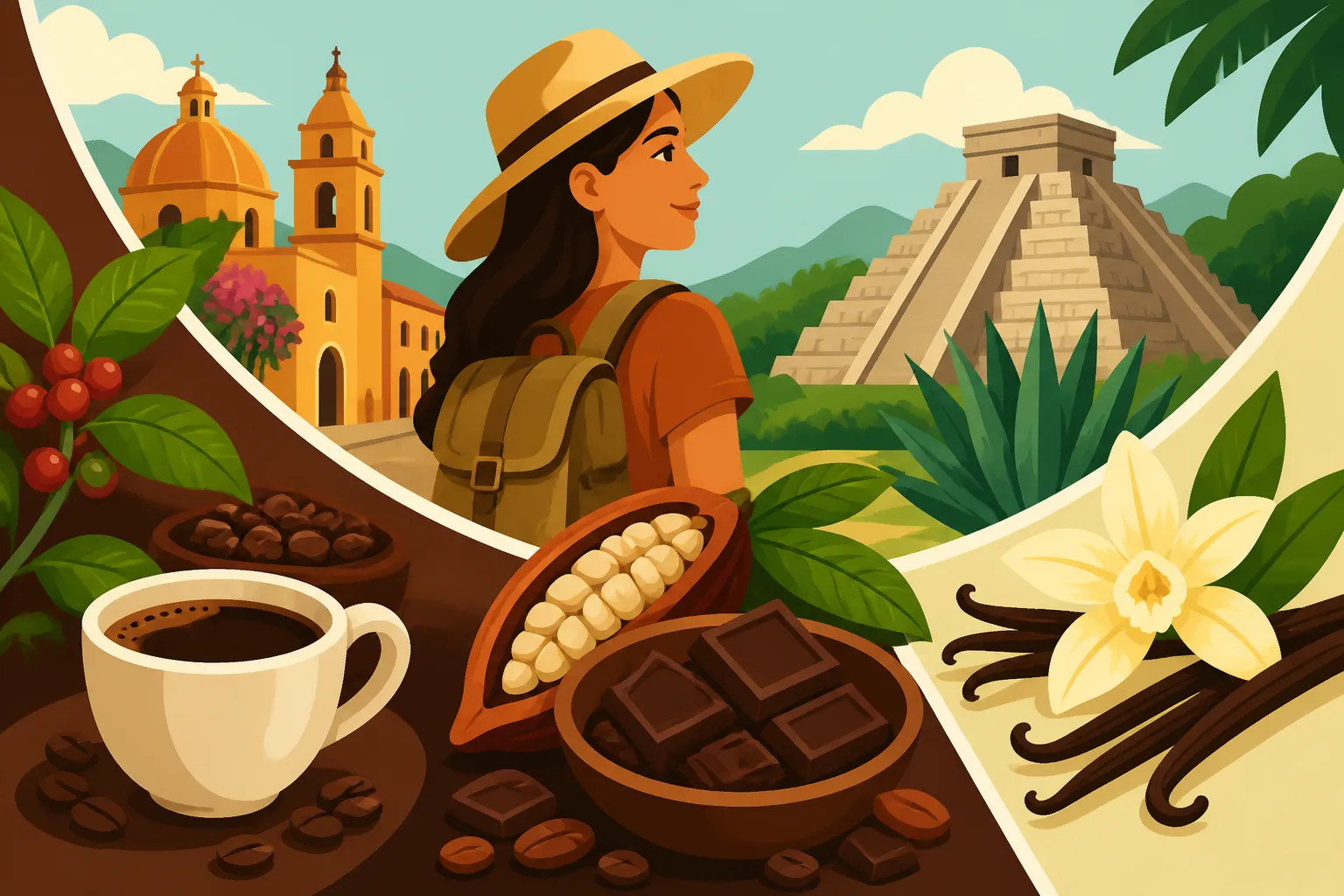
When you first arrive in Mexico, your senses are bombarded in the best way possible: the aroma of street tacos, the vivid colors of local crafts, the mariachi music drifting from a plaza. But to truly understand Mexico, you need to delve into its roots, and few things tell a story as compelling as its food. Visiting a coffee plantation, a chocolate workshop, or a vanilla farm isn't just about tasting; it's about connecting with history, culture, and the incredible people who keep these traditions alive. These aren't just commodities; they're threads woven deep into the fabric of Mexican life.
Unveiling the Rich History and Process of Mexican Coffee
Forget your morning brew for a moment and imagine coffee not just as a drink, but as an experience cultivated in misty mountainsides under the shade of lush forests. Mexico is one of the world's major coffee producers, especially known for its high-quality arabica beans. But what makes Mexican coffee so special isn't just the climate; it's the passion of generations of farmers, often working on small, family-owned fincas.
When you embark on a coffee tour, particularly in regions like Chiapas or Oaxaca, you're not just seeing coffee plants. You're tracing the entire journey: from seedling to mature plant, understanding the meticulous hand-picking process, witnessing the de-pulping, washing, drying, and roasting that transforms a simple cherry into the aromatic beans we all adore. Many tours will even let you try your hand at some of these steps, giving you an appreciation that goes far beyond any coffee shop. It's a hands-on lesson in sustainable agriculture and a taste of the vibrant, sometimes challenging, lives of the people dedicated to this craft. The distinct flavors you discover – often notes of chocolate, nuts, and citrus – will forever change your perception of coffee.
The Ancient Roots and Modern Delights of Mexican Chocolate
Before it became the sweet treat we know today, chocolate was a revered, sacred drink for ancient Mesoamerican civilizations like the Maya and Aztecs. It was often bitter, spiced with chili and other local ingredients, and consumed by nobles and warriors. In Mexico, this ancient heritage is still very much alive, especially in places like Oaxaca where chocolate isn't just a dessert, but a staple, often enjoyed as a warm, frothy drink in the mornings or used in savory moles.
A chocolate tour in Mexico is a journey back in time. You’ll learn about the cacao bean's origins, its mythological significance, and how indigenous communities still roast, grind, and prepare it using traditional tools like the metate (a grinding stone) and molinillo (a wooden whisk). Many workshops offer you the chance to make your own chocolate, often with a choice of spices, giving you a truly personal connection to this incredible food. You'll taste the difference between industrial chocolate and the rich, complex flavors of artisanal Mexican chocolate, often prepared with just a few simple, natural ingredients. It’s an eye-opening experience that validates why this "food of the gods" has captivated palates for millennia.
Vanilla's Sweet Secret: A Taste of Totonac Culture
While coffee and chocolate often steal the spotlight, vanilla holds a unique and equally fascinating place in Mexico's culinary tapestry. This delicate spice, native to Mexico, was first cultivated by the Totonac people in what is now the state of Veracruz. For centuries, they were the world's sole producers of vanilla, considering it a sacred gift.
Vanilla cultivation is notoriously labor-intensive. The orchids must be hand-pollinated during a specific window, and the curing process, which develops the bean's characteristic aroma and flavor, can take months. A vanilla tour offers an incredible insight into this intricate art. You'll visit the lush plantations, learn about the Totonac methods of cultivation and curing, and understand why genuine Mexican vanilla is so prized. This isn't the artificial vanilla extract you find in every grocery store; this is pure, potent, and deeply aromatic vanilla, and a tour will teach you how to discern its quality and appreciate its complex floral, smoky, and sweet notes. It’s a testament to the perseverance of an indigenous culture and a reminder of the delicate balance of nature required to produce such a beloved spice.
Regional Riches: Where to Find the Best Culinary Tours in Mexico
Mexico is vast and diverse, and so are its culinary offerings. When it comes to chocolate, coffee, and vanilla, specific regions stand out as epicenters of production and tradition. Knowing where to go can make all the difference in finding that truly authentic, immersive experience.
Oaxaca: The Heart of Cacao and Coffee Culture
Ah, Oaxaca! If you’ve spent any time researching Mexico, you’ve probably heard of its legendary food scene, and for good reason. It is undoubtedly one of the best places in Mexico to dive deep into both coffee and chocolate. Oaxaca City itself is practically saturated with artisanal chocolate shops, called chocolaterías or fábricas de chocolate, many of which offer tours and demonstrations. You can watch as cacao beans are roasted and ground, often mixed with almonds, cinnamon, or even chili, and then blended into frothy drinks or solid blocks. It's common to find places where they'll grind your custom blend right in front of you.
Beyond the city, Oaxaca's rugged mountains are home to some of Mexico's most renowned coffee plantations, particularly the Pluma Hidalgo region. These fincas offer stunning scenic beauty and the chance to see coffee cultivation firsthand. Many tours will pick you up from Oaxaca City and take you on a full-day adventure, immersing you in the coffee-growing process from seed to cup. You can often find fantastic, highly-rated tours on Viator that include transportation and English-speaking guides, ensuring you get the most out of your visit to this culturally rich state. For an even deeper dive into Oaxaca's culinary scene, consider exploring options like "Oaxaca City Guide: Markets, Mezcal, and Art" to truly appreciate its gastronomic landscape.
Veracruz: Vanilla's Verdant Home and Coffee Plantations
Head east to the lush, tropical state of Veracruz, and you enter the ancestral land of vanilla. The region around Papantla is historically and culturally significant for vanilla production, largely due to the Totonac people who first cultivated this precious orchid. Here, you can find small, family-run vanilla farms offering tours that explain the delicate process of hand-pollination, harvesting, and the lengthy curing required to produce high-quality vanilla beans. It's a rare and special experience, especially for those who appreciate the subtle complexities of this unique spice.
But Veracruz isn't just about vanilla. Its fertile volcanic soils and consistent rainfall also make it a significant coffee-producing state. While often overshadowed by Chiapas and Oaxaca, Veracruz coffee, particularly from regions like Coatepec and Huatusco, is highly regarded. You can find delightful fincas offering tours where you learn about the different varietals, cultivation techniques, and even sample freshly brewed coffee with breathtaking views. Searching on Viator for "Veracruz coffee tours" or "Papantla vanilla tours" will yield excellent results for immersive experiences in this vibrant state.
Chiapas: Mexico's Coffee Powerhouse and Cacao Traditions
Down in Mexico's southernmost state, Chiapas offers an incredible combination of rich biodiversity, indigenous cultures, and a thriving coffee and cacao industry. Chiapas is, without a doubt, Mexico's largest coffee producer, and its high-altitude plantations yield exceptional organic and fair-trade beans. The region around San Cristóbal de las Casas and further south towards Tapachula is dotted with coffee fincas that welcome visitors.
A coffee tour in Chiapas is often a truly immersive experience, sometimes even including overnight stays in rustic finca accommodations. You’ll witness the passion and hard work of local communities, learn about sustainable practices, and, of course, taste some of the freshest coffee you’ll ever have. While not as famous for chocolate as Oaxaca, Chiapas also has a burgeoning cacao industry, particularly in the lowlands. Some tours may combine elements of both, offering a comprehensive look at the region’s agricultural wealth. Keep an eye on Viator for tours from San Cristóbal de las Casas that head out to these coffee and cacao regions, often including lunch and expert local guides. For those considering a longer stay, our guide on "Living in San Cristóbal de las Casas: Expat Guide" might be helpful.
Other Notable Regions: Beyond the Big Three
While Oaxaca, Veracruz, and Chiapas are the undisputed champions for these culinary tours, other regions of Mexico also offer interesting insights:
- Tabasco: This southeastern state, with its hot and humid climate, is one of Mexico's primary cacao-growing regions. While perhaps less geared towards tourism than Oaxaca, you can find authentic cacao farms that offer tours focusing on the raw cultivation and harvesting of cacao pods, providing a very different perspective on the "bean to bar" process.
- Puebla: Known for its rich culinary heritage, Puebla is famous for its mole poblano, a complex sauce often containing chocolate. While you might not find cacao plantations here, you can definitely find cooking classes that delve into the use of chocolate in traditional Mexican cuisine, offering a practical, hands-on experience of how this ingredient is integrated into savory dishes. Check out "Mexican Food Culture: Eating and Drinking as a Visitor" for more on regional cuisine.
Booking Your Culinary Adventure: Why Viator is Your Best Bet
Alright, so you’re convinced you need to taste, smell, and experience these wonders firsthand. Now, how do you go about booking these incredible tours without falling into a tourist trap or dealing with a language barrier nightmare? This is where a platform like Viator truly shines, offering a comprehensive, reliable, and user-friendly way to secure your culinary adventure.
The Ease and Variety of Booking with Viator
As an expat who’s navigated countless administrative and travel hurdles in Mexico, I can tell you that convenience and reliability are golden. Viator streamlines the entire booking process, making it incredibly simple to find and reserve tours. Instead of sifting through dozens of local websites, many of which might only be in Spanish or lack clear booking instructions, Viator aggregates a vast array of tours from reputable local operators.
You'll find everything from half-day chocolate workshops right in Oaxaca City to full-day coffee plantation excursions deep in the Chiapas highlands. Each listing provides detailed descriptions, clear itineraries, and, crucially, reviews from other travelers. This transparency means you can gauge the quality and authenticity of a tour before you commit. Furthermore, Viator often offers flexible booking options, including free cancellation up to 24 hours in advance, which is a lifesaver when your travel plans in Mexico sometimes shift unexpectedly.
What to Look for in a Quality Tour on Viator
When you’re browsing Viator, keep an eye out for a few key elements to ensure you’re booking a truly top-notch experience:
- Experienced, English-Speaking Guides: While it's great to practice your Spanish, a knowledgeable guide who can articulate the nuances of the process and history in English will significantly enhance your understanding and enjoyment.
- Small Group Sizes: More intimate groups allow for better interaction with the guide and local hosts, creating a more personal and less rushed experience.
- Hands-on Activities: The best tours don't just show you; they let you participate. Grinding cacao, hand-pollinating a vanilla orchid (if seasonal), or learning to make chocolate de agua yourself will make the experience far more memorable.
- Included Tastings and Meals: Naturally, you want to taste the fruits of your labor! Ensure the tour includes generous samplings and, if it's a longer excursion, a traditional meal, which is often prepared by the host family themselves.
- Transportation Details: For tours to rural fincas, ensure transportation is clearly outlined and included in the price. Getting to some of these remote locations independently can be a real logistical challenge.
Making the Most of Your Tour: Tips for an Unforgettable Experience
Once you've booked your amazing chocolate, coffee, or vanilla tour through Viator, here are a few tips to make it truly unforgettable:
- Be Prepared: Wear comfortable shoes, especially for plantation tours which might involve walking on uneven terrain. Bring water, sun protection, and a light jacket, as mountain climates can change quickly.
- Engage with Locals: These tours offer a unique opportunity to interact with the people who are the custodians of these traditions. Ask questions, listen to their stories, and you'll gain a deeper appreciation for their way of life.
- Bring Cash: While your tour might be paid for, local markets or small shops at the fincas might only accept cash if you want to purchase additional products or souvenirs directly from the producers.
- Support Local: If you love the products you taste, consider purchasing directly from the farm or workshop. This directly supports the communities and ensures your money goes back to the people preserving these traditions.
- Document Thoughtfully: Take photos and videos, but remember to be respectful. Sometimes, it’s best to put the camera down and simply be present in the moment, savoring the aromas and sounds.
Booking an authentic culinary tour in Mexico is one of the most rewarding ways to connect with its heart and soul. With the convenience and reliability of platforms like Viator, you can easily access these incredible regional experiences, whether it's the rich cacao of Oaxaca, the fragrant vanilla of Veracruz, or the robust coffee of Chiapas. So go on, indulge your senses, and let Mexico's flavors tell their captivating story. You can also explore options for "Mexican Food Culture: Eating and Drinking as a Visitor" or "Mexican Customs, Etiquette, and Social Life" to enhance your overall experience in this amazing country. If you're pondering longer stays, guides like "The Ultimate Guide to Mexico's Visa and Residency Options" can provide valuable insights for future planning. And for deeper dives into specific regions, consider "Living in Oaxaca City: Culture and Lifestyle Tips for Expats" or "Living in San Cristóbal de las Casas: Expat Guide."
Regional Culinary Tour Overview
| Region | Primary Focus | Typical Tour Activities | Best For… |
|---|---|---|---|
| Oaxaca | Chocolate, Coffee | Cacao grinding, chocolate de agua making, coffee processing, tasting flights | Deep cultural immersion, traditional methods, rich flavors |
| Veracruz | Vanilla, Coffee | Vanilla orchid pollination/curing, coffee finca visits, Totonac culture | Unique vanilla experience, lesser-known coffee regions |
| Chiapas | Coffee, Cacao | Coffee bean processing (roasting, grinding), plantation walks, scenic views | Large-scale coffee production, natural beauty, sustainable practices |
| Tabasco | Cacao | Cacao pod harvesting, farm tours, raw cacao processing | Understanding raw cacao cultivation, distinct climate |
| Puebla | Chocolate (in cuisine) | Cooking classes featuring mole poblano, regional dishes | Culinary application of chocolate, gastronomic exploration |
This journey through Mexico's chocolate, coffee, and vanilla industries is more than just a tour; it's an education, a cultural exchange, and a delicious adventure all rolled into one. For general travel tips and safety information, remember to check out "Staying Safe in Mexico: Practical Tips for Travelers". And if you ever find yourself needing to speak a bit of the local language, "Survival Spanish for Travelers in Mexico: Key Phrases" will definitely come in handy.
Disclaimer
This article is for general informational purposes only and does not constitute professional advice. Laws, prices and regulations vary by location and change over time. Consult a qualified professional for guidance on your specific situation.