Are Traveler’s Checks Still Useful in Mexico, or Obsolete?
Arriving at a Mexican bank with a booklet of American Express traveler's checks only to be met with blank stares and a firm "no aceptamos" is a rite of passage I wouldn't wish on anyone. I remember standing in a sweltering line in Mérida years ago, clutching my "secure" checks, only to be told they were effectively paper weights. This guide settles the debate on traveler's checks once and for all and introduces the modern tools that actually work for expats today.
Disclosure: This post may contain affiliate links. We may earn a commission at no extra cost to you if you make a purchase through these links. Read full disclosure.
The Reality of Traveler’s Checks in Modern Mexico
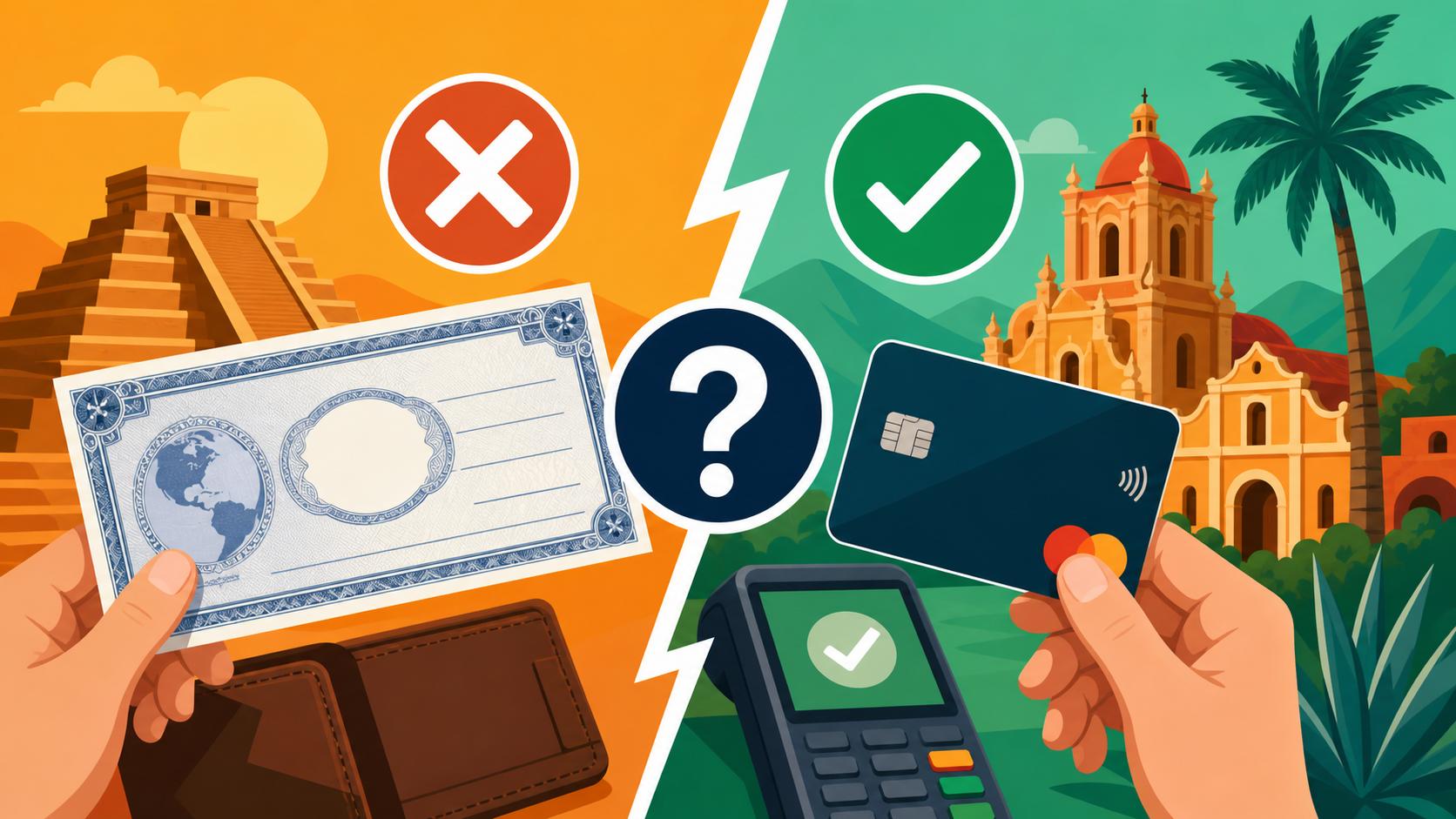
If you are currently packing your bags for a move to Lake Chapala or a long-term stay in Playa del Carmen, you might find an old travel guide suggesting traveler's checks as a "safe" way to carry foreign currency. In the 1990s and early 2000s, this was sound advice. Today, it is a recipe for administrative heartbreak. The short answer is that traveler's checks are essentially obsolete in Mexico. While they technically still exist, the infrastructure required to cash them has almost entirely evaporated.
Most major Mexican banks, including BBVA, Banamex, and Santander, have phased out the service of cashing traveler's checks for non-customers. Even if you have managed to How to Open a Bank Account in Mexico: Requirements and Tips, you might find that your local branch manager has neither the training nor the desire to process a physical check. The shift toward digital banking and the strict implementation of the "Ley Antilavado" (Anti-Money Laundering Law) has made banks extremely wary of physical negotiable instruments that aren't cash.
In the rare event that you find a casa de cambio (exchange house) in a heavy tourist zone like Cancun’s Hotel Zone or the Cabo San Lucas marina that still accepts them, be prepared for a "convenience tax" that will make your eyes water. The exchange rates offered for traveler's checks are significantly lower than the mid-market rate you would get through digital platforms. You are essentially paying a massive premium for a service that is slower, more difficult to find, and fraught with more paperwork than simply using a modern debit card.
Why Traveler’s Checks Became Obsolete and the Risks Involved
The decline of the traveler's check in Mexico wasn't just about the rise of the internet; it was a response to specific local challenges. For the banks, the verification process for a traveler's check is a nightmare. It requires calling the issuing institution, verifying the signature, and ensuring the check hasn't been reported stolen. In a country where bank lines can already stretch out the door on quincena (payday), no teller wants to spend thirty minutes on a single transaction.
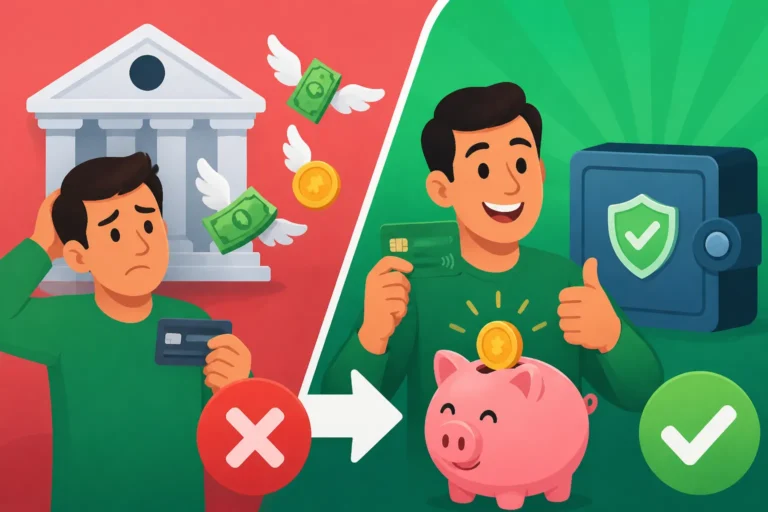
Furthermore, the security benefit that once made these checks famous—the ability to get them replaced if lost or stolen—has been eclipsed by the speed of digital banking. If you lose a traveler's check in a small town in Oaxaca, getting a replacement involves international phone calls and potentially waiting days for a courier. Contrast this with modern apps like Wise, which allow you to freeze your card instantly from your phone the second you realize it’s missing.
There is also the "rejection risk." I’ve seen expats spend an entire day driving from branch to branch in Guadalajara, burning through gas and patience, only to be rejected at every turn. By the time you find a place that will take the checks, you’ve lost hours of your life that could have been spent enjoying a tequila on a patio. The mental load of wondering if your primary source of funds will be accepted at your destination is a stressor no expat needs while navigating the already complex Cost of Living in Mexico: 2026 Comprehensive Guide.
Better Financial Alternatives for Expats and Travelers
So, if traveler's checks are out, what should you actually use? The modern expat toolkit relies on a "three-pillar" strategy: a local bank account (eventually), a high-quality international transfer service, and a reliable brokerage for long-term funds.
For the vast majority of your day-to-day needs, a digital-first approach is superior. Using a service like Wise allows you to hold a balance in Mexican Pesos and spend it using a debit card that is accepted anywhere from a high-end restaurant in Polanco to a grocery store in San Miguel de Allende. Wise provides the mid-market exchange rate, which is almost always better than what you’ll get at a physical exchange booth or through a traditional bank's traveler's check desk.
If you are managing larger sums—perhaps you are preparing for a real estate purchase or maintaining an investment portfolio while living abroad—you should look toward robust platforms like Interactive Brokers. They offer institutional-grade currency conversion rates that are far superior to any "traveler's" product. For expats who still receive dividends or pension payments in USD, CAD, or EUR, keeping those funds in an account with Interactive Brokers and moving only what you need into your Mexican spending ecosystem is a sophisticated way to manage Currency Exchange in Mexico: Getting the Best Rates on Pesos.
| Feature | Traveler's Checks | International Debit (Wise) | Traditional Mexican Bank |
|---|---|---|---|
| Acceptance | Extremely Low | Very High | Universal (locally) |
| Exchange Rate | Poor (Hidden Fees) | Mid-Market (Transparent) | Variable (often high fees) |
| Wait Time | 30+ minutes per check | Instant | Variable |
| Security | Signature Verification | App-based Freeze/PIN | Physical ID & PIN |
| Recovery | Days/Weeks | Instant App Controls | Requires Branch Visit |
Strategies for Managing Your Money Safely
Once you move past the idea of traveler's checks, you need to understand how to handle "real" money in Mexico. The most important lesson I learned after my first year was never to rely on a single source of funds. Technology fails, cards get eaten by ATMs, and occasionally, a specific bank's network goes down nationwide.
Always carry at least two different debit cards from two different institutions. This is where Managing Your Money in Mexico: Budgeting, Saving, and Currency Tips becomes vital. I typically keep a primary card for ATM withdrawals and a backup card from a service like Wise tucked away in a safe at home. If one card is compromised at a gas station or a faulty ATM, I’m not stranded without a way to pay for my groceries.
Speaking of ATMs, this is where you will get most of your cash. It is significantly safer and more efficient than cashing checks. However, you must be strategic. Always use ATMs located inside a bank branch during business hours. This reduces the risk of card skimming and ensures that if the machine swallows your card, you can walk to a desk and ask for help immediately. For a deeper dive into this, check out our guide on Using ATMs in Mexico: Avoiding Fees and Staying Secure.
Navigating the Cash-Heavy Side of Mexico
While digital tools are winning the war, Mexico is still very much a cash-heavy society in certain niches. You cannot pay a taxi driver or a street food vendor in Guanajuato with a digital transfer (usually), and they certainly won't know what to do with a traveler's check. You need to master the art of carrying "small" bills.
In Mexico, a 500-peso note is often treated with suspicion by small vendors because they simply don't have the change. When you use an ATM to withdraw your daily or weekly funds, try to break those large bills at a major supermarket like Soriana or Chedraui. This ensures you have a pocket full of 20, 50, and 100-peso notes for Tip Culture: How Much to Tip for Services (From Maids to Waiters).
If you are still worried about security—which was the original "selling point" of traveler's checks—consider a "sacrificial" wallet. This is a thin wallet with a small amount of cash and an expired ID or a non-functional card. In the very unlikely event of a mugging, you hand that over while your actual cards and primary cash are hidden in a travel belt or a different pocket. This old-school trick provides more peace of mind than a book of obsolete checks ever could.
Moving Large Sums for Residency and Housing
Many expats move to Mexico and realize that their financial needs are more complex than just buying tacos. If you are applying for residency, you will need to prove financial solvency. The Mexican consulate will want to see official bank statements, not traveler's checks. Knowing Mexico Temporary Residency Financial Requirements (2026) is essential before you even leave your home country.
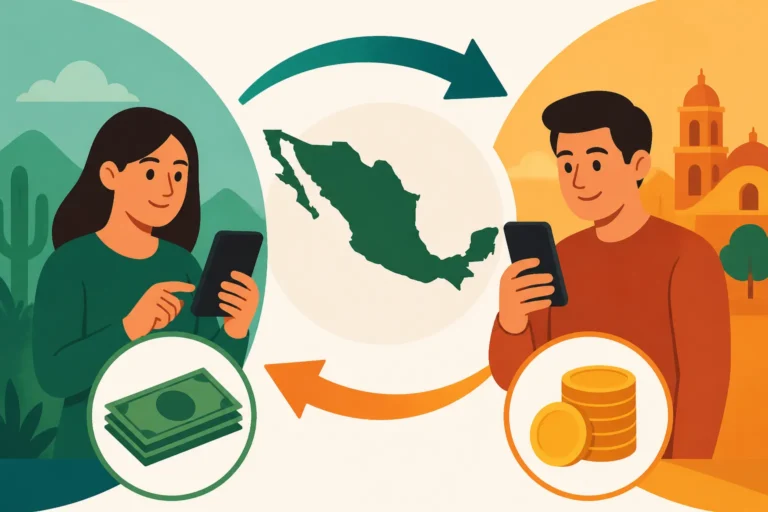
For those buying property, you will likely be Transferring Money Internationally: Best Ways to Send Money to/from Mexico via wire transfer. This process requires a CLABE (a 18-digit Mexican bank account number). Trying to use traveler's checks to pay a closing cost or a deposit on a house is simply not possible. Modern sellers and notaries expect wire transfers from reputable institutions. By setting up accounts with Wise for transfers or Interactive Brokers for currency management early on, you position yourself as a serious, prepared buyer in the Mexican real estate market.
Final Advice for the Modern Expat
The romantic notion of the world-traveler signing checks in a colonial plaza is a relic of a bygone era. In today's Mexico, speed and digital reliability are king. If you have traveler's checks sitting in a drawer at home, my best advice is to cash them at your local bank before you leave your home country. Turn them into liquid cash in your home currency, deposit that into an account linked to a service like Wise, and enter Mexico with a digital-first mindset.
You will save yourself hours of frustration, dozens of "no" responses from bank tellers, and a significant amount of money in lost exchange rate value. Mexico is a beautiful, welcoming country, but its bureaucracy can be challenging. Don't add to your own hurdles by bringing financial tools from the last century. Embrace the digital shift, use Best Banks in Mexico for Expats: Comparing Fees and Services to find a local partner, and spend your time enjoying the sunset rather than standing in a bank line.
Even if you are a "snowbird" only visiting for a few months, having Using Credit and Debit Cards in Mexico: What Expats Need to Know is more important than any physical check. The peace of mind that comes from knowing your funds are accessible, secure, and accepted everywhere is the greatest luxury you can afford yourself as you start your new life south of the border.
Disclaimer
This guide is for informational purposes only and does not constitute financial, legal, or investment advice. Currency exchange rates, bank policies, and local regulations in Mexico can change frequently. Always consult with a qualified financial professional or tax advisor regarding your specific situation before making significant financial decisions or moving large sums of money internationally.