Air Ambulance Cover in Coastal and Rural Mexico: Where the Nearest Trauma Centre Is
Alright, let's talk about something that nobody wants to think about, but everyone living or traveling in Mexico absolutely needs to understand: what happens when a serious medical emergency strikes in a place far from top-tier hospitals? If you're out exploring a charming coastal town or a remote mountain village, the reality is that the nearest specialist care could be hours away. This guide is all about navigating that critical gap, understanding the role of air ambulances, and ensuring you have the right coverage to get you where you need to be, fast.
Disclosure: This post may contain affiliate links. We may earn a commission at no extra cost to you if you make a purchase through these links. Read full disclosure.
The Harsh Reality of Medical Emergencies in Remote Mexico
Living or even just vacationing in Mexico is often a dream come true – the culture, the food, the stunning landscapes. But when you venture beyond the major cities and their well-equipped private hospitals, the medical landscape can change dramatically. It’s a reality check many expats face, sometimes in the most terrifying ways.
Why Local Care Might Not Be Enough
Imagine you're enjoying the tranquility of a pueblo mágico in the highlands or soaking up the sun on a secluded beach in Oaxaca. Suddenly, you or a loved one experiences a severe accident, perhaps a fall resulting in a head injury, or a sudden cardiac event. The local clinic, while staffed by well-meaning general practitioners, often simply doesn't have the sophisticated diagnostic equipment, specialized surgeons, or advanced intensive care units required for complex trauma or critical illness. They might be able to stabilize you, provide basic first aid, and offer initial assessment, but beyond that, their resources are limited.
This isn't to say Mexican doctors aren't qualified – far from it, many are excellent! But specialized infrastructure is concentrated. For a deep dive into the overall medical system, check out our guide on Healthcare in Mexico: Complete Guide for Expats (Public vs Private). What you might encounter in a smaller town is a general physician who can handle common ailments, but not the kind of life-threatening events that demand immediate, highly specialized intervention. The time it takes to get to appropriate care can, quite literally, be the difference between life and death.
The Critical Role of Trauma Centers
A trauma center isn't just any hospital; it's a specialized facility equipped to handle severe injuries (trauma) that could lead to disability or death. These centers have dedicated trauma teams, including emergency physicians, surgeons (general, orthopedic, neurosurgeons), anesthesiologists, and critical care nurses, all available 24/7. They also possess advanced imaging capabilities like CT scans and MRIs, operating rooms for immediate surgery, and intensive care units specifically designed for critically injured patients.
The concept of the "golden hour" is absolutely paramount here. This refers to the critical first 60 minutes after a severe injury, where rapid assessment, resuscitation, and definitive care (often surgery) can significantly improve the outcome for the patient. If you're in a remote area and that golden hour is spent just trying to get to a facility that can handle your situation, your chances of a full recovery or even survival plummet. This is precisely where air ambulance services become not just a convenience, but a vital necessity for expats in Mexico.
Coastal & Rural Mexico's Healthcare Landscape
Mexico is vast, and its medical facilities are unevenly distributed. While major cities like Mexico City, Guadalajara, and Monterrey boast world-class private hospitals, many popular expat destinations, particularly those along the coasts or nestled in rural areas, do not.
Take the Yucatán Peninsula, for example. While Cancún and Playa del Carmen have some decent hospitals that can handle routine emergencies, truly complex cases, especially those requiring neurosurgery or advanced cardiac interventions, often necessitate transfer to Mérida, which has more comprehensive facilities. Even in a bustling tourist hub, you might find yourself needing to move. For more on what to expect in that region, read our guide on Healthcare in Cancún and Riviera Maya: Hospitals and Clinics for Expats. Similarly, on the Pacific Coast, popular spots like Puerto Escondido in Oaxaca, or even smaller towns in Nayarit, rely heavily on their closest major cities like Puerto Vallarta, Mazatlán, or even Guadalajara for anything beyond basic emergency stabilization. The journey by ground ambulance can be incredibly long and uncomfortable, especially on winding roads or through traffic. This is a common frustration, something you'll quickly realize if you ever need to use Calling an Ambulance in Mexico: How Emergency Services Operate.
Navigating the Air Ambulance Maze in Mexico
When you're facing a medical crisis far from advanced care, the thought of an air ambulance can bring immense relief – but the logistics and, more importantly, the cost can be absolutely dizzying. This isn't a simple taxi ride; it's a highly specialized medical operation.
What an Air Ambulance Really Does
An air ambulance provides rapid medical transport, often equipped with advanced life support systems and staffed by critical care paramedics, nurses, and sometimes even doctors. There are generally two types you might encounter:
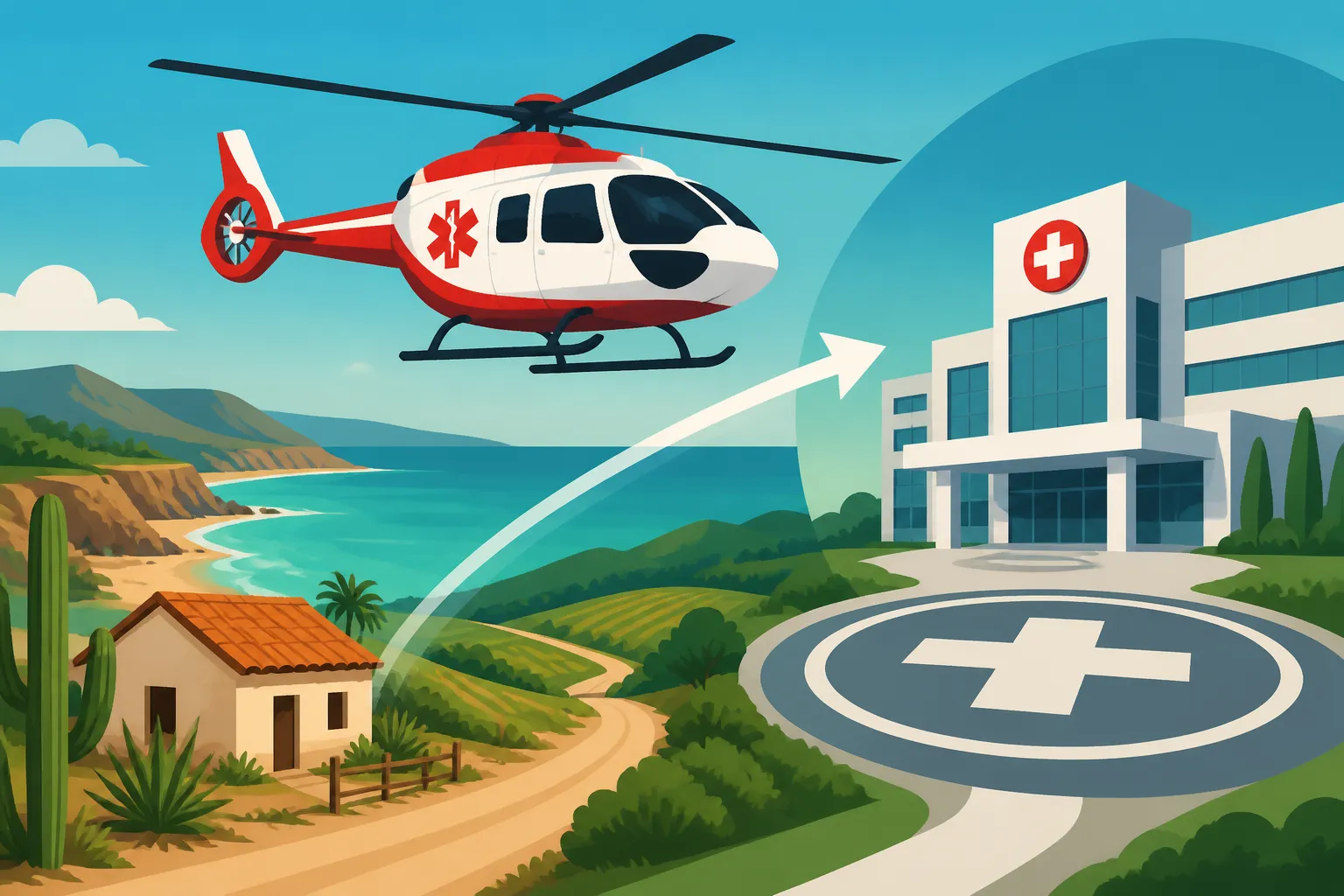
- Helicopter Air Ambulances: These are typically used for shorter distances, usually within a few hundred miles, often for trauma cases where ground transport would be too slow due to traffic, terrain, or distance to a major city hospital. They can land in more restricted areas, closer to the scene of an accident or a smaller clinic.
- Fixed-Wing Air Ambulances (Medical Jets): These are used for longer distances, often when moving a patient across states or even internationally. They resemble small private jets but are outfitted with medical equipment similar to an ICU. These are crucial for inter-hospital transfers where a patient needs specialized care hundreds or thousands of miles away.
Both types offer a controlled, medically supervised environment, vital for maintaining a patient's stability during transport. This kind of service isn't just about speed; it's about providing continuous, high-level medical care en route.
The Staggering Cost of Medical Evacuation
Let's not sugarcoat it: medical evacuation by air ambulance is expensive. We're talking about costs that can easily run into tens of thousands, or even hundreds of thousands of dollars, depending on the distance, the type of aircraft, and the medical personnel required. A short helicopter transfer within a state could be $10,000-$30,000 USD. A fixed-wing evacuation from, say, Oaxaca to a specialized facility in Mexico City or even across the border to the U.S. could range from $50,000 to over $200,000 USD.
Think about it: you're paying for a specialized aircraft, highly trained medical professionals, advanced medical equipment, fuel, landing fees, and often, a return flight for the crew. This isn't something you can just put on a regular credit card without incurring crippling debt. The financial burden alone can be as traumatic as the medical event itself, which is why proper coverage is non-negotiable for expats and long-term travelers. For general information on costs, our guide on Healthcare Costs in Mexico: Doctor Visits, Hospital Stays, and Surgery Expenses touches on related topics.
The Pitfalls of "Just Winging It"
Many people mistakenly believe their regular travel insurance will cover everything, or that they can simply rely on their credit card's emergency benefits. While some travel insurance policies do offer evacuation, the limits are often insufficient, or they have strict exclusions. For instance, they might only cover evacuation to the "nearest adequate facility," which could still be a hospital in Mexico that isn't quite at the Level 1 trauma center standard you might need. Furthermore, some policies require their medical team to approve and arrange the evacuation, leading to delays when time is critical.
Relying on credit cards or personal savings for an air ambulance is a dangerous gamble. Imagine being in a foreign country, seriously ill, and your family scrambling to find $100,000 or more upfront to get you to safety. It's a nightmare scenario. That's why having a dedicated policy like SafetyWing that explicitly covers robust medical evacuation is paramount. It removes that terrifying financial barrier and ensures the focus remains on getting you the best possible care, not on paying exorbitant bills. When considering insurance, it's worth reading up on Travel Insurance vs Local Insurance: Do Expats Need Both? to understand the nuances.
Finding Nearest Trauma Centers in Key Regions of Mexico
Knowing where the closest high-level medical facilities are before an emergency strikes can make a significant difference. While SafetyWing will coordinate your medical evacuation, having a general understanding of the landscape can bring peace of mind.
Pacific Coast & Baja California
This region is incredibly diverse, from bustling tourist zones to sprawling deserts and remote beach towns.
- Puerto Vallarta & Riviera Nayarit: While Puerto Vallarta has several reputable private hospitals like Hospital CMQ Premier and Hospital San Javier, which can handle many emergencies, severe trauma might be referred to more specialized centers, potentially in Guadalajara, especially for complex neuro or cardiovascular cases.
- Mazatlán: Similar to Puerto Vallarta, Mazatlán has good private hospitals like Hospital Sharp Mazatlán and Clínica del Mar that offer a range of services.
- Los Cabos (Baja California Sur): This popular tourist and expat destination has hospitals such as Hospital H+ Los Cabos and Amerimed Hospital. They are well-equipped for common emergencies, but significant trauma or highly specialized needs might still require air transfer to Tijuana or even across the border to the US.
- Tijuana (Baja California Norte): Being a major border city, Tijuana has advanced medical facilities that serve both Mexican citizens and medical tourists. Hospitals like Hospital Ángeles Tijuana and Hospital Florence are often considered among the best in the region and can serve as a primary trauma destination for Baja California. This is an important consideration for anyone in Baja needing higher care. Our guide on Healthcare in Baja (Tijuana & Los Cabos): Navigating Medical Care on the Peninsula offers more insights.
Yucatán Peninsula & Caribbean Coast
This region, a favorite for many expats, also has a hierarchy of medical care.
- Cancún & Playa del Carmen: Both cities have private hospitals like Hospital Galenia (Cancún) and Hospiten (Playa del Carmen) which are modern and capable of handling many emergencies. However, they might not be designated Level 1 trauma centers. For critical, complex cases, particularly those requiring advanced surgical interventions or long-term intensive care, the standard protocol is often to transfer patients to Mérida.
- Mérida: This colonial capital is often considered the medical hub of the Yucatán Peninsula. Hospitals like Hospital Star Médica Mérida, Hospital Faro del Mayab, and Centro Médico de las Américas are excellent and attract patients from across the peninsula and even other parts of Mexico and Central America. Mérida is your best bet for top-tier care in the region. You can learn more in our guide Healthcare in Mérida: Quality of Medical Care in Yucatán.
- Tulum, Isla Mujeres, Cozumel: These smaller, more tourist-focused locations have limited medical facilities, primarily small clinics or basic hospitals. Any serious emergency will almost certainly require immediate transfer to Cancún or Mérida.
Central Highlands & Interior Rural Zones
Many expats adore Mexico's central highlands and interior, but these areas can be quite far from major medical centers.
- San Miguel de Allende / Querétaro: San Miguel de Allende has smaller private hospitals, but for serious trauma or critical illness, patients are typically transferred to Querétaro (about an hour's drive). Querétaro boasts several excellent private hospitals, including Hospital Ángeles Querétaro and Hospital Star Médica Querétaro, which are well-equipped to handle complex cases and often serve as regional trauma centers. More about local options can be found in Healthcare in San Miguel de Allende: Options in and Around the City.
- Lake Chapala / Guadalajara: Lake Chapala and Ajijic have local clinics and small hospitals, but Guadalajara is the undeniable medical powerhouse for Western Mexico. With numerous top-tier hospitals like Hospital Puerta de Hierro, Hospital San Javier, and Hospital Ángeles del Carmen, Guadalajara can provide highly specialized care for virtually any medical emergency. Expats in the Lake Chapala region rely heavily on Guadalajara for advanced medical needs. Get more details from our article Healthcare in Guadalajara: Medical Facilities and Services for Foreign Residents.
- Oaxaca: Oaxaca City has some good private hospitals like Hospital Angeles Oaxaca, but for the most critical situations, especially if coming from remote parts of the state (like the Pacific coast beaches or mountainous regions), transfer to Mexico City might be necessary.
- Mexico City: As the capital, Mexico City has the most comprehensive and advanced medical infrastructure in the country. Hospitals like ABC Medical Center, Médica Sur, and Hospital Ángeles de Lomas are recognized internationally for their quality and specialty services. Anyone needing the highest level of care from anywhere in Mexico could realistically be transferred here. Our resource on Healthcare in Mexico City: Top Hospitals and Clinics for Expats is a must-read.
The Importance of Preparedness
Beyond just knowing where these centers are, true preparedness means having an emergency plan. This includes:
- Keeping vital medical information (allergies, medications, medical history) readily accessible, perhaps on your phone and a laminated card.
- Knowing your blood type.
- Having a trusted contact who can communicate in Spanish if your own is limited. (Though companies like SafetyWing often have multilingual support!)
- Most crucially, having the right insurance to cover the potentially massive costs of medical evacuation. For what to expect during a hospital stay in Mexico, our What to Expect During a Hospital Stay in Mexico: A Patient’s Perspective guide can be helpful.
SafetyWing: Your Air Ambulance Solution for Mexico
This is where SafetyWing truly shines as a hero for expats and long-term travelers in Mexico. It’s not just another travel insurance; it’s designed with the unique needs of digital nomads and long-term residents in mind, particularly when it comes to the life-saving benefit of medical evacuation.
How SafetyWing Covers Medical Evacuation
SafetyWing offers robust coverage for emergency medical evacuation, which is absolutely critical in Mexico, especially when you’re outside major metropolitan areas. Here's how it generally works and why it's so invaluable:
- Emergency Evacuation Coverage: If you suffer a life-threatening injury or illness in a remote part of Mexico where adequate medical facilities are unavailable, SafetyWing can cover the costs of transporting you by air ambulance to the nearest appropriate medical facility. This includes the logistical coordination, which can be a huge headache in an emergency.
- Repatriation: In the grim event of death, SafetyWing also covers the costs of returning your remains to your home country, alleviating an unimaginable financial and logistical burden on your family.
- Flexible and Designed for Expats: Unlike many standard travel insurance policies that have strict limitations for long-term stays, SafetyWing is built for those living abroad for extended periods. It understands that you might not be jetting home after two weeks. This flexibility and expat-centric design make SafetyWing a standout choice.
- Peace of Mind: Knowing that an air ambulance and the associated astronomical costs are covered by SafetyWing allows you to explore Mexico's hidden gems with a genuine sense of security. You can focus on enjoying your life, rather than constantly worrying about "what if." This is truly invaluable.
Beyond Evacuation: Comprehensive Travel and Health Coverage
While air ambulance coverage is a cornerstone of its offering, SafetyWing provides a much broader safety net, making it an ideal choice for expats in Mexico.
- Accidental Medical Expenses: This covers sudden illnesses or injuries, including doctor visits, hospital stays, and prescription medications. This is essential for those unexpected trips to the consultorio or a more serious hospital visit, helping you manage Navigating Hospitals and Clinics in Mexico: An Expat’s Guide to Medical Care.
- Travel Delay/Interruption: If your travels are disrupted due to unforeseen circumstances, SafetyWing can help cover accommodation or rebooking costs.
- Lost Luggage: A minor, but certainly annoying, travel mishap that SafetyWing helps mitigate.
- Worldwide Coverage: Your policy travels with you, offering coverage in most countries outside your home country. This is perfect for those weekend trips to other parts of Latin America or short visits back home.
- Easy to Manage Online: Everything from purchasing a policy to filing a claim can be done conveniently online, which is a massive plus when you’re navigating the sometimes-complex world of international living.
When comparing options, especially against local Mexican private health insurance, it's vital to consider the robust evacuation feature that SafetyWing provides. While local plans might cover care within Mexico, they might not offer the same seamless, high-cost evacuation coordination that an international plan designed for travelers and nomads does. Many expats grapple with Choosing Private Health Insurance: Local Mexican Plans vs International Coverage, and evacuation is a key differentiating factor.
Real-Life Scenarios: When SafetyWing Steps In
Let's look at a couple of hypothetical, but all too real, scenarios where having SafetyWing coverage would be a game-changer:
Scenario 1: The Remote Mountain Accident
You're hiking near San Cristóbal de las Casas in Chiapas, loving the stunning scenery. You take a bad fall, sustaining a serious leg fracture and a potential head injury. The nearest local clinic can provide initial stabilization, but they lack the orthopedic surgeon and neurosurgeon you desperately need. Without SafetyWing, your family would be frantically trying to arrange a private air ambulance transfer to Mexico City, potentially costing well over $70,000 USD, upfront. With SafetyWing, their emergency team steps in, coordinates the medical evacuation, arranges the air transport, and ensures you get to a top-tier hospital like Médica Sur in Mexico City without financial stress or logistical nightmares.
Scenario 2: Sudden Illness on the Coast
You're enjoying retirement in a charming, quieter beach town on the Riviera Nayarit, living a peaceful life. Suddenly, you experience symptoms of a stroke. The small local hospital confirms the initial diagnosis but advises immediate transfer to a specialized neurological center in Guadalajara, a 4-5 hour drive by ground ambulance. This critical "golden hour" for stroke treatment is ticking away. SafetyWing would swiftly arrange a helicopter or fixed-wing transfer, saving precious time and potentially minimizing long-term damage, covering the tens of thousands of dollars the transport would cost. This peace of mind is what allows you to truly enjoy your life in Mexico. It also addresses the very real concern of Will Mexican Hospitals Accept International Health Insurance? by providing the necessary support and coordination.
Here’s a quick overview of evacuation types and what they mean:
| Type of Evacuation | Description | Typical Cost Range (USD) | Why it's Critical in Mexico |
|---|---|---|---|
| Ground Ambulance Transfer | Transport by road ambulance with medical personnel; for non-critical transfers or short distances. | $500 – $5,000 | Common for transfers between smaller clinics and regional hospitals, but often too slow for critical situations. |
| Helicopter Air Ambulance | Rapid air transport by helicopter; for critical emergencies over shorter distances (e.g., 100-300 miles). | $10,000 – $50,000 | Essential for reaching trauma centers quickly from remote sites or congested areas, especially in the "golden hour." |
| Fixed-Wing Air Ambulance | Medical jet transport; for long-distance transfers (e.g., across Mexico or to home country). | $50,000 – $200,000+ | Vital for accessing highly specialized care in major cities (e.g., Mexico City, Guadalajara) or international repatriation. |
| Medical Repatriation | Transport to home country for ongoing treatment or recovery, not necessarily life-threatening. | $25,000 – $150,000+ | Important if you prefer to recover closer to family and your familiar healthcare system after initial stabilization. |
| Repatriation of Remains | Transport of deceased individual's remains to home country. | $10,000 – $30,000+ | Covers the significant logistical and financial burden on families during a difficult time. |
As you can see, the costs skyrocket quickly, and without comprehensive coverage like SafetyWing, you could be facing a truly devastating financial hit on top of a medical crisis.
The Bottom Line: Prioritize Your Peace of Mind with SafetyWing
Living or traveling in coastal and rural Mexico offers incredible beauty and experiences, but it also comes with the responsibility of understanding potential risks, especially regarding healthcare. The reality is that immediate access to a Level 1 trauma center or highly specialized medical care isn't always around the corner. When minutes count and you need to get to proper facilities, an air ambulance isn't a luxury; it's a lifeline.
Don't leave your health, or your financial future, to chance. Investing in robust medical and evacuation insurance like SafetyWing isn't just a smart choice; it's an essential one for anyone spending significant time in Mexico. It provides that crucial layer of protection, ensuring that if the worst happens, you have the means to access the best possible care, no matter where you are. Protect yourself and your loved ones. Make sure SafetyWing is part of your Mexico adventure.
Disclaimer
This article is for general informational purposes only and does not constitute professional advice. Laws, prices and regulations vary by location and change over time. Consult a qualified professional for guidance on your specific situation.