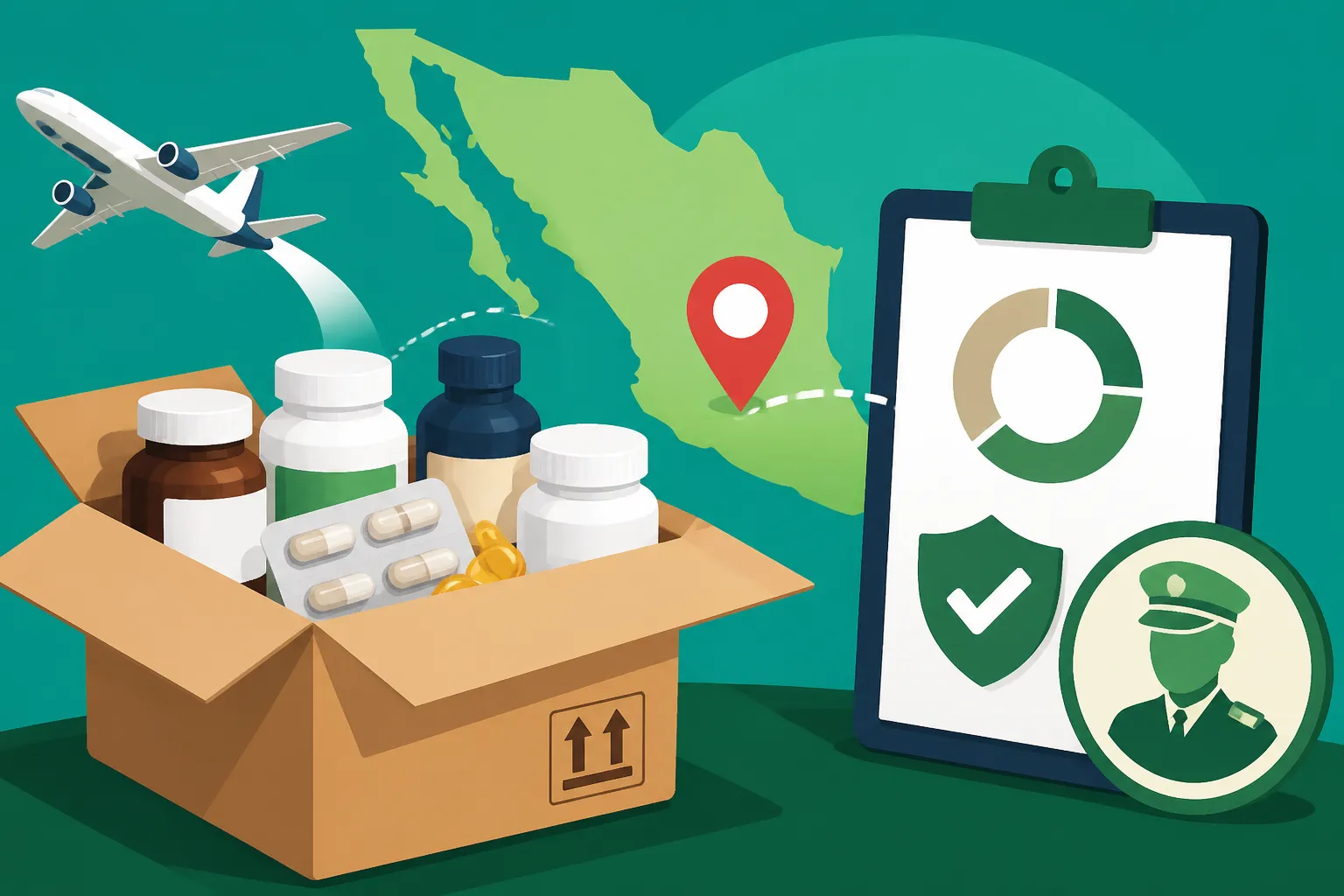
Shipping Medication and Supplements to Mexico: COFEPRIS Limits Explained
Oh, the sheer frustration of trying to figure out what you can and can't bring into Mexico, especially when it comes to vital medications and those beloved supplements you rely on! It's one of those administrative hurdles that truly makes you want to pull your hair out. This guide is here to shed some light on the notoriously complex world of COFEPRIS regulations and help you navigate the tricky path of shipping your essential health items to your new home in Mexico.
Disclosure: This post may contain affiliate links. We may earn a commission at no extra cost to you if you make a purchase through these links. Read full disclosure.
The COFEPRIS Conundrum: Understanding Mexico's Health Regulatory Body
Let's be honest, moving to a new country is already a monumental task. The last thing you need is to worry if your daily vitamins or life-sustaining prescriptions will be held hostage at customs. In Mexico, the body that dictates what health products enter the country is the Comisión Federal para la Protección contra Riesgos Sanitarios, mercifully shortened to COFEPRIS. Think of them as Mexico's version of the FDA – and they take their job very, very seriously.
Who is COFEPRIS and Why Do They Matter?
COFEPRIS is the federal commission responsible for protecting the population from health risks. This means they regulate everything from food safety and environmental health to pharmaceuticals, medical devices, and even cosmetics. For us expats, their significance becomes painfully clear when we try to import anything that might be classified as a health product. Their regulations are designed to prevent the entry of counterfeit, unregulated, or dangerous substances, which is a good thing in principle, but in practice, it often means extra scrutiny and mountains of paperwork for perfectly legitimate items.
What makes it particularly challenging is that their classifications might differ significantly from what you're used to in your home country. A simple herbal supplement you buy off the shelf at your local grocery store could be considered a controlled substance here, or at least a pharmaceutical requiring special permits. This isn't just about what you carry in your carry-on; these rules are amplified when you attempt to ship items, as they fall under commercial import regulations, even if it's for personal use. It's a bureaucratic maze, and understanding COFEPRIS is your first, crucial step to not getting lost in it.
The "Personal Use" Loophole (and Its Limits)
Many expats are familiar with the "personal use" rule when flying into Mexico. Generally, you're allowed to bring a reasonable quantity of prescription medication in your luggage, typically a three-to-six-month supply, provided it's in its original packaging and accompanied by a doctor's prescription. For controlled substances (think strong painkillers or certain anxiety medications), an original prescription from a Mexican doctor is technically required, though many get by with their home country prescription for smaller amounts.
However, this "personal use" leniency drastically shrinks when you're talking about shipping items. Customs officials view shipped goods through a different lens than personal luggage. While you might sail through with a bottle of ibuprofen in your suitcase, attempting to ship a whole box of various supplements, even if they're for your personal, long-term well-being, is far more likely to trigger flags. The key here is the distinction: carrying something in your personal effects for immediate use versus importing it through commercial channels. What seems like a reasonable personal supply can easily be flagged as an "unregistered pharmaceutical product" when shipped, leading to delays, demands for permits, or outright confiscation. It's a frustrating double standard that many of us have learned the hard way.
Shipping Medication to Mexico: What's Allowed, What's Not, and The Grey Areas
This is where the rubber meets the road, and where many expats hit their first major roadblock. The rules for shipping are often much more stringent than for bringing items in your personal luggage. It pays to be prepared, or better yet, to find local alternatives if possible.
Prescription Medications: The Strict Rules
When it comes to prescription medications, especially anything considered a controlled substance, Mexico's customs are incredibly strict. While you might be able to bring a small personal supply of your daily medications, shipping them is an entirely different beast. For many powerful prescriptions, you absolutely need a valid prescription from a Mexican doctor. Without it, your medication will likely be seized.
Let's say you're on a specific blood pressure medication or an anti-depressant that isn't readily available or has a different formulation here. If you attempt to ship a year's supply, it could be stopped. The courier will notify you, often demanding a COFEPRIS import permit or a Mexican prescription. Obtaining these permits can be a lengthy, complex, and expensive process, often requiring a local medical professional to vouch for the necessity of the drug. It's usually far more practical to arrange for your doctor back home to prescribe a small amount that you can bring personally, then immediately seek out a Mexican doctor to get a local prescription.
For specific guidance on what to expect, you might find this article helpful: Bringing Prescription Medications from Home: Rules and Tips for Expats. It delves into the nuances of what you can and can't carry with you.
Over-the-Counter OTC Medications: Easier, But Not Without Limits
Good news! Most common over-the-counter (OTC) medications are readily available in Mexico, often under different brand names but with the same active ingredients. In fact, many medications that require a prescription in the US or Canada are available OTC here. Think antibiotics (in some pharmacies), strong pain relievers, and certain allergy medications. This is usually the least problematic category to ship, but it's still not a free-for-all.
You can typically ship a small, reasonable quantity of OTC medications for personal use without too much hassle. For example, a bottle or two of Tylenol, a small container of antacids, or a blister pack of cold medicine is usually fine. The issue arises if you try to ship large, "economy" sized quantities or multiple bottles of the same item, which customs might interpret as commercial intent rather than personal use. If a common OTC medication is critical for you, it might be worth checking local pharmacies first or asking an expat group if it's available.
To learn more about sourcing meds once you're settled, check out this useful guide: Pharmacies in Mexico: How to Get Medications (OTC vs Prescription). It's surprising what you can find without a script here!
Supplements, Vitamins, and Herbal Remedies: The Biggest Headaches
Ah, the world of supplements – this is arguably where most expats run into trouble. What one country considers a harmless dietary supplement, another (like Mexico) might classify as an unregistered pharmaceutical. Many common supplements found in US or Canadian health food stores, like high-dose melatonin, certain vitamins, specific protein powders, or complex herbal blends, often get flagged by COFEPRIS.
The reason? COFEPRIS takes a very conservative approach. If a product makes any health claims or contains ingredients that are not explicitly approved as food items, they may treat it as a drug. Importing unregistered drugs without a permit is a no-go. You could have your expensive superfood blend or specialized vitamin D confiscated, and you'll likely receive no refund from the shipper or customs. In some cases, customs might even demand costly laboratory analysis to verify the contents and safety of the supplement, which is entirely impractical for personal shipments.
For instance, a friend of mine tried to ship a year's supply of her favorite collagen powder and a specific magnesium supplement. Both were stopped at customs, and she was informed they were "unregistered medical products." Despite providing details of her home country purchases, they were ultimately confiscated. It’s a very real scenario. Before you even think about shipping these, it's worth researching if Mexican equivalents exist or if the specific brand is registered here. Otherwise, you might be out of luck and out of pocket.
If you're worried about specific items, this article might offer some peace of mind: What If a Medication You Need Isn’t Available in Mexico?. It covers what to do if your preferred brand or formula isn't sold locally.
The Shipping Process: Navigating Customs and Avoiding Confiscation
So, you've decided to ship some items anyway, perhaps because they're truly unique or you need them for the first few months. The process requires meticulous attention to detail and a heavy dose of patience.
Essential Documentation: Don't Skimp
When shipping anything that even remotely resembles a medication or supplement, documentation is your best friend. And by documentation, I mean thorough documentation.
Here's what you absolutely need:
- Original Prescriptions: If it's a prescription drug, have the original prescription from your home country doctor. Ensure it clearly states your name, the drug name, dosage, and your doctor's details.
- Doctor's Letter: A detailed letter from your prescribing physician explaining your medical condition, why you need the specific medication/supplement, the dosage, and the quantity you're bringing (e.g., "for 6 months of treatment"). This should be on official letterhead.
- Detailed Inventory: A precise, itemized list of everything you're shipping, including the product name, active ingredients (for supplements), quantity, and purpose (e.g., "dietary supplement for joint health").
- Original Packaging: All medications and supplements should be in their original, sealed, and clearly labeled packaging. Do not mix pills or remove labels.
- Spanish Translations: Every single one of these documents must be translated into Spanish by a certified translator. A direct translation isn't always enough; sometimes, the context needs to be carefully conveyed. Mexican customs officials are unlikely to process English-only documents.
Skipping any of these steps significantly increases the risk of delays or confiscation. Customs officers have full discretion, and if they can't easily verify what something is or why it's being imported, they'll err on the side of caution and hold it.
For guidance on making your documents understood, check out: Do You Need to Translate Medical Records into Spanish for Mexican Doctors?.
Choosing Your Shipping Method and The Sirelo Advantage
This is where your choice of shipper becomes critical. Not all shipping companies are created equal, especially when navigating complex international customs.
You have a few options:
- Regular Mail (Postal Service): Often the cheapest, but also the slowest and least reliable. Tracking can be spotty, and if customs flags your package, getting information or resolving issues can be a nightmare. Not recommended for medications.
- Courier Services (DHL, FedEx, UPS): Faster and generally more reliable with better tracking. However, they are still primarily package movers, not immigration experts. While they will alert you to customs issues, their ability to advocate for your specific medical needs is limited. You'll often be left to sort out COFEPRIS directly.
- Specialized International Moving Companies: This is often your best bet for complex shipments, including personal effects and delicate items like certain medications (though even they have limits with COFEPRIS). These companies are accustomed to international customs procedures and often have dedicated customs brokers who can advise on what is likely to pass and what isn't. They can help you prepare your documentation correctly and streamline the process.
This is precisely where Sirelo shines. If you're planning a move to Mexico, rather than just sending a single package, Sirelo connects you with a network of experienced international moving companies. These aren't just generic shippers; these are professionals who understand the nuances of Mexican customs. By using Sirelo, you can get quotes from movers who have a proven track record of helping expats get their belongings across the border. They can provide invaluable advice on packaging, documentation, and the likelihood of your specific items (including certain medications or supplements) making it through. Sirelo helps you find the right moving partner to manage the larger, intricate aspects of your move, freeing you up to focus on the specific challenges of medication.
A reliable moving company found through Sirelo can help you understand the risks and realities, preventing costly mistakes. While they can't guarantee COFEPRIS approval for every supplement, their expertise in overall customs clearance is unparalleled and a massive stress reducer.
You can find more advice on what to bring and what to ship in this guide: Moving to Mexico: What to Pack and What to Buy Locally.
What Happens at Customs? Realities of Inspection
Once your package arrives in Mexico, it enters customs. This is where the real test begins. Every shipment is subject to inspection, either by X-ray or physical examination. Customs officials are specifically trained to look for undeclared items, prohibited goods, and, yes, unauthorized health products.
If your package is selected for a closer look and they find items that appear to be medications or supplements, they will examine your documentation. If it's incomplete, unclear, or if the items are simply not allowed, they have several options:
- Request More Information: They might contact your shipper (who will then contact you) to request additional documents, such as a Mexican prescription or a specific import permit. This usually means delays and extra fees.
- Hold for Review: The package might be held indefinitely while COFEPRIS reviews the case. This can take weeks or even months.
- Confiscation: If the items are deemed prohibited, dangerous, or without proper authorization, they will be confiscated. You will not get them back, and you will not be compensated.
- Return to Sender: In some rare cases, they might allow the package to be returned to its origin, but this is usually at your expense.
The reality is that Mexican customs officials have a lot of power, and their decision can be subjective. If you've packed your documents meticulously, used a reputable shipping service like those found through Sirelo, and stuck to clearly permissible items, your chances are much better. But always be prepared for the possibility that something might not make it through.
For broader customs insights, this article is very helpful: Customs Tips for New Residents: What You Can Bring When Moving to Mexico.
Alternatives and Practical Tips for Expats
Navigating Mexican bureaucracy, especially with something as personal as health, can be daunting. But remember, millions of expats live here and manage just fine!
Finding Your Meds in Mexico: Local Pharmacies and Doctors
One of the best long-term strategies is to embrace the local healthcare system. Many common medications, both prescription and OTC, are readily available in Mexico, sometimes at a fraction of the cost you'd pay back home.
- Pharmacies (Farmacias): Mexico has an abundance of pharmacies, from large chains like Farmacias Guadalajara, Farmacias del Ahorro, and Farmacias San Pablo to smaller, independent ones. Many have a doctor's office (consultorio) attached, where you can see a doctor for a very low fee (often under $5-10 USD). These doctors can write you a Mexican prescription.
- Generics and Equivalents: Don't be surprised if your medication has a different brand name or is sold as a generic. The active ingredients are often the same. Pharmacists are usually very knowledgeable and can help you find equivalents if you know the generic name of your drug.
- Specialty Pharmacies: For highly specialized medications, you might need to visit larger hospitals or specific specialty pharmacies in major cities.
Developing a relationship with a local, English-speaking doctor can make a world of difference. They can help you navigate local options and provide prescriptions that are recognized within Mexico. This can remove the anxiety of relying on international shipments.
To help find a medical professional you can communicate with, this article is a must-read: Finding English-Speaking Doctors and Specialists in Mexico. And if you're looking for general health maintenance, consider: Getting Annual Check-Ups: How to Find a Family Doctor in Mexico.
Long-Term Strategies: What to Do Once You're Here
Once you're settled, establishing your healthcare routine in Mexico is paramount.
- Find a Local Doctor: As mentioned, a local doctor is your gateway to Mexican prescriptions and understanding local medical practices. They can advise you on local equivalents or if a specific drug needs to be specially ordered.
- Research Availability: Before you or your family members travel, do some research. Use online pharmacy sites (some chains have them) or expat groups to ask about the availability of your specific medications or supplements.
- Embrace Local Alternatives: You might find that some of the supplements you took religiously simply aren't approved for sale here, or are only available in different formulations. Be open to finding local alternatives or discussing different approaches with your Mexican doctor.
- Consider Mail-Order within Mexico: Once you have a Mexican prescription, some larger pharmacies or specialty clinics might offer delivery services, which simplifies getting refills.
Remember, your move isn't just about getting your personal items here; it's about establishing a new life. While sorting out your medications can be a headache, reliable moving services, such as those you can find through Sirelo, handle the heavy lifting of your entire household, ensuring your main belongings arrive safely and smoothly. This peace of mind allows you to dedicate your energy to the more complex, personal tasks like finding your medical support network in Mexico. For a comprehensive overview of the healthcare system, definitely read: Healthcare in Mexico: Complete Guide for Expats (Public vs Private).
When to Use Sirelo for Your Move
Dealing with COFEPRIS regulations and Mexican customs is a notoriously complex part of moving to Mexico. While you'll need to personally manage the highly specific rules around medications and supplements, Sirelo can be an invaluable partner for the broader task of moving your life.
Sirelo connects you with professional international moving companies that specialize in moves to Mexico. These companies are experienced with the general customs process and can help ensure that your other household goods arrive without a hitch. By streamlining the rest of your move, Sirelo helps reduce overall stress, allowing you to dedicate your focus and energy to the delicate and often frustrating process of figuring out your medical supply chain.
If you're planning an international move to Mexico, don't leave your entire experience to chance. Use Sirelo to compare quotes from trusted movers. It's a smart step towards a smoother, more organized relocation, giving you the bandwidth to tackle those tricky medication questions with more clarity.
Shipping Methods for Medications & Supplements to Mexico
| Method | Pros | Cons | Best For |
|---|---|---|---|
| Personal Luggage | Most flexible, easiest for small quantities. Direct control. | Limited quantity (3-6 month supply). Cannot ship larger amounts. | Immediate personal use prescriptions & common OTCs you need upon arrival. |
| International Courier | Faster, reliable tracking, good for general packages. | Limited support for COFEPRIS issues. Can be expensive. High risk for flagged items. | Small, non-critical OTCs with minimal risk. Not recommended for anything potentially flagged by COFEPRIS. |
| Specialized Movers | Expertise in international customs, dedicated brokers, full service. | Higher cost for the service, but reduced overall stress. Still subject to COFEPRIS rules. | Large, complex household moves where expert guidance on customs for other items is crucial. (Use Sirelo to find these!) |
| Mexican Local Purchase | No import hassles, often cheaper, readily available. | May require a local prescription. Brands/formulations might differ from home country. | Long-term supply of most common prescriptions and OTCs once you're established. |
Disclaimer
The information provided in this guide is for general informational purposes only and does not constitute legal, medical, or immigration advice. Regulations regarding the import of medications and supplements into Mexico are subject to change and can be interpreted differently by individual customs agents. Always consult with a qualified immigration lawyer, a Mexican medical professional, and the official COFEPRIS website or a customs broker for the most current and accurate information pertaining to your specific situation. We are not responsible for any issues arising from attempts to ship or import medications or supplements.