Moving to Mexico from the US: Hiring Freight vs Driving Your Load Down
One of the biggest headaches when planning your move to Mexico from the US isn't just where you'll live, but how on earth you're going to get all your beloved possessions there. This monumental decision, often weighing between the convenience of professional freight and the adventurous (and perhaps foolhardy) task of driving your entire life south, causes immense stress for many expats. This comprehensive guide is here to unravel that dilemma, offering deep insights into both options, the bureaucratic hurdles you'll face, and how to make the best choice for your unique situation.
Disclosure: This post may contain affiliate links. We may earn a commission at no extra cost to you if you make a purchase through these links. Read full disclosure.
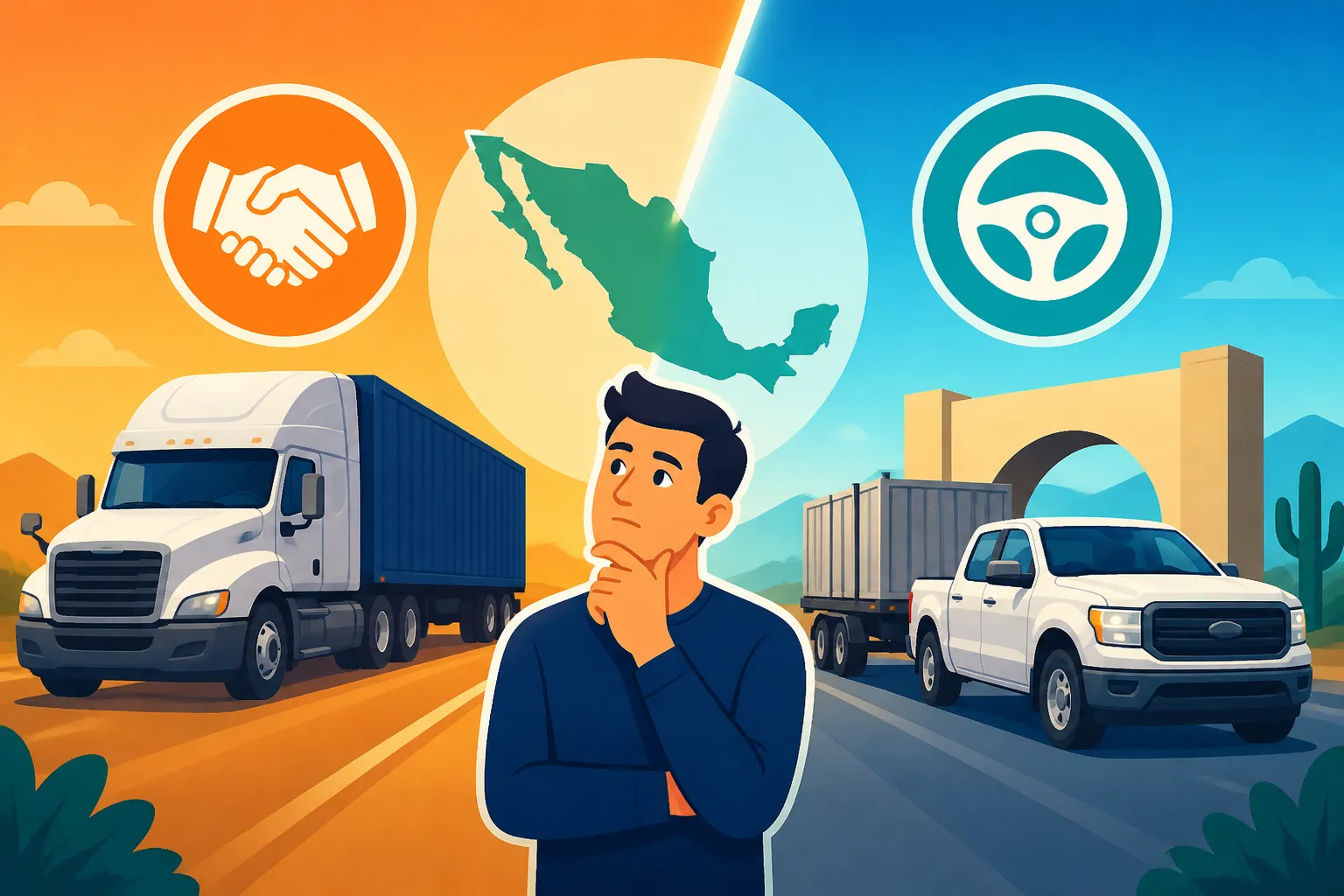
The Great Debate: Shipping Your Stuff vs. Driving It Down
Alright, let's just get it out there: moving internationally is never a walk in the park. But when you’re moving your entire household from the US to Mexico, the sheer logistical challenge of getting your belongings from Point A to Point B can feel like scaling Popocatépetl in flip-flops. Many expats find themselves at a crossroads: do I entrust my precious cargo to a professional moving company and embrace freight shipping, or do I pack up the U-Haul, rally the troops, and hit the highway myself? Both have their fervent supporters and their cautionary tales, and your personal circumstances will heavily dictate which path is less fraught with peril.
Weighing the Pros and Cons of Each Approach
There’s no one-size-fits-all answer here, which, I know, isn’t what you want to hear when you’re already swamped with paperwork. But seriously, take a deep breath. Let’s look at the basic trade-offs.
Freight Shipping:
- Pros: Less physical labor for you, insurance options for your goods, often includes packing services, handled by professionals who (hopefully) know the customs ropes. Ideal for large volumes of household goods, fragile items, and those who want a "hands-off" approach. It's often the go-to for many who decide to ship their belongings to their new home.
- Cons: Can be significantly more expensive, especially for smaller loads. You’re at the mercy of shipping schedules and potential delays. You lose direct control over your possessions during transit, which can be anxiety-inducing. Finding a reliable mover can be a challenge, but services like Sirelo specialize in connecting you with vetted international moving companies, taking a huge chunk of that stress away.
Driving Your Load Down:
- Pros: Direct control over your belongings, often perceived as cheaper (though this isn't always true once you factor everything in), you can bring more "stuff" that might not be cost-effective to ship, and it can be part of an epic road trip adventure.
- Cons: Exhausting, potentially dangerous depending on your route and experience, requires significant planning for vehicle permits and border crossings. You’re personally responsible for all the paperwork and physical labor. Vehicle wear and tear, fuel costs, and potential unexpected expenses can quickly add up.
The decision often boils down to budget, time, patience, and the sheer volume and nature of what you’re moving. Are you bringing antique furniture and a grand piano, or just a few boxes of sentimental items and your favorite coffee maker?
Identifying Your Moving Priorities
Before you even start looking at quotes or mapping routes, sit down and honestly assess your priorities. What's most important to you during this transition?
- Cost-Effectiveness: Is saving every penny your absolute top priority, even if it means more work and risk?
- Convenience and Stress Reduction: Are you willing to pay a premium to have professionals handle the logistics and heavy lifting, minimizing your personal stress?
- Speed: Do you need your items to arrive by a specific date, or is a flexible timeline acceptable?
- Safety and Security of Belongings: How important is it that your items are insured and handled with expert care? What irreplaceable items are you bringing?
- Personal Control: Do you feel better knowing your possessions are with you every mile of the journey, or are you comfortable letting a company manage it?
- Type of Items: Are you moving a few boxes, or an entire houseful of furniture, appliances, and even a car? Remember that bringing appliances from home vs buying in Mexico is another choice to consider.
Once you have a clear picture of what matters most to you, the path forward usually starts to become a bit clearer. If convenience and peace of mind are high on your list, a reputable freight company found through a platform like Sirelo might be your best bet. If adventure and maximum control call to you, then buckle up for the drive!
Understanding Professional Freight Shipping to Mexico
So, you’ve decided that wrestling a U-Haul through customs and potentially a few hundred miles of Mexican highway isn't your idea of a fun initiation to expat life. Good call for many! Professional freight shipping, when done right, can be a smoother, albeit often pricier, route. It involves hiring an international moving company to pack, load, transport, and often assist with the customs clearance of your household goods.
Choosing the Right International Moving Company
This is perhaps the most critical step when opting for freight shipping. A good company can make your move seamless; a bad one can turn it into an absolute nightmare. Don't rush this!
- Do Your Homework: Start by looking for companies with extensive experience moving goods to Mexico. They should understand the specific customs regulations, paperwork, and logistics involved. Check reviews on independent platforms.
- Get Multiple Quotes: Never, ever go with the first quote you receive. Reach out to at least three to five different companies. This helps you compare pricing, services included, and get a feel for their customer service. This is where a service like Sirelo really shines; it simplifies this process by allowing you to submit your move details once and receive multiple quotes from pre-vetted, reliable movers. It’s like having a personal assistant for your moving research.
- Understand the Quote: Don't just look at the bottom line. What's included?
- Packing and Crating: Is professional packing included, or is that extra? For delicate items, proper crating is essential.
- Insurance: What level of insurance is offered? Will it cover full replacement value, or just a basic minimum? Make sure you understand the terms for "all-risk" vs. "total loss" coverage.
- Door-to-Door vs. Port-to-Port: Does the service include pick-up from your current home and delivery to your new address in Mexico, or are there points where you'll need to arrange your own transport?
- Customs Clearance: This is huge. Does the mover assist with or fully handle the customs process, including preparing the necessary documents for your menaje de casa (household goods list)?
- Storage: Do they offer temporary storage if there's a gap between your move-out and move-in dates?
- Ask About Communication: How will you be updated on your shipment's progress? Who is your point of contact if issues arise? Clear communication is paramount when your life's possessions are crossing borders.
Remember, a cheap quote might indicate corners are being cut. Prioritize reliability and transparency over the lowest price.
The Freight Shipping Process: What to Expect
Once you’ve chosen your mover, the process typically unfolds in several stages. Being aware of these can help you manage your expectations and prepare.
- Initial Consultation & Inventory: The moving company will usually send a representative to your home to assess the volume of your belongings. They’ll create a detailed inventory, which is crucial for both the quote and customs declaration. Be meticulous and ensure everything you plan to ship is on this list.
- Packing and Loading: Professional packers will carefully box your items, often using specialized materials for fragile goods. They’ll label everything and load it onto the transport vehicle. If you opt for self-packing, ensure your boxes are sturdy and clearly labeled.
- Transit to Port/Terminal: Your belongings will be transported to a port (if shipping by sea) or a ground terminal (if by truck). Shipping by sea can take several weeks, while overland trucking is typically faster but may depend on the distance.
- Customs Clearance in Mexico: This is where your menaje de casa (household goods list) comes into play. Your chosen mover, especially if they have good connections in Mexico or are recommended by a service like Sirelo, should guide you through preparing this document and other necessary paperwork. You'll need to be present or designate a representative for this stage. This process involves proving you're moving your household goods, not commercial items, and often requires your Mexican residency documents. Getting a CURP as a foreigner, for example, is essential for many administrative processes, including this one.
- Delivery to Your New Home: Once cleared through customs, your items will be delivered to your new address. Many services include unpacking and basic reassembly of furniture. Inspect everything carefully upon arrival and note any damage before the movers leave.
Throughout this process, open communication with your moving company is key. Don't hesitate to ask questions, especially if anything seems unclear or delayed.
Taking the Wheel: Driving Your Belongings Across the Border
For those with a sense of adventure, a tighter budget, or a desire for maximum control, driving your household goods from the US to Mexico can be a viable option. It’s not for the faint of heart, but with careful planning, it can be a rewarding (and sometimes more economical) experience.
Planning Your Route and Vehicle Preparations
This isn't just a casual road trip to Cancún. You're moving your entire life, so preparation needs to be on point.
- Vehicle Choice: Are you using your personal car, an SUV, or renting a U-Haul or similar moving truck?
- Personal Vehicle: Great for smaller loads. You’ll need a Temporary Import Permit (TIP) for your car, which you obtain at the border or online beforehand. Learn more about the Temporary Import Permit (TIP) for Cars: What Residents Should Know to avoid issues.
- Moving Truck (U-Haul, Penske, etc.): This is trickier. US rental companies generally do not allow their vehicles to cross the Mexican border. You might need to transfer your goods to a Mexican rental truck on the border, which adds considerable cost and complexity. This often means hiring a local freight forwarder at the border to manage the transfer and Mexican customs process for the goods, even if you’re driving your personal car.
- Route Planning: Research your route meticulously. Stick to major highways (cuotas) as much as possible, especially if you're unfamiliar with driving in Mexico. These are generally safer and better maintained than free roads (libres). Consider avoiding driving at night, especially in rural areas. Factor in gas stops, rest areas, and potential overnight stays in secure locations. For a deeper dive into road types, check out Driving in Mexico: Toll Roads (Cuotas) vs Free Roads (Libres).
- Vehicle Maintenance: Get a full vehicle inspection before you leave. Ensure tires are good (and you have a spare), brakes are solid, fluids are topped off, and all lights are working. Breakdowns in unfamiliar territory are no fun.
- Packing for the Road: Pack smart. Keep essential documents, a change of clothes, and toiletries easily accessible. Secure your load properly to prevent shifting, which can damage items and be a safety hazard. Don't forget a basic emergency kit and a small amount of Mexican pesos for tolls and incidentals.
Border Crossing Protocols for Personal Vehicles and Goods
Crossing the border with a vehicle packed with household goods requires patience and all your documentation in order.
- FMM (Forma Migratoria Múltiple): You'll need to obtain this tourist card for yourself and any passengers if you don't already have a Mexican residency visa. If you have your residency visa already, you can skip the FMM, but ensure your residency card is valid.
- Temporary Import Permit (TIP) for Your Vehicle: This is mandatory for foreign-plated vehicles entering Mexico beyond the border zone. You’ll need your passport, vehicle title/registration, driver's license, and a credit card for the deposit (or cash). This deposit is refundable when you exit Mexico with the vehicle. Failure to get a TIP or overstaying it can lead to serious fines and confiscation of your vehicle.
- Vehicle Insurance: US car insurance typically isn't valid in Mexico. You must purchase Mexican liability insurance. You can get this online before you go or at agencies near the border.
- Menaje de Casa (Household Goods Declaration): This is your official list of household items. For residents, this is crucial for importing your goods duty-free. You typically obtain this at a Mexican Consulate in the US before you leave. Without it, you could face significant duties on your belongings. This is an official, notarized document listing everything you're bringing. It’s proof that these are personal effects, not commercial goods for resale.
- Declare Everything: Be honest and declare all your goods. Don't try to smuggle anything. Customs officials are thorough. Know the rules on bringing prescription medications from home: Rules and Tips for Expats to avoid issues.
The border process can take anywhere from a couple of hours to half a day, depending on the crossing point, time of day, and the thoroughness of the officials. Be polite, patient, and have all your documents organized.
Navigating Mexican Customs: The Bureaucratic Gauntlet
Regardless of whether you ship your items or drive them down, Mexican customs is where many expats encounter their biggest headaches. It's a system that, to put it mildly, requires patience, precise documentation, and a deep understanding of its nuances. Or, failing that, a really good agent.
The Menaje de Casa: Your Golden Ticket
The menaje de casa, or household goods list, is absolutely central to importing your belongings duty-free as a foreign resident in Mexico. Without it, you're essentially attempting to import random items, which can incur hefty taxes.
- Obtaining It: You apply for your menaje de casa at a Mexican Consulate in the US (or your home country) before you physically move your items. This typically requires:
- Your valid residency visa (Temporary or Permanent).
- Proof of residence in your home country (utility bills, lease agreements).
- A detailed, itemized inventory of everything you plan to bring, including approximate values. This list must be typed, signed, and in Spanish, or a certified translation.
- Your passport and a letter stating your intention to establish residency in Mexico.
- Consular fees.
- The Details Matter: This isn't just a casual packing list. The menaje de casa needs to be as accurate as possible. Customs officials will compare this list to what you're actually importing. If there are discrepancies, you might face delays, fines, or even confiscation of items. Don't include items you won't bring, and don't omit anything significant. It's truly a bureaucratic gauntlet, so attention to detail is paramount.
- Time Limit: Once issued, the menaje de casa usually has a limited validity (e.g., six months) for you to import your goods. Don't let it expire!
If you’re hiring a mover, especially one found through a reputable platform like Sirelo, they should be well-versed in this process and can guide you. However, you are ultimately responsible for preparing this document correctly.
Restricted and Prohibited Items: What You Can't Bring
Just like any country, Mexico has strict rules about what can and cannot enter. Ignorance is definitely not bliss here; it's a fast track to problems at customs.
- Firearms and Ammunition: Absolutely prohibited for foreigners without specific military or diplomatic permits. Do not even think about bringing these.
- Illegal Drugs: Obvious, but worth reiterating.
- Certain Agricultural Products: Fresh fruits, vegetables, meat, and dairy products are often restricted to prevent the introduction of pests or diseases. Processed, commercially packaged foods are usually fine, but be prepared for scrutiny.
- Excessive Quantities of Alcohol or Tobacco: Personal consumption amounts are generally allowed, but large quantities will be taxed or seized as they suggest commercial intent.
- Used Clothing in Commercial Quantities: Again, personal use is fine, but if you show up with 20 bales of used clothes, customs will assume you're planning to sell them and levy high duties.
- Motorcycles and Vehicles (without proper import process): While you can get a TIP for your personal car, importing additional vehicles or even motorcycles as "household goods" requires a separate, complex and often expensive nationalization process. This is covered in more detail in How Much Does It Cost to Import or Nationalize a Car in Mexico?. This is a very common mistake expats make.
- Medications: While bringing prescription medications from home: Rules and Tips for Expats is possible for personal use, large quantities or certain controlled substances may require a doctor's note and the prescription itself. Check specific regulations for your medications.
- Cultural Artifacts: Don't attempt to import anything that could be considered a cultural or historical artifact from another country without explicit permission.
Always check the latest regulations from the Mexican customs (SAT) website or consult with your mover or an immigration lawyer if you have any doubts about specific items. When bringing anything of significant value or any unusual items, it’s always better to be over-prepared with documentation.
Counting the Pesos: A Cost Comparison
Let's talk money, because for most of us, that's the bottom line. The perceived cost difference between freight shipping and driving your load down is often a major factor in the decision-making process. However, the "cheaper" option isn't always what it seems once all hidden expenses are tallied.
Breaking Down Freight Shipping Costs
Freight shipping can initially seem dauntingly expensive, but it offers a fixed price for a comprehensive service.
- Volume/Weight: This is the primary cost driver. Moving companies price based on the cubic footage or weight of your shipment. The more stuff you have, the more it costs.
- Distance and Origin/Destination: Longer distances, especially to more remote areas of Mexico, will increase costs. Likewise, if your origin or destination is hard to access, it could add to the price.
- Services Included:
- Basic Shipping: Just moving the boxes from point A to point B.
- Packing/Unpacking: Professional packing services add to the cost, but can save you immense time and ensure proper handling.
- Insurance: Varies greatly based on coverage level and declared value of goods.
- Customs Brokerage: A reputable mover will often include or facilitate this, but clarify if there are separate fees for the actual customs agent in Mexico.
- Drayage/Port Charges: Fees associated with moving your container or goods within ports or terminals.
- Time of Year: Peak moving seasons can sometimes result in higher prices.
- Additional Fees: Look out for potential charges for difficult access (stairs, long carries), shuttle services if a large truck can't reach your home, or storage fees if you need your items held.
- IVA (Value Added Tax): In Mexico, services often incur a 16% IVA. Confirm if this is included in your quote.
Expect quotes for a full household (2-3 bedrooms) to range from several thousand to over ten thousand US dollars, depending heavily on volume and services. This is why using a platform like Sirelo is so beneficial – you can easily compare detailed quotes from various trusted providers, ensuring you get transparent pricing without hidden surprises.
Estimating the Costs of Driving Your Belongings
Driving your possessions seems like the budget-friendly choice, but the "hidden" costs can quickly add up, often surprising expats.
- Fuel: This is a major expense. Calculate the round-trip mileage from your origin to destination and back (if you plan to drive the vehicle back to the US; again, U.S. rental trucks generally can’t cross into Mexico). Factor in gas prices in both countries and your vehicle's MPG, especially when heavily loaded.
- Tolls (Cuotas): Mexico's toll roads are excellent but not cheap. Factor in several hundred dollars, possibly more, depending on your route. These costs are often overlooked.
- Vehicle Wear and Tear: A long drive, especially with a heavy load, takes a toll on your vehicle. Factor in potential maintenance, oil changes, and tire wear.
- Temporary Import Permit (TIP) Deposit: While refundable, you'll need to front several hundred dollars (e.g., $200-$400 USD depending on the vehicle age and type) as a deposit for your car's TIP. This can be a significant upfront cost.
- Mexican Auto Insurance: Mandatory. A good policy will cost a few hundred dollars for comprehensive coverage for the duration of your trip.
- Food and Lodging: Depending on the distance, you'll need to budget for hotel stays in secure locations and meals for everyone traveling.
- Border Agent Fees/Tips (Mordida): While technically illegal and strongly advised against, some expats report pressure for mordidas (bribes) at the border. Factor in your personal approach to this and the potential for increased delays if you refuse.
- Time Off Work: If this move requires you to take unpaid time off, that's an indirect cost.
- Potential Fines/Delays: Any issues with your menaje de casa or TIP could result in significant fines or lengthy delays, costing you money and valuable time.
- Transfer Fees (if using a U.S. rental truck): If you drive a U-Haul to the border (it can’t cross into Mexico), you'd have to pay a Mexican company to transfer your goods, which is essentially paying for freight at the border plus the rental cost. This scenario almost always makes driving a rental truck economically unsound.
| Cost Category | Freight Shipping | Driving Your Load Down (Personal Vehicle) |
|---|---|---|
| Primary Cost Factor | Volume/Weight of goods | Fuel, tolls, vehicle wear, your time |
| Upfront Cost | Typically higher, but all-inclusive options exist. | Can appear lower, but hidden costs add up. TIP deposit. |
| Labor | Handled by professionals (packing, loading, unloading). Less physical strain on you. | All physical labor is yours (packing, loading, driving, unloading). |
| Insurance | Offered by moving company (varying levels of coverage). | Your personal vehicle insurance likely invalid; need separate Mexican auto insurance. Goods insurance is separate. |
| Customs Clearance | Mover often assists with documentation; may include brokerage fees. Less direct interaction for you. | You are fully responsible for all border paperwork, including menaje de casa and TIP. High personal interaction. |
| Timeframe | Can be slower (weeks for sea freight, days for overland). Fixed schedule. | Faster (days), but dependent on your driving pace and border wait times. Flexible schedule. |
| Vehicle Use | No vehicle required for goods transport. | Your vehicle is heavily utilized and stressed. |
| Required Permits | None for you (mover handles permits for goods). | TIP for vehicle, valid driver's license, Mexican auto insurance. |
| Stress Level | Can be lower once a good company is found; less personal responsibility during transit. | High, due to direct responsibility for goods, navigation, safety, and border bureaucracy. |
| Suitability | Large volumes, valuable/fragile items, limited time/physical ability. | Smaller loads, tight budget (if planned meticulously), desire for control, adventurous spirit. |
Comparing these, you’ll find that the "cheapest" option isn't always obvious. For a large move, professional freight, especially when using a platform like Sirelo to get competitive quotes, often provides better value for money in terms of time saved, stress avoided, and professional handling. For a smaller move with fewer items, driving might indeed save you some money, but at the expense of your personal effort and exposure to potential bureaucratic delays.
Making Your Move Decision: Practical Considerations
The choice between freight shipping and driving is deeply personal, influenced by your individual circumstances, finances, and even your personality. There are a few final practical considerations that can help tip the scales.
When Freight Shipping is Your Best Bet
Opting for professional freight shipping often makes the most sense in several scenarios, particularly if you prioritize peace of mind and efficiency over the lowest possible upfront cost.
- Large Volume of Belongings: If you're moving a substantial household – multiple rooms of furniture, appliances, an extensive library, or delicate art pieces – freight shipping is almost always the more practical choice. The sheer logistics of packing, loading, and safely transporting such a volume yourself are immense. For this, finding a reliable international moving company through a service like Sirelo becomes invaluable, ensuring your entire household is handled with care.
- Valuable or Fragile Items: Do you have antiques, heirlooms, or expensive electronics? Professional movers offer specialized packing, crating, and robust insurance options that are nearly impossible to replicate yourself. The cost of replacing a treasured item far outweighs the shipping fee.
- Limited Time or Physical Ability: Moving is physically demanding. If you have a tight schedule, physical limitations, or simply don't want to spend weeks packing and heavy lifting, a full-service mover is a godsend. They take care of everything from door to door.
- Unfamiliarity with Mexican Roads and Logistics: If you're not comfortable driving long distances in a foreign country, navigating tolls, or dealing with potential roadside issues, handing over the driving reins to professionals is wise.
- Preference for Peace of Mind: Many expats are willing to pay more for the security of knowing their belongings are being handled by experienced professionals, minimizing their personal stress during an already stressful transition.
- Need for Temporary Storage: If there's a gap between when you move out of your old place and into your new one in Mexico, many international movers offer storage solutions, which can be a huge convenience. This can be especially helpful if you're still sorting out your Renting a Home in Mexico: Complete Expat Guide to Leases, Deposits, and More.
When Driving Down Might Be Feasible
Driving your possessions into Mexico can be a genuinely cost-effective and empowering experience for the right person and situation.
- Minimal Belongings: If you're essentially moving with just personal effects, clothes, and perhaps a few small pieces of furniture that fit comfortably and securely in your personal vehicle, driving yourself is often the most economical. Think of it more as an extended road trip with extra luggage.
- Strict Budget: If your budget is extremely tight and you have the time, energy, and patience to manage all the logistics yourself, driving might save you money on direct shipping costs. However, remember all those hidden costs we discussed earlier! Always calculate them meticulously before deciding. You can find more financial insights in the Cost of Living in Mexico: 2026 Comprehensive Guide.
- Desire for an Adventure and Control: For some, the journey itself is part of the experience. Driving allows you direct control over your items, your schedule, and your route, offering a sense of accomplishment. You can make it part of your initial exploration of the country.
- Comfort with Bureaucracy: You need to be genuinely comfortable dealing with paperwork, border officials, and potential delays. Having your Do You Need an RFC Number? Why a Tax ID Matters for Expats' Finances and understanding other essential IDs like your CURP will certainly help you navigate the process. If dealing with bureaucracy in Mexico: Tips for Handling Paperwork and Appointments makes your skin crawl, rethink this option.
- Bringing a Pet: If you're traveling with pets, driving allows them to stay with you and can be less stressful than air freight for animals. Remember to research Bringing Pets to Mexico: Import Requirements and Pet Care Tips.
- Already Owning a Suitable Vehicle: If you already have a reliable, well-maintained personal vehicle that can handle the load, it eliminates the complication of trying to rent a truck that can cross the border. This ties into the larger question of Bringing Your Car vs Buying in Mexico: Pros and Cons for Expats.
Ultimately, the choice comes down to a careful weighing of financial implications, personal comfort, the value and volume of your possessions, and your tolerance for stress and bureaucratic hurdles. For many expats making a full-scale move, the investment in a reputable international moving service, easily found and compared through platforms like Sirelo, is often seen as money well spent for the peace of mind it provides. After all, the goal is to start your new life in Mexico with as little moving-day stress as possible, so you can focus on setting up your Home Utilities in Mexico: Setting Up Electricity, Water, Gas, and Internet and enjoying your new adventure.
Disclaimer
The information provided in this guide is intended for general informational purposes only and does not constitute legal, financial, or immigration advice. Regulations and requirements for moving to Mexico, including customs procedures, vehicle import rules, and residency requirements, are subject to change by Mexican authorities. Expats should always consult with qualified professionals, such as immigration lawyers, customs brokers, or international moving specialists like those found on Sirelo, for personalized advice based on their specific situation and the most current laws. We recommend verifying all information with official government sources and professionals before making any decisions related to your move.