How to Travel Mexico With a Baby or Toddler
Oh, the thought of traveling to a vibrant, bustling country like Mexico with a tiny human in tow can feel incredibly daunting, can't it? The sheer logistics, the "what ifs," the fear of cultural misunderstandings – it's enough to make any parent consider just staying home. But trust me, as someone who's navigated Mexico with everything from car seats to sippy cups, it's not only possible but can be a truly rewarding experience for the whole family. This guide is here to walk you through every practical step, from packing the right gear to dealing with unexpected tummy troubles, ensuring your adventure south of the border is as smooth and enjoyable as possible.
Disclosure: This post may contain affiliate links. We may earn a commission at no extra cost to you if you make a purchase through these links. Read full disclosure.
Pre-Trip Planning and Packing Essentials for Little Explorers
Before you even think about packing that adorable little sombrero, there's some serious groundwork to lay. Traveling with a baby or toddler in Mexico requires a bit more foresight than your typical backpacker's jaunt, but with the right preparation, you'll feel much more confident when those inevitable curveballs come flying.
Documents and Safety First: Your Expat Parent Checklist
First things first, let's talk about paperwork. It might seem obvious, but double-checking all your family's travel documents is non-negotiable. Every member of your family, including your littlest one, needs a valid passport. For babies, this often means applying for one shortly after birth, so don't leave it to the last minute! While Mexican immigration typically won't ask for a birth certificate for your infant, it's always wise to carry copies, especially if you have a different last name from your child or are traveling as a single parent, to avoid any potential misunderstandings. Better safe than sorry when dealing with bureaucracy, right?
Beyond the basics, think about your "what if" scenarios. Compile a list of emergency contacts, both in Mexico and back home. Have your pediatrician's contact information handy, and perhaps even a quick note about your child's medical history, allergies, or any chronic conditions. This is where Medical Emergencies in Mexico: What Expats Should Know and Prepare becomes an invaluable resource. Knowing who to call and what to say, even with a language barrier, can make all the difference in a stressful situation.
And on the topic of "what if," let's talk insurance. Your regular health insurance from back home probably won't cut it, or at least not fully. Invest in good travel insurance that specifically covers medical emergencies, including emergency evacuation, for your entire family. Seriously, this isn't an area to cut corners, especially with unpredictable toddlers. Many expat families also opt for comprehensive local health insurance once they're established, but for a short-term trip, dedicated travel insurance is paramount. For more on this, check out Travel Insurance vs Local Insurance: Do Expats Need Both?.
Finally, while Mexico is generally safe for tourists, common sense goes a long way. Always be aware of your surroundings, especially in crowded areas. Avoid walking alone at night in unfamiliar neighborhoods, and try to keep valuables out of sight. Trust your gut – if a situation feels off, remove yourself and your little ones from it.
Packing Smart for Little Ones: Less is More, But Don't Skimp on Essentials
Packing for yourself is one thing; packing for a baby or toddler feels like preparing for a small invasion. The key here is balance: you want to be prepared without lugging a year's supply of everything.
Diapers and Wipes: While you can absolutely buy diapers and wipes in Mexico (brands like Huggies, Pampers, and local options like KleenBebé are widely available in supermarkets like Mega Comercial Mexicana, Soriana, or Walmart), it's always smart to bring a starter pack for the first few days. Sizing might differ slightly, and finding your preferred brand immediately can save you a headache.
Formula and Baby Food: This is a big one. If your baby is on a specific formula, bring enough for your entire trip, plus a little extra, because finding an exact match might be tricky. For baby food, commercial purees are available in larger supermarkets, but the selection might not be as vast as you're used to. Many expat parents opt for making their own or relying on easily mashable fresh fruits and vegetables. When preparing formula, always use purified bottled water, never tap water. Read more on Is Tap Water Safe to Drink in Mexico? for detailed water safety guidelines.
Medications: A well-stocked mini-pharmacy for your little one is crucial. Think fever reducer (acetaminophen or ibuprofen), oral rehydration salts (essential for battling any potential tummy bugs), a thermometer, anti-diarrhea medication (consult your pediatrician!), antiseptic wipes, band-aids, and any prescription medications your child needs. Carry a doctor's note for prescription meds. You'll find many common over-the-counter medications at local pharmacies, but having your preferred brands on hand is a relief. Pharmacies in Mexico: How to Get Medications (OTC vs Prescription) can give you a better idea of what to expect.
Sun Protection: Mexico's sun is no joke! Pack wide-brimmed hats, rash guards, and reef-safe sunscreen with a high SPF. Even on cloudy days, UV rays are intense. Keep babies under six months out of direct sunlight entirely.
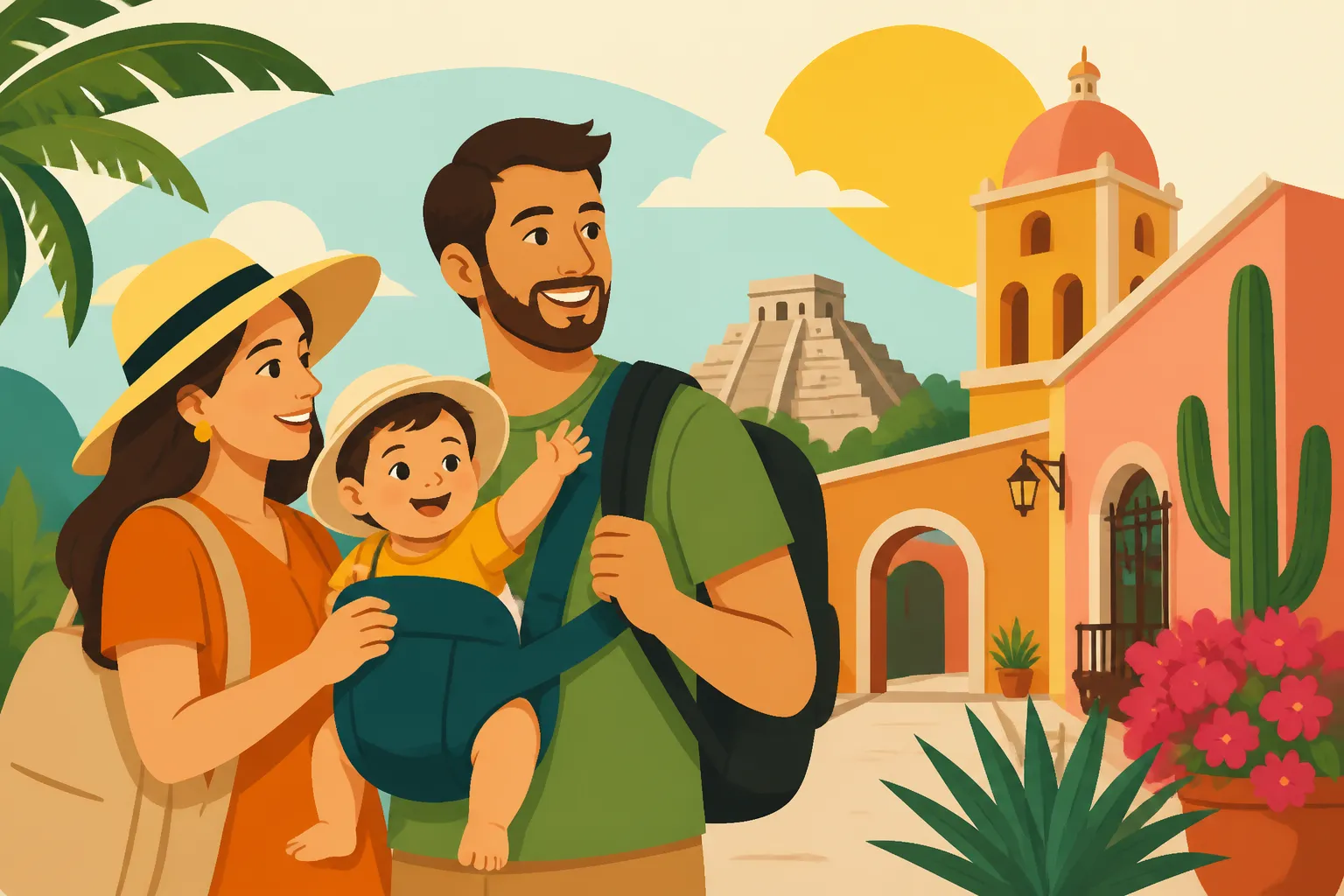
Strollers vs. Baby Carriers: This really depends on your destination and activity level. For city exploring or smooth resort paths, a lightweight, umbrella stroller is great. But if you're venturing to cobblestone streets, archaeological sites, or beaches, a sturdy baby carrier (front or back) will be your best friend. Many expat parents find a combination of both ideal.
Comfort Items: Don't forget their favorite stuffed animal, blanket, or book. Familiar items can provide immense comfort and make new environments less overwhelming.
Choosing Kid-Friendly Destinations and Accommodation
Mexico is huge and diverse, so picking the right spot for your family is key. Some destinations are inherently more kid-friendly due to infrastructure and activities.
For instance, places like Cancún, Playa del Carmen, Puerto Vallarta, and Los Cabos are geared towards tourism and often have resorts with kids' clubs, pools, and easy beach access. They also tend to have better access to purified water, medical services, and familiar grocery items.
If you're looking for culture, Mexico City offers incredible museums (many with dedicated children's sections), parks, and wide sidewalks, but navigating its sheer size and traffic can be a challenge with little ones. Mérida is another fantastic colonial city, known for being incredibly safe and family-friendly, with beautiful parks and a slower pace.
When it comes to accommodation, resorts offer convenience with on-site amenities, but can sometimes feel a bit insulated from local culture. Vacation rentals (through platforms like Booking.com or Airbnb) often provide more space, a kitchen for preparing meals (a lifesaver with picky eaters or specific dietary needs), and a more "local" experience. When booking, always confirm if cribs or high chairs are available, or if the property is truly child-proofed. Read reviews carefully from other families.
Navigating Transportation with Small Children Across Mexico
Getting around Mexico can be an adventure in itself, but with a baby or toddler, it requires even more strategic thinking. What might be an easy hop for a solo traveler can become a logistical nightmare with a stroller, diaper bag, and a fussy little one.
Flying Within Mexico: Domestic Airlines and Car Seat Policies
For long distances, domestic flights are often your best bet. Mexico has several reputable airlines, including Aeromexico, Volaris, and VivaAerobus. While often efficient, airline policies regarding infants and children can vary.
Typically, children under two can fly on a parent's lap for free (or for a nominal fee) on domestic flights, but this means no dedicated seat for your little one. If you want them in their own seat, you'll need to purchase a ticket and ensure your car seat is FAA-approved (if flying from the US/Canada) and fits the airline's dimensions. Always check with your specific airline well in advance about their car seat policies and whether you need to reserve a specific type of seat for it.
Strollers can usually be gate-checked for free, which is incredibly convenient for navigating large airports. Some airlines allow a small diaper bag as an additional carry-on item for free, but again, verify this before you fly. Remember, domestic flights are often colder than expected, so pack a light blanket or sweater for your child. For more details on flying, see Domestic Flights in Mexico: Airlines and Booking Tips.
Buses, Taxis, and Ride-Shares: Practicalities and Car Seat Conundrums
For inter-city travel, Mexico's bus system is surprisingly excellent, especially the first-class lines like ADO, ETN, and Primera Plus. These buses are comfortable, often have reclining seats, air conditioning, and even onboard restrooms. They're a good option for longer trips, as they provide more space than a car. The main drawback? You won't find car seats on buses, so your child will need to sit on your lap or in their own seatbelted seat. You can easily book bus tickets online via platforms like Busbud or directly on the bus company's website.
Within cities, taxis, Uber, and Didi are plentiful. The major challenge here is car seats. It is extremely rare to find a taxi or ride-share vehicle with a car seat in Mexico. This is a significant safety consideration for many parents. While children are not legally required to be in a car seat in taxis or ride-shares, many parents choose to use a baby carrier or simply hold their child, which is not ideal for safety. If you're staying in one city and plan on using ride-shares extensively, consider bringing a lightweight travel car seat or a ride-share-friendly restraint. For more on navigating local transport, refer to Taxis, Uber, and Ride-Hailing in Mexico.
Renting a Car and Car Seat Logistics
Renting a car offers the most flexibility, especially if you plan to explore rural areas or make multiple stops. However, it comes with its own set of considerations.
Car Seat Availability from Rental Companies: While major international rental companies (like Hertz, Avis, Enterprise) may offer car seats, their availability is often limited, they can be expensive, and the quality/cleanliness might not be up to your standards. It is absolutely crucial to reserve one far in advance and confirm closer to your pick-up date. Don't assume one will be available.
Bringing Your Own Car Seat: Many expat parents, myself included, prefer to bring their own car seat from home. This ensures you have a seat you trust and know how to install correctly. Most airlines allow you to check a car seat for free, or you can use it on the plane if you've purchased a seat for your child. Just remember that Mexican roads and driving styles can be… lively, so ensuring your child is securely fastened is paramount.
Legal Requirements: While car seat laws exist in Mexico, enforcement can be inconsistent, especially outside major cities. However, for your child's safety, it's best practice to always use one. For detailed information on vehicle rentals and insurance, check out Renting a Car in Mexico: Insurance and Driving Tips. Ultimately, whether you fly, bus, or drive, the goal is to make the journey as safe and comfortable as possible for your little ones. For a general overview, Getting Around Mexico: Buses, Flights, and Car Hire is a great starting point.
Daily Life, Health, and Keeping Them Happy: Living the Mexican Adventure
So, you've arrived, unpacked, and navigated the first few transport hurdles. Now for the day-to-day realities of keeping your baby or toddler healthy, happy, and thriving amidst the vibrant chaos of Mexico.
Food and Water Safety for Babies and Toddlers: A Vigilant Approach
This is probably one of the biggest concerns for parents traveling to Mexico, and for good reason. "Montezuma's Revenge" isn't a myth, and little tummies are even more susceptible.
Water is Key: Assume all tap water is unsafe for drinking or mixing formula. Period. Always use purified bottled water, even for brushing teeth if your child tends to swallow water. In many homes and hotels, large 20-liter garrafones (water jugs) are readily available.
Food Choices:
- Breastfeeding: This is the easiest and safest option! Breastfeeding is culturally accepted and common in Mexico, so you should feel comfortable doing so discreetly in public.
- Formula: As mentioned, use bottled water. Clean bottles thoroughly with purified water, or consider bringing sterilizing tablets or a small travel sterilizer.
- Solid Foods: Be incredibly vigilant. Peel all fruits and vegetables. Avoid raw salads or unpasteurized dairy products from street vendors. Stick to well-cooked foods. While delicious, street food should generally be avoided for babies and toddlers, especially initially. Stick to reputable restaurants.
- Rehydration Salts: Carry these. If a tummy bug does hit, preventing dehydration is critical. Products like Electrolit or Pedialyte are available at pharmacies in Mexico. For more on this, check Traveler’s Diarrhea (Montezuma’s Revenge): Prevention and Treatment.
Healthcare and Emergencies: Knowing Your Options
Despite all precautions, kids get sick. It's just a fact of life, especially in a new environment. Knowing your healthcare options beforehand will bring immense peace of mind.
Finding a Pediatrician: In larger cities and expat hubs, you'll find excellent, often English-speaking pediatricians. Ask local expat groups for recommendations. Many private hospitals (like Hospital Ángeles or Médica Sur in Mexico City) have dedicated pediatric departments. You might not need a referral to see a specialist, but it's always good practice to have a general pediatrician as your first point of contact. Pediatric Care in Mexico: Healthcare for Expat Children is a detailed guide for this.
What to Do in an Emergency: For serious emergencies, call 911 (or use local emergency numbers if you're in a specific area with its own system, like the Red Cross, Cruz Roja). Private hospitals generally offer higher quality care and have more English-speaking staff than public ones. Your travel insurance should cover these situations, but be prepared that some private hospitals may ask for upfront payment before service, especially if your insurance isn't direct-billed.
Pharmacies: Mexican pharmacies are often more accessible than in some other countries. You can often get over-the-counter medications and even some antibiotics directly from the pharmacist, though a doctor's prescription is increasingly required for many meds. Always double-check dosage instructions, as they might differ from what you're used to.
Keeping Them Entertained and Comfortable: Embrace the Pace
Mexican culture is very family-oriented, and children are generally adored. You'll find that people are often incredibly patient and welcoming towards families with little ones.
Parks and Playgrounds: Mexico boasts many beautiful parks, even in its biggest cities. These are fantastic for letting toddlers burn off energy. Look for local parques or plazas where children often play in the evenings. Many beaches offer endless entertainment, but prioritize shaded areas and frequent breaks from the sun.
Hydration and Shade: Always carry water for yourself and your children. Dehydration can creep up quickly. Seek shade whenever possible, especially during the peak sun hours of 11 AM to 3 PM. Even on cooler days, the sun's intensity is high.
Adjusting to the Schedule: Mexican meal times are typically later than in North America or Europe. Lunch, the main meal, is often around 2-4 PM, and dinner can be as late as 8-10 PM. Don't be surprised to see children out and about late in the evening with their families. Embrace a more flexible schedule, or pack snacks to bridge the gaps.
Family-Friendly Activities: Look for attractions that cater to kids. Many museums have interactive exhibits, and places like Xcaret (near Playa del Carmen) or the many cenotes in the Yucatán offer unique family experiences. You can even find specific tours and activities tailored for families on platforms like Viator. Just remember to always prioritize your child's comfort and safety above all else.
Traveling with a baby or toddler in Mexico truly is an experience that will challenge you, but also reward you with incredible memories and a unique perspective on this amazing country. With proper planning, a flexible mindset, and a good dose of patience, you'll be navigating la vida mexicana with your little ones like a seasoned expat in no time!
Family Travel Transportation Options in Mexico
| Mode of Transport | Pros for Families | Cons for Families | Car Seat Availability |
|---|---|---|---|
| Domestic Flights | Fastest for long distances, good for naps, usually allows gate-checking stroller. | Can be stressful during boarding/deplaning, potential delays, limited space if no extra seat. | Varies by airline, typically requires buying a seat for the child, must be FAA/international approved. |
| ADO/Premium Buses | Comfortable, spacious seats, affordable, usually have A/C and restrooms, can bring ample luggage. | No car seats available, longer travel times than flights, frequent stops. | None. Children sit on lap or in own seat (with seatbelt if available and fits). |
| Taxis/Uber/Didi | Convenient for short city trips, on-demand, door-to-door service. | No car seats available, inconsistent vehicle quality, driving style can be aggressive. | Extremely rare. Not a safe option for infants/toddlers unless you bring your own travel car seat. |
| Rental Car | Maximum flexibility, control over schedule, ability to bring/install own car seat. | Can be expensive (especially with insurance), navigation challenges, Mexican driving style, parking. | Limited and often low-quality from rental companies; strongly recommend bringing your own. |
Disclaimer
Please remember that while I strive to provide the most accurate and up-to-date information, rules and regulations in Mexico can change without notice. This guide is for informational purposes only and should not be considered legal, financial, or medical advice. Always consult with official sources, legal professionals, medical experts, or immigration authorities for personalized guidance.