What Mexican Souvenirs Are Worth Buying?
Stepping into a Mexican market, whether it's the sprawling chaos of La Ciudadela in Mexico City or a charming tianguis in a small pueblo, is an assault on the senses. The vibrant colors, the rich smells of spices and leather, the cacophony of vendors – it’s exhilarating! But amidst all that beautiful chaos, you might find yourself wondering: "Is this actually authentic? Is it good quality? Or am I just buying another mass-produced magnet that will end up in a drawer?" We've all been there, and it's frustrating to want to bring home a piece of Mexico's soul, only to feel overwhelmed by the sheer volume of options. This guide is here to help you navigate the vibrant world of Mexican souvenirs, pointing you towards the treasures truly worth buying and cherishing.
Disclosure: This post may contain affiliate links. We may earn a commission at no extra cost to you if you make a purchase through these links. Read full disclosure.
Beyond the Kitsch: Discovering Authentic Mexican Treasures
When you're looking for a souvenir, you want something that speaks to Mexico's rich history, diverse cultures, and incredible artistry. Forget the flimsy sombreros and "I ❤️ Mexico" shot glasses – those are fun for a laugh, but they don't capture the true essence of this magnificent country. Instead, seek out items that reflect generations of craftsmanship, local traditions, and the soul of the artisans who create them.
Textiles: Woven Stories of Tradition
Mexican textiles are not just pretty fabrics; they are living histories, telling tales through intricate patterns, vibrant colors, and time-honored techniques. The sheer diversity across regions means you could fill a house with textiles and never have two pieces alike.
In the highlands of Chiapas, you'll find stunning hand-embroidered blouses, known as huipiles, and woven fabrics often featuring geometric designs and natural dyes. Each village, sometimes even each family, has its own distinct motifs, passed down from grandmothers to granddaughters. When you buy a huipil from a local cooperative in San Cristóbal de las Casas, you're not just getting a garment; you're investing in a cultural heritage and supporting the indigenous women who keep these traditions alive. Look closely at the stitching – a truly handmade piece will show slight imperfections and variations that a machine-made item simply won't. The deeper the colors, often the more natural the dyes used, though modern synthetic dyes are also beautiful and often more colorfast.
Oaxaca, too, is a mecca for textile lovers, famous for its hand-woven rugs from Teotitlán del Valle. These rugs, often made with wool dyed using natural pigments like cochineal (which produces brilliant reds and purples) and indigo, are masterpieces of design and craftsmanship. Visiting a workshop in Teotitlán, watching the weavers work their ancient looms, and seeing the entire process from carding the wool to the final knot, truly makes you appreciate the hours of labor that go into each piece. These aren't just floor coverings; they're wall hangings, conversation starters, and heirlooms. A high-quality wool rug, well-cared for, can last for decades.
Then there are the rebozos, traditional Mexican shawls that are as versatile as they are beautiful. From the finely woven cotton rebozos used for carrying babies to the intricately embroidered silk versions worn on special occasions, they are a staple of Mexican dress. You can find them across the country, each region offering its own distinct patterns and textures. A genuine rebozo can be a practical and elegant addition to any wardrobe, offering warmth, style, and a touch of Mexican grace. Just be sure to differentiate between the artisan-made beauties and the thinner, factory-produced versions that often flood tourist areas. For authentic pieces, check out specific artisan markets or reputable textile shops.
Pottery and Ceramics: Functional Art for Your Home
Mexican ceramics range from practical kitchenware to elaborate decorative pieces, each telling a story of its regional origin. What might seem like a simple clay pot is often the result of centuries of inherited knowledge and skill.
Perhaps the most recognizable is Talavera pottery from Puebla. Characterized by its intricate blue and white designs (though other colors are also used), Talavera is a protected designation of origin, meaning only pieces made in specific workshops in Puebla using specific traditional methods can bear the official Talavera stamp. Authentic Talavera is fired at high temperatures, making it incredibly durable, and the glazes are lead-free and food-safe. It's not just plates and bowls; you'll find stunning vases, tiles, and decorative figures. Owning a piece of genuine Talavera is like having a piece of living history, a direct link to the Spanish colonial past and indigenous artistic traditions that fused to create it. When shopping, always look for the kiln mark, the artisan's signature, and the DO (Denomination of Origin) certification on the bottom of the piece.
In Oaxaca, you'll encounter the striking barro negro (black clay) pottery, particularly from the village of San Bartolo Coyotepec. This distinctive pottery, polished with quartz stones before firing in a special oven, achieves a lustrous metallic black finish without any glaze. While many pieces are purely decorative, there are also functional barro negro items, though they often require seasoning before use. These pieces feel ancient and modern all at once, their sleek, dark surfaces reflecting light in mesmerizing ways. Taking home a barro negro vase or a set of decorative bowls means bringing a piece of Oaxacan earth and artistry into your home.
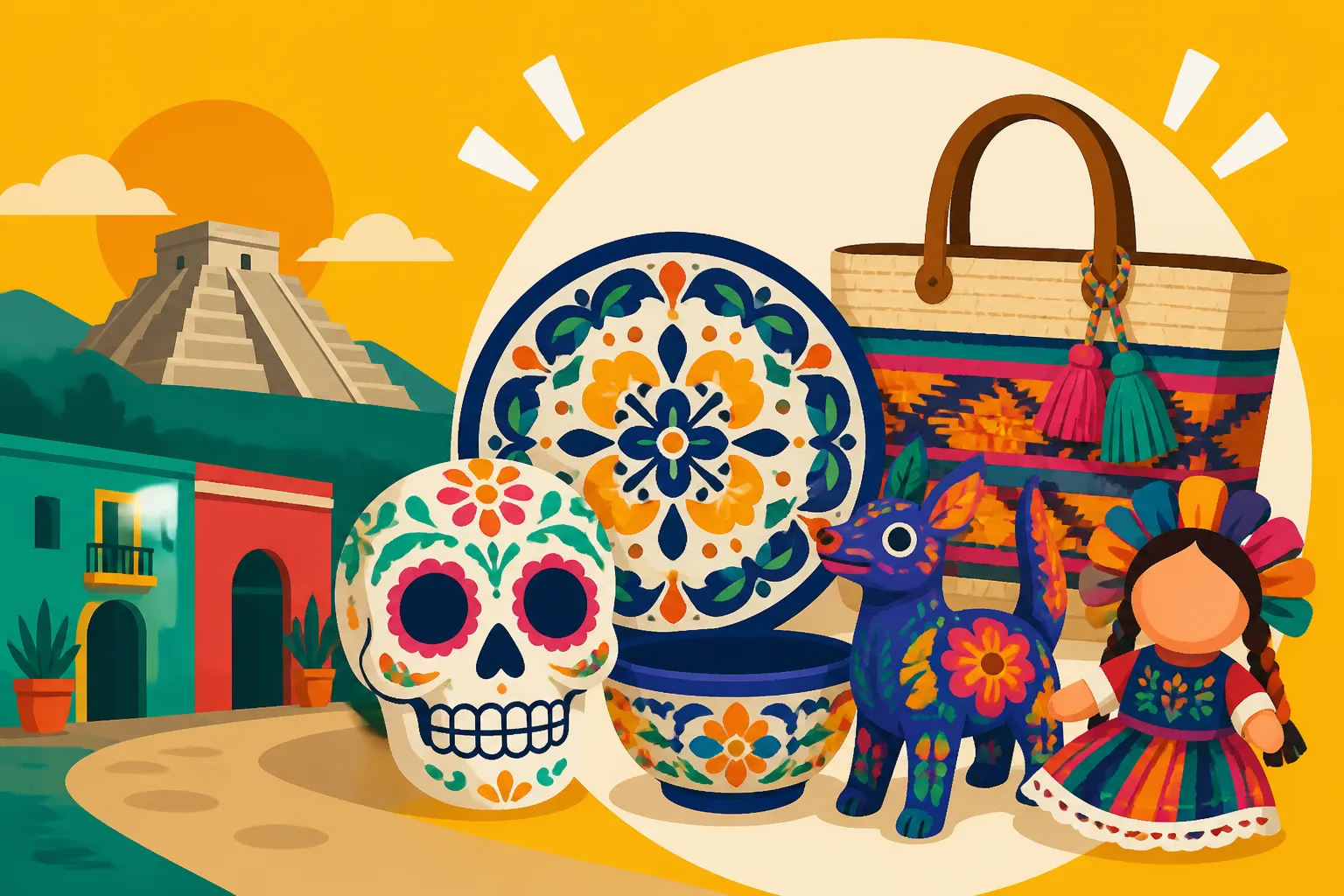
Beyond these two famous styles, don't overlook the vibrant, often whimsical, high-fired ceramics from Jalisco, particularly Tonalá and Tlaquepaque near Guadalajara. Here, you'll find everything from intricately painted dinnerware to charming animal figurines and calaveras (skulls) adorned with flowers. These towns are brimming with artisan workshops, and you can often see the artists at work, painstakingly painting each detail. These ceramics are generally more affordable than Talavera, but no less beautiful, and often boast a more playful, colorful aesthetic that truly captures Mexico’s joyful spirit. When purchasing pottery, especially for food use, always ask if it's lead-free, a crucial detail for health and safety.
Silver Jewelry and Artisan Crafts: Sparkle and Soul
Mexico has a long and storied history with silver, and the town of Taxco in Guerrero is synonymous with it. Nestled in the mountains, Taxco has been a mining town for centuries and boasts some of the finest silversmiths in the world.
When buying silver, particularly in Taxco, look for the .925 stamp, which indicates sterling silver (92.5% pure silver). Anything less is not sterling, and anything more (like .950 or .999) is rarer and more expensive, but also softer. Taxco offers a staggering array of designs, from classic colonial styles to modern, minimalist pieces. You can find everything from delicate earrings to chunky bracelets, elaborate necklaces, and even silver flatware. Visiting the workshops and galleries in Taxco is an experience in itself, allowing you to appreciate the intricate work involved. While you’ll find street vendors, a reputable platería (silversmith shop) will offer better quality assurance and often more unique designs. It’s worth noting that prices for silver in Mexico are often significantly lower than in other parts of the world, making it an excellent investment. You can often find stunning pieces for a fraction of what they would cost back home.
Beyond silver, Mexico is a treasure trove of unique artisan crafts made from a dizzying array of materials. Consider the whimsical alebrijes from Oaxaca, brightly painted wooden creatures that blend real animals with fantastical elements. Each one is hand-carved, often from copal wood, and meticulously painted with intricate patterns, no two ever exactly alike. These aren't just toys; they are folk art, believed to represent spiritual guides and dreams. A genuine alebrije can be identified by its detailed painting, smooth finish, and often, the artist's signature. Many families in Oaxaca have dedicated generations to perfecting this craft, and their passion shines through in every creation.
Other notable crafts include brightly colored tin art, often punched and shaped into mirrors, ornaments, or religious figures, or the intricate papier-mâché creations, from delicate flowers to playful skeleton figures that come alive during Día de Muertos. These pieces, while perhaps less "valuable" in monetary terms than silver, hold immense cultural significance and add a unique, vibrant touch to any home. For a true immersion into the world of Mexican crafts, consider exploring the various regional offerings, which you can often discover through tours booked via platforms like Viator that highlight local artisan workshops.
Savoring Mexico: Edible and Drinkable Souvenirs
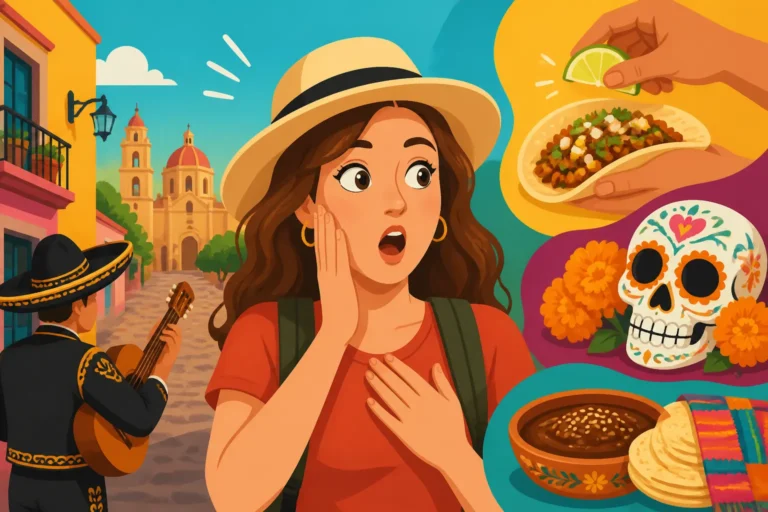
Sometimes, the best souvenir isn't something you display, but something you taste. Mexico's culinary landscape is as rich and diverse as its art, offering a plethora of delicious and authentic edible souvenirs that will transport you back to its vibrant markets and kitchens long after you've returned home.
The Flavors of Mexico: Coffee, Chocolate, and Spices
For many, Mexico instantly conjures images of rich, aromatic coffee. States like Chiapas and Oaxaca are renowned for their high-quality beans, often grown by indigenous communities in high-altitude regions. Buying whole bean coffee from a local roaster or even directly from a producer supports sustainable practices and ensures you're getting a fresh, flavorful product. Look for Arabica beans, often with notes of chocolate, nuts, or citrus. There’s a world of difference between a mass-produced bag from a supermarket and a freshly roasted batch from a small Mexican farm. Many coffee shops in cities like Oaxaca City or San Cristóbal de las Casas will be happy to grind beans for you on the spot, ensuring maximum freshness when you get home. A good bag of Mexican coffee isn't just a drink; it's a morning ritual imbued with the memories of your travels.
Mexican chocolate is another must-have. Traditionally, Mexican chocolate is coarser, often ground with cinnamon, sugar, and sometimes almonds, giving it a distinctive grainy texture and spicy aroma. It’s primarily used for making hot chocolate, a comforting beverage enjoyed across the country. Oaxaca, in particular, is famous for its chocolate, with numerous molinos (mills) where you can see and smell the cacao beans being ground. Buying blocks or disks of Oaxacan chocolate, like those from Mayordomo or La Soledad, means bringing home an authentic taste experience. You can even find chocolate infused with chili, offering a sweet and spicy kick that’s truly unique. This isn't your average candy bar; it's a historical treat, tracing its roots back to ancient Mesoamerican civilizations.
Don't forget the spices! Mexico's cuisine is built on a foundation of vibrant flavors. Vanilla, especially from Veracruz, is incredibly potent and much more affordable than in other countries. Look for whole vanilla beans or pure vanilla extract (avoid the cheap, artificial stuff often sold in tourist traps). Mole paste, a complex sauce made from dozens of ingredients including chilies, nuts, spices, and chocolate, is another fantastic souvenir. You can find ready-made pastes in jars or buy the dry ingredients to blend yourself. This allows you to recreate the rich, deep flavors of a traditional Mexican mole in your own kitchen. For an even deeper dive into Mexican culinary traditions, consider a cooking class or market tour, perhaps arranged through platforms like Viator, where you can discover these ingredients firsthand.
Spirits and Sips: Tequila, Mezcal, and Beyond
When it comes to Mexican spirits, tequila is the undisputed king, but mezcal is rapidly gaining global recognition for its complex, smoky flavors. Both are excellent souvenirs, but knowing what to look for can make all the difference between a touristy bottle and a truly exceptional spirit.
For tequila, remember that it must be made from 100% blue agave in specific regions of Mexico (primarily Jalisco). Look for "100% Agave" on the label. Varieties include Blanco (unaged), Reposado (aged 2-11 months in oak barrels), Añejo (aged 1-3 years), and Extra Añejo (aged over 3 years). While the tourist-trap bottles might be cheap, investing in a reputable brand like Don Julio, Casa Dragones, Clase Azul, or a high-quality local distillery's offering is well worth it. Exploring the Tequila region near Guadalajara, you can even visit distilleries and taste directly from the source. The experience of buying a bottle directly from a hacienda makes it a much more meaningful souvenir.
Mezcal, often described as tequila's wilder cousin, can be made from over 30 varieties of agave, and its distinct smoky flavor comes from the agave piñas being roasted in earthen pits before distillation. Oaxaca is the heartland of mezcal, and here you can visit palenques (small, artisanal distilleries) to learn about the traditional production methods. Look for bottles labeled "100% Agave" and explore the different agave varieties (Espadín is common, but Tobalá, Cuishe, and Tepeztate offer unique flavor profiles). Brands like Unión, Montelobos, or smaller, artisanal producers offer incredible depth. Just like with wine or whiskey, a good mezcal is a journey for the palate, and a bottle brought back from Oaxaca can be a fantastic way to relive your trip with friends. Be wary of unlabelled or poorly labelled bottles sold on the side of the road; while some might be excellent, it's safer to buy from established shops or palenques with good reputations.
Beyond these two giants, Mexico offers other unique spirits. Raicilla, often called "Mexican moonshine," is a lesser-known agave spirit from Jalisco, typically with a fruitier, lighter profile than mezcal. Sotol, from northern Mexico, is made from the desert spoon plant, offering earthy and herbaceous notes. These more obscure spirits can be fantastic, adventurous souvenirs for the connoisseur, often found in specialty liquor stores or directly from small-batch producers. Remember to check your home country's customs regulations for alcohol limits before purchasing.
Navigating the Shopping Experience
Finding the perfect souvenir isn't just about knowing what to buy, but where and how to buy it. The shopping experience in Mexico can be an adventure in itself, but a little preparation can ensure you come home with treasures, not regrets.
Where to Shop: Markets, Boutiques, and Workshops
Mexico offers a diverse range of shopping venues, each with its own charm and selection. Understanding these options will help you target the best places for the specific items you're seeking.
Local Markets (Mercados and Tianguis): These are the beating heart of Mexican commerce and culture. Permanent indoor markets (mercados) like Mercado de Artesanías La Ciudadela in Mexico City or Mercado Benito Juárez in Oaxaca are fantastic for browsing a wide array of crafts, from textiles to pottery to leather goods. You'll find a lively atmosphere, and often, better prices than in tourist-focused shops. Tianguis are open-air street markets, often held on specific days of the week, and offer a more traditional, local experience. Here, you'll find everything from fresh produce to clothing, household items, and, of course, artisan crafts. For an authentic experience, head to a tianguis in a smaller town or a less touristy part of a major city. You might need some basic Spanish to navigate these, but the rewards are often unique finds and a real connection to local life. For those traveling between cities to seek out specific crafts, checking Busbud for inter-city bus schedules can be a convenient way to reach these regional market centers efficiently and affordably.
Artisan Cooperatives and Workshops: For the highest quality and most ethical purchases, seek out artisan cooperatives or direct workshops. Many indigenous communities have established co-ops that ensure fair wages for their members. In places like San Cristóbal de las Casas (Chiapas) for textiles, Teotitlán del Valle (Oaxaca) for rugs, or the villages surrounding Puebla for Talavera, you can visit the workshops directly. This not only allows you to see the creation process firsthand but also ensures your money goes directly to the artisans and their communities. These places often have fixed prices, but the quality and authenticity are usually unparalleled. A great way to find these hidden gems is by asking local expat residents or searching for recommended artisan tours.
Specialized Boutiques and Galleries: In more touristy areas and larger cities, you'll find elegant boutiques and art galleries. These often curate high-quality, contemporary Mexican art and design, sometimes featuring unique twists on traditional crafts. While prices here will be higher, the items are often museum-quality, and the shopping experience is more curated and less chaotic. These stores are excellent for finding unique, investment-grade pieces that might be too delicate or valuable for a bustling market. Many will also offer shipping services, which can be invaluable for larger or more fragile purchases.
The Art of Negotiation and Ethical Buying
Haggling is a time-honored tradition in Mexican markets, but it’s an art, not a battle. Knowing when and how to negotiate is key to a positive experience.
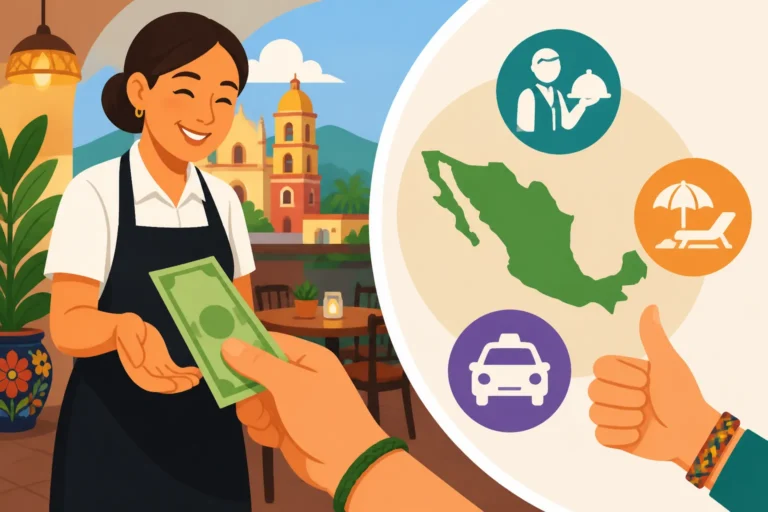
When to Haggle: In general, you can (and should) haggle in open-air markets (tianguis) and with street vendors. For artisan goods, especially if you're buying multiple items, it's often expected. Start by offering about 50-70% of the asking price and work your way up. The goal isn't to get the lowest possible price, but a fair price for both you and the vendor. Keep it friendly, with a smile, and be prepared to walk away if you can't reach a mutually agreeable price. If a vendor has spent hours on a piece, respect their time and skill. Remember that a few pesos might mean little to your overall budget but a lot to a local family.
When Not to Haggle: You generally do not haggle in established shops, boutiques, or restaurants with posted prices. If you're in an artisan cooperative where prices are clearly marked, these are usually set to ensure fair compensation for the artists, so haggling is inappropriate and disrespectful. In these settings, your purchase directly supports the community and helps sustain traditional crafts. Always gauge the situation; if prices are clearly displayed, assume they are fixed.
Ethical Buying: A truly worthwhile souvenir is one that supports the local economy and traditional crafts ethically. Be wary of items that seem too cheap, as they might be mass-produced imports, or made under unfair labor conditions. Ask questions about where the materials come from and who made the item. Look for signs of genuine handcraftsmanship: slight irregularities, variations in color, and unique details that show it hasn't come off an assembly line. When you buy from an artisan directly, you’re not just getting a beautiful object; you’re supporting a family, preserving a tradition, and making a direct, positive impact on the community. Knowing some basic Mexican Spanish: Slang and Expressions for Visitors can also go a long way in building rapport and showing respect to vendors.
Getting Your Treasures Home
You've found the perfect huipil, a stunning Talavera vase, or a unique bottle of mezcal – now how do you get it home safely? This final step requires a bit of planning, especially for fragile or restricted items.
Packing Fragile Items: This is crucial. For pottery, glass, or delicate wooden carvings, invest in bubble wrap or purchase thick paper and tape from a local papelería (stationery store). Many vendors in artisan markets are adept at packing fragile items for travel, so don't hesitate to ask for their help. Consider carrying especially precious or delicate items in your carry-on luggage, rather than checking them. If you buy a large piece, you might even consider buying an extra, inexpensive duffel bag to hand-carry it. It's often better to pay a bit more for extra baggage than to mourn a broken treasure.
Customs Regulations: Before you fill your suitcase, be aware of your home country's customs regulations. For alcohol, there are limits on the quantity you can bring back duty-free. For food items like coffee, chocolate, or dried chilies, these are usually fine, but be careful with fresh produce or meat, which are often restricted. Antiques or artifacts that might be considered part of Mexico's cultural heritage could also be subject to export restrictions, though this rarely applies to modern artisan crafts. Check the specific rules for Customs Tips for New Residents: What You Can Bring When Moving to Mexico or visitors to avoid any surprises at the border. Generally, if it's new and clearly a souvenir, you'll be fine.
Shipping Options: For larger, more expensive, or extremely fragile items, shipping might be your best bet. Many high-end galleries and Talavera shops offer international shipping services, often at a premium. Look for reputable shipping companies like DHL, FedEx, or UPS, which have offices in major Mexican cities. While it can be more expensive than carrying items yourself, it offers peace of mind through professional packing and insurance. Make sure to get tracking information and understand the insurance policies. This is especially true for items like large Oaxacan rugs or intricate ceramic pieces that simply won't fit in a suitcase.
Here’s a quick overview of some popular Mexican souvenirs and what makes them special:
| Souvenir Type | Typical Origin(s) | Key Characteristics | Tips for Buying |
|---|---|---|---|
| Textiles | Oaxaca, Chiapas, Puebla | Hand-woven, embroidered, vibrant colors, natural dyes | Look for slight imperfections; ask about origin and ethical production. |
| Pottery/Ceramics | Puebla (Talavera), Oaxaca (Barro Negro), Jalisco (Tonalá) | Lead-free glazes for functional ware, intricate designs, unique regional styles | Check for authenticity stamps (Talavera), ask about food safety, inspect for cracks. |
| Silver Jewelry | Taxco (Guerrero) | .925 Sterling silver, diverse designs, often heavy | Always look for the .925 stamp; buy from reputable platerías. |
| Alebrijes | Oaxaca (San Martín Tilcajete) | Hand-carved and brightly painted wooden figures | Examine detail of painting; ensure it's hand-carved, not mass-produced; consider artist's signature. |
| Coffee | Chiapas, Oaxaca, Veracruz | Rich, aromatic, often single-origin Arabica beans | Buy whole beans from local roasters or cooperatives; ask for fresh roast dates. |
| Chocolate | Oaxaca | Coarsely ground with cinnamon/sugar, often for hot chocolate | Look for traditional blocks or disks; check for pure cacao and natural ingredients. |
| Vanilla | Veracruz | Potent, rich flavor; whole beans or pure extract | Avoid artificial extracts; opt for whole beans or pure, dark extract. |
| Tequila/Mezcal | Jalisco (Tequila), Oaxaca (Mezcal) | 100% Agave on label, diverse aging and agave varieties | Buy from reputable stores or palenques; understand different types (Blanco, Añejo, Espadín, Tobalá). |
| Leather Goods | León (Guanajuato) | High-quality shoes, belts, bags | Inspect stitching and leather quality; compare prices across several vendors. |
When planning your adventures to discover these artisanal goods, remember that having good Travel Insurance for Trips to Mexico can provide peace of mind, especially when transporting valuable items or if unexpected travel changes arise. You’re not just buying an object; you’re collecting memories, stories, and a tangible piece of the incredible culture that is Mexico. Happy hunting!
Disclaimer
The information provided in this guide is for general informational purposes only and does not constitute professional advice. While we strive to provide accurate and up-to-date information, local regulations, prices, and availability can change rapidly. Always consult official sources, local experts, and relevant authorities for specific advice regarding customs, purchasing, or travel. We are not responsible for any actions taken based on the information presented herein.