What Are the Best Day Trips From Oaxaca City?
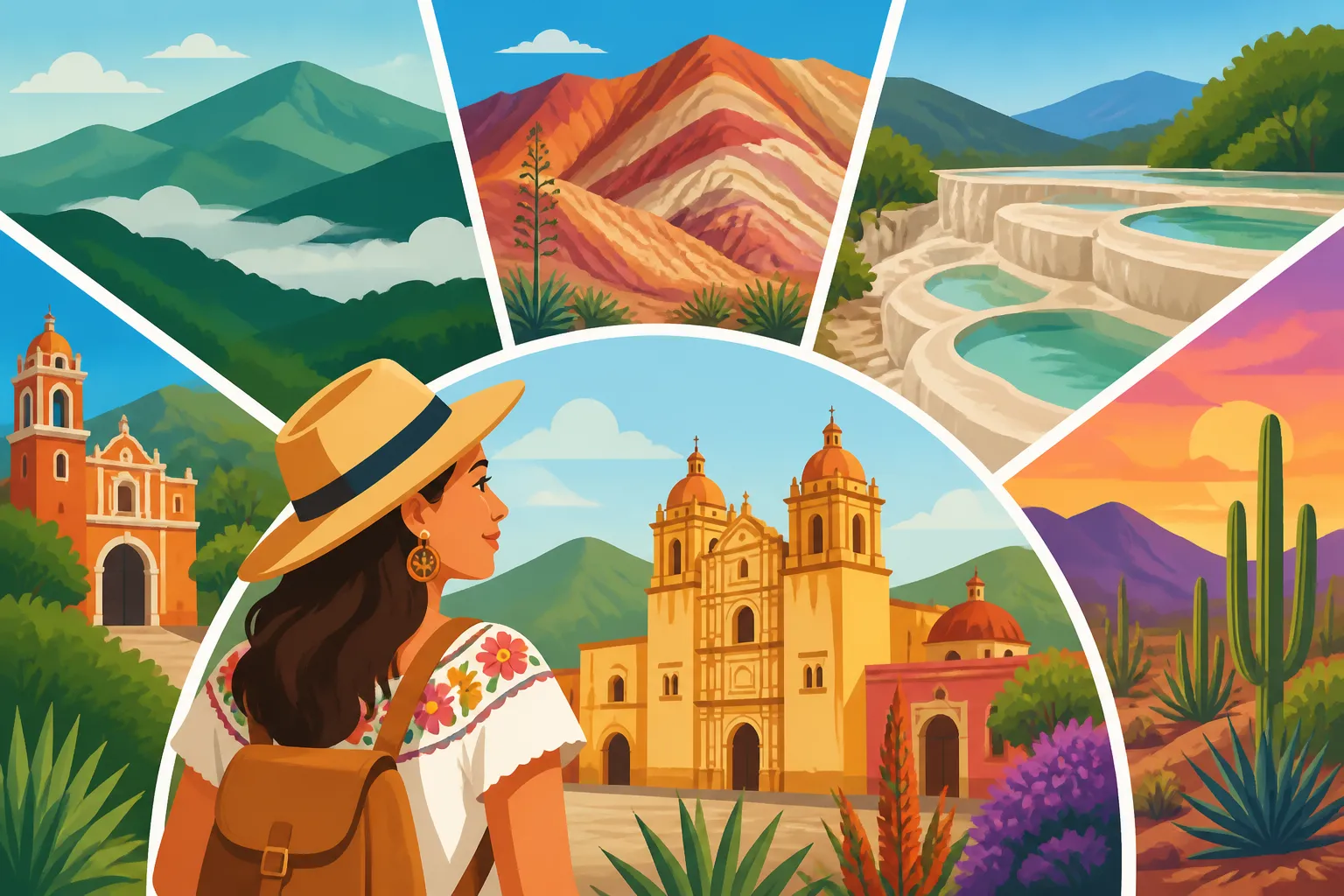
Ah, Oaxaca City. Just settling into its rhythm, you’ve probably spent days wandering the stunning colonial streets, getting lost in the markets, and stuffing yourself silly with tlayudas and mole. It’s glorious, isn’t it? But here’s the thing many of us expats realize: the magic of Oaxaca extends far beyond the city limits. There’s a whole universe of ancient ruins, vibrant artisan villages, and breathtaking natural wonders just a short drive away. Knowing where to go and how to get there can feel like cracking a secret code, but don't worry, I've got you covered with the best day trips to unlock the true essence of this incredible region.
Disclosure: This post may contain affiliate links. We may earn a commission at no extra cost to you if you make a purchase through these links. Read full disclosure.
Journey to the Petrified Waterfalls of Hierve el Agua
One of the most iconic and visually stunning day trips you can take from Oaxaca City is to Hierve el Agua. This natural wonder is a must-see, truly unlike anything else you’ll encounter. Forget what you think you know about waterfalls; these are not flowing cascades of water. Instead, Hierve el Agua (which translates to "the water boils") features two massive rock formations that look exactly like petrified waterfalls, created over thousands of years by mineral-rich spring water dripping down the cliffs.
Understanding Hierve el Agua's Geological Marvel
The main attraction here is the dramatic geological formations. One "waterfall," known as Cascada Grande, stretches over 30 meters down a cliff face, while the other, Anfiteatro, offers incredible views and a series of natural pools. These pools are fed by the same mineral springs that created the formations, and while the water doesn't actually boil, it's pleasantly temperate and incredibly refreshing. You'll find people swimming and lounging in these pools, often right at the edge of the cliff, providing a truly surreal experience with panoramic views of the Oaxaca Valley stretching out below.
The water itself is rich in calcium carbonate and other minerals. As it seeps out of the mountainside and evaporates, it leaves behind these minerals, slowly building up the incredible formations, much like how stalactites and stalagmites form in caves. It's a testament to nature's slow artistry, and honestly, pictures don't quite do it justice – you need to feel the cool water, see the vibrant colors, and take in the sheer scale of it all. Remember to bring your swimsuit, a towel, and sturdy shoes if you plan to explore the trails around the formations. There are sometimes local vendors selling snacks and drinks, but it's always wise to bring your own water.
Getting There and Making the Most of Your Visit
Getting to Hierve el Agua requires a bit of planning, but it’s part of the adventure. You have a few options, each with its own pros and cons.
- Organized Tours: This is often the easiest and most stress-free method, especially for first-timers. Many tour operators in Oaxaca City offer full-day trips that usually combine Hierve el Agua with other nearby attractions like Mitla, Teotitlán del Valle, and a mezcal palenque. You can easily find these tours through your hotel, local travel agencies, or online platforms like Viator. The benefit is convenience: a comfortable ride, a guide, and no worries about navigation. The downside can be a fixed schedule and less time to linger at places you love.
- Colectivos/Shared Taxis: For a more budget-friendly and authentic experience, you can take a colectivo. Head to the baseball stadium (Estadio Eduardo Vasconcelos) area in Oaxaca City, where you'll find colectivo taxis heading towards Mitla. From Mitla, you'll then need to catch another colectivo or a local camioneta (pickup truck with benches in the back) specifically for Hierve el Agua. It’s a bit more involved, potentially slower, and definitely more cramped, but it's how many locals travel and can be a fun way to experience rural Mexico. Just be prepared for some bumpy roads!
- Rental Car: If you're confident driving in Mexico, renting a car gives you the ultimate flexibility to explore at your own pace. The drive is scenic, taking about 1.5 to 2 hours from Oaxaca City. Be aware that the last stretch to Hierve el Agua involves a cuota (toll road) and then a windy, unpaved or poorly maintained road managed by local communities, often with small fees at various checkpoints. It's an excellent option for those who want to spend ample time hiking the trails around the falls or combine it with a leisurely visit to other sites. Don't forget to check out "Renting a Car in Mexico: Insurance and Driving Tips" for essential advice.
No matter how you get there, try to arrive early in the morning, especially on weekends or during peak season. This helps avoid the biggest crowds and allows you to enjoy the tranquility before the tour buses roll in. Take your time, explore the different levels of the formations, and definitely enjoy a dip in the pools. The surrounding views of the valley are incredible, offering endless photo opportunities and a sense of profound peace.
Delving into Ancient Zapotec Cities: Mitla and Yagul
Beyond the bustling city, Oaxaca is a land steeped in ancient history, particularly that of the Zapotec civilization. While Monte Albán often gets the most fanfare, two other archaeological sites, Mitla and Yagul, offer equally fascinating glimpses into this rich past, each with its own unique charm and importance.
Mitla: The Place of the Dead
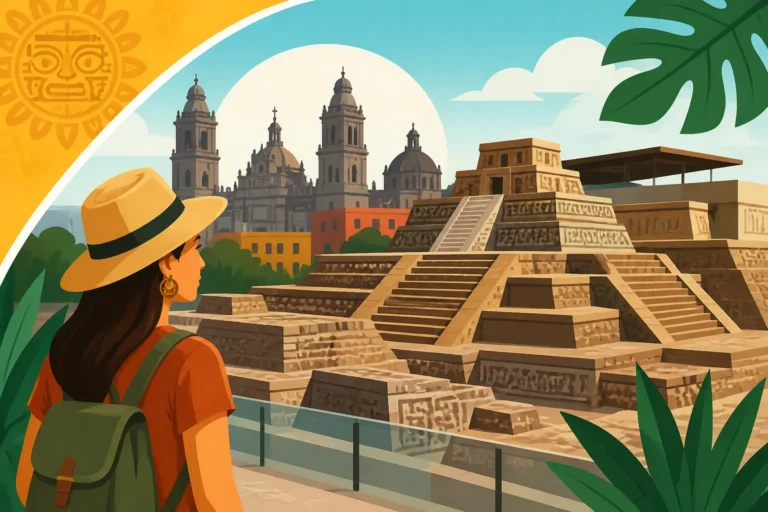
Mitla, roughly an hour east of Oaxaca City, stands apart from other Mesoamerican ruins with its intricate, geometric mosaic fretwork (grecas) that adorns almost every surface. Unlike Monte Albán’s grand plazas and monumental pyramids, Mitla’s architecture is more refined, a complex of palaces and tombs, primarily designed as a high-status burial ground and a gateway to the underworld.
The site comprises several distinct groups of buildings. The most famous is the Group of the Columns, where you can marvel at the precise, mortarless stone carvings. The patterns are stunning, almost hypnotizing, and legend says that if you can perfectly trace one of the complex patterns with your finger, you’ll unlock a secret. (Spoiler: you probably won't, but it's fun to try!) These designs are thought to represent serpents, geometric patterns, and abstract symbols with deep religious significance.
Walking through Mitla, you'll feel a different energy than at other ruins. It feels more intimate, perhaps because of its connection to the afterlife. Descend into one of the underground tombs, and you'll find even more elaborate stonework. It's a powerful reminder of the Zapotec people’s reverence for their ancestors and their sophisticated understanding of architecture and design. Many tours combine Mitla with Hierve el Agua, making it a convenient stop.
Yagul: Fortress on a Hilltop
A short drive from Mitla, you’ll find the lesser-known but equally captivating site of Yagul. This archaeological zone is perched atop a hill, offering commanding views of the Oaxaca Valley. Yagul means "old tree" or "dry tree" in Zapotec, and its history stretches back over 2,500 years. It functioned both as a ceremonial center and a fortified city, strategically located to overlook vital trade routes.
What makes Yagul particularly interesting are its massive civic and religious structures, including a ball court (one of the largest in the Oaxaca Valley), and an intricate labyrinthine palace with many rooms. But perhaps the most striking features are the numerous tombs – over 30 have been discovered, some within the main structures and others carved into the hillside.
The views from Yagul are spectacular, especially at sunrise or sunset. You can spend a couple of hours here exploring the different sections, climbing to the highest points, and appreciating the defensive layout of the city. Because it's less frequented than Monte Albán, you often have a more serene and personal experience, allowing you to truly connect with the ancient past.
Traveler's Tip: When visiting archaeological sites, especially in warmer months, always bring a hat, sunscreen, and plenty of water. The Mexican sun is no joke! Comfortable walking shoes are also a must. You can also explore "Mexican Etiquette and Customs: Do's and Don'ts for New Expats" to ensure you respect local customs at these sacred sites.
Experiencing Oaxacan Artisanry and Culture
Oaxaca is renowned as an artistic hub, and some of the most vibrant cultural experiences lie in the small towns surrounding the capital. These day trips offer a chance to witness traditional crafts firsthand, interact with local artisans, and even participate in workshops.
Teotitlán del Valle: Weaving Wonders
Just a short drive from Oaxaca City, Teotitlán del Valle is a village famous for its Zapotec textile traditions. Generations of families here have perfected the art of weaving rugs and tapestries on pedal looms, using natural dyes derived from insects like cochineal, plants, and minerals. Stepping into Teotitlán is like stepping back in time, where the rhythmic clacking of looms fills the air.
As you wander the streets, you'll find numerous workshops and family homes with storefronts. Many artisans are incredibly welcoming and will gladly demonstrate their craft, showing you how they spin the wool, prepare the natural dyes, and weave the intricate patterns. It's fascinating to see the cochineal beetle transform from a tiny insect into vibrant reds and purples right before your eyes. You can purchase high-quality rugs, blankets, and other textiles directly from the makers, often at better prices than in Oaxaca City, and you'll know you're supporting local families. Some workshops, like those at Casa de Doña Rosa, are particularly well-regarded for their demonstrations and commitment to traditional methods.
Consider planning your visit to coincide with the village market day or a local festival for an even richer cultural immersion. You can also find incredible regional cuisine here, often cooked in traditional clay ovens. For those interested in deeper culinary exploration, there might even be a chance to take a cooking class. Check out "How to Try Mole and Oaxacan Cuisine" for inspiration on what to seek out!
San Bartolo Coyotepec: Black Pottery Magic
Another remarkable artisan town is San Bartolo Coyotepec, famous for its unique barro negro (black pottery). This traditional craft dates back centuries, but it was Rosa Real Mateo de Nieto who revived and popularized the distinctive polished black finish in the mid-20th century.
The pottery here isn't glazed; instead, it gets its lustrous sheen from a meticulous polishing process using quartz stones before firing. The pieces are then fired in an underground kiln, which allows for a controlled amount of oxygen, turning the clay a deep, smoky black. Each piece, whether it's a decorative vase, an intricately carved sculpture, or functional tableware, is a testament to the artisan’s skill and patience.
When you visit, you can often see potters demonstrating the crafting process, from shaping the clay to the final polishing. It's a wonderful opportunity to appreciate the labor and artistry involved and to purchase a truly authentic Oaxacan souvenir. Just be aware that while beautiful, some of the highly polished, thin-walled pieces can be quite delicate, especially if they are purely decorative.
Ocotlán de Morelos: Rodolfo Morales' Legacy and Friday Market
If your day trip aligns with a Friday, a visit to Ocotlán de Morelos is an absolute must. This town hosts one of Oaxaca's largest and most vibrant tianguis (traditional outdoor markets). It's a sensory overload in the best possible way: stacks of colorful fruits and vegetables, aromatic herbs and spices, live animals, handmade crafts, and an endless array of delicious street food. It’s an incredible place to observe local life and practice your Pharmacy Spanish: Phrases to Help You Buy Medicine in Mexico or general market Spanish.
Beyond the market, Ocotlán is also home to the Rodolfo Morales Museum, housed in the former convent of Santo Domingo. Rodolfo Morales was a celebrated Oaxacan artist known for his vibrant, often surrealist paintings depicting village life. The museum, established by his foundation, not only displays his work but also supports local art and conservation efforts. It's a beautiful, peaceful space that offers a deeper insight into the region's artistic soul.
A day trip combining these artisan towns gives you a rich tapestry of Oaxacan culture, showing you the dedication and talent of its people.
Immersing in the World of Mezcal
You can't come to Oaxaca and not explore the world of mezcal. It’s more than just a drink; it's a cultural staple, a craft passed down through generations, and a true taste of the region's spirit. A mezcal tour isn't just about tasting; it's about understanding the land, the agave, and the people behind this smoky elixir.
Santiago Matatlán: The Mezcal Capital
For a truly immersive mezcal experience, head to Santiago Matatlán, often dubbed the "Mezcal Capital of the World." This unassuming town, about an hour southeast of Oaxaca City, is home to countless palenques (mezcal distilleries). Here, you can witness the entire artisanal process, from the harvesting of the agave piñas (hearts) to the roasting, crushing, fermentation, and double distillation.
At a traditional palenque, you’ll see the large earthen pits where the agave is slow-roasted for days, giving mezcal its characteristic smoky flavor. Then, often with the help of a horse-drawn stone wheel (tahona), the cooked agave is crushed to extract the sugary fibers. These fibers ferment naturally in large wooden vats before being distilled in copper or clay stills. It's a labor-intensive process, deeply rooted in tradition, and each step contributes to the final complex flavor profile.
When choosing a palenque to visit, consider looking for smaller, family-run operations. They often offer more personal tours and a chance to interact directly with the maestro mezcalero (mezcal master). Brands like Mezcal Vago or Real Minero are known for their commitment to artisanal practices and often welcome visitors by appointment, though there are many other excellent local options. Be respectful, listen to the explanations, and savor the samples offered. Remember, mezcal is meant to be sipped slowly, appreciating its nuances. If you’re looking to purchase, buying directly from the palenque is a fantastic way to support the producers and often get a better price. You can find more details in "Mezcal in Oaxaca: Tours and Tastings."
Mezcal Tasting and Etiquette
A mezcal tasting is a delicate art. Unlike tequila, which is made only from blue agave, mezcal can be made from over 30 different varieties of agave, each contributing distinct flavors. You'll encounter everything from the widely used Espadín to wild and rare agaves like Tobalá, Tepeztate, or Arroqueño, each with its own unique characteristics.
During a tasting, you’ll often be offered small samples in traditional veladoras (small, wide-mouthed clay cups) or jicaras (gourd cups). Take a moment to appreciate the aroma, then take a tiny sip, letting it coat your palate before swallowing. Notice the smokiness, the sweetness, the earthiness, and any fruity or floral notes. It’s a learning experience, and don’t be afraid to ask questions about the agave, the aging process, or the maestro’s philosophy.
Crucial Advice: If you're driving, do not drink. If you're on a tour, be mindful of your intake. Mezcal is potent, and the tastings can add up quickly. It's perfectly acceptable to politely decline samples or just take a very small sip. Many tours will provide designated drivers, but if you're going independently, ensure you have a safe way back to Oaxaca City, whether it's a pre-arranged taxi or a sober driver.
Table of Popular Oaxaca Day Trip Destinations
To help you visualize your options and plan your adventures, here's a quick overview of some of the best day trips from Oaxaca City.
| Destination | Main Attraction | Approx. Distance (km) | Travel Time (min) | Best Transport Option(s) | Estimated Cost (Transport & Entry, USD) |
|---|---|---|---|---|---|
| Hierve el Agua | Petrified waterfalls, mineral pools, scenic views | 70 | 90-120 | Organized tour, rental car, colectivo combo | $25-60 (tour), $10-20 (DIY) |
| Mitla | Zapotec ruins with intricate fretwork, tombs | 45 | 60 | Organized tour, colectivo | $15-40 (tour), $5-10 (DIY) |
| Yagul | Fortified Zapotec ruins, ball court, panoramic views | 40 | 50-60 | Organized tour, rental car | $15-40 (tour), $5-10 (DIY) |
| Teotitlán del Valle | Zapotec weaving village, natural dyes, artisan workshops | 30 | 40 | Organized tour, colectivo, rental car | $15-40 (tour), $5-10 (DIY) |
| San Bartolo Coyotepec | Black pottery (Barro Negro) workshops, museum | 15 | 30 | Local bus, colectivo, rental car | $5-20 (tour), $2-5 (DIY) |
| Santiago Matatlán | Mezcal palenques, artisanal mezcal production | 60 | 75-90 | Organized mezcal tour, rental car, private taxi | $40-100+ (tour), $10-20 (DIY) |
| Sierra Norte / Pueblos Mancomunados | Ecotourism, hiking, zip-lining, cloud forests | 60-100 | 90-180 | Organized tour, rental car, community transport | $50-150+ (tour), $20-40 (DIY) |
Note: Costs are approximate and can vary based on tour operator, negotiation skills, and current exchange rates.
Exploring Beyond the Main Circuits: Sierra Norte
For those craving nature and a break from the cultural sites, the Sierra Norte region offers a stunning contrast to the valleys. Home to the Zapotec Pueblos Mancomunados (Commonwealth of Villages), this area is a prime example of successful ecotourism managed by indigenous communities.
Ecotourism in the Cloud Forests
The Pueblos Mancomunados, a collective of eight Zapotec villages, have created an impressive network of ecotourism initiatives that allow visitors to experience their pristine cloud forests, mountain trails, and rich biodiversity. Towns like Benito Juárez, Lachatao, and La Nevería offer rustic cabañas (cabins) for overnight stays, guided hikes to waterfalls and scenic viewpoints, mountain biking, and even zip-lining.
The air here is crisp, the greenery is lush, and the sense of peace is palpable. It’s a completely different side of Oaxaca, showcasing the region's incredible natural beauty and the communities' dedication to preserving it. You can arrange guided tours through local agencies in Oaxaca City, or if you have a rental car, you can drive to one of the main centros ecoturísticos and arrange activities directly. Just be aware that roads can be challenging, especially during the rainy season. Having some basic Spanish will definitely help here, as English speakers may be less common than in the main tourist areas. You might find "Overcoming Language Barriers at the Doctor: Tips for Expats" helpful for general communication strategies.
For a full day trip, you could pick one or two villages to focus on. Perhaps a morning hike, followed by a delicious, hearty meal cooked with local ingredients (often trout from their own farms), and then an afternoon enjoying the views or visiting a community project. This is a chance to truly disconnect and appreciate the natural splendor that surrounds Oaxaca. Remember that these communities manage their own tourism, so it's always best to be respectful and inquire about fees and rules upon arrival.
Planning Your Oaxaca Day Trip Logistics
Okay, you’ve got your destinations in mind. Now, let’s talk practicalities to make your day trips smooth sailing.
Transportation Options
Deciding how to get around is key to a successful day trip.
- Guided Tours: As mentioned, this is often the most straightforward. You can book comprehensive tours that hit multiple spots like Hierve el Agua, Mitla, and a mezcal palenque all in one day. Companies like Viator offer a wide range of options, and your hotel or local tour agencies (you’ll see them everywhere in the historical center) can also set you up. Just make sure to read reviews and confirm what’s included. Sometimes lunch or entry fees aren't part of the package.
- Rental Car: For ultimate flexibility, a rental car is fantastic. It allows you to explore at your own pace, linger where you want, and discover hidden gems. However, driving in Mexico can be an adjustment. Roads, especially outside of main highways, can be less maintained, and signage might be sparse. Plus, you’ll encounter topes (speed bumps) that can be surprisingly aggressive! If you choose this route, ensure you have robust insurance, and download offline maps.
- Public Transport (Buses & Colectivos): This is the most budget-friendly and authentic way to travel. Regular buses go to larger towns like Tlacolula (for its famous Sunday market) or Mitla from Oaxaca’s second-class bus station (Terminal Periférico). From there, you often transfer to colectivos (shared taxis) or camionetas (pickup trucks) to reach smaller villages or sites like Hierve el Agua. It requires more patience and often a bit of Spanish, but it's a great way to save money and feel like a local. If you're going a bit further, consider checking Busbud for inter-city routes to larger hubs that might serve as jumping-off points.
- Private Taxis/Drivers: You can also negotiate with a private taxi driver for a full day. This provides more comfort and flexibility than a tour but is more expensive than public transport. Always agree on the price before you depart, and clarify what's included (waiting time, fuel, stops). It’s worth asking your hotel for recommendations for reliable drivers.
Essential Items to Pack
Regardless of your destination, a few essentials will make your day trip much more enjoyable:
- Water: Always carry plenty of bottled water. Dehydration is real, especially in the sun.
- Sun Protection: Hat, sunglasses, and high-SPF sunscreen are non-negotiable.
- Comfortable Shoes: You'll be doing a lot of walking, often on uneven terrain at archaeological sites or dusty roads in villages.
- Snacks: While you'll find food, having some granola bars or fruit can be a lifesaver.
- Cash (Pesos): Many smaller vendors, entry fees for some sites, and colectivo fares will only accept cash. Break large bills in Oaxaca City beforehand, as small villages often struggle with change.
- Camera: For obvious reasons – the scenery and sights are incredible!
- Swimsuit & Towel: If you plan to visit Hierve el Agua or any natural swimming spots.
- Small Backpack: To comfortably carry everything.
- Basic Spanish Phrases: Even a few polite phrases will go a long way in showing respect and helping you navigate. See "Learning Spanish in Mexico: Top Tips and Resources for Expats" for more.
Staying Safe and Respectful
Oaxaca is generally a very safe state, but common sense precautions are always wise.
- Be Aware of Your Surroundings: Especially in crowded markets or bus stations. Keep valuables secure. Read "Staying Safe in Mexico: Practical Tips for Travelers" for comprehensive advice.
- Drink Responsibly: Especially with mezcal. It's potent.
- Respect Local Culture: Dress modestly when visiting churches or smaller, traditional communities. Always ask before taking photos of people.
- Inform Someone of Your Plans: If you’re going off the beaten path, let your hotel or a friend know your itinerary.
By keeping these tips in mind, your day trips from Oaxaca City will be memorable, enriching, and wonderfully hassle-free. Get out there and explore!
Disclaimer
The information provided in this guide is for general informational purposes only and does not constitute professional advice. While we strive to keep the information up-to-date and accurate, regulations, prices, and availability can change rapidly. Always verify current details with official sources, local authorities, or trusted service providers before making any decisions or travel arrangements. Travel involves inherent risks, and personal safety measures should always be taken.