Northern Mexico: Deserts, Canyons, and Border Cities
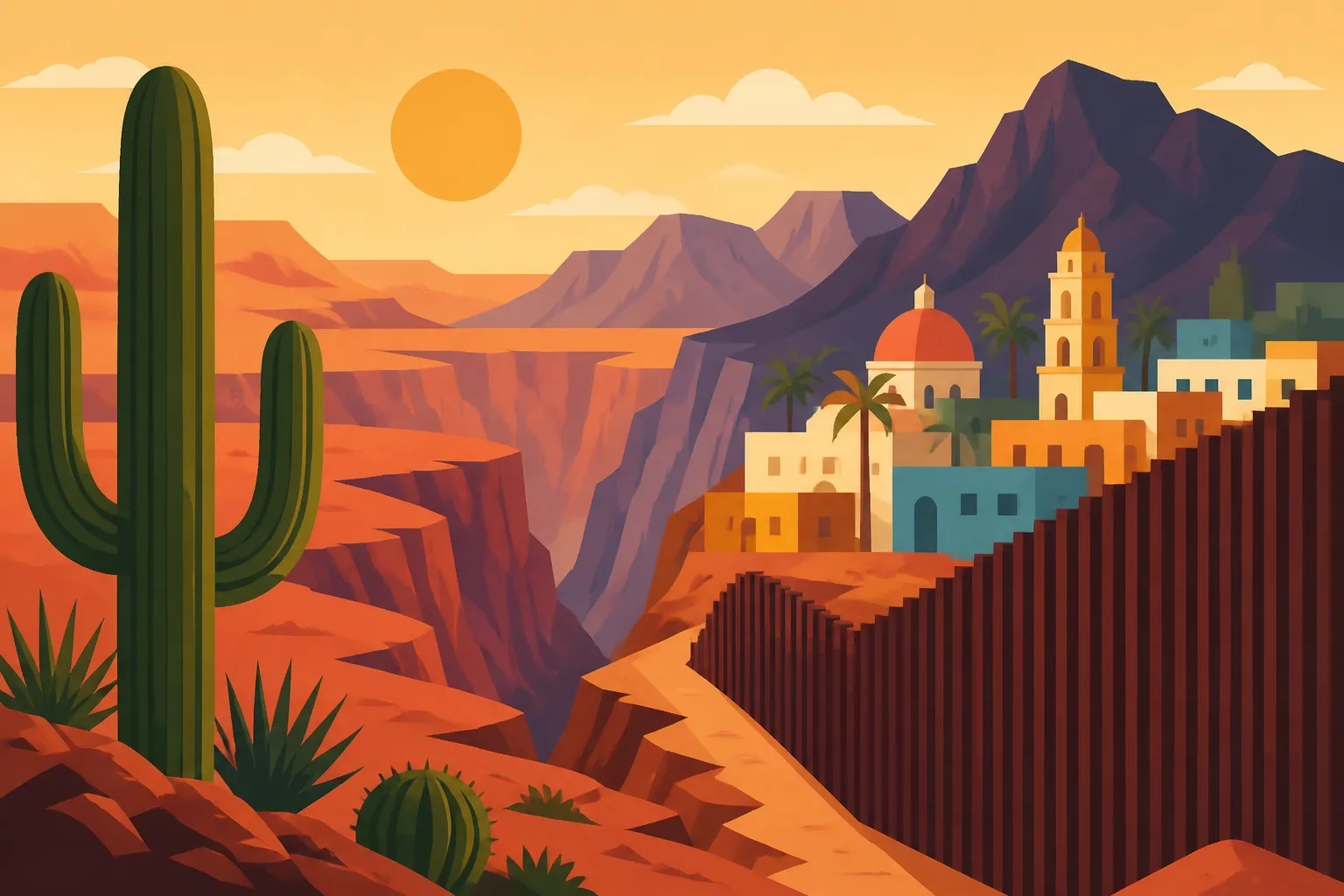
Forget everything you think you know about Mexico if you've only experienced the vibrant beaches of the Riviera Maya or the bustling cultural heart of Mexico City. Northern Mexico presents an entirely different, rugged, and captivating landscape that many visitors, and even some expats, often overlook. This region offers an incredible tapestry of vast deserts, awe-inspiring canyons, and bustling border cities, each with its own distinct flavor, challenging common perceptions and revealing the country's immense diversity. This guide will take you on a deep dive into the unique charm, challenges, and unforgettable experiences that await you in Mexico's magnificent North.
Dispelling Myths and Understanding Northern Mexico's Geography
When most people picture Mexico, they envision turquoise waters, ancient ruins, or perhaps the colorful colonial towns of the central highlands. Northern Mexico, however, paints a very different picture, often associated with a tougher, more industrial, and sometimes misunderstood identity. But it's precisely this distinct character that makes it so compelling.
Disclosure: This post may contain affiliate links. We may earn a commission at no extra cost to you if you make a purchase through these links. Read full disclosure.
Beyond the Beaches: The True North
The northern states of Mexico – Baja California, Sonora, Chihuahua, Coahuila, Nuevo León, and Tamaulipas – share a long, often porous, border with the United States. This proximity has profoundly shaped their culture, economy, and landscape, creating a fascinating blend of Mexican tradition and American influence. You'll find sprawling ranches, a strong cowboy culture, and a resilient, entrepreneurial spirit that thrives on cross-border interaction. It's a land where vast, open spaces dominate, where the horizon stretches seemingly forever, and where the echoes of history resonate in every dusty town and mountain range.
This isn't a region that caters to the typical resort-goer looking for all-inclusive packages. Instead, it appeals to the adventurer, the history buff, and those seeking an authentic, unvarnished glimpse into a Mexico few get to see. The pace of life can be slower in the rural areas, punctuated by the frenetic energy of the border cities. Understanding this blend is key to appreciating the North.
Climate and Landscape: From Arid Deserts to Towering Canyons
Northern Mexico is primarily characterized by its arid to semi-arid climate, featuring vast deserts like the Sonoran Desert and the Chihuahuan Desert, which are among the largest and most biodiverse deserts in the world. Summers here are intensely hot, with temperatures often soaring well above 38°C (100°F), while winters can be surprisingly chilly, especially at higher elevations. The dramatic temperature swings between day and night are also a hallmark of desert climates.
However, the landscape is far from monotonous. Towering mountain ranges, most notably the Sierra Madre Occidental, cut through the region, creating incredible biodiversity and dramatic geological formations. This is where you'll find the majestic Copper Canyon, a system of canyons larger and deeper than the Grand Canyon in the United States. These mountains act as natural barriers, influencing rainfall patterns and creating microclimates that support unique ecosystems, from pine and oak forests in the higher altitudes to diverse desert flora and fauna in the valleys below. The coastal areas, particularly in Baja California and Sonora, offer stunning desert-meets-sea vistas along the Gulf of California (Sea of Cortés) and the Pacific Ocean, with vibrant marine life and stark, beautiful shorelines.
Exploring the Border Cities: A Gateway to Culture and Commerce
The border cities of Northern Mexico are often misunderstood, perceived solely as transit points or areas of concern. However, they are vibrant, complex urban centers, each with its own unique identity, offering a fascinating blend of cultures, dynamic economies, and a surprising array of attractions for those willing to look beyond the headlines. They serve as essential economic and cultural bridges between Mexico and the United States.
Tijuana: A Dynamic Hub on the Pacific
Tijuana, located just across the border from San Diego, California, is perhaps the most well-known of Mexico's border cities, and for good reason. It's a city of constant motion, reinvention, and surprising cultural depth. Long shed of its rough-and-tumble reputation, Tijuana has transformed into a culinary hotspot, a thriving arts scene, and a hub for medical tourism.
You can spend days exploring its diverse neighborhoods. The Zona Centro, or downtown, still buzzes with activity, offering everything from traditional mercados to modern boutiques. Revolution Avenue, once notorious for its tourist traps, now hosts craft breweries, art galleries, and innovative restaurants. Step into the Zona Río for a more upscale experience with shopping malls, modern hotels, and excellent dining. Don't miss the Pasaje Rodríguez, a vibrant alleyway filled with independent art galleries, bookshops, and cafes, showcasing the city's burgeoning creative spirit.
Tijuana is a city that embraces its border identity, constantly evolving and absorbing influences from both sides. It's an ideal starting point for exploring the Baja California Peninsula, with its burgeoning wine region in Valle de Guadalupe and pristine Pacific coastlines. When planning your trip, consider using platforms like Booking.com to find accommodations that range from budget-friendly hostels to more luxurious hotels in the Zona Río.
Ciudad Juárez: Resilience and Reinvention
Ciudad Juárez, located directly opposite El Paso, Texas, has faced its share of challenges, but it's a city defined by its resilience and a vibrant spirit of reinvention. It's a major industrial center, but beneath the surface, you'll find a rich history and a growing cultural scene. The city has made significant strides in revitalizing its downtown area, and while it may not be on every tourist's radar, it offers an authentic glimpse into border life.
Explore the historic center, where you can visit the Mission of Nuestra Señora de Guadalupe, one of the oldest missions in the region, dating back to the 17th century. The Museo de la Revolución en la Frontera (Museum of the Revolution in the Border) offers fascinating insights into Mexico's revolutionary history and its impact on the border region. For a taste of local life, wander through the Mercado Juárez, a bustling market filled with traditional crafts, food, and souvenirs. The city's food scene is also gaining recognition, with a focus on hearty Northern Mexican cuisine, especially machaca (dried shredded beef) and burritos.
Mexicali and Nogales: Other Key Crossings
Mexicali, the capital of Baja California, sits across from Calexico, California. It's a major agricultural and industrial center, known for its strong Chinese influence – it boasts the largest Chinese community in Mexico, reflected in its culinary scene and Chicali Barrio (Chinatown). While not a primary tourist destination, Mexicali is a gateway to the vast Baja desert and offers unique cultural experiences for those who venture here.
Nogales, split between Sonora, Mexico, and Arizona, USA, is another vital border crossing. The Mexican side, Nogales, Sonora, is a bustling commercial hub known for its duty-free shopping, particularly for Mexican crafts, pharmaceuticals, and dental services. While day-tripping is common, staying a night allows you to experience its lively nightlife and authentic Sonoran cuisine, famous for its beef and carne asada. These cities provide a compelling look at the intricate dance between two nations.
The Majesty of the Copper Canyon: A Natural Wonder
Deep within the Sierra Tarahumara mountains of Chihuahua lies one of Mexico's most breathtaking natural wonders: the Copper Canyon (Barrancas del Cobre). This magnificent system of six distinct canyons is not just one canyon but a series of interconnected gorges, collectively four times larger and nearly twice as deep as the Grand Canyon in Arizona. It's a place of incredible geological drama, cultural richness, and unforgettable adventure.
El Chepe: A Journey Through the Sierra Tarahumara
The most iconic way to experience the Copper Canyon is aboard "El Chepe," the Chihuahua al Pacífico railway. This engineering marvel winds its way through some of Mexico's most rugged and spectacular terrain, traversing 86 tunnels and 37 bridges, offering unparalleled views of the canyons, rivers, and forests. There are two services: the Chepe Express, a more luxurious option with dining cars and panoramic views, and the Chepe Regional, a more economical and local service that makes more stops, allowing for deeper immersion in the communities.
The journey typically runs between the city of Chihuahua or Los Mochis, Sinaloa, with popular stops including Creel, Divisadero, Bahuichivo/Cerocahui, and El Fuerte. Each stop offers unique opportunities for exploration. Many travelers opt to break up the journey over several days, hopping off at different stations to hike, stay in canyon-rim hotels, and experience the local culture. You can research train schedules and book tickets, sometimes through local tour operators or travel platforms, including those that might integrate with Booking.com for accommodation at stops along the way.
Adventures Await: Hiking, Ziplining, and Rarámuri Culture
The Copper Canyon is an adventure playground. At Divisadero, you'll find the Parque de Aventuras Barrancas del Cobre (Copper Canyon Adventure Park), which boasts one of the longest zipline courses in the world, a thrilling via ferrata, and a cable car offering dizzying views into the depths of the Urique Canyon. Hiking opportunities abound, from easy rim walks to challenging multi-day treks into the canyon floor, often with local Rarámuri guides.
Speaking of the Rarámuri (or Tarahumara) people, they are an indigenous group famous for their incredible long-distance running abilities and for maintaining much of their traditional way of life within the canyons. A visit to the Copper Canyon offers a unique chance to respectfully learn about their culture, observe their craftwork (like woven baskets and colorful textiles), and perhaps even witness their enduring connection to this challenging yet beautiful land. Staying at a local lodge or hiring a Rarámuri guide through a reputable local tour operator (which you might find listed on platforms like Viator) can provide a more meaningful cultural exchange.
Desert Gems and Colonial Charms: Beyond the Main Attractions
Northern Mexico is more than just border cities and one famous canyon. It's a vast region dotted with fascinating historical towns, unique ecological zones, and diverse communities that each tell a part of Mexico's rich story. Venture off the beaten path, and you'll discover hidden gems that offer profound insights into the region's character.
Coahuila's Prairies and Historic Towns
Coahuila, a large state bordering Texas, is a land of wide-open spaces, desert landscapes, and significant historical importance. It’s also home to some surprisingly charming towns. Parras de la Fuente, for instance, is a Pueblo Mágico (Magic Town) renowned for being the oldest winery in the Americas, Casa Madero, established in 1597. Visiting this town feels like stepping back in time, with its lush vineyards providing a verdant contrast to the surrounding desert. You can tour the winery, sample exquisite wines, and enjoy the tranquil atmosphere.
The capital city, Saltillo, boasts a beautiful historic center with colonial architecture, including the impressive Catedral de Santiago. It's also famous for its vibrant sarape textiles, traditional Mexican blankets known for their intricate patterns and colors. Saltillo is home to several museums, including the Museo del Desierto (Desert Museum), which offers a captivating look at the paleontology and biodiversity of the Chihuahuan Desert.
Chihuahua: Cowboys, History, and Mennonite Communities
The state of Chihuahua is Mexico's largest state by area, a land of vast plains, high mountains, and deep historical roots. The capital city, also called Chihuahua, played a crucial role in the Mexican Revolution and houses several museums dedicated to this period, including the Quinta Luz, Pancho Villa's former home, now a museum. The city's colonial architecture and lively plazas make for a pleasant visit.
Venturing out into the plains, you'll encounter a fascinating cultural anomaly: the large Mennonite communities around Cuauhtémoc. These communities, descendants of German-speaking immigrants, have maintained their unique culture, language, and agricultural practices for generations. You can visit their farms, purchase their famously delicious cheese, and gain a rare insight into a way of life that feels far removed from modern Mexico. It's a truly distinctive experience that highlights the incredible diversity of the country.
Sonora's Beaches and the Sea of Cortés
Sonora is often called "Mexico's breadbasket" due to its fertile agricultural valleys, but it also offers stunning coastal beauty along the Sea of Cortés (Gulf of California). This body of water, famously dubbed "the world's aquarium" by Jacques Cousteau, is incredibly rich in marine life and offers excellent opportunities for fishing, diving, and whale watching.
Popular coastal destinations include San Carlos, a well-established expat and tourist hub near Guaymas, offering beautiful beaches, a marina, and a relaxed atmosphere. Further north, Puerto Peñasco (Rocky Point), easily accessible from Arizona, is a favorite for weekend getaways, with sandy beaches, water sports, and fresh seafood. The juxtaposition of the arid Sonoran Desert meeting the vibrant blue waters of the Sea of Cortés is truly spectacular and provides a different kind of "beach experience" than you might find elsewhere in Mexico. If you are considering staying long-term in these areas, you might find valuable information in guides like Living in Mexico: Cultural and Practical Guide for New Expats.
Planning Your Northern Mexico Adventure: Logistics and Safety
Embarking on an adventure through Northern Mexico requires a bit more preparation and a different mindset than, say, a trip to Cancún. But don't let that deter you! With careful planning and a realistic approach, you can have an incredibly rewarding experience.
Getting There and Getting Around
By Air: Most major cities in Northern Mexico have international airports with connections to both Mexican and US cities. Tijuana (TIJ), Monterrey (MTY), Chihuahua (CUU), Ciudad Juárez (CJS), and Hermosillo (HMO) are key hubs. You can fly directly into these cities and then use ground transportation to explore.
By Land: Driving into Northern Mexico from the US is common, especially for border cities. However, if you plan to venture deeper, especially to places like Copper Canyon, long-distance buses are an excellent option. Mexico has a fantastic bus network, with ADO being one of the most reliable and comfortable carriers for long-haul routes. You can often find tickets through platforms like Busbud, which allows you to compare routes and prices from various bus companies.
For those considering bringing their own vehicle, ensure you have proper Mexican car insurance, as US insurance is generally not valid south of the border. Renting a car is also an option, particularly for exploring specific regions like the Valle de Guadalupe or Sonora's coastal areas, but always choose reputable agencies and be aware of local driving conditions. Read up on Getting Around Mexico: Buses, Flights, and Car Hire for more detailed information on transportation options.
Navigating Safety Concerns
It's natural to have questions about safety when traveling to certain parts of Mexico, and Northern Mexico, given its proximity to the border and historical narratives, often prompts such concerns. While it's true that some areas have faced security challenges, many parts of Northern Mexico are perfectly safe for visitors, especially if you exercise common sense and stay informed.
- Research Specific Destinations: Safety can vary significantly even within a state. Research the specific cities and routes you plan to visit.
- Stay Informed: Follow local news from reputable sources and check travel advisories from your home country's embassy.
- Travel During Daylight Hours: If driving, especially on less-traveled roads, aim to do so during the day.
- Avoid Isolated Areas: Stick to well-trafficked tourist zones and reputable businesses.
- Be Discretionary: Avoid flaunting wealth, and be mindful of your surroundings.
- Trust Your Gut: If a situation feels off, remove yourself from it.
- Use Reputable Services: Whether it's a taxi, a tour operator (like those found on Viator), or an accommodation provider (like those on Booking.com), always opt for well-reviewed and established businesses.
Many expats live safely and happily in Northern Mexico. For a broader understanding of security, you might find our guide on Safety in Mexico: What Expats Need to Know About Staying Safe helpful.
Accommodation and Booking Tips
Accommodation in Northern Mexico ranges from quaint boutique hotels in colonial towns to modern chain hotels in larger cities and rustic lodges within the Copper Canyon. Using online travel agencies like Booking.com is usually the most convenient way to secure lodging, allowing you to read reviews and compare prices.
Here are a few tips:
- Book in Advance: Especially if traveling during peak season or holidays, popular accommodations can fill up quickly. This is particularly true for unique lodges along the El Chepe route.
- Consider Local Stays: For a more authentic experience, look for smaller, locally owned hotels or guesthouses.
- Read Reviews: Always check recent reviews, paying attention to comments about cleanliness, safety, and location.
- Verify Amenities: Confirm things like air conditioning, Wi-Fi, and hot water, which can vary, especially in more remote areas.
If you're considering a longer stay or even retiring in the region, resources like Retiring in Mexico: Residency and Visa Requirements for 2026 can offer essential guidance.
Comparative Overview of Northern Mexico Regions
To help you visualize the distinct offerings of Northern Mexico, here’s a quick comparative table of some key areas:
| Region/State | Key Highlights | Primary Activities | Best For | Typical Climate |
|---|---|---|---|---|
| Baja California (Norte) | Tijuana's culinary scene, Valle de Guadalupe wineries, Pacific coast | Food tours, wine tasting, surfing, medical tourism | Foodies, wine lovers, weekend getaways from California | Mediterranean (north), Arid Desert (south) |
| Chihuahua | Copper Canyon, El Chepe train, Mennonite communities, Pancho Villa history | Train journeys, hiking, ziplining, cultural immersion | Adventurers, history buffs, nature enthusiasts | High Desert (hot summers, cold winters) |
| Coahuila | Oldest winery in Americas (Casa Madero), Desert Museum, Saltillo sarapes | Wine tasting, historical tours, textile shopping | History lovers, cultural explorers, road trippers | Arid Desert (hot summers, moderate winters) |
| Sonora | Sea of Cortés beaches, San Carlos, Puerto Peñasco, Sonoran Desert | Beach relaxation, fishing, water sports, desert exploration | Beach lovers, desert adventurers, expats | Hot Arid Desert (very hot summers, mild winters) |
| Nuevo León | Monterrey (industrial hub, mountains), Cola de Caballo Waterfall | City exploration, mountain activities, business travel | Urban explorers, nature buffs, business travelers | Semi-arid (hot summers, mild winters) |
| Tamaulipas | Gulf Coast beaches, Matamoros/Reynosa border cities, fishing | Beach activities, bird watching, border city commerce | Beachgoers, bird watchers, cross-border travelers | Subtropical (hot, humid summers, mild winters) |
Northern Mexico might demand a little more from you in terms of planning and an open mind, but what it offers in return is truly special: a rich tapestry of culture, history, and natural beauty that stands apart from any other region in Mexico. It's a journey into the heart of a resilient land, full of surprises and unforgettable experiences.
Disclaimer
The information provided in this guide is intended for general informational purposes only and does not constitute professional advice. Travel regulations, safety conditions, and local customs can change. Always consult official sources, such as government travel advisories and local authorities, before making travel plans. While we strive to keep the information accurate and up-to-date, we cannot guarantee its completeness or accuracy at all times.