How to Find a Job in Mexico From Abroad
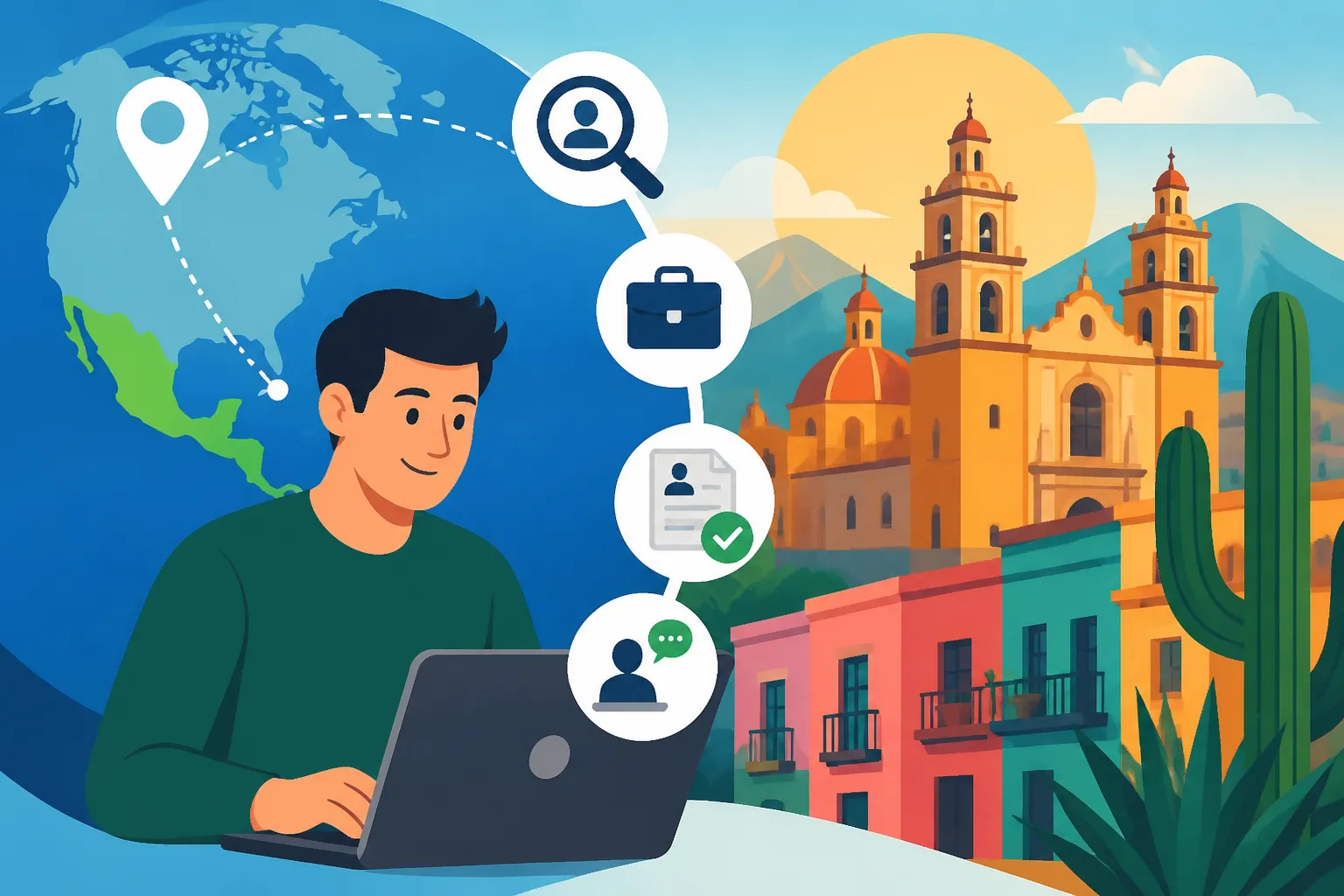
Trying to land a job in Mexico while you're still living abroad can feel like staring at a closed door, especially when you're not physically present to press the flesh or navigate the local nuances. It's a common frustration for many expats, but don't let that deter you. This guide will walk you through the realistic steps and strategies for finding employment in Mexico from your home country, covering everything from understanding the job market to preparing your applications and navigating the visa process once an offer is on the table.
Disclosure: This post may contain affiliate links. We may earn a commission at no extra cost to you if you make a purchase through these links. Read full disclosure.
The Reality of the Mexican Job Market for Foreigners (From Afar)
Let's be brutally honest from the get-go: finding a job in Mexico from abroad isn't always a walk in the park. Mexican companies, quite understandably, often prefer to hire locally. This isn't just about cultural fit or convenience; it's also about avoiding the administrative complexities and costs associated with sponsoring a foreign worker's visa. However, it's far from impossible, especially if you have specialized skills or are targeting specific industries.
Understanding the Landscape and Local Preference
When you're not physically in Mexico, you're competing against a local talent pool that already understands the culture, speaks the language fluently, and doesn't require any immigration paperwork. Many Mexican employers are hesitant to hire someone from abroad due to the perceived hassle and expense of the work permit process. They might also worry about your commitment to staying long-term, especially if you haven't lived in the country before. This isn't a slight against you; it's simply a practical consideration for businesses.
You'll often find that the most accessible jobs for foreigners involve roles where specific international experience, native English (or another in-demand language), or highly specialized technical skills are a must. Think multinational corporations, international schools, or industries that heavily cater to tourists or foreign clients. Don't expect to easily land a general administrative role, for instance, unless it's with a company specifically seeking a bilingual individual for an international liaison.
Visa and Work Permit Basics for Foreigners
Here's the crucial bit: you generally cannot start working in Mexico on a tourist visa. If you're coming to Mexico with the intention of being employed by a Mexican entity, you will need a work visa and a subsequent residency card with work authorization. This process almost always requires an employer to sponsor you. This means they apply for a work permit on your behalf, which is tied to their company. You apply for the initial visa stamp at a Mexican consulate in your home country, and then you "canje" (exchange) it for your physical residency card once you arrive in Mexico.
This is why getting hired from afar can be tricky. Employers need to be committed enough to navigate the process with you. Without this employer sponsorship, you're pretty much out of luck when it comes to legal employment. Understanding this upfront helps manage expectations and focuses your job search on companies likely to undertake this commitment. For a deep dive into this, you can check out our guide on Working in Mexico: A Guide to Work Visas and Permits for Foreigners.
Strategic Job Search from Your Home Country
While the challenges are real, a strategic approach can significantly boost your chances. The key is to target your efforts, leverage online resources effectively, and start building connections even before you pack your bags.
Online Job Platforms and Professional Networks
Your best friends in this remote job hunt will be online platforms. Don't just stick to the international giants; explore local Mexican job boards as well.
- LinkedIn: This is perhaps your strongest tool. Optimize your profile with keywords relevant to your industry and location (Mexico). Search for roles within multinational companies with offices in Mexico, as these are often more accustomed to hiring foreign talent. Don't be afraid to connect with HR managers and recruiters directly.
- Mexican Job Boards: Sites like OCCMundial and Computrabajo are widely used by Mexican companies. While many listings might require immediate local availability, it’s worth browsing for roles that specifically mention English proficiency or international experience. Learn How to Write a Mexican-Style CV (Currículum) to tailor your application for these platforms.
- Niche Job Sites: If you're in a specialized field, look for industry-specific job boards or forums. For example, if you're in the tech sector, explore Mexican tech communities online. For those looking into education, specific sites for international schools or ESL teaching jobs will be more productive.
- Expat Forums and Groups: Online expat communities on platforms like Facebook often have job sections or at least discussions where members share leads or advice on which companies are known to hire foreigners. These can be goldmines for anecdotal information and potential connections.
When applying through these channels, make sure your resume clearly articulates your willingness to relocate and your understanding of the visa process (even if it's just a sentence expressing your readiness to work with an employer on sponsorship).
Targeting Expat-Friendly Industries
Certain sectors in Mexico are inherently more open to hiring foreigners due to their international nature or a shortage of specific local skills. Focus your efforts here.
- Tourism and Hospitality: Mexico's vast tourism industry, particularly in destinations like Cancún, Playa del Carmen, Puerto Vallarta, and Los Cabos, frequently seeks bilingual staff, especially for management, guest relations, or specialized roles (e.g., dive instructors, tour guides). These roles often require excellent customer service skills and cultural awareness, which expats can bring to the table.
- Education: Teaching English as a Second Language (ESL) is a very common path for expats. International schools also hire certified teachers for various subjects, often paying competitive salaries. You'll likely need a TEFL certification and, for international schools, often a teaching license from your home country. Our guide on Teaching English in Mexico: Comprehensive Guide to Jobs and Qualifications can provide more details.
- Technology and IT: Cities like Guadalajara, Monterrey, and, of course, Mexico City, have burgeoning tech scenes. Companies, especially those serving international clients or developing cutting-edge software, often seek foreign talent with specialized IT skills. Many of these roles are performed in English, making them accessible even if your Spanish isn't perfect.
- Multinational Corporations: Large international companies that have a presence in Mexico are often more accustomed to transferring or hiring foreign employees. They typically have established HR processes to handle work permits and may even offer relocation assistance. Look for companies in sectors like manufacturing, automotive, finance, and consumer goods.
- Freelancing and Remote Work: While not "finding a job" in the traditional sense with a Mexican employer, many expats come to Mexico as digital nomads, working remotely for companies in their home countries. This often requires a different visa strategy, like a temporary resident visa no lucrativa (non-lucrative), and careful consideration of your tax obligations. Check out Remote Work and the Digital Nomad Scene in Mexico for more. If you plan to register as a freelancer in Mexico, understanding How to Set Up as a Freelancer With the SAT in Mexico is crucial.
The Power of Networking (Even Remotely)
Networking isn't just for in-person meetings. You can build valuable connections from afar that can lead to job opportunities.
- Virtual Information Interviews: Reach out to professionals in your field who are already working in Mexico (you can find them on LinkedIn). Ask for a brief virtual coffee chat to learn about their experiences and insights into the market. Frame it as seeking advice, not directly asking for a job. People are often more willing to help when they feel their expertise is valued.
- Online Expat Communities: Join Facebook groups for expats in Mexico or specific cities (e.g., "Expats in Mexico City"). These communities are often incredibly supportive and can offer job leads, introductions, or advice.
- Industry-Specific Webinars and Online Events: Participate in virtual conferences or webinars related to your industry that focus on the Latin American or Mexican market. This shows initiative and allows you to gain insights and potentially connect with key players.
- Leveraging Your Existing Network: Don't forget your current professional contacts. Let them know you're looking for opportunities in Mexico. You never know who might have a connection or know someone who does. The Mexican business culture places a high value on personal relationships and referrals, so starting to build your network early is a huge advantage. Dive deeper into this topic with our article on Networking in Mexico: Building Professional Connections as an Expat.
Preparing Your Application and Interviewing
Once you've identified potential roles, your application needs to stand out. Remember, you're not just applying for a job; you're also implicitly asking an employer to undertake a visa sponsorship. Your application needs to convey confidence, capability, and commitment.
Tailoring Your CV and Cover Letter
Mexican resumes (curriculums vitae) can differ slightly from those in your home country. While there's no single strict format, here are some tips:
- Concise and Professional: Keep it to 1-2 pages. Focus on achievements, not just responsibilities.
- Photo (Optional but Common): It's still relatively common for CVs in Mexico to include a professional headshot, though it's becoming less universal. Use your judgment.
- Language: If the job posting is in Spanish, submit your CV in Spanish. If it's in English, submit it in English. If you're applying to a bilingual role, consider offering both or a combined bilingual version.
- Contact Information: Include your international phone number with country code and a professional email address. Mention your current location but also clearly state your willingness to relocate to Mexico.
- Educational Equivalence: If your qualifications are from outside Mexico, briefly mention what they are equivalent to or state that they are internationally recognized.
Your cover letter is where you address the "from abroad" elephant in the room. Clearly express your enthusiasm for working in Mexico, your understanding of the relocation process, and your commitment to making the move. Briefly explain why you want to work in Mexico and what unique value you bring.
Acing the Remote Interview
Most initial interviews will be virtual. Treat them with the same professionalism as an in-person meeting.
- Test Your Tech: Ensure your internet connection, microphone, and camera are working perfectly. Do a test call with a friend beforehand.
- Professional Background: Choose a quiet, well-lit space with a neutral background.
- Time Zone Awareness: Double-check the time difference! Missing an interview or logging in late due to a time zone mix-up is a huge red flag.
- Research the Company and Culture: Show you've done your homework. Understand their mission, recent news, and, if possible, get a feel for their corporate culture. Demonstrate an awareness of Mexican business etiquette and workplace norms.
- Anticipate Visa Questions: Be prepared to discuss your understanding of the work permit process and your commitment to it. Reassure them you are serious about making the move.
- Follow Up: Send a polite thank-you email within 24 hours, reiterating your interest and appreciation for their time.
Addressing the Spanish Language
Let's be clear: while some roles for foreigners might not require fluent Spanish, having at least conversational Spanish will significantly broaden your opportunities and make your daily life much smoother. Even for English-speaking roles, an employer will see basic Spanish skills as a huge plus, indicating your commitment to integrating.
If your Spanish isn't up to par, start learning now. Apps like Duolingo or Babbel are great for beginners, but for more structured learning and conversational practice, consider platforms like iTalki. It allows you to connect with native Spanish tutors for one-on-one lessons, often at very affordable rates. Practicing with a native speaker is invaluable for building confidence and practical communication skills, and iTalki makes it accessible from anywhere in the world. Being able to demonstrate even a basic level of Spanish during an interview can make a strong positive impression.
Post-Offer: Navigating the Work Permit and Relocation
Congratulations, you got the offer! Now comes the administrative part, which is where things get real.
Employer Sponsorship and the Visa Process
Once you have a job offer from a Mexican company, they will typically initiate the work permit process with the National Institute of Migration (INM). This usually involves them getting an approval for your work permit in Mexico, which then allows you to apply for a temporary resident visa with permission to work at a Mexican consulate in your home country.
Here's a general outline:
- Employer Submits Application: Your prospective employer will submit an application to the INM in Mexico, providing details about the job, your qualifications, and justifying the need to hire a foreigner.
- INM Approval: If approved, the INM issues an authorization letter (often called an oficio).
- Consular Interview: You then take this authorization letter, along with other required documents (passport, photos, application form, etc.), to a Mexican consulate in your country of residence. You'll have an interview, and if successful, they will stamp a temporary resident visa into your passport. This process can take several weeks or even a few months, so patience is key. Check our guide on The Temporary Resident Visa for Mexico: Step-by-Step for detailed requirements.
- Entry to Mexico and Canje: Once you enter Mexico with this visa stamp, you have a limited time (usually 30 days) to register with the INM office in Mexico and exchange your visa stamp for your physical temporary resident card, which will explicitly state your permission to work. This process is called canje and it's a critical step that cannot be skipped.
It's vital that your employer is knowledgeable and proactive in this process, as most of the heavy lifting for the initial work permit application falls on them. Be prepared to provide a lot of documentation, potentially including apostilled or legalized diplomas and professional references.
Financial and Tax Considerations for Your Move
Moving to a new country always involves financial planning. You'll need funds for your initial travel, temporary accommodation until you find a permanent place, and general settling-in costs. Even with a job offer, it's wise to have a financial buffer. Consider the Cost of Living in Mexico: 2026 Comprehensive Guide for budgeting.
Once you start earning income in Mexico, you'll become a tax resident and will be subject to Mexican income tax. Understanding your obligations is paramount. You might also have tax obligations in your home country, depending on its laws (e.g., U.S. citizens have worldwide income tax obligations). This is where professional help comes in handy. Companies like Taxes for Expats specialize in helping foreign residents navigate the complexities of international tax laws, ensuring you comply with both Mexican and your home country's regulations. Planning this aspect of your move ahead of time can save you a lot of headaches down the line. It's a good idea to consult them to understand your specific situation regarding Do Expats Need to File Mexican Taxes on Foreign Income?.
| Job Search Platform | Focus | Pros | Cons |
|---|---|---|---|
| Professional networking, corporate roles | Global reach, often preferred by multinationals, easy networking | Can be competitive, fewer roles for entry-level Spanish speakers | |
| OCCMundial | Local Mexican job market | Extensive listings for Mexican companies, good for various levels | Primarily Spanish listings, may require local contact |
| Computrabajo | Local Mexican job market | Large database, user-friendly interface, common for many industries | Similar to OCCMundial, might be less expat-focused |
| Indeed / Glassdoor | General job search, global reach | Familiar interface, good for international companies | Can be overwhelming with non-relevant roles, less local focus |
| Expat Facebook Groups | Community-driven, specific expat roles | Niche opportunities, personal recommendations, advice | Less formal, can be unverified listings |
In conclusion, finding a job in Mexico from abroad requires a well-researched, patient, and proactive approach. While the journey has its hurdles, particularly with the visa process, a clear strategy and an understanding of the local market can pave the way for a successful move. Keep at it, and you'll soon be enjoying life and work in Mexico!
Disclaimer
The information provided in this guide is for general informational purposes only and does not constitute legal, financial, or immigration advice. While we strive to keep the information up-to-date and accurate, regulations and requirements in Mexico can change frequently. It is highly recommended that you consult with a qualified immigration lawyer, tax professional, or other relevant expert for advice tailored to your specific situation before making any decisions related to employment or residency in Mexico.