How to Get Car Insurance in Mexico
One of the biggest shocks for new arrivals in Mexico is realizing that your perfectly good US or Canadian car insurance is effectively a piece of scrap paper once you cross the border. I spent hours arguing with my agent back home before moving to Jalisco, only to find out the hard way that Mexican law requires specific local liability. This guide walks you through navigating the complex, often frustrating world of Mexican car insurance so you don't get stuck in legal limbo.
Disclosure: This post may contain affiliate links. We may earn a commission at no extra cost to you if you make a purchase through these links. Read full disclosure.
The Non-Negotiable Legal Reality of Driving in Mexico
If you are planning to get behind the wheel in Mexico, the first thing you need to understand is that Mexican law operates on a "guilty until proven innocent" basis in the event of a traffic accident. This is not meant to scare you, but to highlight why having the right insurance is a legal shield, not just a financial one. In many states, if you are involved in an accident that causes damage or injury, you may be detained by the police until it is determined who is at fault and that you have the means to pay for the damages.
Unlike in the United States or Canada, where your insurance company might handle everything through phone calls and digital claims days later, Mexico relies on a physical presence at the scene. Your policy must be issued by a Mexican insurance company. Even if your foreign policy claims to have "Mexico coverage," it is almost always limited to physical damage to your own vehicle and rarely meets the legal requirements for third-party liability within Mexican territory. Without a policy from a licensed Mexican carrier, you are effectively driving uninsured in the eyes of the law. This is a primary factor to consider when looking at the Cost of Living in Mexico: 2026 Comprehensive Guide because insurance is a fixed cost you cannot skip.
Understanding the Types of Coverage
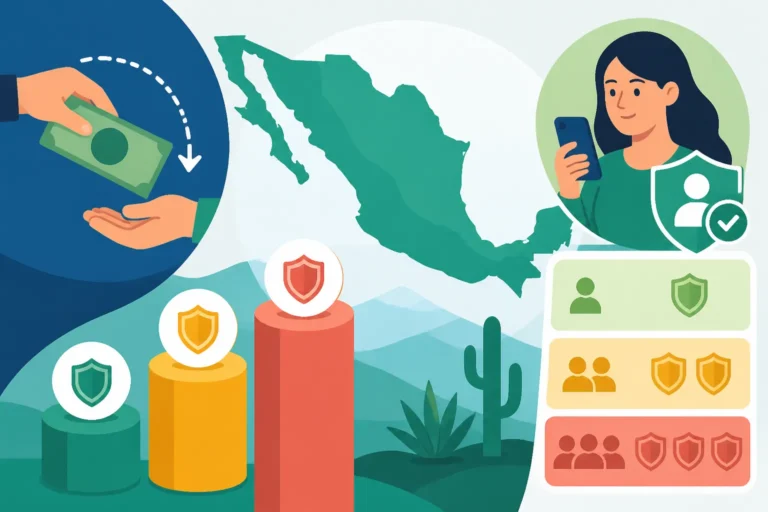
Navigating the various tiers of coverage can feel like a maze, especially when the terminology is in Spanish. Broadly speaking, you will encounter three main types of policies. Understanding these is vital before you start Buying Property in Mexico: Comprehensive Guide for Foreign Buyers and decide to settle down in a specific region where driving is essential.
Responsabilidad Civil (Liability Only)
This is the bare minimum required by law. It covers the damages you cause to other people’s property or any injuries to third parties. It does not cover your own car, your own medical bills, or theft of your vehicle. While this is the cheapest option, it is generally discouraged for expats. If you are involved in a multi-car pileup or a serious accident, the minimum limits on these policies are often insufficient to cover the legal demands of the other parties involved.
Limitada (Limited Coverage)
Limited coverage typically includes everything in the Liability policy plus coverage for the total theft of your vehicle. It is important to note that "Limited" usually does not cover "Partial Theft." If someone breaks your window and steals your stereo or your laptop from the backseat, this policy will likely not pay out. It also typically covers fire and natural disasters.
Amplia (Comprehensive/Full Coverage)
This is the standard for most expats. It covers liability, total theft, and physical damage to your own car (chocues). In a country where road conditions can be unpredictable—think deep potholes in a sudden rainstorm or the occasional "topes" (speed bumps) that aren't painted—having your own vehicle covered is a massive relief. Most comprehensive policies also include "Asistencia Legal" (Legal Assistance) and "Fianza" (Bail Bond), which are critical if you end up in a dispute with the local authorities.
The Role of the Ajustador: A Unique Mexican Experience
I’ll never forget my first minor fender-bender in Querétaro. I did what I would do back home: I started to pull over to the side of the road to get out of traffic. My Mexican friend screamed, "Don't move the car!" In Mexico, the "Ajustador" (Insurance Adjuster) is the most important person in your life during an accident.
When an accident occurs, you call your insurance company immediately. They will dispatch an adjuster to your physical location. You should not move your vehicle until the adjuster arrives and tells you to move it, unless it is a life-threatening situation or a police officer explicitly orders you to do so. The adjuster from your company and the adjuster from the other party’s company will meet on the street, look at the paint scrapes, and negotiate right there who is at fault.
This process can take anywhere from thirty minutes to three hours depending on traffic. This is why you will often see cars sitting in the middle of a busy intersection in Mexico City or Guadalajara; they are waiting for the adjusters. If you move your car, you may be admitting fault or complicating the claim process. Understanding this cultural nuance is as important as knowing What to Do If You’re Pulled Over by Police in Mexico.
Essential Documents and Requirements
Getting the policy is relatively straightforward, but you need your paperwork in order. The requirements differ slightly depending on whether you are insuring a car with foreign plates (usually under a Temporary Import Permit (TIP) for Cars: What Residents Should Know) or a Mexican-plated vehicle.
For a Mexican-plated car, you will need:
- The "Factura" or "Refactura" (the original proof of purchase or title).
- The "Tarjeta de Circulación" (the plastic registration card).
- A valid driver’s license (your home country license is usually fine for tourists, but residents should look into Exchanging a Foreign Driver’s License for a Mexican License).
- Your RFC (Tax ID). If you don't have one yet, you can learn How to Get an RFC in Mexico.
- Proof of address (Comprobante de domicilio), like a CFE electric bill.
For a foreign-plated car, you will primarily need your VIN, your passport, and your TIP. Note that most Mexican companies will only insure foreign-plated cars for "Tourist" periods (up to 180 days) or through specific "Expat" brokers who specialize in long-term foreign plate coverage.
Comparing Major Insurance Providers in Mexico
There are dozens of insurance companies in Mexico, but a few "big players" handle the majority of expat policies due to their established infrastructure and English-language support.
| Company | Known For | English Support | Claim Speed |
|---|---|---|---|
| GNP Seguros | Largest Mexican insurer, very reliable. | Moderate | Good |
| AXA | International brand, high standards. | High | Very Good |
| Quálitas | Specializes specifically in auto insurance. | Limited | Excellent |
| HDI | German-owned, very popular in the Bajío region. | Moderate | Good |
| Mapfre | Massive presence, good for bundled home/auto. | Moderate | Moderate |
When paying for these policies, I highly recommend using Wise to handle the currency conversion. Mexican insurers will quote you in Pesos, and if you pay with a US or Canadian credit card, the bank's internal exchange rate will eat into your savings. By using Wise, you can transfer the exact amount of Pesos needed at the mid-market rate, which can save you several hundred dollars on a high-end comprehensive policy.
Financial and Tax Implications for Expats
If you are working as a freelancer or running a small business in Mexico, you might want to deduct your car insurance as a business expense. To do this, you must receive a "Factura" (an electronic invoice) from the insurance company that includes your RFC. Without this formal document, the expense is not tax-deductible in Mexico.
Furthermore, for those of us who still have tax obligations in our home countries, keeping detailed records of these expenses is vital. Using a service like Taxes for Expats can help you determine if these local business costs can be leveraged against your global tax liability. Managing your finances across borders is a constant balancing act, and car insurance is just one piece of the puzzle. You might also want to review Best Banks in Mexico for Expats: Comparing Fees and Services to ensure your local account is set up to handle automatic insurance renewals.
Common Pitfalls and How to Avoid Them
The most common mistake I see is people letting their insurance expire because they forgot that "renewal" works differently here. Many policies do not automatically renew by charging your card; they require you to proactively pay the next "póliza." If you are out of the country and your insurance lapses, your car is unprotected even while parked on the street.
Another pitfall is the "Deducible" (Deductible). In Mexico, deductibles are often calculated as a percentage of the car's value, not a flat dollar amount. For example, a 5% deductible on a $20,000 USD car means you pay the first $1,000 of any claim. Always check if your policy uses "Valor Comercial" (Market Value) or "Valor Factura" (Invoice Value) to determine how much you'll get back if the car is totaled.
Finally, be aware of the "Lucrativa" clause. If you are using your personal car for ride-sharing apps, your standard insurance will likely be void in an accident. You must have a specific policy for that. If you're wondering Are Taxis Safe in Mexico? Using Cabs vs Ride-share Apps, just remember that the insurance the driver carries is your primary safety net.
Buying Your Policy: Broker vs. Direct
You can buy insurance directly from a bank or the insurance company’s website, but I always suggest using a specialized expat broker. A broker doesn't usually cost you more—they get a commission from the insurer—but they act as your advocate. When I had a dispute over a repair at a local shop, my broker was the one who called the insurance company and fought to have the parts replaced with OEM (original) parts instead of generics.
Brokers who understand the expat market can also help you navigate the Bringing Your Car vs Buying in Mexico: Pros and Cons for Expats debate. They know which companies are "foreigner-friendly" and which ones have adjusters who speak at least a little English.
Practical Tips for the Road
- Keep a Printed Copy: While digital is becoming more common, many police officers in rural areas still want to see a physical, printed "Póliza de Seguro." Keep it in your glove box alongside your How to Get a CURP as a Foreigner: The Mexican ID Number Explained document copy.
- Download the App: Most major insurers (GNP, AXA) have apps that allow you to report an accident with one click, sending your GPS coordinates directly to the dispatcher.
- Check Your Roadside Assistance: Most comprehensive policies include free towing, gas delivery, and jump-starts. This is a lifesaver on long stretches of Driving in Mexico: Toll Roads (Cuotas) vs Free Roads (Libres).
- Don't Forget the Trailer: If you are towing a boat or a small camper, it must be listed on the policy, or the liability coverage won't extend to it.
Disclaimer
The information provided in this guide is for informational purposes only and does not constitute legal or financial advice. Insurance laws and regulations in Mexico can change frequently. You should always consult with a licensed Mexican insurance broker or legal professional to ensure your specific policy meets current legal requirements and provides adequate coverage for your situation. Stay safe on the roads!