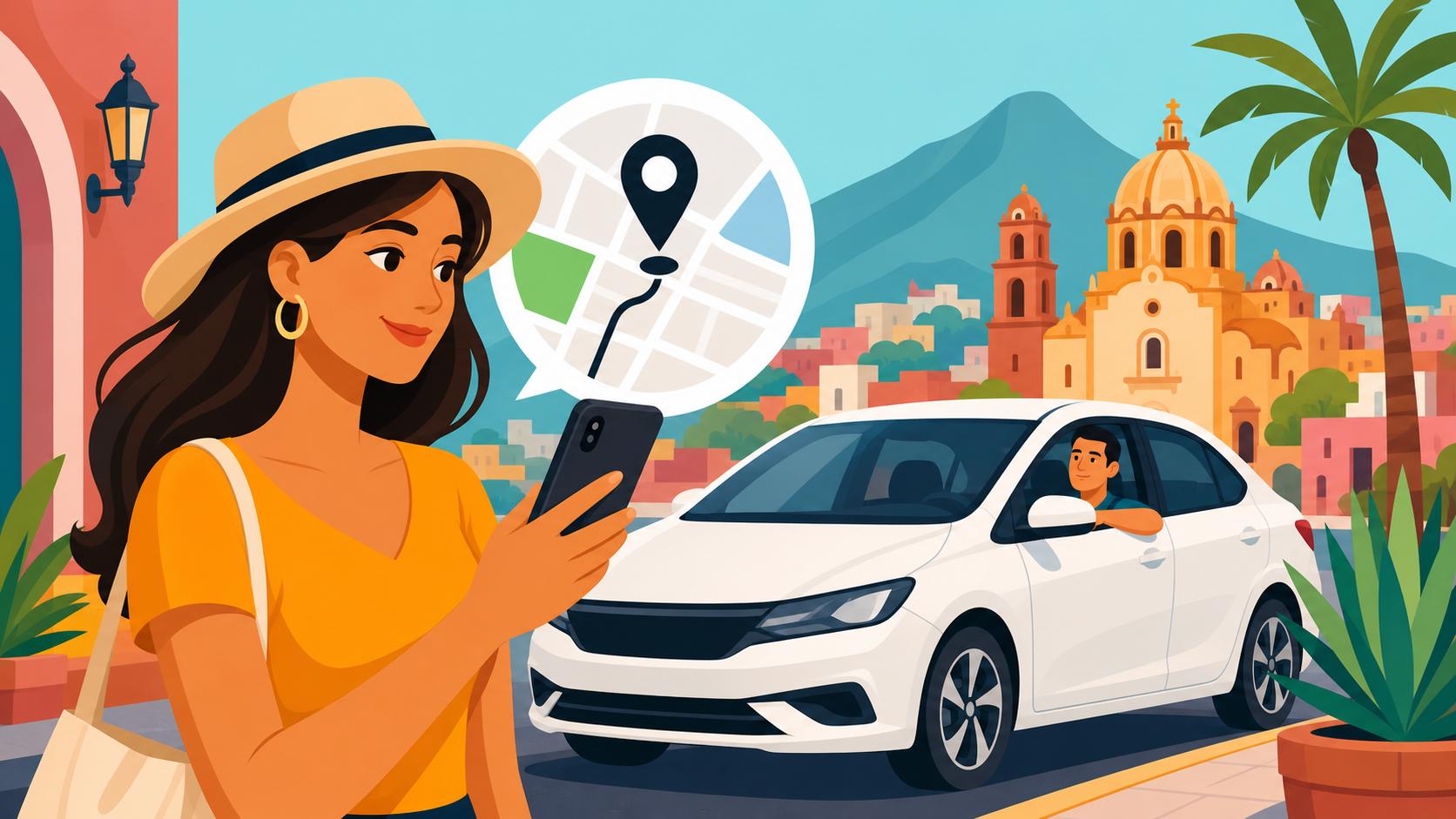
Using Uber and Ride-Sharing Apps: A Guide for Expats in Mexico
Stepping out of an airport or a late-night dinner in a new Mexican city can feel like a high-stakes guessing game when it comes to transportation. I remember my first week in Querétaro, standing on a street corner with my luggage, absolutely paralyzed by the fear that I’d be overcharged or end up in a "libre" taxi that didn't have a working seatbelt. This guide solves the confusion by providing a battle-tested roadmap for navigating Mexico’s ride-sharing world so you can travel with confidence and security.
Disclosure: This post may contain affiliate links. We may earn a commission at no extra cost to you if you make a purchase through these links. Read full disclosure.
Understanding the Ride-Sharing Landscape in Mexico
When you first arrive, you might assume that Uber is the only game in town, but the market here is surprisingly diverse and competitive. While Uber remains the most recognized name, other players like Didi and Cabify offer different price points and features that might better suit your specific neighborhood or budget. Understanding these nuances is the first step toward integrated living in your new home.
Uber vs. Didi vs. Cabify
Uber is the undisputed heavyweight in Mexico. It is available in almost every major city and offers the most polished user interface in English. In my experience, Uber drivers tend to have slightly newer vehicles, and the app’s safety features are the most robust. However, because it is the "premium" option, it is often the most expensive. If you are staying at a Selina location in a trendy neighborhood like Roma Norte or Playa del Carmen, you will find Ubers available within minutes at any hour of the day.
Didi, a Chinese-owned platform, has made massive inroads into the Mexican market by being aggressively cheaper. It is often the preferred choice for locals, which means more drivers are on the road in residential areas far from the tourist zones. The downside is that the app’s English translation can be clunky, and the vehicle quality is sometimes a step below Uber. Cabify, on the other hand, positions itself as a more corporate, high-end service. It isn't available in as many cities, but if you are in Mexico City or Monterrey and need a driver who is more likely to be professional and perhaps even speak a bit of English, it’s worth having on your phone.
Regional Availability and Taxi Conflicts
One of the most important things to realize as an expat is that ride-sharing is not a monolith across the country. In some states, the local taxi unions (sindicatos) have fought tooth and nail to keep apps out. This is a real-world hurdle that can lead to uncomfortable situations if you aren't prepared. For example, in parts of Quintana Roo—specifically Cancun and Tulum—the tension between Uber and the taxi unions has occasionally flared into open conflict.
In these "hot zones," I’ve learned that it’s often better to use the apps discreetly. Some drivers might ask you to sit in the front seat so it looks like you’re just a friend catching a ride. While the legal situation is constantly evolving, always check the local vibe. If you see a long line of aggressive-looking taxis at a bus station, walking a block or two away before pinning your Uber location is a veteran move that saves everyone a headache. For more on staying secure in these situations, check out Safety in Mexico: What Expats Need to Know About Staying Safe.
Practical Steps for Using Apps as an Expat
Getting the tech right is half the battle. You don't want to be fumbling with a failing data connection while standing in a dark alley. Setting up your profile correctly and ensuring you have the right hardware will make your transition to Mexican life much smoother.
Setting Up Your Profile and Connectivity
Before you even book your first ride, make sure your account is linked to a reliable payment method. While most apps allow you to use international credit cards, some expats find that their home banks flag Mexican transactions as fraudulent. I highly recommend having a backup card or even setting up a local account if you plan to be here long-term; you can find more details in our Banking in Mexico: Complete Guide for Foreigners.
Connectivity is the other piece of the puzzle. You cannot rely on "hoping for Wi-Fi" when you're out and about. Many veteran expats use an eSim from Airalo to ensure they have an immediate, reliable data connection the moment they cross the border. Having a steady 4G or 5G signal means your GPS won't lag, and you can share your real-time location with friends or family—a key safety habit. If your phone battery is prone to dying, consider grabbing a high-capacity power bank from Amazon Mexico so you're never left stranded without access to your apps.
Safety Features and Real-World Protocols
I cannot emphasize enough how important it is to use the built-in safety features of these apps. Every time I get into a car, I make sure to verify the license plate and the driver’s name. In Mexico, it is common for families to share cars, but the person behind the wheel should always match the photo on your screen. If they don’t, do not get in. Most apps now offer a "PIN" feature where the driver must enter a code provided by you before the ride can begin—enable this in your settings immediately.
Beyond the app, adopt the "back seat, opposite side" rule. Sitting behind the passenger seat gives you the most room and the easiest exit if things feel weird. It also keeps you out of the driver's direct line of sight in the rearview mirror, providing a bit more privacy. If you are still working on your language skills to communicate your destination more clearly, take a look at Learning Spanish in Mexico: Top Tips and Resources for Expats. Being able to say "Siga el GPS, por favor" (Follow the GPS, please) or "Aquí está bien" (Here is fine) goes a long way.
Cost Comparisons and Payment Methods
Budgeting for transportation is a big part of the Cost of Living in Mexico: 2026 Comprehensive Guide. While rides are significantly cheaper than in the US or Europe, the costs can add up if you're using "Uber Black" or traveling during peak surge pricing.
Cash vs. Card in Mexico
One of the biggest culture shocks for new expats is that Didi and even Uber allow for cash payments in Mexico. This is a double-edged sword. On one hand, it’s great if your card is acting up. On the other hand, it can lead to disputes over change. I’ve had many drivers tell me they don't have "cambio" (change), effectively forcing a larger tip.
If you choose to pay with cash, always carry small denominations. However, I strongly suggest sticking to digital payments. It creates a paper trail and eliminates the awkwardness of handling physical money at the end of a trip. If a driver ever asks you to cancel the ride and pay them in cash instead—a common tactic to avoid the app’s commission—politely decline. It voids all the safety protections and insurance coverage provided by the platform. You can find more advice on handling these minor financial interactions in our guide on Tip Culture: How Much to Tip for Services (From Maids to Waiters).
| Feature | Uber | Didi | Cabify |
|---|---|---|---|
| Average Price | Moderate to High | Low | High |
| Availability | Nationwide | Most Cities | Major Hubs Only |
| App Language | Excellent English | Basic English | Spanish Only/Basic |
| Vehicle Quality | Good to Premium | Varied | Generally High |
| Safety Features | PIN, GPS Sharing | GPS Sharing | Professional Vetting |
Understanding Tipping and Service Fees
Tipping in Mexican ride-share apps is not strictly mandatory, but it is highly appreciated and increasingly expected as fuel prices rise. Usually, a tip of 10% to 15% is generous, or simply rounding up the fare. Unlike in the US, you won't be "chased down" for a tip, but if a driver helps you with heavy groceries or waits for you outside a pharmacy, a few extra pesos go a long way in building good karma.
Be aware that "surge pricing" (dinámica) can be extreme during a rainstorm in Mexico City or on a Saturday night in Guadalajara. If the price looks insane, sometimes waiting ten minutes or walking two blocks away from a major venue can drop the price by half. If you're living in a high-demand area, you might find that Renting a Home in Mexico: Complete Expat Guide to Leases, Deposits, and More near a Metro or Metrobus line is a smarter financial move than relying solely on apps.
Navigating Local Challenges and Etiquette
The "rules of the road" in Mexico involve a lot of unspoken social cues. Being a polite and savvy passenger will not only get you better ratings but also ensure a more pleasant experience.
Dealing with Airport Restrictions
This is the biggest pain point for most expats. Federal zones, like airports, have historically banned ride-sharing apps from picking up passengers at the terminal curb. In Mexico City (MEX), for example, you often have to walk to a specific designated zone or even cross a pedestrian bridge to meet your driver. Drivers who try to pick you up at the official taxi stand risk heavy fines or having their cars impounded.
When you land, the app will usually give you specific instructions on where to go. Follow them meticulously. Don't expect the driver to come to you if the app says "Go to Gate 7, second lane." If you’re carrying a lot of gear—maybe you just ordered some household essentials from Amazon Mexico and are bringing them back from a PO box—take a registered airport taxi instead. They are more expensive, but they are allowed to park right at the exit, saving you a long, sweaty trek with heavy bags.
Cultural Nuances and Communication
In Mexico, "please" and "thank you" (por favor and gracias) are the currency of the land. When you enter the car, a quick "Buenas tardes" or "Buenos días" is standard etiquette. Mexican culture is generally more formal and polite than what many are used to in the North. Being a "demanding" passenger who stays silent and stares at their phone can sometimes be perceived as rude.
If the driver takes a route that looks different from what you expected, don't immediately assume the worst. Traffic in cities like Mexico City or Monterrey is chaotic, and drivers often know shortcuts to avoid "manifestaciones" (protests) or road construction that hasn't hit the GPS yet. If you are concerned, simply ask, "¿Hay mucho tráfico por allá?" (Is there a lot of traffic that way?). Most drivers are happy to explain the detour. If you're moving with your family, check out Family Life in Mexico: A Guide for Expats Moving with Children for tips on using apps with car seats and strollers, which can be a bit more complicated here than back home.
Final Advice for New Arrivals
Navigating Mexico via ride-sharing is one of the great conveniences of modern expat life. It opens up the city in a way that wouldn't be possible if you were limited to the bus or expensive private drivers. By staying aware of your surroundings, choosing the right app for the right city, and maintaining a polite demeanor, you’ll find that getting around is one of the easiest parts of your new life. Just remember to always have your phone charged, keep your data active via Airalo, and don't be afraid to walk a block away from the crowd to find a safer, quieter pickup spot.
Disclaimer
The information provided in this guide is for informational purposes only and does not constitute legal or safety advice. Ride-sharing regulations and safety conditions in Mexico can change rapidly. Always exercise personal judgment and consult local authorities or official app communications for the most current information regarding transportation in your specific region.