Understanding Mexico’s Resident Visa Cards: Temporary vs Permanent Design
Standing in a sweltering immigration office, clutching a numbered ticket while staring at a sea of bureaucratic forms, is a rite of passage for every expat in Mexico. I remember the sheer anxiety of my first appointment, wondering if a single typo on my application would send me back to the border. This guide demystifies the physical residency cards you receive from the Instituto Nacional de Migración (INM), explaining every design detail so you can navigate the system with confidence.
Disclosure: This post may contain affiliate links. We may earn a commission at no extra cost to you if you make a purchase through these links. Read full disclosure.
Anatomy of a Mexican Residency Card
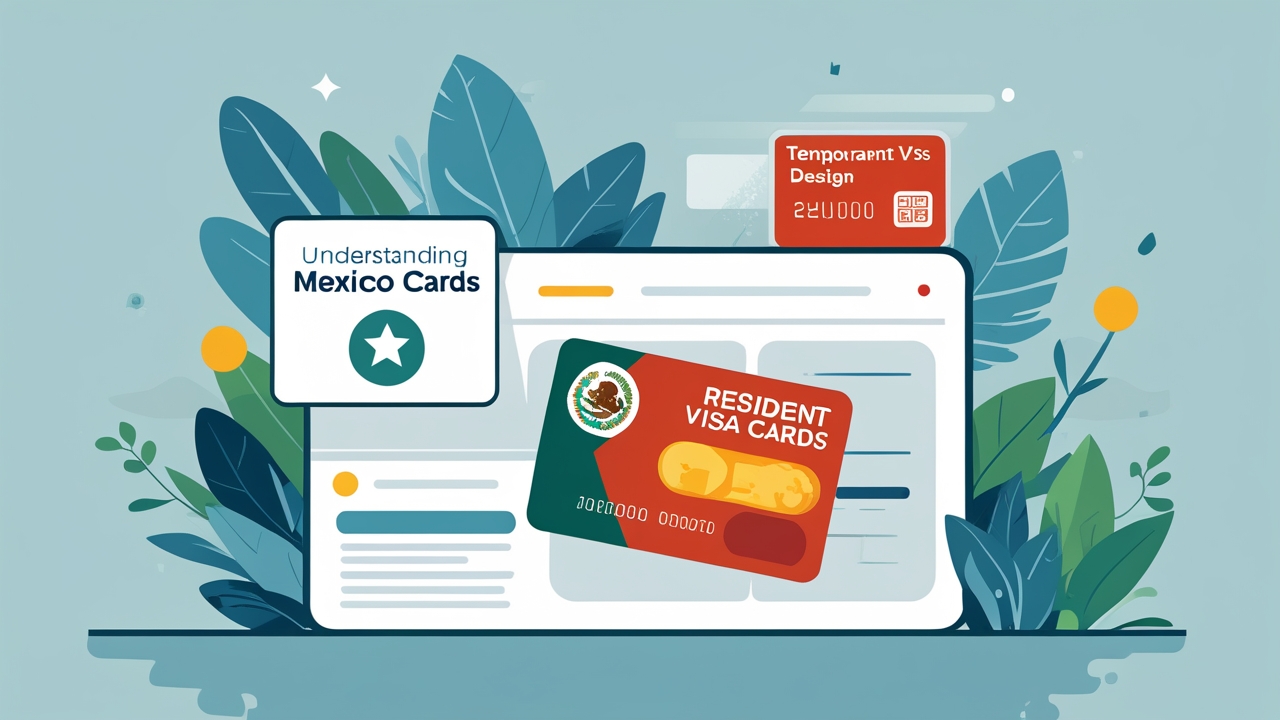
The physical residency card is more than just a piece of plastic; it is your legal identity within the borders of Mexico. Many newcomers find the layout confusing, especially since it contains several alphanumeric codes that are critical for everything from opening a bank account to signing a lease. Understanding what each field represents is the first step in ensuring your paperwork is in order.
Front of the Card: Your Primary Identity Data
The front of the card is dominated by your photograph and the most critical identification number in the country: the CURP. I’ve spent countless hours explaining to friends that while your passport number might change every decade, your CURP is forever. This 18-character code is essential for accessing government services. If you are unsure how this number is generated or why it is so vital, you should read our guide on How to Get a CURP as a Foreigner: The Mexican ID Number Explained.
Below the CURP, you will find your full name, nationality, and sex. It is imperative to check these fields before leaving the INM office. I once knew an expat who lived for three years with a misspelled last name on his card, only to have a nightmare scenario when trying to sell his car because the names didn't match his title. The front also clearly states whether you are a Residente Temporal or a Residente Permanente. This distinction is the primary design difference you will notice immediately.
Finally, the front features a holographic seal and a unique "Número de Expediente" or "NUE." This is your internal file number with immigration. If you ever need to track a renewal or an update, this is the number the agents will ask for. Because the application process often requires translating foreign birth certificates or marriage licenses, using a service like RushTranslate can ensure that the names and dates on your original documents perfectly align with what ends up on your card's face.
Back of the Card: Conditions and Metadata
The back of the card is where the "fine print" of your legal status lives. One of the most important sections is the "Condición de Estancia," which dictates what you are allowed to do in the country. For temporary residents, this area often includes a note about whether you have permission to work.
You will also find a machine-readable zone at the bottom, similar to what you see on a passport. This allows immigration officers at airports to scan your card quickly. There is also a QR code that, when scanned by authorities, provides a digital link to your records in the INM database. This is a security feature designed to prevent the use of forged cards, which unfortunately do circulate in some tourist hubs.
Another critical piece of information on the back is your date of birth and your "Pie de Imprenta," which is essentially the print date of the card. Many expats ignore the back of the card until they are asked for it at a police checkpoint or a bank, but keeping this information clean and legible is a requirement of your stay.
Temporary vs Permanent: Decoding the Design Differences
While the general layout of the cards remains consistent, the specific markers for Residente Temporal and Residente Permanente are designed to be distinguished at a glance by authorities. Knowing these differences helps you understand your own limitations and privileges as an expat.
Color Coding and Text Indicators
In current design iterations, the most obvious difference is the bold text located near the top right of the card face. A Mexico Temporary Resident Visa: Comprehensive Guide for Expats (2026 Update) card will clearly state "Residente Temporal." These cards are often associated with those who are still in their first four years of living in Mexico.
Conversely, a Mexico Permanent Residency Explained: A Complete Guide (2027) card will state "Residente Permanente." Beyond just the text, the background guilloche patterns—those intricate, swirly lines used to prevent counterfeiting—can sometimes vary slightly in hue or pattern density between the two types of residency. The permanent card is often viewed with a bit more "prestige" by local officials, as it implies a long-term commitment to the country and, importantly, it never expires.
| Feature | Residente Temporal | Residente Permanente |
|---|---|---|
| Header Text | Residente Temporal | Residente Permanente |
| Expiration Date | Usually 1, 2, or 3 years | "Permanente" / No Expiry |
| Work Rights | Often requires separate permit | Automatic work rights |
| Renewal Needed | Yes (until year 4) | No (only for photo/address) |
| CURP Included | Yes | Yes |
Expiration Dates and Validity Markers
The most significant visual "tell" on the card is the expiration date. For temporary residents, the "Fecha de Vencimiento" is the most stressful date on their calendar. Usually, the first card is issued for only one year. Subsequent renewals can be for one, two, or three years, totaling a maximum of four years. If you are approaching the end of your four-year stint, you will need to look into Requirements for Renewing Temporary Residency After Four Years (2026 Rules) to transition to permanent status.
The permanent residency card, however, typically lists "PERMANENTE" or a very distant date in the expiration field. This design choice is a massive relief for those of us who have spent years tracking renewal windows. However, don't let the "permanent" label fool you into thinking you never have to visit the INM again. If you change your address or marital status, or if your appearance changes significantly as you age, you are legally required to update the card to ensure the design matches your current reality.
Functional Implications of the Design
The design of your card doesn't just dictate how it looks in your wallet; it dictates how you interact with the Mexican economy and legal system. Small text additions or omissions can have a massive impact on your daily life.
Lucrativa vs No Lucrativa Status
On the back of many temporary residency cards, you will see the phrase "No Lucrativa" or "Permiso para trabajar." This is a crucial distinction. If your card was issued based on economic solvency (pension or savings), it will likely be "No Lucrativa." This means you are legally barred from earning money from a Mexican source.
If you decide to start a local business or take a job with a Mexican company, you must apply for an update. For more details on this process, see Can You Work on a Temporary Resident Visa in Mexico? Rules Explained. When your status changes, the INM will actually issue you a brand-new card with the updated text. This is why many expats choose to work with specialists to ensure their initial application matches their intent, often requiring How to Translate Documents for Your Mexican Visa Application (Certified Translations) through a reliable partner like RushTranslate to prove professional credentials.
Permanent residents have a much simpler design in this regard. Their status automatically includes the right to work, so the "Lucrativa" distinction is inherent in the "Residente Permanente" header. This is one of the biggest Temporary vs Permanent Residency in Mexico: Key Differences and Benefits that leads many to skip the temporary route if they qualify for permanent status immediately through retirement or family ties.
Entry and Exit Requirements
One of the most frequent questions I get from new expats is whether they need to carry their card when they travel. The answer is a resounding yes. The design of the card includes specific codes that airline staff must enter into their systems when you depart or enter Mexico.
When you leave the country, you no longer use a paper FMM (tourist card). Instead, you present your residency card. If the card is damaged—perhaps the plastic is peeling or the text is faded—you may face significant delays at the airport. Officials need to be able to read the expiration date and scan the machine-readable zone without issue. Before you even get your card, many consulates require proof of health coverage, which is where a provider like Cigna Global comes in handy. Having your insurance sorted is often a prerequisite for the visa that eventually becomes the card you hold. For more on this, check out Do You Need Health Insurance for a Mexican Residency Visa?.
Common Administrative Hurdles and Card Maintenance
Once you have that card in your hand, the battle isn't entirely over. The physical card is a government document that requires a certain level of upkeep. Failing to maintain the card's integrity or failing to report changes to the data it displays can lead to fines or even the loss of your residency.
Keeping Information Current: Address and Marital Status
The INM database is linked to the information displayed on your card. Even though your address isn't printed in large letters on the front, it is registered in the system associated with your NUE. If you move houses, you have 90 days to notify the INM. They won't always issue a new card for a simple address change, but they will update your electronic file.
However, if you get married or changed your name, you will definitely need a new card. This requires a formal "Notificación de Cambio" process. I've seen people get stuck at the border because they changed their name legally in their home country but never updated their Mexican residency card. The discrepancy between their new passport and their old residency card caused a major red flag. Always make sure your documents are synchronized. For those still in the planning stages, Surviving the INM Office: Tips for a Smooth Visa Processing Day offers great advice on how to handle these updates without losing your sanity.
Replacement for Lost or Damaged Cards
Accidents happen. I once had a friend whose dog decided his residency card was a high-value chew toy. If your card is lost, stolen, or destroyed, you must go through the replacement process immediately. This involves filing a police report (especially if stolen) and then applying for a "Reposición" at the INM.
It is a tedious process that involves paying the fee again and waiting for a new card to be printed. If you find yourself in this situation, refer to our guide on Lost Your FMM or Residency Card? Steps to Replace Lost Immigration Documents for a step-by-step recovery plan. My best advice? Take a high-quality photo of the front and back of your card the moment you receive it and save it to a secure cloud drive. Having those numbers—especially the NUE and CURP—readily available will make the replacement process ten times faster.
Disclaimer
The information provided in this article is for informational purposes only and does not constitute legal or immigration advice. Immigration laws and card designs in Mexico are subject to change without notice. Always consult with the official website of the Instituto Nacional de Migración (INM) or a certified immigration professional before making decisions regarding your residency status.