Mexico City vs Guadalajara: Lifestyle Comparison for Expats
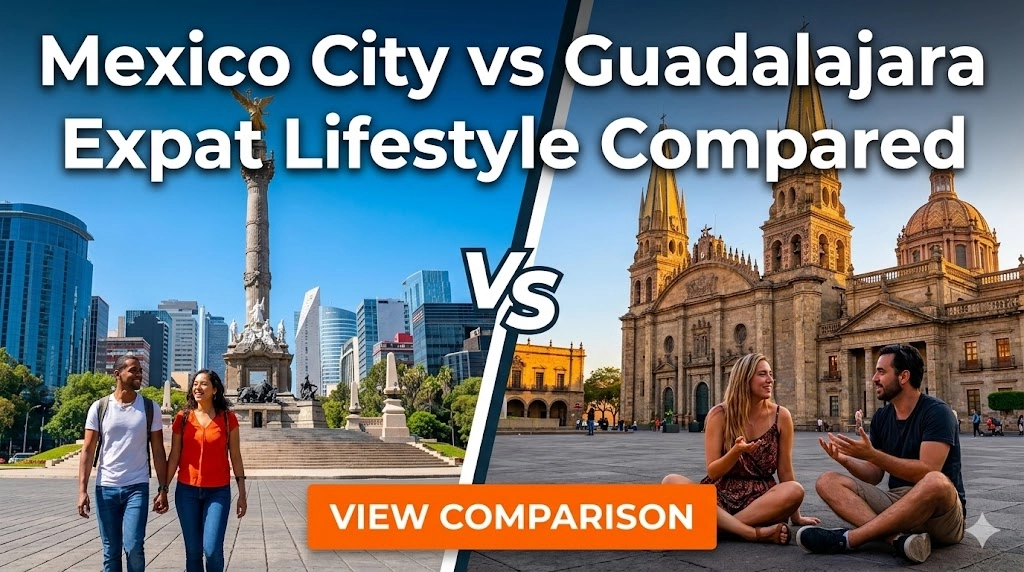
Standing paralyzed at a massive, ten-lane intersection in Mexico City during my first week abroad, I immediately questioned if I had made a massive mistake choosing a chaotic megacity over a quieter colonial town. Choosing between Mexico City (CDMX) and Guadalajara is the ultimate expat dilemma. This comprehensive guide breaks down the culture shock, living costs, and digital infrastructure of both cities so you can confidently choose the exact lifestyle that matches your relocation goals.
Disclosure: This post may contain affiliate links. We may earn a commission at no extra cost to you if you make a purchase through these links. Read full disclosure.
The First Impression and Culture Shock
When you step off the plane in either of Mexico’s two largest cities, the sensory overload is immediate. However, the exact flavor of that culture shock differs drastically between the frantic, cosmopolitan energy of the capital and the fiercely traditional, slightly slower pulse of Jalisco’s capital.
The Altitude and Climate Realities
The physical toll of arriving in Mexico City is something no YouTube vlog can adequately prepare you for. CDMX sits in a high-altitude valley at roughly 7,300 feet (2,240 meters) above sea level. During your first few weeks, you will likely experience mild altitude sickness—shortness of breath simply from walking up a flight of stairs, persistent headaches, and profound dehydration. The climate here is uniquely temperate; it is often described as “eternal spring,” but it can get surprisingly frigid during the winter nights, meaning you will need sweaters and a space heater.
Guadalajara, conversely, sits at a much more forgiving 5,100 feet (1,560 meters). While you might still feel a slight difference in the air, the physical adjustment is drastically easier on the body. Guadalajara enjoys a significantly warmer, more tropical climate for most of the year. The summers can be blistering and intensely humid just before the heavy July rainy season begins. Expats moving to Guadalajara must prepare for intense afternoon thunderstorms that routinely flood the streets, requiring an entirely different wardrobe and physical tolerance for heat compared to the capital.
Regardless of which city you choose, acclimatizing to the new environment takes patience. You must give your body time to adjust to the new elevation, the new bacterial flora in the local water system, and the intense equatorial sun. Pushing yourself too hard during the first week to sightsee or apartment hunt will inevitably lead to exhaustion and a dreaded bout of the “stomach tax.”
The Sheer Scale and Pace of Daily Life
Mexico City is a sprawling, endless monster of a metropolis. With a greater metropolitan population exceeding 22 million people, it is one of the largest and most densely populated urban centers on earth. The pace of life here is relentlessly fast, mimicking the hustle of New York City or Tokyo. People walk fast, the traffic never stops, and the sheer volume of humanity can feel deeply overwhelming. It is a city that never fully sleeps, offering endless global events, concerts, and cultural exhibitions at any given hour.
Guadalajara, known as the “Pearl of the West,” has a metropolitan population of around 5 million. While it is undeniably a massive, economically powerful city, it fundamentally operates with the soul of a large, traditional Mexican town. The pace is noticeably slower. Sunday is fiercely respected as a day of rest and family time, and the relentless, grinding hustle of the capital is replaced by a more relaxed, communal rhythm.
Choosing between the two depends entirely on your nervous system’s capacity for chaos. If you thrive on constant stimulation, endless anonymity, and a dizzying array of subcultures, Mexico City will fuel your energy. If you prefer a city where you can eventually learn the layout, recognize the same vendors at your local market, and enjoy a slightly more predictable daily routine, Guadalajara offers a much softer landing.
Air Quality and Environmental Factors
The geography of Mexico City creates a severe environmental challenge. Because the city sits in a high-altitude basin surrounded by volcanic mountains, pollution becomes trapped. During the dry winter months, the city frequently suffers from thermal inversions, creating thick, visible layers of smog that can irritate the eyes and lungs. Expats with asthma or severe respiratory issues often struggle here, and almost every foreign resident eventually invests in heavy-duty HEPA air purifiers for their apartments to maintain clean indoor breathing spaces.
Guadalajara’s air quality is generally better than that of the capital, largely because it is not trapped in the same type of deep geographic bowl. However, the city’s explosive growth and heavy reliance on personal vehicles have led to increasingly frequent “poor air quality” days, particularly during the dry season before the summer rains wash the atmosphere clean.
Managing these environmental factors requires proactive planning in both cities. You must monitor local air quality index (AQI) apps daily before deciding to go for an outdoor run. For expats looking to escape the pollution on weekends, both cities offer incredible, nearby mountainous retreats where the air is pristine, which we will cover later in this guide.
Neighborhoods and Where to Anchor Yourself
Choosing the right neighborhood (colonia) dictates your entire expat experience. Your neighborhood determines whether you need to buy a car, how safe you feel walking your dog at night, and whether you are paying local or inflated “foreigner” prices for your morning coffee.
Mexico City Bubbles (Roma, Condesa, and Polanco)
In Mexico City, the vast majority of new arrivals funnel directly into the Roma and Condesa neighborhoods. These adjacent colonias are famous for their stunning Art Deco architecture, massive tree-lined avenues (like Avenida Amsterdam), and unparalleled walkability. They are completely saturated with specialty coffee shops, dog parks, and English-speaking digital nomads. However, living here means you exist in a highly gentrified “expat bubble” where you might go days without speaking Spanish.
Polanco is the upscale, deeply manicured alternative in CDMX. Known as the “Beverly Hills of Mexico,” it is home to high-end designer boutiques, massive corporate headquarters, and elite diplomatic residences. It is incredibly safe and pristine, but it completely lacks the bohemian edge and raw cultural vibrancy of Roma. Rents in Polanco are astronomical, catering primarily to executives on corporate relocation packages rather than independent digital nomads.
To bypass the exhaustion of hunting for an apartment while navigating these intense, competitive micro-markets, veteran expats heavily utilize Selina. Booking a private room or a micro-suite at a Selina location in downtown CDMX for your first 30 days is a strategic masterclass. It provides you with an instant, secure landing pad, commercial-grade Wi-Fi, and a community of peers who can give you boots-on-the-ground advice about which surrounding streets are genuinely safe to rent in.
Guadalajara Havens (Colonia Americana and Providencia)
Guadalajara’s neighborhood dynamics are slightly more spread out. The undisputed crown jewel for young expats and creatives is Colonia Americana. Recently named the “coolest neighborhood in the world” by Time Out magazine, Americana is a stunning mix of crumbling colonial mansions, vibrant street art, independent galleries, and incredible underground bars. It is highly walkable and exudes an effortlessly cool, indie vibe that rivals CDMX’s Roma Norte, but at a more manageable scale.
For expats moving to Guadalajara with families or those seeking a quieter, more upscale retirement, Providencia and Puerta de Hierro (located in the adjacent municipality of Zapopan) are the primary targets. Providencia features massive, quiet, tree-lined streets, high-end culinary options, and excellent proximity to international schools. Puerta de Hierro is the city’s modern financial district, dominated by luxury high-rise condos and luxury shopping malls like Andares.
While Guadalajara’s neighborhoods are beautiful, the city as a whole is drastically less walkable than Mexico City. Outside of the Americana and Chapultepec areas, Guadalajara is deeply car-dependent. You will rely heavily on ride-sharing apps or your own vehicle to navigate between the affluent suburbs of Zapopan and the historic center.
The Reality of Unfurnished Mexican Rentals
Whether you choose the trendy streets of Condesa or the quiet avenues of Providencia, you must understand the brutal reality of the Mexican rental market. When you sign a long-term lease for an unfurnished apartment (sin amueblar), you are essentially renting a concrete box.
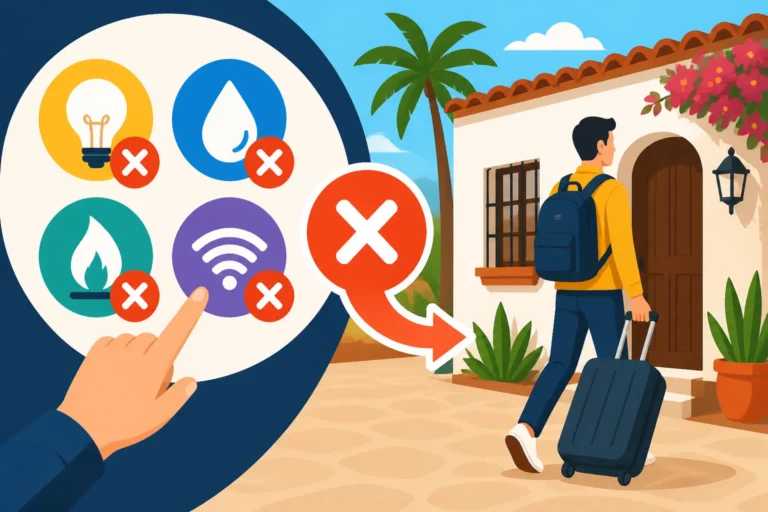
Unfurnished in Mexico means absolutely no appliances. There will be no refrigerator, no stove, no washing machine, and often no built-in closets or light fixtures. You are responsible for outfitting the entire functional interior of the home from scratch. Doing this in the first week by fighting the infamous traffic in either city to visit local big-box stores is an exhausting, spirit-breaking endeavor.
To bypass this chaotic retail supply chain, savvy expats digitize their household setup by relying exclusively on Amazon Mexico. Instead of renting a pickup truck and hauling a mattress through CDMX traffic, you can order high-quality “mattresses in a box,” ergonomic office chairs, microwaves, and specialized cookware directly through the localized Amazon Mexico platform. Because it operates within the country’s domestic logistics network, your items arrive quickly and reliably at your front door, allowing you to rapidly transform an empty concrete echo chamber into a comfortable home. For deeper insights into managing these leases and the dreaded Aval co-signer requirement, review Real Estate in Mexico: Renting vs Buying for Expats.
The Cost of Living Reality Check
Mexico is no longer the dirt-cheap, budget paradise it was ten years ago. The massive influx of foreign capital, combined with a historically strong Mexican Peso (the “Super Peso”), has aggressively shifted the financial realities of both cities.
Renting Trends and Gentrification Taxes
Mexico City has experienced a massive, highly publicized housing crisis driven by gentrification and short-term rental platforms like Airbnb. Rents in the desirable Roma, Condesa, and Polanco neighborhoods have skyrocketed, pricing out locals and forcing expats to pay rates comparable to mid-sized American cities. A modern, furnished two-bedroom apartment in Condesa can easily cost between $1,800 and $3,000 USD a month.
Guadalajara, while not immune to these trends, remains significantly more affordable. Rents in Colonia Americana have risen steadily, but you can still secure a beautiful, spacious apartment for roughly 20% to 30% less than you would pay for the exact same footprint in Mexico City’s expat bubbles. A beautiful apartment in a top-tier Guadalajara neighborhood might cost you $1,000 to $1,500 USD a month.
In both cities, however, you will face the Aval requirement. Mexican landlords almost universally demand a co-signer who owns debt-free property in the exact same city to guarantee your lease against squatters. Bypassing this usually requires paying for a specialized legal eviction policy (Póliza Jurídica) or offering multiple months of rent upfront in cash.
Groceries, Dining, and Daily Expenses
The daily cost of living in both cities is highly dependent on your lifestyle inflation. In Mexico City, you have access to some of the greatest Michelin-starred restaurants on the planet, like Pujol and Quintonil. If you dine at high-end spots in Polanco and shop exclusively at premium grocery stores like City Market for imported goods, your monthly food budget will mirror that of Los Angeles or London.
However, both CDMX and Guadalajara offer an incredible, vast network of local mercados (open-air markets) and world-class street food. You can easily eat an incredible, filling lunch of tacos or tortas ahogadas (Guadalajara’s famous “drowned” pork sandwiches) for under $5 USD.
Guadalajara holds a slight edge in overall daily affordability. Local services—such as hiring a weekly housekeeper (empleada doméstica), utilizing local dry cleaning, or taking routine Ubers—tend to be slightly cheaper in Jalisco than in the sprawling capital. To legally manage the income you are spending and understand the tax implications of living here long-term, read Taxes in Mexico for Expats: A Complete Guide to Income Tax and More.
Setting Up Your Household Logistics
When you sign your lease, the hidden costs of establishing your infrastructure begin. You will likely have to navigate the federal power company (CFE) and the local water authorities. Because utility bills in Mexico are generally subsidized by the government, your electricity bill in a luxury high-rise in Zapopan will be significantly higher than a modest apartment in a working-class neighborhood.
Setting up reliable utilities as a foreigner requires massive patience and often requires presenting your original lease and resident card. If you are trying to understand the exact bureaucratic steps required to get your lights turned on and your water pressure stabilized, you must carefully study Setting Up Utilities in Mexico: Electricity, Water, and Internet.
Working Remotely and Digital Infrastructure
For digital nomads and remote professionals, the reliability of your internet connection is a matter of career survival. Both cities have modernized aggressively, but they present different infrastructural challenges.
Internet Reliability and Power Grids
Mexico City is highly wired. In the central neighborhoods favored by expats, high-speed fiber-optic internet from providers like Telmex and Totalplay is the absolute standard. You can easily secure residential speeds of 200 to 500 Mbps, making heavy video editing, coding, and simultaneous Zoom calls completely effortless.
Guadalajara has earned the moniker “The Silicon Valley of Mexico” for good reason. It is a massive hub for international tech companies, software engineering, and digital innovation. Consequently, the internet infrastructure in Guadalajara’s business districts and upscale neighborhoods is phenomenal.
The primary threat to remote workers in both cities is not the Wi-Fi speed, but the CFE power grid. During the heavy summer rains, intense thunderstorms frequently knock out neighborhood power transformers. A ten-minute blackout will kill your router and drop your client call. You must absolutely invest in an Uninterruptible Power Supply (UPS) battery backup for your modem, which you can easily source via Amazon Mexico, to survive these rolling micro-outages. To dive deeper into the overarching tech strategies required to thrive here, read Digital Nomads in Mexico: Remote Work Guide.
Cellular Data and Beating the Dead Zones
The absolute worst feeling in the world is standing outside a chaotic Mexican airport with all your luggage, realizing you have no cellular data to call an Uber, check your reservation, or translate a conversation with a taxi driver. Relying on your home country’s “free roaming” plan is a dangerous gamble, as major carriers frequently throttle data speeds to an unusable crawl once they detect prolonged foreign usage.
To guarantee you have immediate, high-speed connectivity the absolute second your plane lands in either MEX or GDL, you must download a localized eSIM profile through Airalo before you even leave your home country. Having a dedicated Airalo data package ready allows your phone to instantly connect to Mexico’s robust Telcel 4G and 5G networks.
Setting up your Airalo profile provides the ultimate digital safety blanket. If your residential Wi-Fi drops during a crucial presentation, you can instantly tether your laptop to your Airalo cellular connection and save your workday without missing a beat.
Co-Working Culture and Expat Networking
Working from home in a foreign country can quickly lead to intense isolation and cabin fever. Fortunately, both cities have fully embraced the co-working revolution. Mexico City offers a staggering array of massive, corporate WeWork buildings and stunning, independent, plant-filled co-working spaces scattered throughout Roma and Juarez.
Guadalajara’s co-working scene is slightly more intimate but equally robust, heavily populated by local tech entrepreneurs and Mexican creatives rather than just foreign digital nomads. This offers a fantastic opportunity to network outside of the expat bubble and integrate into the local professional ecosystem.
If you are a remote worker arriving in either city for the first time, booking a desk or a co-living suite at a Selina location provides an instant, plug-and-play community. Utilizing Selina as your initial basecamp ensures you have commercial-grade internet, built-in networking events, and an immediate group of peers who can offer boots-on-the-ground advice about which local cafes actually welcome laptops and which ones will kick you out.
Navigating Traffic and Public Transportation
Moving your physical body across these sprawling urban landscapes requires a high tolerance for chaos and a deep understanding of the local transit systems.
The Chaos of CDMX Transit
Mexico City traffic is globally infamous. It is a grinding, unrelenting beast that dictates everyone’s daily schedule. A distance that takes 15 minutes to drive at 6:00 AM can easily take an hour and a half during the 6:00 PM rush hour. If you live in CDMX, you do not buy a car unless you absolutely must.
To survive, you must master the massive, heavily subsidized public transit network. The CDMX Metro system is one of the cheapest and most extensive in the world, carrying millions of people daily. However, it is incredibly crowded, intensely hot, and pickpocketing is a serious issue during peak hours. The Metrobús (a dedicated-lane rapid transit bus) is often the preferred choice for expats, as it bypasses the car traffic and feels slightly more secure and ventilated.
Guadalajara Mobility and Walkability
Guadalajara traffic is undoubtedly terrible during rush hour, but it feels significantly less suffocating than the gridlock of the capital. However, Guadalajara’s public transportation system is far less extensive than CDMX’s.
Guadalajara relies heavily on the Mi Macro system (a BRT bus network) and a three-line light rail system known as the Tren Ligero. While these systems are clean and efficient, they do not comprehensively cover the affluent expat suburbs of Zapopan. If you live outside the central Americana/Centro hub, Guadalajara is a fiercely car-dependent city. Many expats who settle here long-term eventually purchase a vehicle to navigate between the shopping malls and residential sectors.
Ride-Sharing and Airport Transfers
In both cities, ride-sharing applications like Uber, DiDi, and Cabify are absolutely ubiquitous, affordable, and highly secure alternatives to hailing unverified street taxis.
However, navigating airport pickups can be highly contentious. In Mexico City (MEX) and Guadalajara (GDL), the local airport taxi mafias fiercely protest ride-sharing apps. Consequently, you will often have to walk completely off the airport property or to a highly specific, hidden terminal door to legally catch an Uber. To ensure you can track your driver’s exact location during these stressful airport extractions, having an active Airalo data plan running the second you exit the terminal is an absolute necessity.
Healthcare Infrastructure and Accessibility
Your physical health and ongoing medical maintenance are paramount. Both cities offer exceptional, world-class private healthcare, but they cater to slightly different medical demographics.
Top-Tier Private Hospitals in Both Cities
Mexico City is home to the absolute apex of the Mexican private healthcare system. Elite, JCI-accredited facilities like Centro Médico ABC (in Santa Fe and Observatorio) and Médica Sur operate with standards that frequently surpass hospitals in the US or UK. They are staffed by leading specialists and are heavily utilized by foreign diplomats and executives.
Guadalajara is widely recognized as the medical tourism capital of Mexico. Because costs are slightly lower than in the capital, thousands of foreigners fly into Guadalajara annually for complex dental work, bariatric surgeries, and orthopedic procedures. Hospitals like Hospital San Javier and Hospital Puerta de Hierro are spectacular, modern facilities offering elite care at a fraction of North American prices. For a deep dive into how to navigate these facilities, review Healthcare in Mexico: Complete Guide for Expats Public vs Private.
Navigating Pharmacies and Routine Care
For routine care, such as a severe sinus infection or a stomach bug, both cities are incredibly easy to navigate. You can walk into small clinics attached to major pharmacies (Farmacias del Ahorro or San Pablo) and see a general practitioner for less than $4 USD.
However, if you require specialized care or ongoing maintenance medications, the language barrier becomes a factor. While finding an English-speaking doctor in the elite hospitals is relatively easy, communicating with local pharmacists or clinic nurses requires effort. To learn how to locate vetted, bilingual professionals before an emergency strikes, utilize the strategies detailed in Finding English-Speaking Doctors and Specialists in Mexico.
The Financial Realities of Medical Care
Do not be lulled into a false sense of security by the cheap pharmacy consultations. A major medical crisis in a private hospital in either CDMX or Guadalajara will cost tens of thousands of dollars, and they will demand a massive credit card deposit upfront before admitting you to the ER.
Relying entirely on out-of-pocket cash for catastrophic events is financial suicide. You must secure robust international health coverage to guarantee you have VIP access to these elite hospitals without draining your life savings. To understand the exact administrative requirements and health clearances needed to even secure your initial residency visa, thoroughly read How to Apply for Temporary Residency in Mexico: Step-by-Step.
Social Life, Entertainment, and Expat Integration
The soul of a city is found in its food, its culture, and the ease with which you can build a meaningful community.
Food Culture and Gastronomy
Mexico City is a global culinary powerhouse. The dining scene here is intensely cosmopolitan, offering everything from authentic Oaxacan moles to high-end Japanese-Mexican fusion. The street food culture is aggressive, diverse, and endless. You can eat a different, mind-blowing meal every single day for a year and never scratch the surface.
Guadalajara is the fiercely proud heartland of traditional Mexican culture. It is the birthplace of mariachi, tequila, and charrería (Mexican rodeo). The culinary scene here is deeply rooted in local Jalisco traditions. While the high-end dining scene in Providencia is expanding rapidly, Guadalajara is truly about mastering the local classics: tortas ahogadas, birria, and carne en su jugo. It is a city that honors its culinary heritage rather than constantly chasing global culinary trends.
Weekend Escapes and Regional Travel
When the concrete jungle becomes too much, escaping the city is essential for your mental health.
Mexico City serves as the perfect hub for exploring the center of the country. Within a two-hour drive or luxury bus ride, you can escape the smog and be in the stunning colonial city of Puebla, the magical silver-mining town of Taxco, or the high-altitude pine forests of Valle de Bravo.
Guadalajara offers unparalleled access to diverse weekend escapes. You are only an hour away from the town of Tequila (where you can tour the agave fields), less than an hour from Lake Chapala (Mexico’s largest freshwater lake and a massive expat retirement hub), and only a four-hour drive to the stunning Pacific beaches of Puerto Vallarta or Sayulita. For expats who love road trips and diverse geography, Guadalajara’s strategic location is a massive advantage.
Building a Sustainable Community
Ultimately, the success of your relocation depends on your ability to break out of the expat bubble. In Mexico City’s Roma or Condesa, it is dangerously easy to live your entire life speaking only English, surrounded entirely by other foreigners. This creates a highly transient, shallow social circle.
In Guadalajara, while the expat community is large (especially in nearby Chapala), the city’s daily rhythm forces you to integrate more deeply into the local Mexican culture. You will be required to use your Spanish more frequently, and you will find that local Tapatíos (residents of Guadalajara) are incredibly warm and eager to welcome you into their social circles if you make an effort.
Whichever city you choose, the key to a sustainable life is preparing your logistics, mastering your immigration paperwork, and embracing the vibrant chaos of the culture. If you are ready to start planning the financial reality of this massive move, your first stop must be Mexico Immigration Fees and Costs: Budgeting for Your Residency.
References
Primary sources (official)
- Secretaría de Turismo de la Ciudad de México: The official federal and municipal portal for tourism and economic development in the capital, detailing cultural events and city infrastructure. https://www.gob.mx/sectur/en
- Oficina de Visitantes y Convenciones de Guadalajara: The official municipal bureau providing comprehensive data on Jalisco’s capital, including safety metrics, economic hubs, and regional attractions. https://visitagdl.com/ofvc/
Other helpful sources
- ExpatDen: A firsthand, highly detailed expat blog breaking down the specific lifestyle differences, air quality concerns, and transit realities of both major hubs. https://www.expatden.com/mexico/
Disclaimer
The information provided in this comprehensive guide is for educational, logistical, and informational purposes only and does not constitute formal immigration, legal, real estate, or financial advice. The cost of living, rental market prices, and public transit conditions in Mexico City and Guadalajara are highly volatile and subject to rapid economic shifts. Always consult with a certified bilingual Mexican attorney or a registered immigration facilitator before signing long-term leases or executing financial transfers, and thoroughly verify your international health insurance coverage before relocating.