The US-Mexico Tax Treaty: How Americans Avoid Being Taxed Twice
The US-Mexico tax treaty explains how American expats avoid paying income tax twice to both the United States and Mexico governments.

The US-Mexico tax treaty explains how American expats avoid paying income tax twice to both the United States and Mexico governments.

US property ownership while living in Mexico creates tax obligations for both the IRS and SAT, requiring foreign tax credits to avoid double taxation.

Calculating currency gain on a Mexican property sale requires converting historical peso amounts into dollars using two different exchange rates.

Mexican property tax rules for Airbnb hosts require choosing between two systems to handle digital platform earnings and local filings.

Mexican property rental income requires reporting to the SAT and the IRS while managing deductions and avoiding international double taxation.
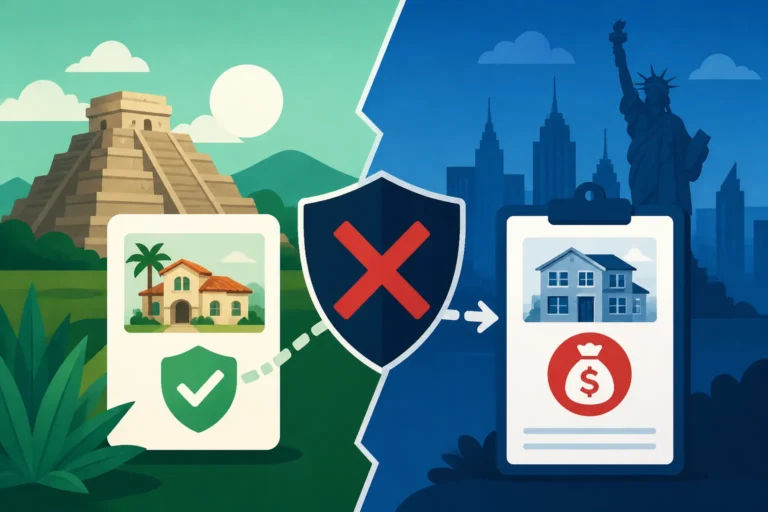
Mexican capital gains exemptions fail to transfer to American tax returns, requiring US citizens selling foreign property to navigate complex IRS rules.

Mexican capital gains tax rules and US tax obligations apply when United States citizens sell residential property located in Mexico.

Mexican property ownership for US citizens involves unique tax obligations on both sides of the border, including acquisition fees and capital gains.
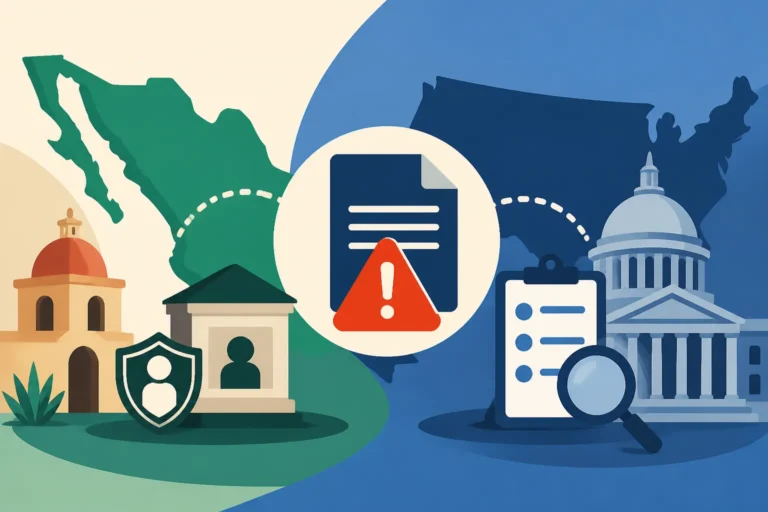
The Mexican fideicomiso structure triggers US tax reporting obligations, requiring expats to file Form 3520, FBAR, and Form 8938.

Revenue Procedure 2013-14 explains how most Mexican fideicomisos exempt US expats from complex foreign trust reporting requirements and steep penalties.