Snowbirds and the Substantial Presence Test: Counting Days on Both Sides
Snowbird tax status involves counting days using a rolling three-year lookback period to determine physical presence for the IRS.

Snowbird tax status involves counting days using a rolling three-year lookback period to determine physical presence for the IRS.

Mexican tax laws and home country regulations outline specific exemptions and reporting rules for money gifts received from Mexican family members.

Mexican inheritance rules and United States tax obligations govern asset transfers for expatriates through distinct probate procedures.

Children born in Mexico to American parents require specific birth registrations, citizenship documents, and a Social Security number to claim tax credits.

Tax filing status options and the ITIN process help Americans married to Mexican nationals manage their cross-border tax compliance and obligations.

Dual-status tax years occur when moving to or leaving Mexico, requiring expats to navigate overlapping residency rules and obligations.

Company stock and restricted stock units for Americans living in Mexico create double reporting obligations for both the IRS and Hacienda.

American expatriates living in Mexico manage cryptocurrency portfolios subject to dual tax obligations enforced by the SAT and the IRS.
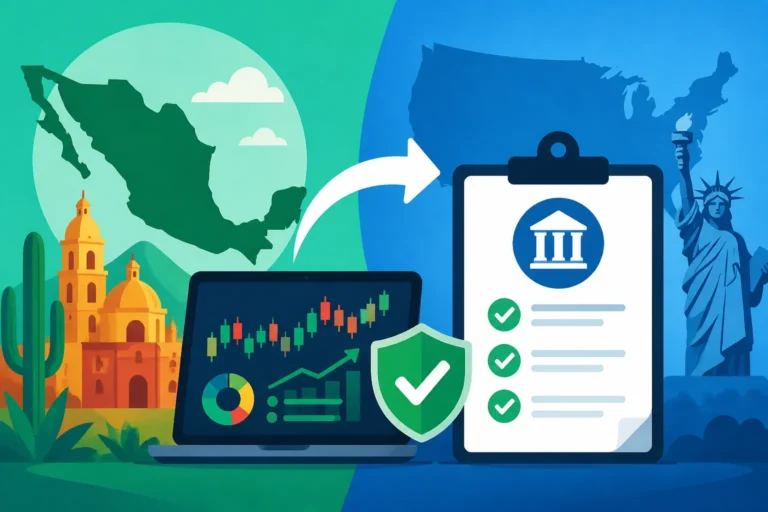
Reporting requirements for Mexican brokerage accounts on US tax returns include FBAR, FATCA, and foreign tax credits for expats.

Mexican government bonds provide attractive peso yields for expats, but US citizens must navigate complex FBAR and FATCA tax reporting requirements.