How to Try Mole and Oaxacan Cuisine
One of the biggest frustrations for newcomers in Mexico is sitting down at a traditional Oaxacan restaurant and feeling completely paralyzed by a menu that lists seven different colors of "mole" without explanation. You want an authentic experience, but the fear of ordering a chocolate-based sauce that might be too sweet—or a "yellow" sauce that might be too spicy—often leads travelers back to the safety of a basic taco. This guide solves that confusion by breaking down the complex layers of Oaxacan cuisine, ensuring you can navigate every market stall and fine-dining menu with the confidence of a local.
Disclosure: This post may contain affiliate links. We may earn a commission at no extra cost to you if you make a purchase through these links. Read full disclosure.
Understanding the Seven Moles of Oaxaca
To the uninitiated, mole is often simplified as "that Mexican chocolate sauce." As any veteran expat will tell you after their first month in the southern highlands, that description is almost offensive to the culinary heritage of the region. Mole is not a single dish; it is a category of complex, labor-intensive sauces that represent the pinnacle of Mexican mestizo cooking. The process of making a true mole can take days, involving the roasting of dozens of ingredients—chiles, seeds, nuts, spices, and fruits—which are then ground into a paste and simmered until the flavors meld into a velvet-like consistency.
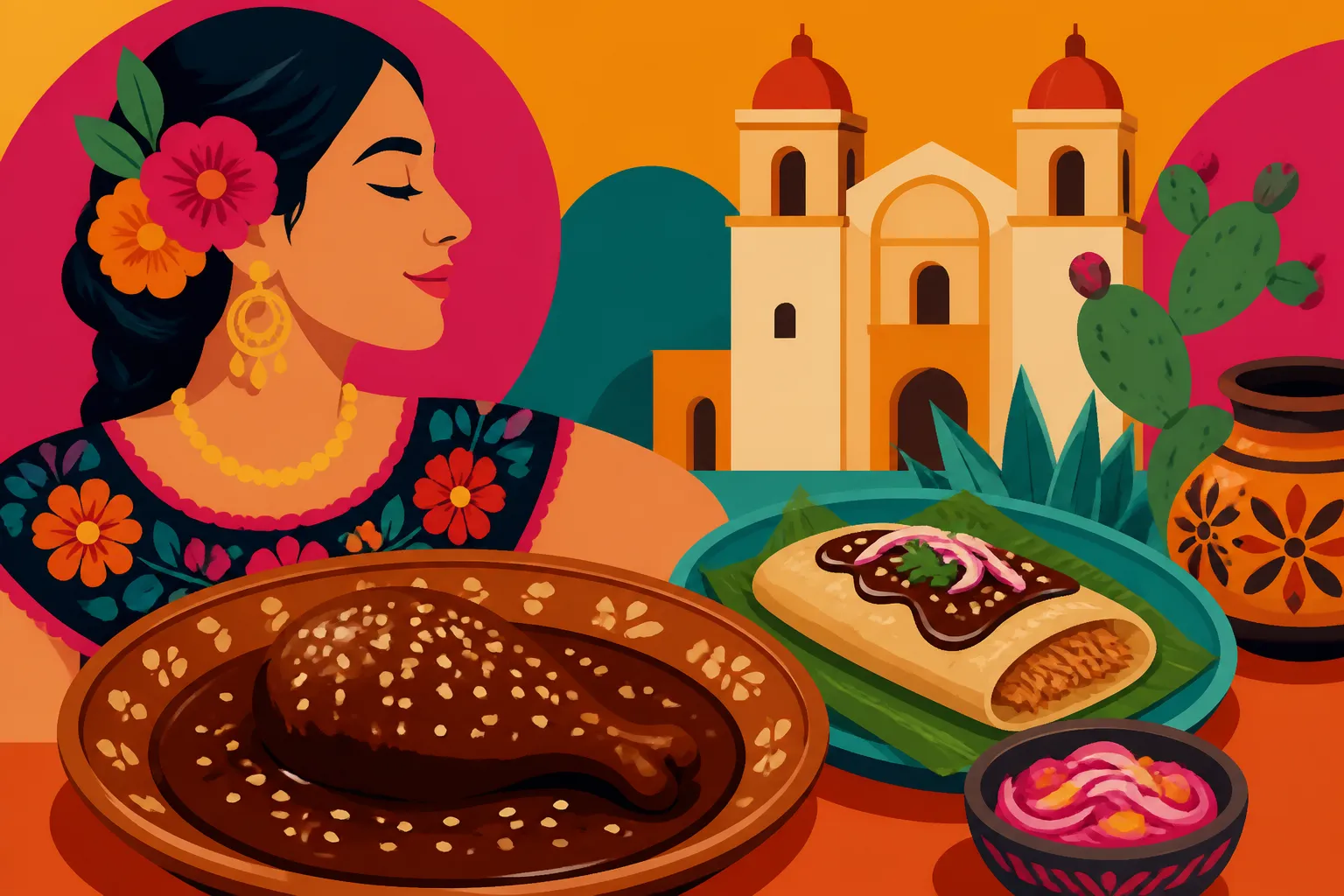
In Oaxaca, there are traditionally seven distinct moles, each with its own personality and occasion. The most famous is Mole Negro (Black Mole). This is the king of moles, usually reserved for weddings, funerals, and the Day of the Dead. It gains its dark, obsidian hue not just from chocolate, but from the careful charring of chile seeds and the use of the rare chile chilhuacle negro. It is savory, smoky, and slightly sweet. If you are exploring Mexican Food Culture: Eating and Drinking as a Visitor, starting with a well-made Mole Negro served over a chicken drumstick with a side of white rice is a mandatory rite of passage.
Then there is Mole Rojo (Red Mole), which is often more versatile and accessible. It shares many ingredients with the black variety but leans more heavily on the heat of chile guajillo and chile ancho. It is less sweet and more robust, making it a favorite for enchiladas. For something lighter, look for Mole Amarillo (Yellow Mole). Unlike the others, this one is often served as a thick soup or stew rather than a heavy sauce over meat. It is bright, citrusy, and thickened with masa (corn dough), often featuring a distinctive herb called pitiona. It’s a common filling for empanadas found in street stalls throughout the city.
Mole Coloradito sits somewhere in between; it is a brick-red sauce that is incredibly popular because of its balanced sweetness, often achieved by adding mashed ripe plantains or raisins to the grind. If you prefer something earthy and herbal, Mole Verde (Green Mole) is your answer. It is unique because it relies on fresh ingredients rather than dried chiles—think pumpkin seeds (pepitas), tomatillos, cilantro, and the anise-scented hierba santa leaf. It is light, vibrant, and perfect for pork or chicken. Finally, the rarer Mole Chichilo is the most savory and "beefy," utilizing charred tortillas and beef stock for a deep, minimalist flavor, while Manchamanteles (Tablecloth Stainer) is a fruity, tropical variation often simmered with pineapple and sweet potato.
| Mole Type | Dominant Flavor Profile | Key Ingredients | Common Pairing |
|---|---|---|---|
| Negro | Smoky, Rich, Sweet | Chilhuacle chiles, chocolate, spices | Chicken or Turkey |
| Rojo | Spicy, Savory | Guajillo chiles, sesame seeds | Enchiladas or Pork |
| Coloradito | Sweet, Mellow | Plantains, raisins, ancho chiles | Enmoladas |
| Amarillo | Bright, Herbal | Masa, pitiona, yellow chiles | Beef stew or Empanadas |
| Verde | Fresh, Nutty | Pepitas, tomatillos, cilantro | Pork or Chicken |
| Chichilo | Toasted, Earthy | Charred tortillas, beef stock | Beef or Vegetables |
| Manchamanteles | Fruity, Tart | Pineapple, plantain, chorizo | Pork or Chicken |
Essential Oaxacan Street Food Beyond the Mole Pot
While mole takes center stage in formal dining, the real heartbeat of the Oaxacan diet is found on the street corners and in the "pasillos de humo" (smoke aisles) of the local markets. If you have spent any time researching Street Food in Mexico: Tacos, Tamales, and More, you likely know about the tlayuda. Often called the "Mexican pizza" by travel blogs, this comparison is a bit of a disservice. A tlayuda is a large, partially toasted, thin corn tortilla spread with asiento (unrefined pork lard), a bean purée, shredded quesillo (Oaxacan string cheese), and topped with cabbage and your choice of meat—usually tasajo (thinly sliced beef) or cecina (spiced pork). The secret to a great tlayuda is the char it gets from being folded and grilled over a charcoal brazier.
Another staple you must try is the Memela. These are thicker, smaller corn cakes topped with bean paste, salsa, and cheese. They are a breakfast staple for locals. If you are feeling adventurous, you cannot leave Oaxaca without trying Chapulines. These are grasshoppers, toasted with garlic, lime, and salt. They provide a satisfying crunch and a burst of acidity. For many expats, the first bite is a mental hurdle, but they quickly become an addictive snack, much like popcorn or peanuts. They are often served in a small paper cone at the markets or sprinkled over a plate of guacamole for added texture.
You should also look for Tetelas, which are triangular pockets of masa filled with beans and sometimes hierba santa, cooked on a flat griddle (comal) until the outside is crispy and the inside is steamy. And, of course, there is the cheese. Oaxacan cheese, known locally as quesillo, is world-famous. It is a semi-hard cheese made by a process similar to mozzarella, resulting in long ribbons that are rolled into a ball. It has a salty, buttery flavor and a meltability that makes it the perfect companion for almost any corn-based dish.
Where and How to Experience Authentic Oaxacan Flavors
Finding the right place to eat in Oaxaca can be overwhelming because there are simply too many good options. If you are staying in the city, using Booking.com to find a hotel near the historic center is a smart move, as it puts you within walking distance of the two most important culinary hubs: Mercado Benito Juárez and Mercado 2 de Noviembre.
In Mercado Benito Juárez, you will find the "dry" goods—stalls overflowing with mounds of mole paste, towers of quesillo, and baskets of chapulines. This is where you go to buy ingredients to take home. However, if you want to eat right now, head next door to Mercado 2 de Noviembre and find the Pasillo de Humo. This is a narrow alley lined with meat vendors. You pick out your raw meat (tasajo, cecina, or chorizo), and they grill it for you on the spot over roaring coals. You then take your grilled meat to a central table where other vendors will sell you tortillas, grilled onions, radishes, and an array of salsas to build your own feast. It is chaotic, hot, and loud, but it is perhaps the most authentic food experience in the country.
For those who prefer a more curated experience, Oaxaca has become a global destination for fine dining that honors traditional roots. Restaurants like Casa Oaxaca or Itanoni (which focuses on heirloom corn varieties) offer a more relaxed atmosphere where you can taste the nuance of different chiles without the market's intensity. If you are worried about the language barrier or the logistics of navigating a crowded market, booking a food-focused walking tour through Viator is a great way to have an expert guide you through the best stalls while explaining the history behind the ingredients.
When eating at a smaller, family-run establishment, look for the Comida Corrida. This is a fixed-price lunch menu that usually includes a soup, a main dish (often a mole or a guisado), a drink (agua fresca), and a small dessert. It is the most economical way to eat like a local, but be sure to brush up on How to Ask for the Bill in a Mexican Restaurant so you can finish your meal smoothly. Remember that lunch is the main meal of the day in Mexico, usually served between 2:00 PM and 4:00 PM.
Beyond the Plate: Oaxacan Drinks and Sweets
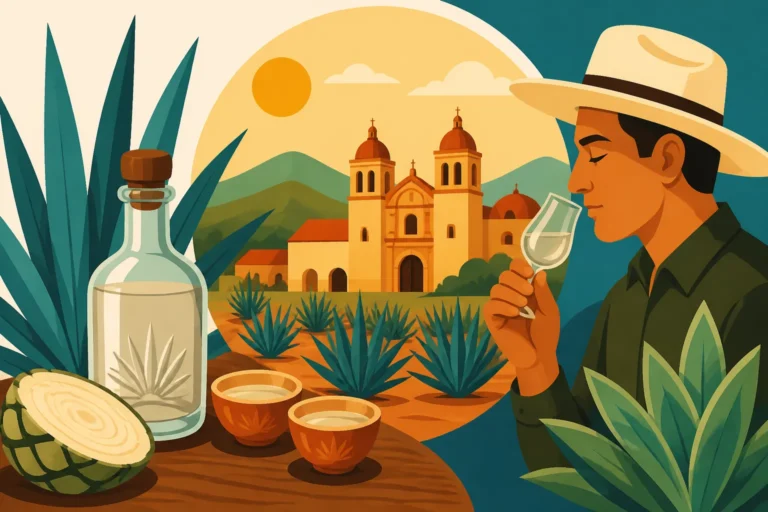
A meal in Oaxaca is never truly complete without the accompanying beverages. The region is the undisputed capital of Mezcal, the smoky, artisanal cousin of tequila. Unlike tequila, which is made only from blue agave, mezcal can be made from dozens of different agave species, each contributing a unique flavor profile ranging from floral and sweet to intensely earthy and medicinal. If you find yourself enjoying the spirit, you might want to dive deeper into Mezcal in Oaxaca: Tours and Tastings to understand the traditional production methods involving underground roasting pits and horse-drawn tahonas.
For something non-alcoholic, you must try Tejate. Known as the "drink of the gods," it is a pre-Hispanic beverage made from maize, fermented cacao beans, mamey pits, and the flower of the cacao tree. It is served chilled in large clay bowls, and you will recognize it by the thick, foamy white froth that sits on top. It is incredibly refreshing on a hot afternoon.
Oaxaca is also famous for its chocolate. Unlike the smooth, processed bars found in Europe, Oaxacan chocolate is gritty and intensely flavored with cinnamon and almonds. It is rarely eaten as a bar; instead, it is dissolved in hot water or milk to create a frothy drink, often accompanied by Pan de Yema (yolk bread). Dipping a piece of this slightly sweet, airy bread into a steaming cup of chocolate is the quintessential Oaxacan breakfast. If you are traveling to Oaxaca from the capital, Busbud offers reliable bus schedules that make the trip through the mountains comfortable and straightforward, allowing you to arrive ready to dive into the city's cafes.
Finally, for a sweet finish, look for Nieve. This is a water-based sorbet traditionally made in hand-churned lead pots nestled in ice and salt. The flavor "Leche Quemada con Tuna" (burnt milk with prickly pear) is the local favorite—it combines the smoky, caramelized flavor of scorched milk with the bright, neon-pink sweetness of the cactus fruit.
Navigating the Cultural Etiquette of the Oaxacan Table
Eating in Oaxaca is a social contract. You will notice that as people enter or leave a small restaurant, they will often murmur "Provecho" (short for buen provecho) to the room. It is a polite way of wishing everyone a good meal. As an expat or tourist, reciprocating this gesture goes a long way in showing respect for the local culture.
When it comes to the logistics of the meal, don't be surprised if the service feels slower than what you are used to. In Mexico, the table is yours for as long as you want it; a waiter will almost never bring the check unless you specifically ask for it. This is part of the "sobremesa" culture—the art of lingering at the table long after the food is gone to talk and enjoy company.
If you are planning to head out of the city for a day, perhaps to see the ruins of Monte Albán or the weaving villages of Teotitlán del Valle, you should research What Are the Best Day Trips From Oaxaca City? to ensure you know where the best roadside comedores are located. Often, the best Mole Amarillo you will ever have is at a plastic table under a tin roof on the side of a highway.
Regarding financial matters, keep in mind that many market stalls and smaller restaurants are cash-only. Always carry pesos, especially in smaller denominations. While tipping is standard, it is helpful to know the specifics of Tipping in Mexico (Propina): When and How Much to avoid overpaying or inadvertently being disrespectful. Generally, 10% to 15% is the norm for sit-down service.
If you find yourself becoming a fan of the fermented beverages of the region, you might also be curious about other traditional drinks like pulque. While Oaxaca is mezcal territory, you can find specialty spots that serve this ancient maguey sap drink; check out How to Try Pulque in Mexico for a primer on what to expect from its unique, viscous texture.
Ultimately, Oaxacan cuisine is a reflection of the state's incredible biodiversity and indigenous history. Each dish tells a story of the land and the people who have cultivated it for thousands of years. Whether you are biting into a crunchy chapulín or savoring the 30-plus ingredients in a Mole Negro, you are participating in a living history that is as vibrant today as it was centuries ago. For a broader look at how these flavors fit into the national landscape, take a look at Mexican Regional Cuisine: How Food Changes Across Mexico.
Disclaimer
The information provided in this guide is for educational and informational purposes only. Culinary traditions and restaurant availability in Mexico can change frequently. While every effort has been made to ensure accuracy, the author and publisher are not responsible for any personal health issues, including food allergies or digestive distress, that may arise from consuming local food or drink. Travelers should exercise their own judgment and follow standard food safety practices when dining abroad. Always consult with a medical professional regarding vaccinations or health precautions before traveling.