Mexican Regional Cuisine: How Food Changes Across Mexico
When you first arrive in Mexico, you might think you know "Mexican food." Maybe you picture cheesy quesadillas, crunchy tacos, or a big burrito. Let me tell you, friend, that idea is about to be gloriously shattered the moment you step off the plane and start exploring. This isn't just a country; it's a continent of flavors, and this guide is here to help you peel back the layers of Mexico's incredible regional cuisines.
Disclosure: This post may contain affiliate links. We may earn a commission at no extra cost to you if you make a purchase through these links. Read full disclosure.
Beyond the Taco Bell Myth: Understanding Mexico's Culinary Map
One of the biggest "aha!" moments I had as an expat here was realizing just how vast and varied Mexican food truly is. It's not a monolith. The "Mexican food" we often encounter back home is usually a highly Americanized version of Tex-Mex or a very specific regional style, often from the northern border states, rather than the true breadth of what this country offers. Thinking of Mexican food as a single entity is like thinking all European food is pasta and pizza – it simply doesn't capture the incredible diversity! Each state, sometimes even individual towns, boasts its own distinct dishes, ingredients, and cooking methods, born from centuries of history, culture, and geographic luck.
The Geographic and Cultural Tapestry
The culinary landscape of Mexico is inextricably linked to its diverse geography and the rich tapestry of indigenous cultures that predate the arrival of the Spanish. Imagine a country that stretches from arid deserts in the north, through towering mountain ranges and high plateaus, to lush tropical jungles and extensive coastlines on both the Pacific and Caribbean sides. Each of these environments dictates what can be grown, raised, or fished, and subsequently, what ends up on the plate.
Take, for instance, the rugged mountains of Oaxaca, home to Zapotec and Mixtec peoples with culinary traditions stretching back thousands of years. Their food is deeply rooted in local corn varieties, beans, squash, and an incredible array of chilies, many of which you won't find anywhere else. Compare that to the Gulf Coast, where the bounty of the sea and the humid, fertile lowlands yield different produce and a more tropical flavor profile. The lack of refrigeration in ancient times also meant local preservation techniques, like drying, smoking, or using specific spices, became hallmarks of a region's cuisine, techniques still honored today. The pre-Hispanic culinary traditions, infused with later Spanish influences, have created something truly unique in every corner.
Ingredients as Regional Signatures
Just as in any great food culture, local ingredients are the undisputed stars of Mexican regional cuisine. They are the brushstrokes that define each culinary masterpiece. Without them, you simply can't replicate the authentic flavor, no matter how hard you try. This is why a "taco" in Sonora tastes fundamentally different from a "taco" in Yucatán.
In the northern states like Sonora, you’ll find expansive cattle ranches, making beef the undisputed king. Their tortillas are often made from wheat flour, rolled thin and large, a direct influence from Spanish settlers and the proximity to the US border. Head south to Oaxaca, and corn takes center stage – not just any corn, but a rainbow of heirloom varieties, ground fresh daily for thick, hand-pressed tortillas, tlayudas, and tamales. In the Yucatán, the unique recados (spice pastes) with ingredients like achiote and sour oranges are fundamental, giving their food its distinctive earthy, citrusy, and slightly bitter notes. Meanwhile, the Pacific coast revels in the freshest seafood, often prepared simply with lime, chili, and cilantro to let the ocean’s bounty shine. Learning to identify these signature ingredients is like getting a secret decoder ring for understanding the soul of Mexican cooking.
The Vibrant South: Oaxaca and Chiapas – Ancestral Flavors and Rich Traditions
The southern regions of Mexico are often considered the cradle of Mexican cuisine, deeply preserving ancient indigenous traditions. This is where you taste history in every bite, where flavors are complex, nuanced, and steeped in cultural significance. If you want to truly dive deep into the culinary roots of Mexico, Oaxaca and Chiapas are absolutely essential stops. They offer a gastronomic experience unlike anywhere else in the country.
Oaxaca: Land of Seven Moles and Tlayudas
Oaxaca is not just a state; it's a culinary pilgrimage. Often called "The Land of Seven Moles," its cuisine is legendary. These moles are not just sauces; they are intricate concoctions, sometimes involving dozens of ingredients like chilies, spices, nuts, seeds, fruits, and even chocolate, slow-cooked for hours to achieve a profound depth of flavor. Each mole has its own distinct character, from the smoky, rich mole negro with its hint of sweetness, to the vibrant, herbaceous mole verde, or the lighter, fruitier mole amarillo. Learning about Mexican Regional Cuisine: How Food Changes Across Mexico in Oaxaca will utterly transform your palate.
Beyond the moles, Oaxaca offers a treasure trove of culinary delights. Tlayudas are giant, crispy corn tortillas, often spread with asiento (pork lard), beans, and topped with Oaxacan cheese, shredded lettuce, and your choice of meat, often tasajo (thinly sliced beef) or chorizo. They’re like a rustic, open-faced pizza, perfect for a late-night snack. Then there are quesillo (Oaxacan string cheese), chapulines (fried grasshoppers, surprisingly delicious and crunchy!), and, of course, the spiritual drink of the region: mezcal. A visit to a palenque (mezcal distillery) is a must, and many reputable companies offer tours you can book through platforms like Viator to truly understand the artisanal process.
Chiapas: Indigenous Roots and Coffee Culture
Nestled between Oaxaca and Guatemala, Chiapas offers a different, yet equally compelling, southern culinary narrative. Its cuisine is heavily influenced by the Zoque and Tzotzil indigenous cultures, with a strong emphasis on corn, beans, and locally grown vegetables and herbs. The flavors here are often earthier, less spicy than some other regions, and deeply comforting.
You'll find fantastic tamales in Chiapas, prepared in countless ways, often steamed in banana leaves or corn husks, filled with ingredients like chipilín (a local herb), pork, or chicken, and rich sauces. Sopa de pan (bread soup) is a unique and hearty dish, especially popular in San Cristóbal de las Casas, featuring layers of baked bread, vegetables, and chicken broth. Chiapas is also one of Mexico's most important coffee-producing regions. The high altitudes and fertile soil yield exceptional coffee beans, so make sure to savor a freshly brewed cup – it's a taste of the region's soul. Exploring the local markets in San Cristóbal, you'll see a vibrant array of fresh produce, unique herbs, and artisanal cheeses that speak to the area's self-sufficiency and rich agricultural heritage.
Central Mexico: The Heartbeat of Mestizo Flavors
Central Mexico represents a fascinating crossroads of culinary history. This is where pre-Hispanic traditions met Spanish influences head-on, giving birth to a truly "mestizo" cuisine that is both sophisticated and deeply comforting. The high central plateau, with its milder climate and agricultural bounty, allowed for a blending of ingredients and techniques that has come to define much of what the world now associates with Mexican food.
Mexico City and Puebla: Culinary Fusion and Urban Delights
Mexico City, as the nation's sprawling capital, is a true melting pot. Its food scene is a microcosm of the entire country, attracting the best chefs and drawing ingredients from every corner of Mexico. Here, you can find street food that rivals any fine dining experience, from tacos al pastor (a Lebanese-Mexican fusion that has become iconic) to suadero and carnitas. The city is also home to some of the country's most innovative restaurants, constantly pushing the boundaries of traditional Mexican fare while honoring its roots. For travelers looking to sample diverse flavors, exploring Mexico City and Mexico's Great Cities: Explorer's Guide is an adventure in itself.
Just a couple of hours southeast lies Puebla, a colonial gem renowned for its exquisite and complex cuisine. This is the birthplace of mole poblano, a richer, sweeter, and even more complex relative of Oaxaca's moles, said to have been created by nuns in a convent. It’s a labor of love, often with over 20 ingredients, including multiple chilies, nuts, seeds, spices, and chocolate. Another iconic dish is chiles en nogada, a seasonal delicacy (typically August-September) featuring poblano chilies stuffed with a picadillo of meat and fruit, covered in a creamy walnut sauce (nogada), sprinkled with pomegranate seeds and parsley – its colors famously represent the Mexican flag. Puebla’s cuisine is a testament to the seamless fusion of indigenous and European culinary artistry.
Jalisco and Michoacán: Birria, Carnitas, and Comfort Food
Venturing west from the capital, you arrive in the heartland of hearty, meat-centric Mexican comfort food. Jalisco, the home of mariachi and tequila, offers robust flavors that are deeply satisfying. The most famous dish is undoubtedly birria, a savory stew traditionally made with goat or lamb (though often beef now), slow-cooked with chilies and spices until the meat is fall-off-the-bone tender. It’s often served with corn tortillas for dipping, and a squeeze of lime to cut through the richness. You'll find birrierías on nearly every corner, each with its secret family recipe.
Neighboring Michoacán is legendary for its carnitas. This isn't just fried pork; it's an art form. Large cuts of pork are slow-cooked in their own fat (or sometimes lard) in huge copper pots until they are incredibly tender, juicy, and caramelized. The result is succulent meat with crispy edges, perfect for stuffing into fresh corn tortillas with a dollop of salsa and a sprinkle of cilantro and onion. Michoacán also boasts unique corundas (pyramid-shaped tamales wrapped in corn leaves, often served with sour cream and salsa) and uchepos (sweet corn tamales), showcasing its distinct culinary identity. If you’re traveling by bus, Busbud can help you find routes to these culinary hotspots, letting you easily move between cities to taste the regional differences firsthand.
The Tropical Coasts: Yucatán Peninsula and Pacific Delights
Mexico's extensive coastlines offer wildly different culinary experiences, shaped by the tropical climate, the bounty of the sea, and distinct historical influences. From the ancient Maya heartland of the Yucatán to the sun-drenched shores of the Pacific, the food is fresh, vibrant, and bursting with flavor.
Yucatán Peninsula: Maya Legacy and Caribbean Freshness
The Yucatán Peninsula, with its turquoise waters and ancient Maya ruins, offers a cuisine unlike anywhere else in Mexico. This region maintains a strong Maya culinary heritage, blended with Caribbean and European influences. The flavors are distinct, often using sour oranges, achiote (a reddish-orange spice paste), and habanero chilies, giving dishes an earthy, citrusy, and fiery kick. You won't find the same chilies or flavor profiles as you would in central or southern Mexico. The cuisine here is a journey into the past, with techniques and ingredients passed down through generations.
The undisputed king of Yucatecan cuisine is cochinita pibil. This dish features pork marinated in achiote and sour orange juice, wrapped in banana leaves, and slow-roasted in a pib (an underground oven) for hours until incredibly tender. It’s traditionally served with red pickled onions and habanero salsa on soft corn tortillas. Another classic is sopa de lima, a refreshing and tangy chicken-lime soup, perfect for the tropical climate. Then there are papadzules, an ancient dish of corn tortillas filled with hard-boiled eggs, drenched in a pumpkin seed sauce, and garnished with a tomato sauce. When you explore the flavors of this region, you're experiencing a direct link to the ancient Maya. A great way to try these unique dishes is by booking a local food tour through Viator.
Pacific Coast Puerto Vallarta, Oaxaca Coast: Seafood and Coastal Grilling
The Pacific coast of Mexico, stretching from Baja California down to Oaxaca, is a seafood lover's paradise. The culinary focus here is on freshness, vibrant marinades, and often simple grilling techniques that let the quality of the ingredients shine. While there are local variations, the overall theme is light, zesty, and ocean-inspired.
In places like Puerto Vallarta and the Riviera Nayarit, you’ll feast on pescado zarandeado, a whole fish marinated in chili and spices, then grilled over coals in a special wire basket. It’s smoky, flaky, and utterly delicious. Ceviches and aguachiles are also ubiquitous – fresh seafood (often shrimp or various white fish) marinated in lime juice with cucumber, onion, and a kick of serrano or chiltepín chilies. Heading further south to the Oaxacan coast, you might encounter tlayudas topped with fresh seafood or unique fish preparations incorporating local herbs and chilies. The emphasis is always on the catch of the day, prepared with minimal fuss to highlight its natural flavors.
Northern Mexico: Ranching Heritage and Hearty Grills
When you move north in Mexico, the culinary landscape shifts dramatically. Gone are many of the complex moles and ancient indigenous stews. Instead, you'll find a cuisine heavily influenced by ranching, extensive livestock, and the proximity to the United States border. This means a focus on beef, wheat, and straightforward, hearty preparations.
Sonora and Chihuahua: Carne Asada and Wheat Tortillas
The states of Sonora and Chihuahua are the heartland of Mexican beef country. Here, carne asada isn't just a dish; it's a way of life, a social event, and a point of immense regional pride. The beef from these regions is renowned for its quality, often compared to some of the best in the world. Imagine thick, perfectly grilled cuts of steak, simply seasoned to let the meat’s flavor shine, served with grilled onions, roasted chilies, and fresh salsa.
Alongside the exceptional beef, northern Mexico is famous for its large, thin wheat tortillas. Unlike the smaller, thicker corn tortillas of the south, these are often substantial enough to form a complete meal, perfect for wrapping around generous portions of carne asada, machaca (dried, shredded beef, often rehydrated and scrambled with eggs), or burritos. The burrito as we know it, filled with meat, beans, and cheese, really originated in this northern border region, a practical and portable meal for cowboys and travelers. This hearty, unpretentious food reflects the rugged, industrious spirit of the north.
Baja California: Fusion and Seafood Tacos
Baja California, particularly the northern part, represents a fascinating culinary crossroads where Mexican flavors meet Californian innovation, especially in cities like Tijuana and Ensenada. This fusion has given rise to a dynamic food scene, often characterized by inventive street food and a burgeoning craft beer and wine culture.
The most iconic contribution from Baja California is undoubtedly the fish taco and shrimp taco. These aren't your typical heavy, cheesy tacos. Picture lightly battered and fried fish or shrimp, nestled in a warm corn tortilla, topped with crisp cabbage, a creamy sauce, and a squeeze of lime. They are light, fresh, and utterly addictive. Beyond the tacos, Baja also boasts excellent seafood ceviches and cocteles (seafood cocktails). The region's wine country, particularly Valle de Guadalupe, is producing world-class wines, and its craft beer scene is thriving, making it a destination for gourmands and oenophiles alike.
Mexican Regional Cuisine at a Glance: A Comparative Table
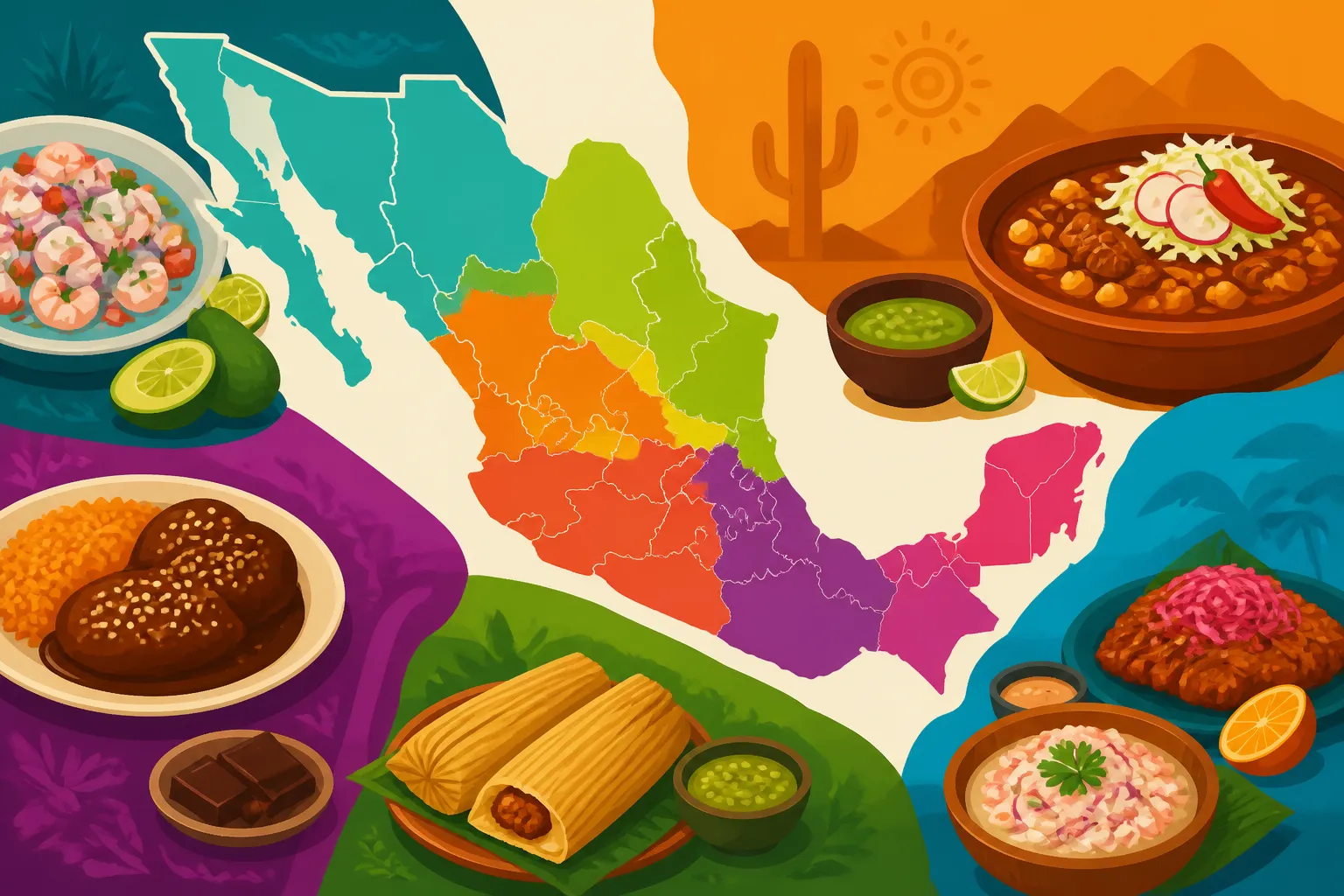
To give you a clearer picture of just how diverse the culinary map of Mexico truly is, here’s a quick comparison of some signature dishes and ingredients from different regions. This is by no means exhaustive, but it highlights the incredible range you can expect.
| Region | Signature Dish 1 | Signature Dish 2 | Key Ingredients/Flavors | Common Tortilla Type |
|---|---|---|---|---|
| Oaxaca | Mole Negro | Tlayudas | Heirloom corn, multiple chilies, chocolate, herbs, mezcal | Corn (thick, crispy) |
| Chiapas | Tamales de Chipilín | Sopa de Pan | Corn, chipilín, indigenous herbs, coffee | Corn (diverse types) |
| Mexico City | Tacos al Pastor | Suadero Tacos | Diverse (urban fusion), pork, dried chilies, pineapple | Corn (small, soft) |
| Puebla | Mole Poblano | Chiles en Nogada | Chilies (ancho, mulato), chocolate, nuts, fruits, walnuts | Corn |
| Jalisco | Birria de Chivo (goat) | Carne en Su Jugo | Goat/beef, chilies (guajillo), spices, lime | Corn |
| Michoacán | Carnitas | Corundas | Pork, lard, corn (diverse), indigenous herbs | Corn (distinctive) |
| Yucatán | Cochinita Pibil | Sopa de Lima | Achiote, sour orange, habanero, pork, lime, banana leaf | Corn |
| Pacific Coast | Pescado Zarandeado | Aguachile | Fresh seafood, lime, chilies (serrano, chiltepín), cilantro | Corn |
| Sonora | Carne Asada | Machaca con Huevo | High-quality beef, wheat, dried beef, cheese | Wheat (large, thin) |
| Baja California | Fish Tacos | Clamato with Seafood | Fresh seafood, cabbage, lime, creamy sauces, craft beer | Corn (fried fish), Wheat (burritos) |
Experiencing Regional Cuisine as an Expat
Living in Mexico means you get to dive headfirst into this culinary adventure every single day. It’s one of the most rewarding aspects of expat life here, but it also comes with its own learning curve. Don't worry, you'll soon be navigating mercados and ordering like a local. It's truly a journey for your tastebuds, and one you should savor.
Navigating Markets and Restaurants
The local market (mercado) is the soul of Mexican cuisine. This is where you’ll find the freshest produce, the specific herbs and chilies unique to your region, and often, incredible food stalls (fondas) serving authentic, homemade dishes. Don't be shy! Wander through, observe what the locals are eating, and point to what looks good. Many market vendors won't speak much English, so learning a few key Spanish phrases like "¿Cuánto cuesta?" (How much does it cost?) or "Quiero este" (I want this) will go a long way. This is where you'll discover Mexican Markets and Food Halls for Visitors, where flavors truly come alive.
When it comes to restaurants, don't always opt for the fanciest place. Often, the most authentic and delicious food comes from unpretentious family-run eateries or street food carts. Look for places with a steady stream of locals, which is always a good sign. Don't be afraid to ask for recommendations from your Mexican friends or even your landlord. They often know the best hidden gems. You might even stumble upon some of the best Street Food in Mexico: Tacos, Tamales, and More this way!
Cooking at Home: Sourcing Ingredients and Adapting Recipes
Once you’ve sampled the regional specialties, you’ll undoubtedly want to try replicating some of your favorites at home. This is where the real fun, and sometimes the frustration, begins. Sourcing specific ingredients can be a challenge. For example, if you live in northern Mexico, finding fresh hoja santa (a key herb in Oaxaca) might be impossible, or vice-versa with certain cuts of beef. This is part of the expat experience – adapting and appreciating what's locally available.
Supermarkets like Mega Soriana, La Comer, and Walmart often carry a good range of basics, but for those truly regional, fresh ingredients, the local mercado is your best bet. You might need to adjust recipes based on what chilies or herbs you can find. Embrace the creativity! This process of adapting your cooking helps you understand the essence of the regional differences even more. You’ll become a seasoned expert in the subtle distinctions between a jalapeño and a serrano, or how different types of queso melt differently. It’s all part of the delicious adventure of Living in Mexico: Cultural and Practical Guide for New Expats.
Disclaimer
Please remember that while this guide offers comprehensive advice based on broad experience, individual situations and specific regional conditions can vary. Always exercise personal judgment and consult local authorities or specialists for personalized advice, especially regarding health, safety, or legal matters. Culinary tastes are subjective, so explore widely to find your own favorites!