Outdoor Adventures and Nature in Mexico
Moving to Mexico often conjures images of vibrant markets, delicious street food, and sun-drenched beaches. While all of that is absolutely true and wonderful, many expats, myself included, arrive and soon realize that Mexico is also an absolute treasure trove for anyone who loves the great outdoors. It's easy to get caught up in the rhythm of city life or coastal resorts, but trust me, there's a whole other side of this incredible country waiting for you, filled with breathtaking natural beauty and thrilling adventures. This guide is going to peel back the layers of Mexico's natural world, showing you how to dive into its diverse landscapes, from majestic mountains to hidden underwater caverns, and embrace the wild side of your new home.
Disclosure: This post may contain affiliate links. We may earn a commission at no extra cost to you if you make a purchase through these links. Read full disclosure.
Mexico's Diverse Natural Landscape: A Playground for Adventurers
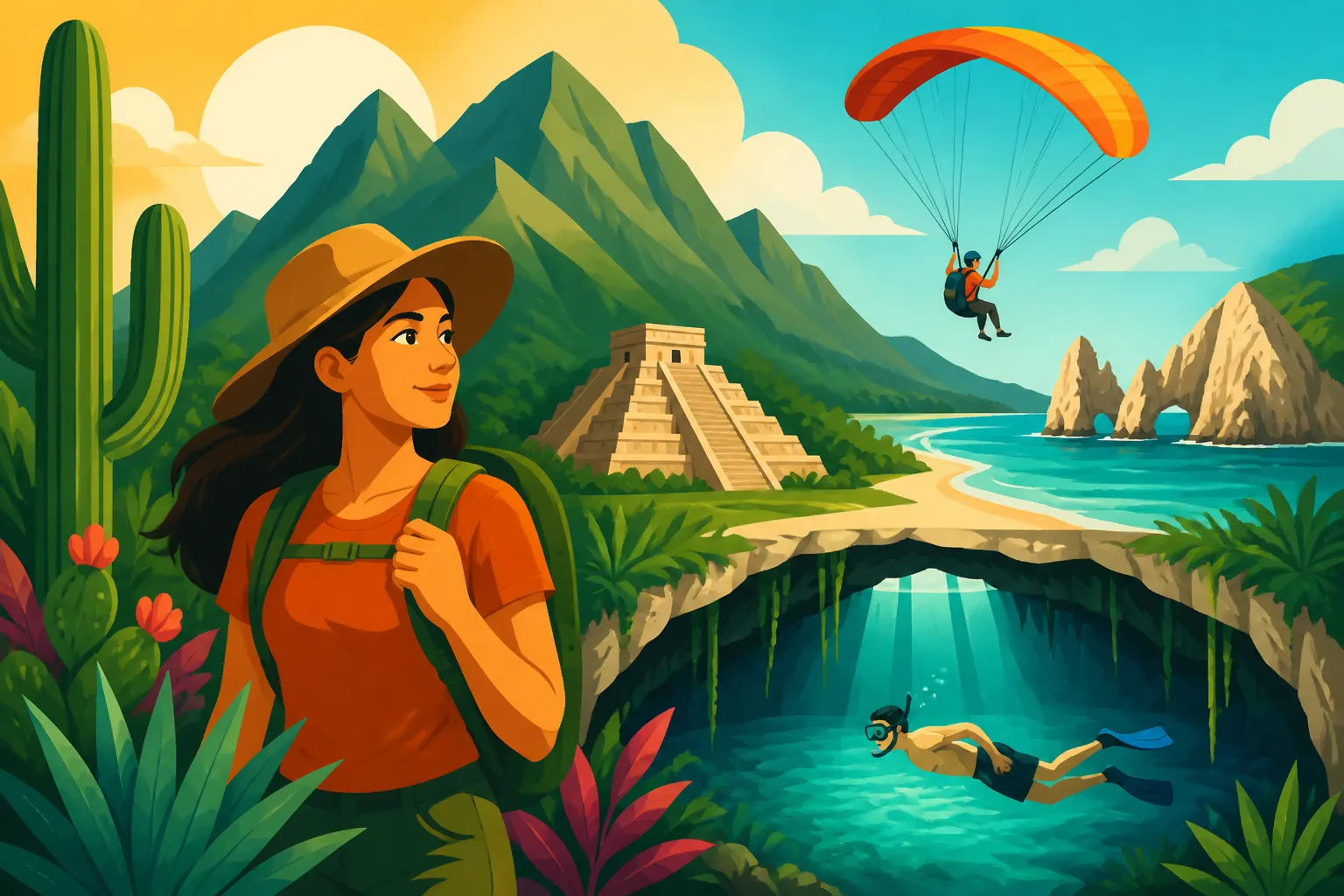
When you think of Mexico, you might first imagine its stunning Caribbean beaches or the desert landscapes of Baja California. And you wouldn't be wrong! But that's just scratching the surface. This country is a true geographical marvel, boasting an astonishing array of ecosystems packed into its vast territory. As an expat, I've often found myself surprised by the sheer variety, sometimes feeling like I've traveled through several different countries just by crossing a few states. It's a land of extremes and gentle beauty, offering an outdoor adventure for every preference.
From Towering Peaks to Pristine Coasts
Mexico is bisected by two massive mountain ranges, the Sierra Madre Occidental and the Sierra Madre Oriental, which essentially run down the western and eastern sides of the country, creating a high central plateau. This geographical feature is responsible for the dramatic changes in elevation and climate you'll encounter. One day you could be scaling a near-volcanic peak, feeling the crisp, thin air, and the next, you could be lounging on a humid, palm-fringed beach, completely immersed in a tropical paradise.
Imagine starting your morning with a hike through a pine forest high in the mountains, listening to the crunch of leaves underfoot, and by afternoon, driving a few hours to find yourself gazing at a sprawling desert filled with saguaros. This kind of contrast isn't just a travel fantasy here; it's a daily reality for those who choose to explore. The central highlands, with their fertile valleys, give way to lush tropical rainforests in the south, while the northern states present vast arid plains and canyons. This tapestry of landscapes provides endless opportunities for exploration, whether you're a seasoned mountaineer or simply looking for a peaceful nature walk.
Understanding Mexico's Climatic Zones
The immense variation in Mexico's landscape naturally leads to an equally diverse range of climatic zones. This is crucial knowledge for any aspiring adventurer, as it dictates everything from what to pack to the best time of year for certain activities. You'll hear talk of "seasons" here, but they're not quite like what you might be used to back home. Generally, Mexico experiences two main seasons: the dry season and the rainy season, though this varies greatly by region.
For instance, the Pacific and Caribbean coasts, while always warm, have a distinct hurricane season that runs roughly from June to November. During this time, you might experience heavy downpours that quickly pass, leaving behind a refreshed, vibrant landscape, or, less frequently, more severe weather. Inland, in places like Mexico City or San Miguel de Allende, the rainy season means afternoon showers that often cool things down, making the evenings pleasant. The northern deserts can be scorching hot during the day and surprisingly cold at night, while the high mountain regions are perpetually cooler, even during what would be summer elsewhere. Always check the local forecast for your specific destination, and don't be afraid to ask locals or fellow expats about what to expect. They've lived through it and often have invaluable insights into microclimates that online forecasts might miss.
Exploring Mexico's Iconic Natural Wonders
Mexico isn't just about general landscapes; it's home to some truly iconic natural wonders that draw visitors from across the globe. As an expat, you have the luxury of taking your time, visiting these places outside of peak tourist season, and truly soaking in their magic. From the towering silhouettes of ancient volcanoes to the crystal-clear depths of subterranean rivers, these sites offer unforgettable experiences that connect you deeply with the raw power and beauty of this land.
The Majesty of Mexico's Volcanoes
For those who crave heights and stunning vistas, Mexico's volcanoes are an irresistible draw. Popocatépetl and Iztaccíhuatl, often called "Popo" and "Izta," stand as silent guardians over the Valle de México, their snow-capped peaks a constant presence in the background of Mexico City's sprawling urbanity. While Popocatépetl is an active volcano and typically closed for climbing due to safety concerns, Iztaccíhuatl offers a challenging but rewarding climb for experienced hikers. The views from its slopes, especially at dawn, are absolutely spectacular, making the effort worthwhile.
Beyond these giants, you'll find other impressive peaks like Nevado de Toluca, an extinct volcano with stunning high-altitude lakes nestled within its caldera. This is a much more accessible option for day-trippers, offering incredible photographic opportunities and a chance to experience a truly unique alpine environment in Mexico. Always remember that altitude sickness can be a real issue, especially if you're coming from sea level. Take it slow, hydrate, and consider a local guide for safety and insight into the geology and history of these magnificent natural monuments.
Mystical Cenotes and Underground Rivers
The Yucatán Peninsula is famous for its cenotes, which are natural sinkholes formed by the collapse of limestone bedrock, revealing crystal-clear groundwater pools below. These aren't just swimming holes; they are sacred sites to the ancient Maya, believed to be gateways to the underworld. Exploring a cenote feels like stepping into another dimension, with sunlight filtering through jungle canopies, illuminating turquoise waters and intricate rock formations.
From popular, easily accessible cenotes near Cancún and Tulum, like Gran Cenote, to more secluded, wilder ones requiring a bit more effort to reach, there's an experience for everyone. Many cenotes are part of vast underground river systems, some stretching for hundreds of kilometers. You can go snorkeling, diving, or simply swim in their refreshing waters. When choosing a cenote, consider if you prefer an open-air experience, a semi-open cave, or a fully enclosed cavern. Companies like Viator offer a variety of tours that combine cenote visits with other attractions, taking the guesswork out of logistics. Remember to use biodegradable sunscreen and insect repellent to protect these delicate ecosystems. Exploring these hidden aquatic worlds is an experience unique to this part of Mexico, a true highlight for any nature lover.
Lush Jungles and Ancient Forests
Mexico's southern states, particularly Chiapas, Oaxaca, and parts of the Yucatán, are blanketed in dense, vibrant jungles and ancient cloud forests. These ecosystems are bursting with biodiversity, from exotic birds and monkeys to elusive jaguars. Hiking through these jungles is a sensory overload in the best possible way: the humid air, the cacophony of animal sounds, and the kaleidoscope of green foliage.
The Montes Azules Biosphere Reserve in Chiapas, for example, is one of the most biodiverse regions in the world, home to indigenous Lacandon Maya communities who act as guardians of the forest. Exploring these areas often means connecting with local guides who can share their ancestral knowledge of the flora and fauna, offering a far richer experience than you'd get going it alone. You might find yourself on trails leading to hidden waterfalls, ancient ruins swallowed by the jungle, or simply observing monkeys swinging through the trees. It’s a chance to truly disconnect and immerse yourself in the wild, remembering to always be respectful of the local communities and the natural environment.
Aquatic Adventures: Diving, Snorkeling, and More
Mexico's coastline, stretching for thousands of miles along both the Pacific and Caribbean, is a diver's and snorkeler's dream. But it's not just about what's beneath the waves; the surface offers its own set of thrills, from gliding silently in a kayak to riding the perfect wave. As an expat, I've spent countless hours exploring these aquatic playgrounds, and I can tell you, the sheer variety means you'll never run out of new things to try.
Discovering Mexico's Underwater Worlds
The Mesoamerican Barrier Reef, the second-largest coral reef system in the world, hugs Mexico's Caribbean coast, making places like Cozumel, Playa del Carmen, and Akumal prime destinations for diving and snorkeling. The clarity of the water, the vibrant coral formations, and the abundance of marine life are truly unparalleled. You'll encounter everything from colorful reef fish and sea turtles to nurse sharks and manta rays.
For certified divers, the underwater caves and caverns of the cenotes offer a unique and exhilarating experience, often referred to as "cave diving" or "cavern diving." This is a highly specialized activity that requires specific training and experienced guides, but it promises an otherworldly journey through stunning geological formations. On the Pacific side, places like La Paz in Baja California Sur are renowned for their opportunities to swim with sea lions and whale sharks during certain seasons. Whether you're a beginner or an advanced enthusiast, local dive shops abound, offering instruction, gear rental, and guided excursions. Always ensure your chosen operator is certified and prioritizes marine conservation.
Kayaking and Paddleboarding in Coastal Paradises
If staying closer to the surface is more your speed, kayaking and stand-up paddleboarding (SUP) offer fantastic ways to explore Mexico's calm bays, lagoons, and even some cenotes. Gliding silently across the water allows you to appreciate the coastal landscapes from a different perspective and often get closer to wildlife without disturbing it.
The tranquil waters of the Bacalar Lagoon, known as the "Lagoon of Seven Colors," are perfect for a peaceful paddleboard session, allowing you to admire the varying shades of blue. In places like Puerto Vallarta or the Riviera Nayarit, you can rent kayaks or SUPs directly from the beach and explore hidden coves, or join guided tours that take you to snorkeling spots inaccessible by larger boats. Even in bustling coastal towns, you can often find quieter inlets or mangroves perfect for a serene morning on the water. This is a wonderfully accessible way to enjoy Mexico's stunning aquatic environments, often with rentals easily found through platforms like Booking.com if you're staying at a resort or hotel.
Surfing Hotspots for Every Skill Level
For those who chase waves, Mexico offers a fantastic array of surfing opportunities, catering to everyone from absolute beginners to seasoned pros. The Pacific coast is where the action is, with consistent swells and a laid-back surf culture.
Sayulita, a vibrant Pueblo Mágico in Nayarit, is a popular spot, especially for beginners and intermediate surfers, with gentle breaks right off the main beach and numerous surf schools offering lessons and board rentals. Further south, spots like Puerto Escondido in Oaxaca are legendary for their powerful, world-class waves, particularly the famous "Mexican Pipeline" at Zicatela Beach, which attracts professional surfers from around the globe. Mazatlán and various points along the Baja California coast also offer excellent conditions. It's important to research the local breaks and understand the best seasons for your skill level. Some areas can have strong currents, so always heed local advice and consider a surf lesson if you're new to the sport. The surf communities are generally very welcoming, making it easy to find fellow enthusiasts and local insights.
Terrestrial Thrills: Hiking, Biking, and Horseback Riding
Beyond the water, Mexico's diverse terrain beckons with a wealth of land-based adventures. Whether you prefer to traverse landscapes on foot, pedal through scenic routes, or experience the traditional charm of horseback riding, there's an option for you. As an expat, I’ve found that these activities are not just about physical exertion; they’re incredible ways to connect with Mexico’s natural beauty and often lead you to unexpected cultural encounters.
Trekking Through Diverse Ecosystems
Hiking in Mexico is an experience of remarkable variety. You can trek through the cool, pine-scented forests of the Sierra Norte de Oaxaca, past traditional Zapotec villages, or embark on a challenging ascent of one of Mexico’s volcanic peaks, like Nevado de Toluca, where you’ll find breathtaking crater lakes. The Barrancas del Cobre, or Copper Canyon, in Chihuahua, which is larger and deeper than the Grand Canyon, offers multi-day treks with stunning panoramic views and opportunities to interact with the indigenous Tarahumara people.
For something less strenuous but equally rewarding, many of Mexico's national parks, like the Parque Nacional Cumbres de Monterrey or the Parque Nacional Izta-Popo Zoquiapan, have well-maintained trails suitable for various fitness levels. Remember that many trails, especially in more remote areas, might not be as clearly marked as those in your home country. It’s always a good idea to research thoroughly, consider hiring a local guide, and inform someone of your route and expected return time. Proper hiking boots, layers of clothing, and plenty of water are essential, especially given Mexico’s varied climates. If you’re into serious hiking, consider joining a local expat hiking group; it’s a great way to discover hidden trails and make new friends.
Mountain Biking Trails and Routes
Mexico's varied topography makes it a fantastic destination for mountain biking. From exhilarating singletrack descents in volcanic regions to cross-country routes through pine forests and arid deserts, the options are diverse. The central highlands, with their rolling hills and dramatic elevations, offer some particularly exciting trails.
Areas around San Miguel de Allende, Valle de Bravo, and Ajijic are increasingly popular with mountain bikers, offering a mix of challenging terrain and scenic routes. You’ll find local bike shops in many larger towns that offer rentals, repairs, and guided tours. Some of these tours, found through platforms like Viator, cater to different skill levels, ensuring a safe and enjoyable experience. The Bajío region, in particular, offers a mix of colonial charm and rugged landscapes that make for memorable rides. Just be aware of road conditions if you’re riding on lesser-traveled paths, and always wear a helmet and protective gear. The growing popularity of mountain biking here means there are often well-organized events and communities that can provide valuable information and companionship.
Horseback Riding Through Haciendas and Jungles
Experience Mexico from a different vantage point on horseback. Horseback riding offers a unique way to explore the countryside, whether it’s through historic haciendas, along deserted beaches, or deep into the jungle. This activity connects you with a long-standing Mexican tradition, as horses have been integral to the country's culture for centuries.
In regions like the Yucatán Peninsula, you can ride through tropical jungle trails that lead to cenotes or Mayan ruins, often with guides who share insights into the local ecosystem and history. Coastal towns, from Puerto Vallarta to Oaxaca's Pacific beaches, frequently offer beach rides, providing stunning sunset views. Inland, in areas rich with agricultural history, you can find haciendas that offer guided rides, sometimes including a traditional meal afterward. This is a wonderfully relaxed yet immersive way to experience Mexico’s landscapes and is often suitable for all ages and riding abilities, with gentle horses and experienced guides ensuring a comfortable journey.
Wildlife Encounters: A Journey into Mexico's Biodiversity
Mexico is one of the world's most biodiverse countries, a mega-diverse nation that boasts an incredible array of flora and fauna. As an expat, this offers unparalleled opportunities to witness wildlife in its natural habitat, from majestic marine creatures to vibrant tropical birds. It’s a privilege to live in a place so rich in natural wonders, but it also comes with the responsibility of respectful and sustainable observation.
Whale Watching and Marine Life Spectacles
One of Mexico’s most spectacular wildlife events is the annual migration of whales, particularly humpbacks and gray whales. From roughly December to March, these magnificent creatures make their way to Mexico’s warm Pacific waters to breed and calve. Baja California Sur, with its calm bays and lagoons, is a world-renowned hotspot for gray whale watching, where you can often get incredibly close to these gentle giants. Puerto Vallarta and the Riviera Nayarit are prime locations for observing humpbacks, with daily tours departing from places like Nuevo Vallarta and Sayulita.
Beyond whales, you can also encounter whale sharks, the largest fish in the ocean, in the waters off Cancún and La Paz from May to September. Swimming alongside these docile filter-feeders is an unforgettable experience. Sea lions are abundant in the Sea of Cortez, offering playful snorkeling encounters. Always choose responsible tour operators who adhere to strict guidelines to protect the animals and their environment. Seeing these creatures up close is a humbling reminder of the incredible marine biodiversity Mexico harbors.
Birdwatching Havens and Migratory Routes
Mexico is a birder's paradise, home to over 1,000 species, including many endemics. Its diverse habitats, from humid cloud forests and tropical jungles to arid deserts and coastal wetlands, attract a stunning variety of resident and migratory birds.
The Yucatán Peninsula is particularly famous, with areas like the Celestún Biosphere Reserve known for its massive flamingo colonies. The forests of Chiapas and Oaxaca are home to vibrant quetzals, toucans, and countless other tropical species. Even in urban areas, you’ll find a surprising number of bird species, especially in parks and green spaces. Joining local birdwatching groups or hiring a specialized guide can greatly enhance your experience, helping you spot elusive species and understand their habitats. Binoculars, a field guide, and a keen eye are your best friends here. It’s a peaceful yet incredibly rewarding activity that allows you to truly connect with the subtle rhythms of the natural world.
Protecting Mexico's Precious Ecosystems
With such incredible biodiversity comes a collective responsibility to protect it. As residents, expats have a role to play in supporting sustainable tourism and conservation efforts. Many of Mexico's natural areas are designated as Biosphere Reserves, National Parks, or Protected Natural Areas (Áreas Naturales Protegidas, ANPs), which are managed to preserve their ecological integrity.
When planning your adventures, seek out tour operators that are certified in ecotourism or explicitly state their commitment to sustainability. Avoid activities that exploit animals, such as swimming with dolphins in captivity, and always follow guidelines like staying on marked trails, not disturbing wildlife, and packing out everything you pack in. Supporting local communities who are involved in conservation, buying local crafts, and respecting indigenous traditions all contribute to a positive impact. Learning about local conservation initiatives, like those protecting sea turtle nesting sites or jaguar corridors, can also offer ways to get involved and contribute directly to safeguarding Mexico’s natural heritage. This commitment ensures that future generations, both local and expat, can continue to enjoy these incredible wildlife encounters.
Essential Gear and Safety Tips for Outdoor Enthusiasts
Embarking on outdoor adventures in Mexico requires a bit of planning, especially when it comes to what to bring and how to stay safe. As an expat who's learned a few lessons the hard way, I can tell you that a little foresight goes a long way. Mexico's varying climates and terrains mean that a one-size-fits-all approach simply won't cut it. Thinking ahead will ensure your experiences are memorable for all the right reasons.
Packing Smart for Mexican Adventures
Your packing list will largely depend on your destination and the type of activity you plan. For coastal and jungle adventures, think lightweight, breathable clothing, quick-drying fabrics, and swimwear. A good pair of water shoes is invaluable for cenotes or rocky beaches. If you're heading to the mountains or volcanoes, layers are key, as temperatures can fluctuate dramatically. A waterproof jacket is almost always a good idea, regardless of the season, especially in humid regions or during the rainy season.
Beyond clothing, a wide-brimmed hat, sunglasses, and reef-safe sunscreen are non-negotiables for sun protection. A high-quality insect repellent is essential for jungle and forest areas, particularly during dawn and dusk. For hiking, sturdy, comfortable hiking shoes with good ankle support are a must. Don't forget a reusable water bottle to stay hydrated and reduce plastic waste. A small first-aid kit with basics like pain relievers, blister treatment, and any personal medications is also prudent. Consider a dry bag for any electronics if you're near water, and a headlamp can be incredibly useful for early morning starts or unexpected delays.
Navigating Guided Tours vs. Solo Exploration
Deciding whether to go with a guided tour or explore independently is a common dilemma for expats. Both have their merits. Guided tours, often found through services like Busbud for transport or Viator for specialized excursions, offer convenience, local expertise, and an added layer of safety, especially for more challenging activities or remote areas. They handle logistics, provide equipment, and often include transportation, making it hassle-free. This can be particularly reassuring when you're still getting to grips with the language or local customs.
On the other hand, solo or independent exploration offers more flexibility and a deeper sense of adventure. It allows you to set your own pace, linger in places you love, and potentially discover hidden gems. However, it requires more planning, self-reliance, and a greater understanding of local conditions, including safety concerns and potential language barriers. For things like simple day hikes in well-trafficked national parks or exploring bustling market towns, going solo is often fine. For diving, climbing volcanoes, or venturing into dense, remote jungles, a reputable guide is highly recommended. Always weigh the risks and rewards based on your experience level and comfort with the local environment.
Staying Safe in the Wilds of Mexico
Safety in the outdoors is paramount. Mexico is generally very welcoming, but common-sense precautions are always necessary, just as they would be anywhere else in the world. First, inform someone of your itinerary, especially if you're venturing into remote areas. This is non-negotiable. Carry a fully charged cell phone, and if possible, a portable power bank. Consider a satellite communication device for truly off-grid adventures.
Hydration is crucial, particularly in Mexico's heat and at higher altitudes. Drink plenty of purified water and replenish electrolytes. Be aware of local wildlife, especially snakes, scorpions, and other venomous creatures. Research the flora and fauna of the region you're visiting and know what to do if you encounter something potentially dangerous. Staying Healthy in Mexico: Essential Tips for Food, Water, and Preventive Care is an excellent resource for general health precautions. If you’re driving to a remote trailhead, ensure your vehicle is in good condition and keep some emergency supplies. Lastly, trust your instincts. If a situation feels off, or the weather turns, it’s always better to err on the side of caution and turn back. Mexico's nature is beautiful, but it demands respect.
Beyond the Beaten Path: Unique Ecotourism Experiences
While Mexico boasts many famous natural attractions, some of the most profound experiences can be found by venturing a little further afield, exploring less-known spots, and engaging with nature in a more sustainable and culturally sensitive way. As expats, we have the unique opportunity to truly integrate and seek out these authentic, off-the-beaten-path adventures that many short-term tourists might miss.
Unearthing Hidden Gems and Local Secrets
Mexico is full of incredible places that aren't plastered on every postcard. For example, instead of only visiting the most famous cenotes, seek out smaller, community-run ones that offer a more intimate experience. In Oaxaca, beyond the popular Hierve el Agua, there are countless hidden waterfalls and natural pools in the Sierra Norte waiting to be discovered with a local guide. In Quintana Roo, while the big eco-parks are impressive, exploring a lesser-known lagoon or a quiet stretch of beach can feel like finding your own piece of paradise.
These hidden gems often require a bit more effort to reach—perhaps a local bus ride (which you can often book through Busbud for longer routes) or a drive down a bumpy road—but the reward is immense: fewer crowds, more pristine nature, and often a chance to support local economies directly. Chat with locals, ask for recommendations, and don't be afraid to take a chance on a place that isn't widely advertised. These are the experiences that truly enrich your life as an expat and give you stories that go beyond the typical tourist narratives.
Sustainable Travel: Treading Lightly in Nature
Ecotourism is more than just visiting natural sites; it's about doing so responsibly, minimizing your impact, and contributing positively to the conservation of ecosystems and the well-being of local communities. Mexico has made significant strides in promoting sustainable tourism, with many initiatives driven by indigenous groups and conservation organizations.
When choosing activities, look for operators that are certified in ecotourism or have strong verifiable commitments to environmental protection. This includes things like using biodegradable products, managing waste responsibly, supporting local guides, and educating visitors about conservation. For instance, when diving or snorkeling, choose operators who enforce strict "no-touch" rules for coral and marine life. When visiting indigenous communities, be mindful of their culture, ask permission before taking photos, and buy crafts directly from artisans. Your choices as a traveler have a tangible impact, and by prioritizing sustainability, you help preserve Mexico's natural beauty for generations to come. This aligns perfectly with the spirit of Living in Mexico: Cultural and Practical Guide for New Expats, emphasizing responsible integration.
Connecting with Indigenous Communities Through Nature
Many of Mexico's most biodiverse and naturally stunning regions are also home to indigenous communities who have lived in harmony with the land for centuries. These communities often offer unique ecotourism experiences that blend adventure with deep cultural immersion, providing a profound understanding of their traditional ways of life and their intrinsic connection to nature.
In the Sierra Norte of Oaxaca, for example, several Zapotec communities have formed ecotourism cooperatives (known as Pueblos Mancomunados) that offer guided hiking, birdwatching, and cultural tours. You can stay in rustic cabins, share traditional meals, and learn about their herbal medicine, sustainable agriculture, and cosmovision. These experiences are not just about sightseeing; they are about respectful cultural exchange. Similarly, in Chiapas, some Lacandon Maya communities welcome visitors to their forest homes, sharing their knowledge of the jungle and its secrets. Participating in these experiences not only provides a unique adventure but also directly supports these communities, helping to preserve their culture and their ancestral lands. It's a truly enriching way to experience Mexico's nature, far removed from mass tourism, and an incredible way to build bridges and understanding.
| Outdoor Adventure Type | Best Region(s) | Typical Activities | Best Time of Year |
|---|---|---|---|
| Volcano Hiking | Central Highlands (Puebla, Estado de México) | Summit attempts, caldera lake visits | Dry Season (Nov-May), clearer skies |
| Cenote Exploration | Yucatán Peninsula (Quintana Roo, Yucatán) | Swimming, snorkeling, diving, cave exploration | Year-round, avoids hurricane season for access (Nov-May) |
| Jungle Trekking | Chiapas, Oaxaca, Southern Yucatán | Hiking, birdwatching, wildlife spotting, waterfall visits | Dry Season (Nov-May) for easier trails, Rainy Season (Jun-Oct) for lushness |
| Ocean Diving/Snorkeling | Caribbean Coast (Cozumel, Riviera Maya), Pacific Coast (Baja California Sur) | Reef diving, freediving, whale shark/sea lion encounters | Caribbean: Year-round (watch hurricane season); Pacific: Dec-May for whales, Jun-Sep for whale sharks |
| River/Lagoon Kayaking | Bacalar, Oaxaca Coast, Pacific Coast estuaries | Gentle paddling, wildlife observation | Year-round, calmer waters in dry season |
| Surfing | Pacific Coast (Puerto Escondido, Sayulita, Baja) | Surfing lessons, wave riding | Varies by break, generally Apr-Oct for bigger waves, Nov-Mar for smaller |
| Mountain Biking | Central Highlands (San Miguel, Valle de Bravo), Monterrey | Trail riding, cross-country | Dry Season (Nov-May) for optimal trail conditions |
| Whale Watching | Pacific Coast (Baja California Sur, Riviera Nayarit) | Boat tours, close encounters | Dec-Mar (Humpbacks, Gray Whales) |
| Birdwatching | Yucatán, Chiapas, Oaxaca, Northern Mexico | Guided tours, self-guided observation | Migratory seasons (Oct-Apr) often best |
Disclaimer
The information provided in this guide is for general informational purposes only and is subject to change. While we strive to offer accurate and up-to-date advice, conditions in natural areas can change rapidly due to weather, environmental factors, or local regulations. Always exercise caution, conduct your own thorough research before embarking on any outdoor activity, and consider consulting with local experts or guides, especially for challenging or remote adventures. Safety should always be your top priority. Neither the author nor the publisher can be held responsible for any errors or omissions, or for any loss or damage that may arise from reliance on this information.