How to Plan Your Finances Before Moving to Mexico
Getting your finances wrong in Mexico isn't just about losing a few pesos; it’s about getting locked out of your own bank account while standing at a humid ATM in Tulum. I spent my first month in Mexico City frantically calling my home bank at 2 AM because they flagged my taco habit as "suspicious activity." This guide solves that pre-move financial scramble so you arrive prepared, liquid, and legally compliant.
Disclosure: This post may contain affiliate links. We may earn a commission at no extra cost to you if you make a purchase through these links. Read full disclosure.
Audit Your Current Accounts and Banking Infrastructure
Before you even pack a suitcase, you need to look at your home-country banking through the lens of an international resident. Most people assume their current debit card will work fine because it has a Visa or Mastercard logo. However, once you start living here, the fees for "foreign transactions" and "out-of-network ATMs" will slowly bleed your budget dry. You need to establish a banking setup that assumes you will be spending in Pesos while keeping your primary assets in your home currency.
The Banking Transition and Travel-Friendly Cards
Your first step is identifying a bank that offers zero foreign transaction fees and, ideally, ATM fee reimbursement. In the expat world, we often talk about Charles Schwab or Capital One in the US, or specific digital-first banks in the UK and Canada. But even with these, you need a backup. I once had a card eaten by a wonky ATM in Oaxaca, and if I hadn't had a second, pre-funded account, I would have been penniless in a city where cash is still king.
You should also look into How to Open a Bank Account in Mexico: Requirements and Tips because, eventually, you will want a local place to park your Pesos. Having a local account is the only way to pay certain utilities easily and avoid the constant exchange rate fluctuations that come with using a foreign card. Start gathering your paperwork now—specifically your residency visa, as most banks won't talk to you if you're just on a tourist permit.
Managing International Transfers and Currency Exchange
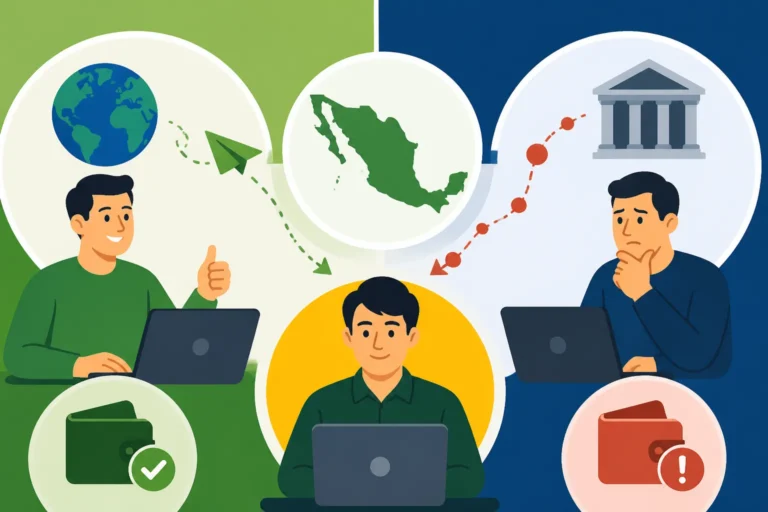
The exchange rate is a living, breathing beast in Mexico. One month you feel like a king, and the next, the "Super Peso" makes your steak dinner feel like it cost as much as a New York City brunch. To manage this, you need a reliable way to move money across borders without losing 3-5% to greedy bank "spreads."
This is where a service like Wise becomes your best friend. I use Wise to transfer my monthly living expenses from my home bank into my Mexican account. The transparency of the mid-market rate means I know exactly how many Pesos will land in my account, which is crucial for Managing Your Money in Mexico: Budgeting, Saving, and Currency Tips. Without a dedicated transfer service, you are essentially at the mercy of whatever rate the big banks decide to give you that morning, which is rarely in your favor.
Real-World Budgeting in the New Mexico
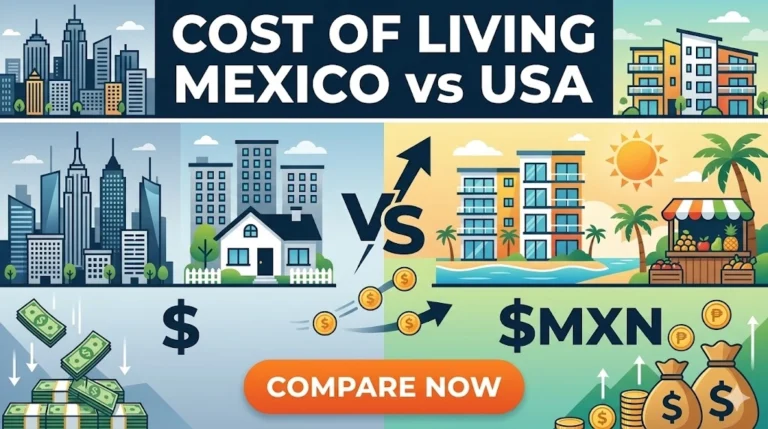
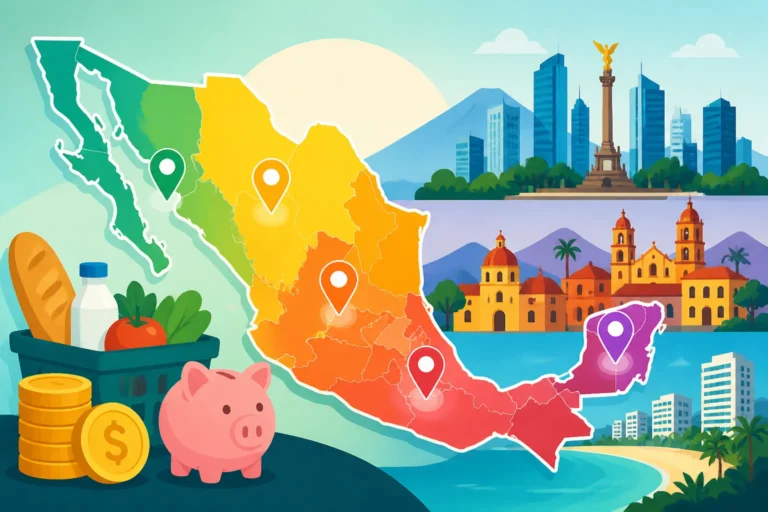
There is a pervasive myth that Mexico is "cheap." While it is certainly more affordable than Vancouver, London, or San Francisco, the cost of living has risen significantly in expat hubs like Playa del Carmen, Ajijic, and San Miguel de Allende. If you plan your finances based on a blog post from 2018, you are going to run out of money by month three. You need to look at a Cost of Living in Mexico: 2026 Comprehensive Guide to see how prices have shifted post-inflation.
Hidden Costs and Utility Quirks
When you rent a house here, the "rent" is just the beginning. In many parts of Mexico, electricity (CFE) is tiered. If you run your air conditioning 24/7 in a "DAC" (High Consumption) zone, your bill can easily skyrocket from $50 USD to $400 USD for a two-month cycle. Then there’s the "garrafón" water—you can't drink the tap water, so you’ll be paying for 20-liter jugs to be delivered.
You also need to budget for "predial" (property tax) if you are Buying Property in Mexico: Comprehensive Guide for Foreign Buyers. While property taxes are generally low compared to the US or Canada, they must be paid annually, and the process can be a confusing morning spent in a government office if you don't know the local rhythm. Don't forget to set aside a "corruption and bureaucracy" fund—not for bribes, but for the endless copies, notary fees, and unexpected administrative costs that come with setting up a life here.
Planning for Healthcare and Insurance Costs
Healthcare is one of the biggest financial draws for moving to Mexico, but it isn't free. While you might be able to see a specialist for $40 USD out of pocket, a major surgery or a night in a private hospital can still cost thousands. You need to decide between public insurance (IMSS), local private insurance, or international expat coverage.
For most of us, Health Insurance in Mexico: How Expats Can Get Coverage (2027) is the safest bet for the first year. Private insurance premiums vary wildly based on your age and pre-existing conditions. If you are over 60, expect to pay a premium that reflects that. I always tell newcomers: "The price of the doctor visit is cheap; the price of the hospital stay is what ruins you." Make sure your financial plan includes a dedicated emergency medical fund that is separate from your daily spending.
Navigating the Tax Labyrinth
Taxation is the "scary" part of moving to Mexico, and for good reason. The Mexican tax authority, known as the SAT, has become significantly more digitized and aggressive in recent years. If you are a remote worker or a retiree, you need to understand your obligations in both your home country and your new home.
IRS and CRA Compliance for Expats
If you are a US citizen, the IRS doesn't care if you live on a beach in Sayulita; they still want to know about your global income. This is the part that trips up most expats—the failure to file FBARs or report foreign bank accounts. This is why I always recommend a specialized service like Taxes for Expats to handle the heavy lifting. They understand the specific treaty between the US and Mexico, which prevents you from being double-taxed on the same income.
Working with Taxes for Expats early in the process—ideally six months before you move—can help you restructure your assets to minimize the bite. For example, how you draw from your 401(k) or IRA can have different tax implications once you become a Mexican tax resident. Don't wait until April to figure this out; the penalties for late filing or "oops, I forgot I had a Mexican bank account" are steep.
Getting Your RFC and Why It Matters
You will hear the acronym "RFC" a lot. It is your Mexican tax ID number. In the old days, you didn't really need one unless you were working locally. Today, you often need an RFC just to buy a car, sign up for high-speed fiber internet, or even get a "factura" (official tax invoice) for a major purchase.
Understanding Income Tax Basics for Expats: Understanding Mexico’s Tax System is essential because your RFC links your residency to your spending. If you plan to rent out a property or start a small business, the SAT will expect you to be in the system. Even if you are a "no-income" retiree, having your RFC makes life infinitely smoother when dealing with any official contract.
Essential Financial Pre-Move Checklist
| Action Item | Recommended Timing | Why It’s Critical |
|---|---|---|
| Open Wise Account | 3-6 Months Before Move | To lock in better exchange rates and test transfers. |
| Contact Taxes for Expats | 6 Months Before Move | To plan for the Foreign Earned Income Exclusion and FBARs. |
| Research Best Banks in Mexico for Expats: Comparing Fees and Services | 2 Months Before Move | To decide which local bank is closest to your new home. |
| Increase ATM Limits | 1 Month Before Move | Many Mexican rentals require the first month and deposit in cash. |
| Audit Using ATMs in Mexico: Avoiding Fees and Staying Secure | 1 Month Before Move | To learn which ATMs are "skimmer-prone" and which are safe. |
| Confirm Do US Expats Living in Mexico Still Need to Pay US Taxes? | Ongoing | Because tax laws change, and the IRS never forgets. |
Protecting Your Purchasing Power
One of the hardest things to get used to is the psychological shift of seeing your bank balance in a currency that looks like it has "too many zeros." It’s easy to spend 2,000 Pesos and think, "It’s only a hundred bucks," but those "hundred bucks" add up when you’re doing it three times a day at the local boutiques.
I strongly recommend keeping the bulk of your savings in your home currency and only moving what you need for 1-2 months of living expenses via Wise. This protects you from a sudden devaluation of the Peso. Conversely, if the Peso is particularly strong, you might want to wait a week to do your big transfer. Being a "currency watcher" becomes a part-time job for many of us, but it’s the price we pay for the lifestyle we enjoy.
Finally, remember that cash is still the ultimate power in Mexico. While cards are accepted in big supermarkets like Chedraui or Costco, your local plumber, the lady selling the best tamales on the corner, and even some smaller medical clinics will want cash. Your financial plan must include a strategy for safely withdrawing and storing physical Pesos without getting hit by the predatory fees at tourist-trap ATMs.
Disclaimer
This article is for informational purposes only and does not constitute professional financial, tax, or legal advice. Taxation and immigration laws in Mexico are subject to frequent change. Always consult with a qualified accountant, such as the team at Taxes for Expats, or a certified financial planner familiar with cross-border regulations before making significant financial moves.