How Much Does It Cost to Live in Mexico City?
Your first week in Mexico City can be confusing. One listing in Roma Norte costs about the same as your old place back home, and two blocks away a local friend pays a fraction of that. Sorting out what things really cost here is harder than it should be. This guide explains each expense category, which neighborhoods drive the price, and how to build a realistic budget.
Disclosure: This post may contain affiliate links. We may earn a commission at no extra cost to you if you make a purchase through these links. Read full disclosure.
Why Mexico City Costs Feel So Inconsistent
The first thing to know about the cost of living in Mexico City is that there are two price systems running side by side. One is the local economy of fondas, tianguis street markets and neighborhood landlords who advertise with a sign on the gate. The other is the expat economy of furnished apartments listed in dollars, brunch spots in Condesa, and delivery apps. Most newcomers spend their first months entirely in the second system without noticing.
The Gringo Premium Is Real but Optional
I remember paying for a “fully furnished designer loft” in Roma Norte that turned out to have one frying pan and a mattress that had seen better decades. The price was set for people booking from abroad who had no way to compare. That markup appears everywhere: rent, Spanish classes, even the price of a haircut on Álvaro Obregón compared with one in Narvarte.
You do not have to pay it forever. Once you have a local phone number, some Spanish, and a few weeks of walking around, the second price system starts to show itself. People who stay in the city long term usually find their costs fall noticeably in the second half of their first year.
Your Colonia Sets Most of Your Budget
Rent is the largest line item, and location drives it more than anything else. Polanco, Condesa and Roma Norte sit at the top. Juárez, Escandón and Del Valle are a step below. Narvarte, Santa María la Ribera and parts of Coyoacán cost less again but still give you safe streets, good markets and Metro access. For a block-by-block breakdown, see Living in Mexico City: Neighborhoods for Expats.
The trade-off is not only price. A cheaper colonia might add travel time to a coworking space, or mean fewer English-speaking services nearby. Decide what you will actually use every day before you sign anything. A practical checklist is in How to Choose a Neighborhood (Colonia) in Mexico City.
Breaking Down Monthly Expenses in Mexico City
The figures change too often to quote. What doesn’t change is the order of the costs: what tends to be expensive, what tends to be cheap, and what catches people out.
Rent and Move-In Costs
Furnished short-term rentals carry the highest monthly price but need almost nothing upfront. Unfurnished long-term leases are much cheaper each month, but landlords often ask for a deposit, the first month in advance, and a guarantor called a fiador or aval. That guarantor usually has to own property in the city. Foreigners without one often pay for a póliza jurídica, a legal guarantee policy, in its place. Typical deposit expectations are covered in How Much Deposit Do Landlords Ask for in Mexico?.
A common scenario: a remote worker spends the first two months in a furnished place in Condesa, then moves to an unfurnished apartment in Narvarte and furnishes it secondhand through Facebook Marketplace. The move-in cost hurts once. After that, their monthly housing spend drops sharply.
Utilities and Household Basics
Electricity from CFE is usually modest for apartments. Most of the city has a mild climate, so few homes need air conditioning. CFE does charge much more per unit once household use passes a certain level, so a space heater left on all winter can push your bill up. Setup steps are in How to Set Up Electricity (CFE) in a Mexican Home.
Gas comes either through a stationary tank refilled by truck or through portable cylinders. Water bills are often tiny or included in building fees. Very few people drink tap water, so you will also pay for 20-liter garrafón deliveries. The routine is explained in How to Get Drinking Water Delivered in Mexico (Garrafones). Home internet from Telmex, izzi or Totalplay is one of the cheapest fixed costs you will have.
Food, Groceries and Eating Out
Food is where the local and expat price systems differ most. A comida corrida, the set lunch of soup, rice, a main dish and agua fresca, costs a small fraction of a sit-down brunch in Roma. Fruit and vegetables from Mercado de Medellín or your weekly tianguis are far cheaper than the same produce, wrapped in plastic, at a premium supermarket. For a store-by-store comparison, see Grocery Shopping in Mexico: Supermarkets vs Local Markets.
Imported goods break budgets: foreign cheese, wine, peanut butter, specialty coffee and the familiar brands you miss. One expat couple I know found their grocery bill had nearly doubled because of imported items alone. They went back to local brands for most things and kept two treats from home.
Transportation
Mexico City has some of the cheapest public transport of any major city. The Metro and Metrobús charge a low flat fare. Ecobici bike share costs little if you live in the central colonias. Ride-hailing is affordable enough that many expats use it daily, and that becomes a real line item over a month. Learn the system in Getting Around Mexico City: Metro, Metrobús, and Apps before you rely on apps for every trip.
Comparing Budget Styles in the Capital
The table below shows how each category usually scales with lifestyle. It uses relative cost levels rather than prices, because prices move with inflation and exchange rates.
| Expense Category | Local-Style Budget | Mid-Range Expat | Premium Expat |
|---|---|---|---|
| Rent | Low, unfurnished in Narvarte or Santa María la Ribera | Moderate, Del Valle, Juárez or Escandón | High, furnished in Polanco, Condesa or Roma Norte |
| Groceries | Low, markets and tianguis | Moderate, mix of markets and supermarkets | High, imported brands and premium stores |
| Dining Out | Low, fondas and street food | Moderate, a few restaurant meals weekly | High, frequent brunches and cocktail bars |
| Transport | Very low, Metro and Metrobús | Low to moderate, transit plus ride-hailing | Moderate to high, mostly ride-hailing or a car |
| Healthcare | Low, pharmacy consultorios and public options | Moderate, private doctor visits paid directly | High, comprehensive private insurance |
| Utilities and Internet | Low | Low to moderate | Moderate, larger home and more appliances |
Most people end up in the middle column with one or two premium habits, often rent or eating out.
Costs That Ambush Newcomers
The surprises seldom show up on rent listings. They include building maintenance fees, called cuotas de mantenimiento, the cost of furnishing an empty apartment, residency paperwork, flights home, and private healthcare if you skip insurance. If you want a sense of medical costs and where to go, see Healthcare in Mexico City: Top Hospitals and Clinics for Expats. A longer list of easy-to-miss expenses is in Hidden Costs of Living in Mexico: Expenses Expats Often Overlook.
Building a Realistic Mexico City Budget
Here is the process I recommend to friends who are planning a move.
- Book a furnished place for your first one to two months. Treat the higher cost as paying for time to research.
- Track every peso you spend for the first month, including cash at markets. Use a spreadsheet or a simple app.
- Visit at least three colonias at different times of day before you commit to a lease.
- Set aside a separate move-in fund for the deposit, the guarantee policy, furniture and utility setup.
- Choose how you will move money from your home currency into pesos before you need it.
- Check your tax obligations in your home country so you don’t get an unexpected bill.
- Review your budget after three months and cut whichever category drifted the most.
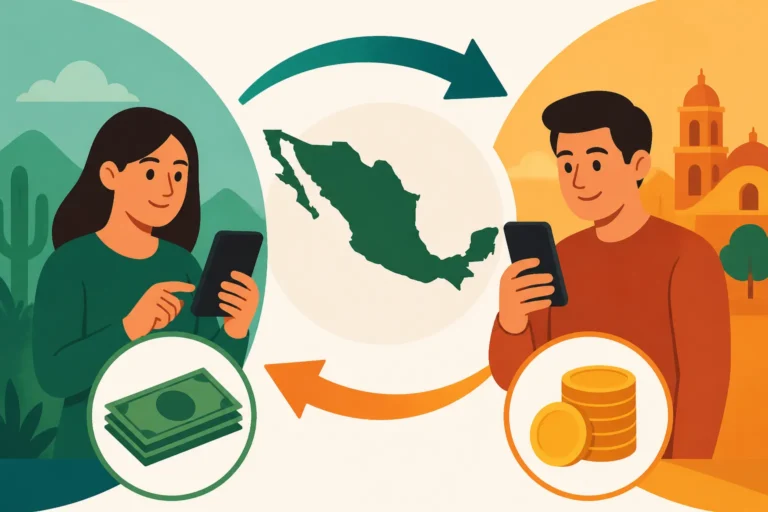
Managing Currency and Transfer Costs
If you earn in dollars, euros or pounds, the exchange rate changes your real cost of living each month. Bank wires and airport exchange booths often hide a wide markup in the rate they give you. Many expats use Wise to convert money and send it to a Mexican account, or use the Wise card for daily spending, because the rate it applies is shown before you confirm. Check Wise’s own pricing page for current fees, since these change.
How often to convert is a real decision. Converting monthly smooths out the swings, while converting in large amounts saves on transaction costs. Both approaches are compared in Living on Dollars, Spending in Pesos: How Often Should You Convert?. Some residents keep a few weeks of expenses in pesos and convert the rest gradually through Wise when the rate looks reasonable.
Do Not Forget Tax Filing Costs
Lower rent does not cancel your obligations back home. Americans in particular still file US returns while living in Mexico City, and the professional fees for doing that belong in your budget. Firms such as Taxes for Expats focus on US returns for people living abroad. Get a quote directly from them, as pricing depends on how complex your situation is. The filing basics are in US Taxes for Americans Living in Mexico.
Whether you prepare your own return or hire Taxes for Expats or a similar firm, plan it in early spring rather than the week of the deadline. Remote workers who are close to becoming Mexican tax residents may also need a local contador, which is another professional cost to budget for.
A Final Word From Someone Who Overspent
My first year here cost far more than it needed to. That wasn’t because the city is expensive. I stayed in the expat bubble because it felt safe. The year things changed, I learned the Metro, bought produce from the same market stall every Saturday, and signed a lease with a landlord who only spoke Spanish. Mexico City can suit many budgets, and much of what you pay comes down to how quickly you learn the local system.
Disclaimer
This article is for general informational purposes only and does not constitute professional advice. Laws, prices and regulations vary by location and change over time. Consult a qualified professional for guidance on your specific situation.