Do You Need to Validate or Apostille Your Degree to Work in Mexico?
You have finally landed that dream job offer in Playa del Carmen or a high-stakes tech role in Guadalajara, but then HR sends you a list of required documents that includes terms like apostille and revalidation. I spent three weeks running between government offices in my home country only to find out I had the wrong type of seal once I arrived in Mexico. This guide solves the mystery of whether you truly need to validate your degree to work in Mexico and provides a clear roadmap to getting it done without the usual headache.
Disclosure: This post may contain affiliate links. We may earn a commission at no extra cost to you if you make a purchase through these links. Read full disclosure.
Understanding the Difference Between Apostille and Validation
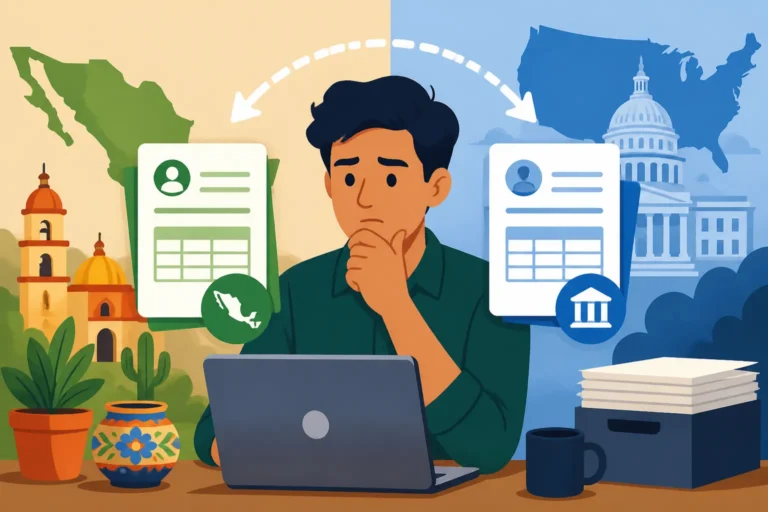
When you first dive into the world of Mexican bureaucracy, or trámites, you will hear two words constantly: apostille and validation (revalidación). It is essential to understand that these are not the same thing. An apostille is a form of international legalization that verifies the signature on your document is authentic. It is a product of the Hague Convention, and since Mexico is a member, they accept this universal seal from other member countries like the U.S., Canada, and most of Europe. Without an apostille, your diploma is essentially just a fancy piece of paper in the eyes of the Mexican government.
Validation, or revalidación, is the next step. This is where the Secretaría de Educación Pública (SEP) looks at your foreign transcripts and decides if your degree is equivalent to a Mexican one. This is a much more intensive process. I have seen expats spend months gathering syllabi and course descriptions just to prove their four-year degree matches the Mexican curriculum. While every professional needs an apostille for their residency visa, not everyone needs to go through the grueling process of academic validation.
The SEP is the gatekeeper of education in Mexico. They ensure that if you claim to be an engineer, your training meets the national standards. However, if you are coming to work as a digital nomad or for a private company that doesn't care about your "official" title, you might never need to step foot in a SEP office. Knowing which camp you fall into can save you hundreds of dollars and a significant amount of stress. It is worth brushing up on your administrative vocabulary through resources like SpanishPod101 so you can explain your situation clearly to the officials who will be handling your paperwork.
When Do You Actually Need Your Degree Validated
The most common question I get is: do I really have to do this? The answer depends entirely on your profession and who is signing your paycheck. If you are entering a "regulated" profession, the answer is a firm yes. This includes fields like medicine, law, architecture, and civil engineering. In Mexico, to practice these professions legally, you must obtain a Cédula Profesional, which is essentially a professional license. To get that Cédula, the SEP must first validate your foreign degree. If you try to practice without it, you are not only violating labor laws but also potentially facing criminal charges.
For many other expats, the requirements are much looser. If you are Teaching English in Mexico: Comprehensive Guide to Jobs and Qualifications, many private language schools will only require a copy of your degree and a TEFL certificate. They might ask for an apostille just to prove the degree is real, but they rarely require a full SEP validation. Similarly, if you are Working in Mexico: Job Market, Work Culture, and Opportunities for Foreigners in a field like marketing, sales, or tech for a private firm, they often care more about your portfolio and experience than a government-stamped equivalency.
However, if you are looking to work for a Mexican government agency or a public university, expect to validate everything. Public institutions are bound by strict regulations that require all employees to have their credentials officially recognized. If you are Recognizing Foreign Qualifications: Using Your Professional License in Mexico, you should start the process at least six months before you plan to start work. Mexican bureaucracy moves at its own pace, and there is no "express" lane for validation.
The Role of the Cédula Profesional and International Firms
If you are working for a multinational corporation like Google, Amazon, or a major manufacturing plant in Queretaro, the rules change again. These companies often handle their own internal verification. They might ask for an apostilled degree to satisfy their HR requirements, but they won't necessarily force you to get a Cédula Profesional unless your specific role requires you to sign off on legal or structural documents. This is a huge relief for many expats who are Digital Nomads in Mexico: Remote Work Guide for 2027 but decide to transition into a local corporate role.
The Cédula Profesional is a point of pride in Mexican culture. It is more than just a license; it is a symbol that you have achieved a specific level of status. In Mexican Work Culture: Business Etiquette and Workplace Norms, being addressed as "Arquitecto" or "Ingeniero" is common. If you do not have your degree validated, you technically cannot use these titles in a professional capacity. While this might seem like a small detail, it can affect how you are perceived by your Mexican colleagues and clients.
For those who are not in regulated fields, the main reason you would ever need an apostilled degree is for your residency visa. When applying for a work permit, the Instituto Nacional de Migración (INM) needs to see that you are qualified for the position your employer is offering. They don't usually require the SEP validation, but they absolutely require the apostille. I remember a friend who had to fly back to London just to get a stamp because she thought a "notarized" copy was enough. It wasn't. Always get the apostille on the original document.
Step-by-Step Guide to Document Preparation
Step one is always the apostille. You must get this in the country where the degree was issued. If you graduated from a university in Texas, the Texas Secretary of State must apostille it. You cannot get a U.S. degree apostilled at a U.S. consulate in Mexico. This catches so many people off guard. You will likely need to mail your original diploma back home or use a third-party service to handle it for you. This is one of those times where spending a little extra money for a reliable courier is worth every penny.
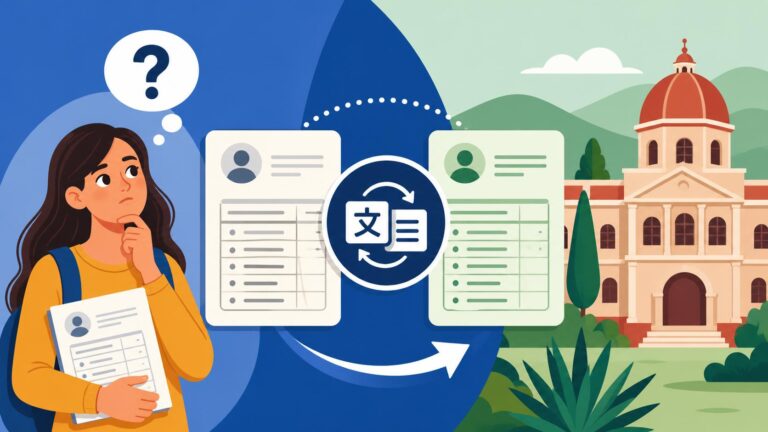
Step two involves a Perito Traductor. Once your document is apostilled, it must be translated into Spanish. But you can't just do this yourself or use a standard translation service. In Mexico, for legal and educational purposes, you must use a "Certified Translator" (Perito Traductor) who is authorized by the Mexican court system. They will provide a translation with an official seal and signature. This is a non-negotiable part of the process for Labor Laws in Mexico: Understanding Employee Rights and Benefits compliance and residency applications.
Step three is the submission to the SEP, if you've determined you need validation. You will need your apostilled degree, the certified translation, your transcripts (also apostilled and translated), and a copy of your CURP (Mexican ID number). Many of these "citas" or appointments must be booked online weeks in advance. The language used in these offices can be very technical, so I highly recommend using SpanishPod101 to practice phrases related to "revalidación de estudios" and "trámites migratorios." Being able to navigate the conversation without a translator will earn you a lot of respect from the officials.
Degree Requirements by Industry for Expats
| Industry | Apostille Required? | SEP Validation Required? | Common Requirement |
|---|---|---|---|
| Healthcare (Doctors/Nurses) | Yes | Yes | Cédula Profesional is mandatory |
| Engineering & Architecture | Yes | Yes | Required for signing off on projects |
| Tech & Software Dev | Yes | No | Skills and experience are priority |
| K-12 Education (Private) | Yes | Sometimes | Depends on school's SEP incorporation |
| University Professor | Yes | Yes | Required for tenure or public funds |
| Real Estate & Sales | Yes | No | Local certifications may be needed |
| English Teaching (ESL) | Yes | No | TEFL/CELTA is often more important |
Navigating the Bureaucratic Culture
Let's be honest: Mexican bureaucracy can be exhausting. You might be told one thing by one official and something completely different the next day. This is why having your "papeleo" (paperwork) in perfect order is so important. When you go to a government office, bring three copies of everything. Bring a folder. Bring a pen. And most importantly, bring patience. The system is built on personal interaction, and a friendly "Buenos días" goes a long way.
One thing that surprised me was how much the "official" nature of the documents matters. If your diploma is slightly wrinkled or the apostille is stapled in a way that looks unofficial, you might face delays. It is a very visual culture when it comes to documents. If you are struggling with the language barrier, services like SpanishPod101 offer great lessons on polite office conduct and how to ask for clarification when a bureaucrat is speaking a mile a minute.
Finally, keep in mind that rules can change slightly depending on which state you are in. While the SEP is a federal entity, local offices in Merida might have a slightly different workflow than those in Mexico City. Always check the local requirements for the specific city where you intend to work. If you eventually decide on How to Become a Mexican Citizen: The Complete Naturalization Guide, having all these documents correctly validated and apostilled early on will make your citizenship application much smoother down the line.
Practical Tips for Your Documents
Always keep digital scans of your apostilled and translated documents. I keep a folder on a secure cloud drive so I can access them from my phone at any time. You would be amazed how often a random office asks for a copy of your "título" (degree) when you least expect it. Also, ensure your name on your degree matches your passport exactly. If you have had a name change due to marriage, you will need to provide an apostilled marriage certificate to bridge the gap.
If you find that the validation process is too much to handle on your own, there are "gestores" or facilitators who specialize in this. While they charge a fee, they know the ins and outs of the SEP and can often bypass the common mistakes that expats make. Just be sure to find a reputable one through expat forums or local legal recommendations. Dealing with the government is part of the "experience" of living here, but there is no shame in getting a little professional help to ensure you can start your new life in Mexico on the right foot.
Disclaimer
This guide is intended for informational purposes only and does not constitute legal or professional immigration advice. Regulations regarding degree validation and work permits in Mexico are subject to change. Always consult with the Secretaría de Educación Pública (SEP) or a qualified Mexican immigration attorney before beginning any legal trámites.