Residency vs Tourist Visa for Snowbirds: Which Is Better for Part-Time Expats?
The sinking feeling in your stomach when an immigration officer asks how long you plan to stay is a rite of passage for many snowbirds. I remember vividly the year I was granted only 30 days despite having a six-month rental booked in Ajijic, and the frantic scramble that followed was something I wouldn't wish on anyone. This guide breaks down the critical choice between the tourist permit and formal residency to ensure your winters in the sun remain stress-free.
Disclosure: This post may contain affiliate links. We may earn a commission at no extra cost to you if you make a purchase through these links. Read full disclosure.
Understanding the Tourist Visa Shuffle in Modern Mexico
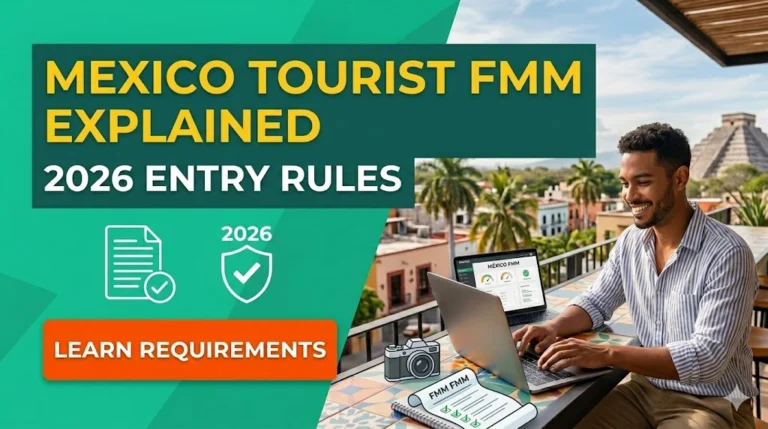
For decades, the standard operating procedure for snowbirds was simple: fly into Cancun or Puerto Vallarta, get a 180-day stamp on your FMM (Forma Migratoria Múltiple), and enjoy the winter. However, the administrative landscape has shifted dramatically. Mexico has moved toward a digitized system, and the days of "automatic" 180-day stays are largely over. Officers now have significant discretion, and they are increasingly asking for proof of exit flights and accommodation bookings before deciding how many days to grant you.
The inconsistency is the hardest part to swallow. You might have a friend who breezed through with six months, while you, standing in the same line at the Mexico City airport, are given 15 days because the officer felt you were spending too much time in the country without contributing to the formal residency system. This unpredictability turns a relaxing getaway into a logistical nightmare. If you are given a short stay, you are forced into a "border run" or a visit to an INM office to beg for an extension, which is rarely granted for tourists.
Between you and me, the "border run" culture—where you pop over to Guatemala or the U.S. for 24 hours to reset your clock—is being heavily scrutinized. Immigration officials can see your entry and exit history on their screens instantly. If they see a pattern of someone living in Mexico six months a year on tourist stamps, they may eventually deny entry or give you just enough time to pack your bags and leave. For a deep dive into these entry logistics, you should check out the Border Runs in 2026: How Safe Is It to Reset Your 180-Day Tourist Allowance? guide to stay updated on the latest enforcement trends.
The Benefits of Temporary Residency for Part-Time Living
If you plan on spending more than three or four months a year in Mexico, the Temporary Residency becomes an incredibly attractive option. Beyond the legal right to stay for up to a year (and eventually renew for three more), residency changes how you interact with the country. It moves you from being a "guest" to being a "resident," which unlocks doors that are otherwise bolted shut for tourists.
One of the most immediate benefits is financial. Opening a bank account in Mexico as a tourist is nearly impossible in the current regulatory environment. As a resident, you can open a local account, which is essential for paying utility bills like CFE (electricity) or Telmex (internet) without relying on third-party apps or high-fee convenience stores. It also allows you to pay for long-term expenses in pesos, protecting you from the fluctuations of the exchange rate that can eat into a fixed retirement budget.
Furthermore, residency offers a level of psychological security that is hard to quantify. When you have that plastic card in your wallet, you no longer look at the calendar with dread. You can come and go as you please through the "Residents" line at the airport, often bypassing the hour-long wait times that tourists endure. You also gain access to local discounts at museums and national parks, and in some states, you can even apply for a local driver's license.
Financial and Administrative Hurdles of Choosing Residency
The path to residency is not without its obstacles, and for many snowbirds, the primary barrier is the financial solvency requirement. Mexico raises these requirements nearly every year, tying them to the daily minimum wage or the UMA (Unit of Measurement and Indexing). For 2026, the income or savings levels required to prove you can support yourself are significant. You generally need to show a consistent monthly income from pensions or investments, or a substantial balance in your savings accounts over the last twelve months.
The application process must begin at a Mexican consulate outside of Mexico. This means you cannot decide to become a resident while you are already sitting on a beach in Mazatlán. You have to book an appointment at a consulate in your home country, present your bank statements, and undergo an interview. This is where precision matters. Most consulates require your documents to be in Spanish, and using a professional service like RushTranslate is often the difference between a successful interview and being sent home to start over.
Once the consulate grants the visa sticker in your passport, the clock starts ticking. You have 30 days from your next entry into Mexico to visit the local immigration office (INM) and exchange that sticker for your actual residency card. This "canje" process can take anywhere from a few days to several weeks depending on how busy the office is in popular spots like San Miguel de Allende or Playa del Carmen. If you are curious about the specific numbers, our guide on Mexico Temporary Residency Financial Requirements (2026) provides the most current figures for the current year.
Comparing Tourist Permits and Temporary Residency
| Feature | Tourist Permit (FMM) | Temporary Residency |
|---|---|---|
| Maximum Duration | Up to 180 days (discretionary) | 1 year (renewable for 3 more) |
| Application Location | At the border/airport | Consulates outside Mexico |
| Financial Proof | None required | Monthly income or high savings |
| Bank Accounts | Generally not allowed | Full access to local banking |
| Foreign-Plated Car | Allowed for duration of FMM | Allowed for duration of Visa |
| Right to Work | No | Only with additional permit |
| Path to Citizenship | No | Yes (after 5 years total residency) |
Making the Final Decision Based on Your Snowbird Lifestyle
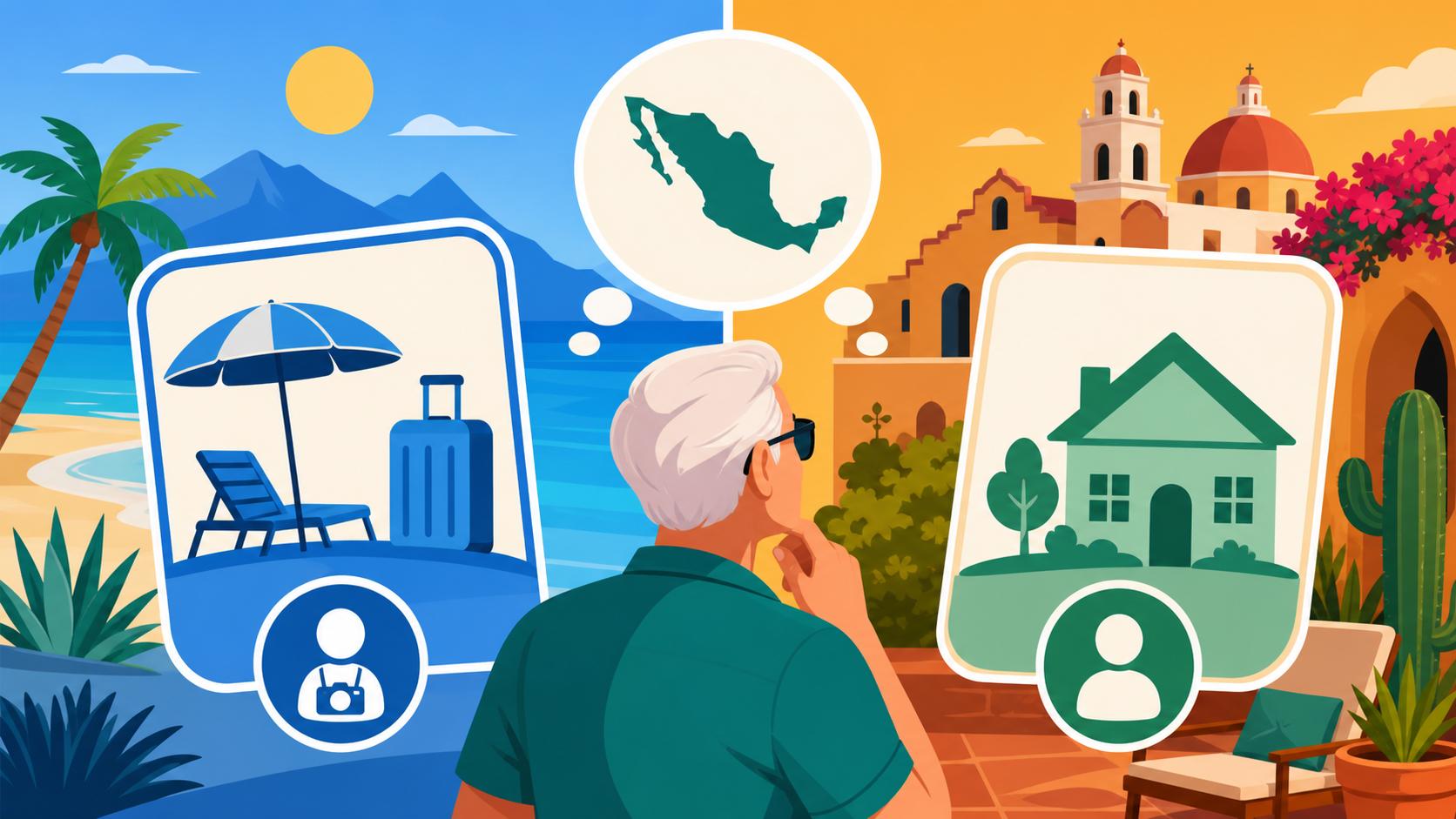
Choosing between these two paths often comes down to your long-term vision. If you are a "tester" snowbird—someone who isn't sure if they want to return to the same town every year—the tourist route offers the flexibility to move around without the paperwork. However, if you have purchased a condo or have a long-term lease in a place like Lake Chapala, residency is almost always the better bet.
One major factor for snowbirds is the ability to bring a foreign vehicle. If you drive down from the U.S. or Canada, your Temporary Import Permit (TIP) is tied to your immigration status. If you are on a tourist permit, your car must leave the country when your FMM expires. If you have residency, your car's legal status is tied to your visa, but there is a catch: Permanent Residents cannot own foreign-plated cars. This is a common trap for snowbirds who eventually upgrade their status. For a clear explanation of these rules, refer to our guide on Bringing Your Car vs Buying in Mexico: Impact on Visa and Legal Status.
Healthcare is another pillar of the decision-making process. While tourists can rely on travel insurance for emergencies, residents often look for more comprehensive solutions. While you are in the country for six months, you want to ensure you have coverage that understands the local hospital networks. Many expats choose a global provider like Cigna Global to ensure they have seamless coverage whether they are in their home country or their Mexican winter nest. Having this sorted is a vital part of Snowbirds in Mexico: Insuring Six Months South Without Dropping Home Cover, especially as we age and our medical needs become more complex.
Finally, consider the documentation you will need for the transition. If you decide to go the residency route, you'll need to gather birth certificates, marriage licenses (if applying as a couple), and bank records. Consulates are famously picky about formatting. This is another area where services like RushTranslate are invaluable for ensuring your translated documents meet the strict standards of the Mexican government. If you are moving with a partner, be sure to read about the Financial Requirements for Families Applying Together for Mexican Residency to see if you can combine your assets to meet the threshold.
Navigating the Emotional Side of the Move
It is easy to get bogged down in the "how-to" and forget the "why." You are moving to Mexico to enjoy the vibrant culture, the incredible food, and the warmth of the people. Dealing with immigration paperwork is a hurdle, yes, but it is also a sign of respect for the laws of your host country. I have found that those who take the time to get their residency are often more welcomed by the locals; it shows you are committed to the community and not just another transient tourist.
The peace of mind that comes with knowing you are legal is worth every penny of the application fees. You won't have to scan expat forums every October to see if the "180-day rule" has changed again. You can focus on finding the best taco stand in your neighborhood or learning enough Spanish to joke with your neighbors. If you are still on the fence, reading about the Best Places to Live in Mexico for Expats (2027 Edition) can give you a better idea of the different flavors of life available to you once your legal status is secure.
Whether you choose the simplicity of the tourist permit or the stability of residency, the key is to be prepared. Bring your documents, stay honest with immigration officers, and always have a backup plan. Mexico is a beautiful, complex country that rewards those who approach its bureaucracy with patience and a smile. If you are ready to start the paperwork, our Mexico Temporary Resident Visa: Comprehensive Guide for Expats (2026 Update) is the best place to begin your journey toward a permanent winter home.
Disclaimer
This guide is for informational purposes only and does not constitute legal or immigration advice. Mexican immigration laws and financial requirements change frequently. Always consult with the nearest Mexican Consulate or a certified immigration attorney before making significant travel or residency plans.