What is an Apostille, and Do You Need It for Mexican Immigration Documents?
Navigating the labyrinth of Mexican bureaucracy often feels like trying to solve a Rubik's Cube in the dark while someone shouts instructions at you in a language you only half-understand. I remember the sinking feeling in my stomach when I stood at the consulate window, residency application in hand, only to be told my perfectly valid birth certificate was essentially a scrap of paper because it lacked a specific stamp. This guide demystifies the apostille process, ensuring your Mexican immigration journey doesn't hit a wall before it even begins.
Disclosure: This post may contain affiliate links. We may earn a commission at no extra cost to you if you make a purchase through these links. Read full disclosure.
Understanding the Apostille and Why It Matters for Mexico
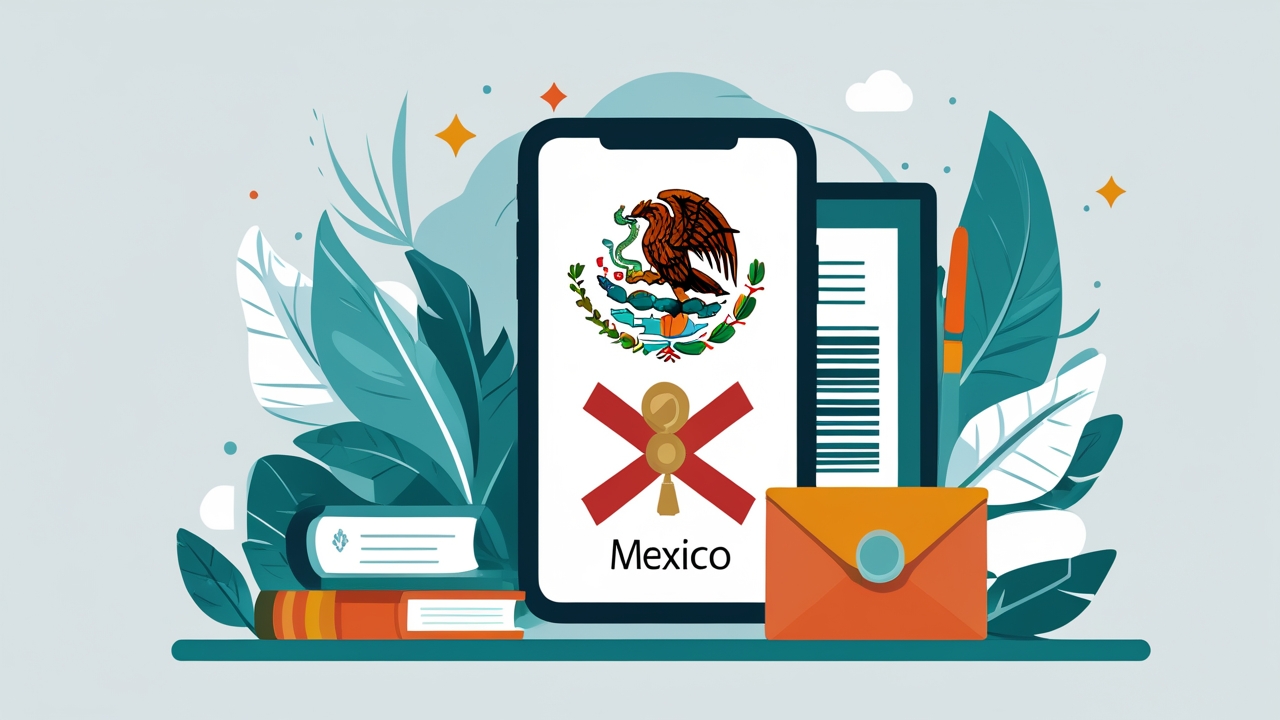
If you are planning to move to Mexico, the term "apostille" is about to become a very frequent part of your vocabulary. At its simplest, an apostille is a form of international certification. It is a specialized stamp or sticker attached to a document that proves its authenticity so it can be recognized by another country. Mexico is a member of the Hague Apostille Convention, which is a fancy way of saying that as long as your home country is also a member, your documents can be "legalized" for use in Mexico through this streamlined process.
The frustration for many of us is that an apostille doesn't certify that the information inside the document is true; it merely certifies that the signature and seal on the document are legitimate. When you are applying for The Ultimate Guide to Mexico's Visa and Residency Options (2027 Edition), the Mexican government needs to know that the marriage certificate or criminal record you are presenting wasn't just whipped up on a home printer. They require this "validation of the validator" to ensure everything is above board.
The Hague Convention vs Legalization
If your home country is not part of the Hague Convention, you cannot get an apostille. Instead, you have to go through a much more grueling process called "legalization." This involves getting the document certified by your local authorities, then the national foreign affairs office, and finally by the Mexican embassy or consulate in your home country. Thankfully, for citizens of the US, Canada, the UK, and most of Europe, the apostille is the standard.
Why Your Documents Must Be Recent
One of the most common pitfalls I see expats fall into is trying to use an old apostilled document. While the apostille itself technically doesn't expire, Mexican immigration authorities often require that the underlying document—like a background check or a birth certificate—was issued within the last six months (or sometimes even 90 days). If you show up with an apostille from three years ago, the official at the National Institute of Migration (INM) will likely send you back to square one. This is why timing is everything when preparing for your Mexican Consulate Appointments: Tips to Succeed in Your Visa Interview.
Which Documents Require an Apostille for Mexican Residency
Not every piece of paper you bring to Mexico needs an apostille, but the ones that do are non-negotiable. Typically, any document issued by a government authority outside of Mexico must be apostilled to have legal standing within the country. This applies whether you are applying for temporary residency, permanent residency, or even if you are already looking ahead at How to Become a Mexican Citizen: The Complete Naturalization Guide.
Vital Records: Birth and Marriage Certificates
If you are moving to Mexico with a spouse or children, your birth and marriage certificates are the bedrock of your application. Mexico takes family unity seriously, but they need proof. If you are applying for residency based on family ties, your marriage certificate must be apostilled in the jurisdiction where the marriage took place. For example, if you were married in Nevada but live in Texas, that apostille has to come from the Nevada Secretary of State.
Criminal Background Checks
For most residency applications, particularly when applying through a consulate, you will need to provide a clean criminal record. This is a high-stress document because it has a very short shelf life. If you are getting a federal-level check, such as an FBI report in the US, the apostille must be issued by the US Department of State in Washington, D.C., not your local state office. Navigating these layers of government is a key part of Mexico Temporary Resident Visa: Comprehensive Guide for Expats (2026 Update).
Educational Degrees and Professional Licenses
If you are planning to work in a specialized field or if you are applying for residency through a job offer, you might need to have your university degrees or transcripts apostilled. This is also relevant for Bringing Children’s Medical Records: Managing Kids’ Health History Abroad, as certain medical certifications or specialized school records might need this level of validation if they are to be officially recognized by Mexican institutions.
| Document Type | Issuing Authority | Apostille Location | Common Use Case |
|---|---|---|---|
| Birth Certificate | County/State | State Secretary of State | Residency & Citizenship |
| Marriage License | County/State | State Secretary of State | Family Unity Visas |
| FBI Background Check | Federal (FBI) | US Dept of State (DC) | Temporary/Permanent Residency |
| University Degree | University Registrar | State Secretary of State | Work Permits & Professional SEP |
| Divorce Decree | Court Clerk | State Secretary of State | Remarrying or Name Changes |
The Step by Step Process for Getting Your Apostille
The process for obtaining an apostille varies significantly depending on where your document was issued. I have learned the hard way that you cannot simply walk into any government building and ask for a stamp. You must match the "level" of the document to the "level" of the apostille.
Step 1: Obtain a Certified Copy
You cannot apostille a photocopy or a document you printed from a website. You must have an "official" or "certified" copy from the issuing agency. This copy usually has a raised seal, a multicolored stamp, or a specific signature from the registrar. If you are Retiring in Mexico: Residency and Visa Requirements for 2026, start gathering these fresh copies at least three months before your planned move.
Step 2: Notarization (If Necessary)
Some documents, particularly private ones like diplomas or certain medical affidavits, must be notarized before they can be apostilled. The notary's signature then gets authenticated by the county or state. However, for government-issued vital records like birth certificates, you generally skip the notary and go straight to the Secretary of State.
Step 3: Submission to the Competent Authority
Once you have your certified document, you send it to the appropriate Secretary of State (for state documents) or the Department of State (for federal documents). Most people use a mail-in service. Be sure to include a cover letter, the correct fee (usually between $5 and $30 per document), and a pre-paid return envelope. If you are in a rush, there are "expediter" services that can handle this for you, though they charge a premium.
Translations and Post-Apostille Requirements
Once you have that beautiful, official apostille attached to your document, you might think you are finished. Not quite. Because the official language of Mexico is Spanish, any document in English (or any other language) must be translated. This is where the process gets even more specific.
Certified vs. Perito Traductor Translations
For simple consulate interviews outside of Mexico, a standard certified translation from a reputable company like RushTranslate is often accepted. They provide the accuracy and certification that proves the translation is a faithful reproduction of the original. However, once you are physically inside Mexico and dealing with the INM or a Notary Public for How to Translate Documents for Your Mexican Visa Application (Certified Translations), you will likely need a translation from a "Perito Traductor." This is a court-certified translator authorized by the Mexican government.
Does the Apostille Itself Need to Be Translated?
Yes. This is a common "gotcha" moment. When you get your documents translated, the translator must also translate the text on the apostille itself. If they only translate the birth certificate and ignore the apostille page, the Mexican officials may reject the whole thing. Using a service like RushTranslate ensures that every single word on that page—including the fine print on the stamp—is accounted for.
Coordinating with Insurance Requirements
While you are gathering your apostilles, remember that immigration also requires proof of health coverage in many cases. Often, these insurance documents don't need an apostille because they are provided by international entities, but they do need to show specific coverage amounts. Many expats choose Cigna Global because their policies are recognized internationally and provide the comprehensive "zero-deductible" or "full-coverage" letters that Mexican consulates often look for when you are securing Health Insurance in Mexico: How Expats Can Get Coverage (2027).
Common Pitfalls and How to Avoid Them
The road to Mexican residency is paved with good intentions and rejected documents. I’ve seen people lose weeks of time because of a tiny error on an apostille request form. One major mistake is forgetting to specify that the document is for use in Mexico. While the apostille is a "universal" stamp, some agencies ask for the destination country to ensure the format is correct.
The Notary Public Trap
In the US, people often think a Notary Public can "apostille" a document. They cannot. A notary can only witness a signature. If you get a document notarized and think that is enough for Mexico, you will be sorely disappointed. The notary’s signature is just a prerequisite for the state-level official to then issue the actual apostille.
Dealing with Federal Documents
If you are a US citizen, your FBI background check is a federal document. You cannot take this to your local Secretary of State in California or Texas. It must go to the US Department of State's Office of Authentications in Washington, D.C. The processing time for federal apostilles is notoriously slow—sometimes taking 4 to 8 weeks—so plan your Mexican Consulate Appointments: Tips to Succeed in Your Visa Interview accordingly.
Signature Mismatches
Occasionally, a Secretary of State will reject an apostille request because the signature of the local registrar on your birth certificate is not on file with them. This usually happens with very old documents or those signed by a deputy who was only in office for a short time. If this happens, you’ll need to request a new certified copy of the document signed by the current registrar.
Final Thoughts on Document Preparation
Securing an apostille is less about "winning" and more about "not losing" the bureaucratic game. It requires patience, attention to detail, and a fair amount of stamps and envelopes. My advice? Don't wait until you have a flight booked to start this process. The peace of mind that comes with having a folder full of apostilled, translated documents is worth every penny of the fees you’ll pay.
When you finally sit down with your immigration officer and they see your meticulously prepared paperwork, the atmosphere in the room shifts. You go from being another "confused foreigner" to a "prepared resident." That shift makes all the difference in the world when you're trying to build a new life in the land of the sun.
Disclaimer
The information provided in this guide is for educational and informational purposes only and does not constitute legal or immigration advice. Immigration laws, financial requirements, and document procedures in Mexico are subject to frequent change. Always consult with the official website of the Mexican Secretariat of Foreign Affairs (SRE) or the National Institute of Migration (INM), or seek the counsel of a certified immigration professional before making any legal decisions or travel arrangements.