The Mexican Capital Gains Exemption and Your US Return: Why It Doesn’t Transfer
Mexican capital gains exemptions fail to transfer to American tax returns, requiring US citizens selling foreign property to navigate complex IRS rules.
Make your money work.
Banking, taxes, salary basics, payments, budgeting, and cost-of-living tips.
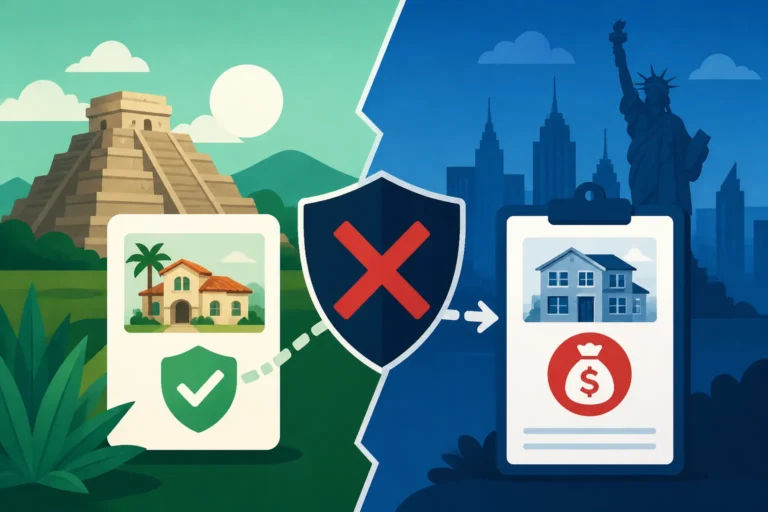
Mexican capital gains exemptions fail to transfer to American tax returns, requiring US citizens selling foreign property to navigate complex IRS rules.

Mexican capital gains tax rules and US tax obligations apply when United States citizens sell residential property located in Mexico.

Mexican property ownership for US citizens involves unique tax obligations on both sides of the border, including acquisition fees and capital gains.
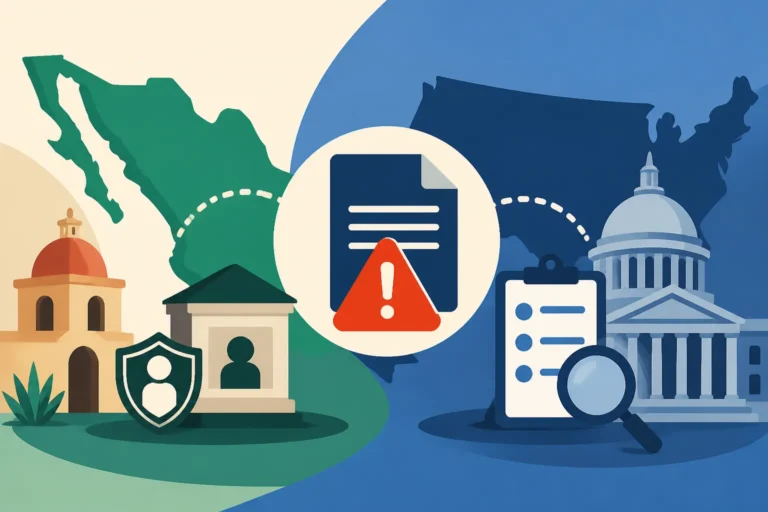
The Mexican fideicomiso structure triggers US tax reporting obligations, requiring expats to file Form 3520, FBAR, and Form 8938.

Revenue Procedure 2013-14 explains how most Mexican fideicomisos exempt US expats from complex foreign trust reporting requirements and steep penalties.

A Mexican bank trust or fideicomiso triggers IRS reporting questions regarding foreign trusts and Form 3520 penalties.
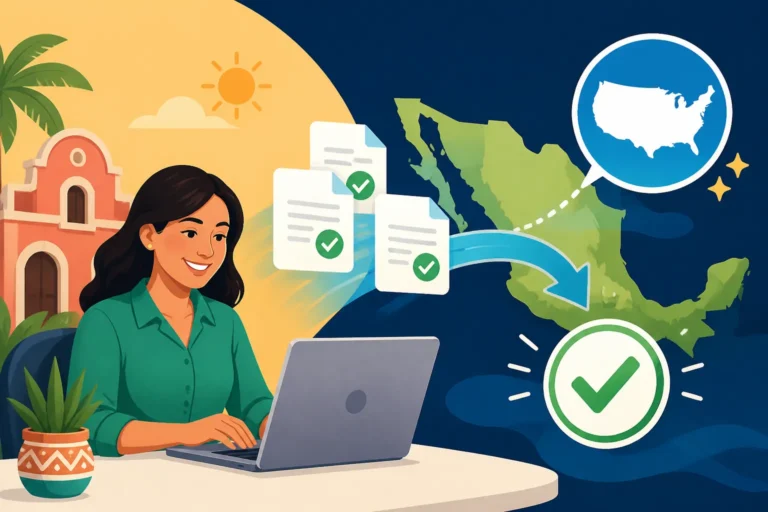
Streamlined filing procedures for United States citizens living in Mexico offer penalty relief and a path to catch up on missed tax returns.

American tax deadlines for expats in Mexico, covering automatic extensions, filing forms, quarterly payments, and preventing penalties.

Eligible U.S. expats living in Mexico City can significantly reduce their taxable income by utilizing the Foreign Housing Exclusion.

FATCA Form 8938 and FBAR filing rules for Americans in Mexico, including different thresholds, deadlines, and agencies.