Horseback and Ranch Experiences in Mexico: What to Verify
Dreaming of galloping along a pristine beach or riding through a lush mountain trail, experiencing the authentic charro culture in Mexico? Many expats and tourists romanticize these experiences, but the reality can be quite different if you don't do your homework. This guide will walk you through exactly what to verify when choosing horseback and ranch experiences in Mexico, ensuring your adventure is as safe, ethical, and memorable as you imagine, and how tools like Viator can make it easier.
Disclosure: This post may contain affiliate links. We may earn a commission at no extra cost to you if you make a purchase through these links. Read full disclosure.
Choosing the Right Horseback Riding Tour or Ranch Experience
Mexico offers an incredible diversity of landscapes and cultural experiences for horseback riding, from the sun-drenched beaches of the Pacific and Caribbean to the rugged mountains and traditional ranches of the central highlands. But before you saddle up, it's crucial to understand what makes a good experience and how to vet the operators. This isn't just about fun; it's about safety for both you and the horses.
Prioritizing Operator Reputation and Certifications
When you're looking for a horseback riding tour, the first thing on your checklist should be the operator's reputation. Don't just settle for the first company you see advertised on a flyer or online. In Mexico, like anywhere else, quality varies widely. You want to look for operators who are transparent about their practices and have a solid track record. This means diving into reviews, checking travel forums, and even asking other expats in local groups for recommendations. Platforms like Viator are invaluable here because they host a vast array of user reviews and ratings, giving you a real sense of what previous customers have experienced. A reputable operator will often highlight their safety measures, their animal care policies, and any certifications they might hold, even if these aren't always government-mandated in all areas. Look for mentions of professional guides, well-maintained equipment, and healthy, well-cared-for horses. If an operator has a strong online presence and positive feedback, it's generally a good sign. Don't shy away from asking direct questions about their safety record and what training their guides have.
Understanding Different Types of Horseback Experiences
Mexico isn't a one-size-fits-all country, and neither are its horseback riding opportunities. Understanding the different types of experiences available will help you choose one that aligns with your expectations and riding skill level. You might be dreaming of a serene beach ride at sunset, but also consider a rugged mountain trail or an immersive ranch experience. Each type presents its own set of considerations.
Beach rides, common in places like Puerto Vallarta, Cancún, or Oaxaca's Pacific Beaches, offer stunning views and the unique sensation of riding near the ocean. However, these rides usually involve a slower pace and can be quite tourist-centric. It's vital to ensure that horses are not overworked or exposed to excessive sun without proper care. Mountain or jungle trail rides, found in areas like San Miguel de Allende or Chiapas, often involve more challenging terrain and can be physically demanding. These might require a bit more riding experience. Finally, a true ranch experience, or hacienda tour, allows you to delve deeper into Mexican equestrian culture. These can range from a few hours of riding with a focus on traditional horsemanship to multi-day stays where you participate in daily ranch activities. Many authentic ranch experiences are offered on Viator, providing a curated selection that can save you a lot of guesswork. Make sure the pace, duration, and difficulty level of the tour match your comfort and skill.
Here's a quick comparison of popular horseback riding experiences:
| Experience Type | Common Locations | Typical Pace | Skill Level | Key Considerations |
|---|---|---|---|---|
| Beach Ride | Puerto Vallarta, Riviera Maya, Los Cabos | Slow to Medium | Beginner | Horse welfare (heat, overwork), tourist volume |
| Mountain/Trail Ride | San Miguel de Allende, Oaxaca, Valle de Bravo | Medium to Fast | Intermediate | Terrain difficulty, guide experience, horse stamina |
| Ranch/Hacienda Tour | Central Highlands, Yucatán, Jalisco | Varied | All | Cultural immersion, authenticity, animal care at facility |
| Canyon/Desert Ride | Baja California, Northern Mexico | Medium | Beginner-Intermediate | Heat, guide knowledge of trails, water availability |
Assessing Horse Welfare and Rider Safety Protocols
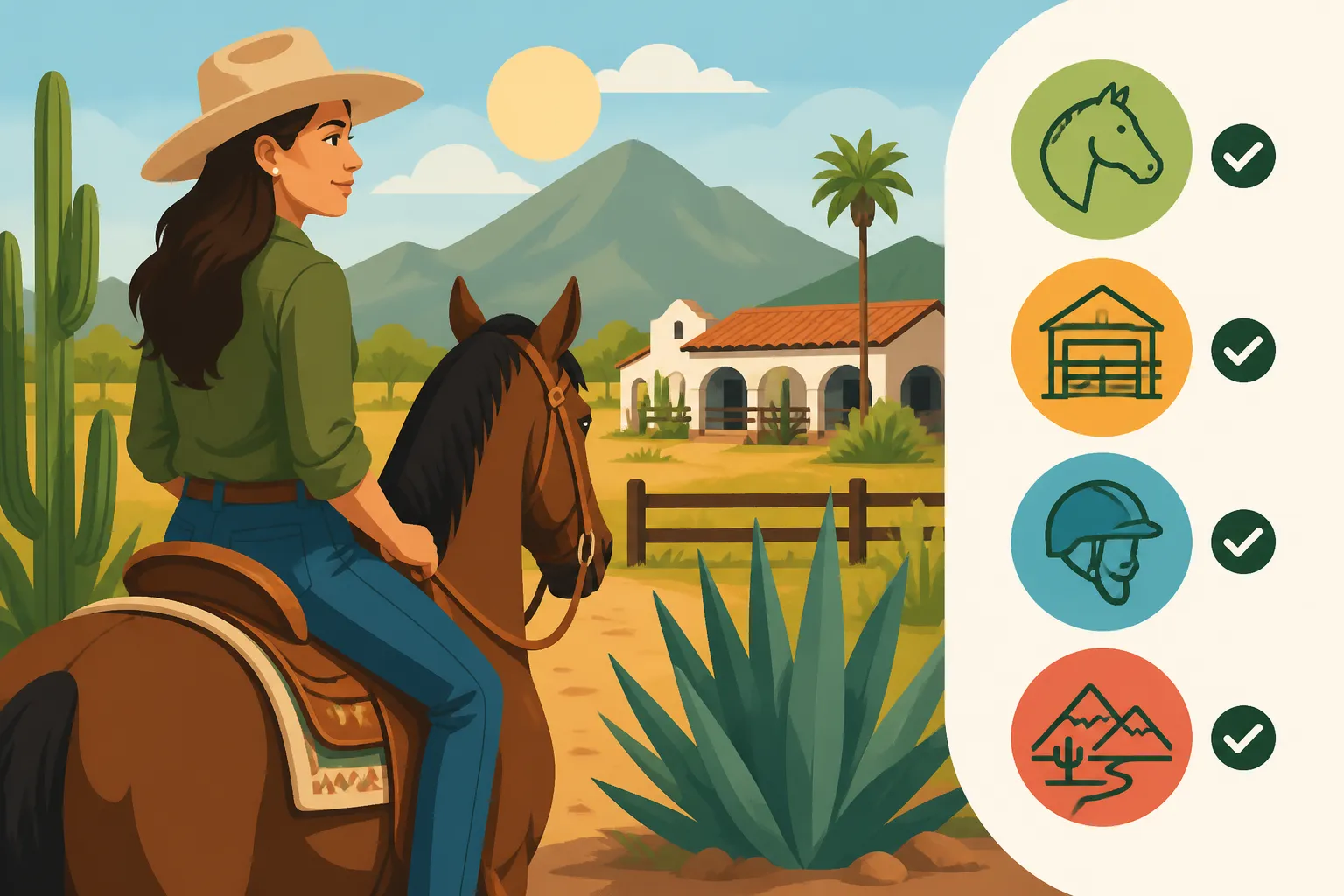
This is, arguably, the most critical section. As an expat who has seen a few questionable operations, I can tell you that the well-being of the horses directly impacts your safety and the ethical integrity of your experience. A good operator treats their horses with respect and care. Look for horses that appear well-fed, not skinny or overly muscled. Their coats should be healthy, eyes clear, and hooves well-maintained. Any visible sores, lameness, or signs of distress are red flags. Ask about their rest schedules, how often they're ridden, and if they have access to water and shade. If you feel uncomfortable with the condition of the horses, trust your gut and walk away.
Beyond the animals, your safety as a rider is paramount. Reputable tour providers, especially those you find through established platforms like Viator, will have clear safety briefings before you start. They should provide properly fitted helmets – and insist that you wear them, regardless of your experience level. Check the saddles and stirrups; they should be in good repair, not worn or broken. The guides should be experienced riders themselves, knowledgeable about the trails, and capable of handling various situations that might arise. Don't hesitate to ask if guides carry first-aid kits or if they have communication devices in case of an emergency. This is particularly important for longer or more remote rides. Remember, you can always ask questions before you book, and a good operator will be happy to answer them thoroughly. For general safety information, check out our guide on Staying Safe in Mexico: Practical Tips for Travelers.
What to Expect: Preparing for Your Mexican Horseback Adventure
Once you've chosen a reputable operator, it's time to get ready for your adventure. A little preparation can go a long way in ensuring you have a comfortable and enjoyable time. This means thinking about what to wear, how you'll communicate, and being realistic about your physical capabilities.
Essential Gear and Attire for Riding
What you wear can significantly impact your comfort and safety. Forget the flip-flops and swimsuits, even if you're going on a beach ride! You'll want sturdy, closed-toe shoes with a small heel if possible – this prevents your foot from slipping too far through the stirrup. Boots are ideal, but any comfortable sneaker will do in a pinch. Long pants are a must. Jeans, durable leggings, or riding breeches will protect your legs from chafing, saddle rubs, and any branches you might brush against on a trail. Even on a hot day, trust me, your skin will thank you.
For your top, a comfortable shirt that allows for movement and protects you from the sun is best. Think quick-drying fabrics if you'll be in humid areas. A hat is crucial for sun protection, but make sure it's one that will stay on securely, perhaps with a chin strap, as you'll likely be wearing a helmet. Don't forget sunscreen, sunglasses (preferably strapped), and insect repellent, especially if riding through jungle or forested areas. Many of these items can be found readily in Mexico, but it's often easier to bring your preferred brands from home. For other packing essentials, consider our advice on What to Pack for a Beach Trip in Mexico or general travel gear.
Language and Communication on the Trail
While many tourist-oriented operators in popular expat destinations like Lake Chapala, San Miguel de Allende, or Playa del Carmen might have English-speaking guides, it's not a guarantee everywhere, especially if you venture off the beaten path for a more authentic ranch experience. Even if your guide speaks some English, knowing a few basic Spanish phrases related to horses and riding can be incredibly helpful and appreciated. Simple commands like ¡Vamos! (Let's go!), ¡Alto! (Stop!), ¡Despacio! (Slow down!), and ¡Tranquilo! (Easy/calm down!) can make a difference.
Before you set out, make sure you understand the instructions and expectations. If you're unsure about anything, don't be afraid to ask for clarification, even if it means asking your guide to repeat themselves slowly. Most guides are patient and used to working with international visitors. Knowing some survival Spanish can enrich your experience and ensure clearer communication, especially in unexpected situations. Check out our guide on Survival Spanish for Travelers in Mexico: Key Phrases for a handy cheat sheet.
Physical Fitness and Riding Experience
Let's be real: horseback riding uses muscles you didn't even know you had, even if you're just walking! If you haven't ridden in a while, or ever, be prepared for some soreness the next day. Most tourist-focused rides are designed for beginners, featuring calm, well-trained horses that follow a leader. However, a more adventurous trail ride or a full day on a working ranch will require a decent level of physical fitness and stamina.
Be honest with your operator about your riding experience and fitness level. They can then match you with a suitable horse and guide, ensuring a more enjoyable and safe experience. If you have any physical limitations or health concerns, it's important to communicate these upfront. While many rides are leisurely, uneven terrain, sudden movements from the horse, or a longer duration can be taxing. Don't push yourself beyond your comfort zone; it's better to start with an easier ride and build up your confidence than to risk injury or an unpleasant experience.
Booking Your Experience: The Smart Way to Verify and Secure Your Spot
Finding the perfect horseback adventure and ensuring it's legitimate and safe can feel like a daunting task in a foreign country. This is where using reliable booking platforms becomes a game-changer.
The Benefits of Booking Through Reputable Platforms like Viator
In the vast landscape of Mexican tour operators, especially in less regulated sectors like horseback riding, it can be tough to distinguish the good from the bad. This is precisely why booking through established platforms like Viator is highly recommended. Viator acts as a trusted intermediary, offering several significant advantages for expats and tourists looking for horseback and ranch experiences.
First, Vet-ted Operators: Viator typically features operators who have met certain standards, often including insurance requirements and positive customer feedback. This means a baseline level of quality and professionalism is generally present, reducing the risk of encountering a fly-by-night operation. They often work with established local businesses that have proven themselves reliable.
Second, Extensive Reviews and Ratings: This is perhaps the biggest benefit. Before you commit, you can read hundreds, sometimes thousands, of genuine reviews from past travelers. These reviews often provide detailed insights into horse welfare, guide professionalism, safety measures, and overall experience quality. This transparent feedback system helps you make an informed decision and spot any potential red flags. With Viator, you get a realistic picture of what to expect, from the quality of the horses to the friendliness of the guides.
Third, Secure Booking and Customer Support: Booking through Viator provides a secure transaction process. You pay upfront, often in your home currency, and receive instant confirmation. If you have questions or issues before or during your trip, Viator's customer service can often step in to assist, providing a layer of protection that direct bookings with smaller, unknown operators might lack. This peace of mind is invaluable when traveling abroad.
Finally, Variety and Choice: Viator offers a diverse selection of experiences across various regions, whether you're looking for a tranquil beach ride on the Riviera Nayarit, a rugged mountain adventure near Guanajuato, or an authentic ranch day in the Central Highlands. This breadth of choice, combined with the ability to filter by location, price, and activity type, makes finding your ideal horseback experience much simpler. Many options even include convenient hotel pickup and drop-off, adding to the ease of your trip. Don't forget to leverage Viator for other excursions too, as it simplifies many aspects of Travel Logistics in Mexico: Safety, Money, and Connectivity.
Key Questions to Ask Before You Book
Whether you're booking directly or through a platform like Viator, always arm yourself with questions. A good operator will welcome your inquiries and provide clear, confident answers. Don't be shy; your safety and enjoyment depend on it!
- What is the maximum group size? Smaller groups often mean more personalized attention and better control over the horses.
- What is the experience level of the horses? Are they calm and well-suited for beginners, or more spirited for experienced riders?
- What safety equipment is provided? Specifically ask about helmets and if they are mandatory.
- What are the qualifications and language capabilities of the guides? Are they trained in first aid? Do they speak English comfortably?
- What is the policy regarding weather or unforeseen circumstances? How are cancellations handled?
- What is the weight limit for riders? Many operators have strict weight limits for the health of their horses.
- What is the duration of the ride, and does it include instruction time?
- Are there any age restrictions?
- What kind of terrain will we be riding on? This helps you prepare mentally and physically.
These questions help you get a clear picture and weed out any operations that might not meet your standards.
Navigating Cancellations and Changes
Life in Mexico, as any expat knows, can sometimes throw a wrench in your best-laid plans. Weather can be unpredictable, or unexpected events might arise. It's crucial to understand the cancellation and change policies before you book any tour, especially for something like horseback riding where conditions can shift.
When you book through a platform like Viator, these policies are usually clearly stated on the activity page. Many tours offer flexible cancellation options, sometimes allowing free cancellation up to 24 hours in advance, which is a huge plus. This flexibility provides peace of mind, especially if you're still finalizing your itinerary or if unexpected travel changes pop up. If you book directly with a local operator, make sure to get their policies in writing, or at least clearly understand them. Ask about refunds, rescheduling options, and how they communicate changes due to bad weather. Having this information upfront can save you a lot of headache and potential lost money, allowing you to relax and truly enjoy your Mexican adventure without worry.
Disclaimer
This article is for general informational purposes only and does not constitute professional advice. Laws, prices and regulations vary by location and change over time. Consult a qualified professional for guidance on your specific situation.