Hurricane Season in Mexico: Refundable Rates and Booking Strategy
Alright, fellow expats and Mexico lovers, let's talk about something that can put a serious damper on your travel plans: hurricane season. Believe me, I've been here long enough to have had a few close calls and learned some hard lessons. The thought of your perfect beach vacation or tranquil colonial city escape turning into a scramble for safety or, worse, a costly cancellation nightmare, is enough to make anyone anxious. This guide is all about navigating those stormy waters with grace, focusing on smart booking strategies and the absolute necessity of understanding refundable rates so you can keep your peace of mind, no matter what Mother Nature throws our way.
Disclosure: This post may contain affiliate links. We may earn a commission at no extra cost to you if you make a purchase through these links. Read full disclosure.
Understanding Hurricane Season in Mexico: When and Where to Worry
Hurricane season in Mexico isn't a single, uniform event across the entire country. It's a tale of two coasts, each with its own rhythm and risks. And trust me, knowing these details isn't just for thrill-seekers; it's crucial for your wallet and your sanity. You don't want to find yourself scrambling last minute because you assumed all of Mexico was equally affected at the same time.
The Caribbean and Gulf Coast: Atlantic Season Specifics
This is the one most people think of first when they hear "hurricane season in Mexico." We're talking about the Yucatán Peninsula, places like Cancún, Playa del Carmen, Tulum, Cozumel, and Isla Mujeres. The official Atlantic hurricane season runs from June 1st to November 30th. Historically, the peak months for storm activity in this region are August, September, and October. During these months, the warm Caribbean waters become a breeding ground for tropical depressions, which can quickly escalate into tropical storms or full-blown hurricanes.
What does this mean for you? Well, it means that while you might snag some incredible deals on flights and accommodations during these times, you're also playing a bit of a lottery. You could have weeks of glorious sunshine and calm seas, or you could find yourself tracking a rapidly intensifying storm. I remember one year, a friend had a trip planned to the Riviera Maya in early September. Everything looked clear, but literally three days before her flight, a tropical storm formed, strengthened, and was headed straight for the coast. Suddenly, beach days turned into evacuation plans. That's why being prepared and having a flexible booking strategy is non-negotiable for this part of Mexico during these months.
The Pacific Coast: Eastern Pacific Season Details
On the other side of the country, Mexico's Pacific coast also has its own hurricane season, which largely mirrors the Atlantic one, running from May 15th to November 30th. This affects popular destinations like Puerto Vallarta, Mazatlán, Los Cabos, and Oaxaca's Pacific beaches such as Puerto Escondido and Huatulco. Similar to the Caribbean, the peak months here tend to be August, September, and early October.
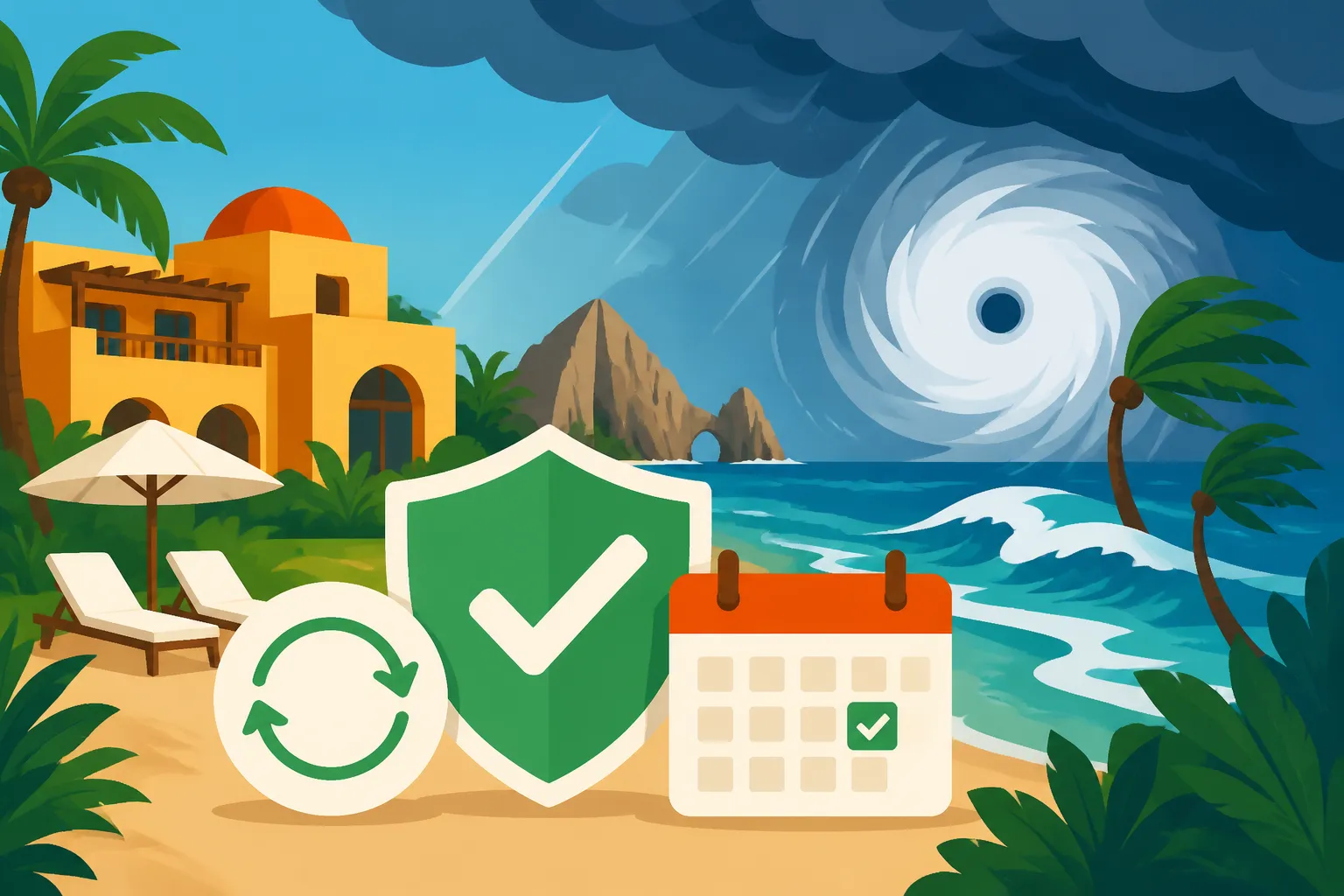
While Pacific hurricanes can be just as ferocious, they often behave a bit differently. They frequently form further out to sea and track westward, sometimes missing the mainland entirely or grazing the Baja California peninsula. However, don't let that lull you into a false sense of security. Direct hits do happen, and the sheer power of these storms can be devastating, causing heavy rainfall, flooding, and strong winds. I've seen images from Cabo San Lucas after a major hurricane, and it took months for some areas to recover. The lesson here is the same: always be aware, always have a plan, and always prioritize flexibility when booking your stay in these beautiful, but sometimes vulnerable, coastal areas.
The Financial Impact and Why Flexible Booking is Key
Let's be brutally honest: nobody wants to lose their hard-earned money because of a natural disaster. That sinking feeling in your stomach when you realize your non-refundable booking is now jeopardized by a hurricane warning is truly awful. This is where smart financial planning and understanding your booking options really come into play. It's not just about saving money; it's about avoiding unnecessary stress and having control when the unexpected happens.
The Risk of Non-Refundable Rates During Storm Season
Ah, the siren song of the "non-refundable" rate. It's often so tempting, isn't it? A little cheaper, a little more budget-friendly. But during hurricane season in Mexico, that seemingly small saving can turn into a massive liability. Imagine booking a gorgeous beachfront villa in Tulum for a week in September. You snag a great non-refundable deal. Two days before your arrival, a Category 3 hurricane is projected to make landfall exactly where you're headed. Flights are canceled, resorts are evacuating, and yet, your booking stands. Because it's non-refundable, the hotel is technically within its rights to keep your money, even if they're boarded up and empty.
This scenario is not hypothetical; it happens every year. While some hotels and airlines might offer waivers or credits in extreme circumstances, especially if there's a mandatory evacuation, they are not always legally obligated to do so for non-refundable bookings. You're essentially betting against Mother Nature, and frankly, she's got better odds. The peace of mind that comes with knowing you can cancel if a storm looms is invaluable, far outweighing any initial savings from a non-refundable rate. Think of it as a small insurance premium on your travel plans.
The Power of Refundable Rates and Free Cancellation Options
This is where Booking.com truly shines as your ultimate planning companion during hurricane season. Their platform is incredibly user-friendly when it comes to filtering for flexible cancellation policies. When you're browsing for hotels, apartments, or even villas in Mexico, make it a habit to always select "Free cancellation" as one of your primary filters. This simple step transforms your search from a potential gamble into a strategic move.
With free cancellation, you usually have a window, sometimes right up to 24 hours before check-in, where you can cancel your reservation without any penalty. This means if a hurricane watch is issued for your destination, or even if your flight gets cancelled due to weather, you can adjust your plans without losing your accommodation costs. I've personally used this many times, not just for hurricanes, but for unexpected changes in my expat life. It allows you to book early to secure good prices and availability, but still maintain the flexibility to pivot if necessary. It’s like having your cake and eating it too, in the travel world.
Leveraging Booking.com for Hurricane Season Travel
When you're planning travel to Mexico during hurricane season, your booking platform isn't just a place to find a room; it's a critical tool for risk management. I've found that Booking.com stands out because of its robust filtering options and clear display of policies, which become absolutely essential when dealing with unpredictable weather.
Navigating Booking.com's Flexible Filters
Let's walk through how to really use Booking.com to your advantage. First, naturally, you'll input your destination in Mexico and your dates. Here's the key step: on the left-hand side (or sometimes accessible via a "Filters" button on mobile), you'll see a section called "Cancellation policy." Make sure you tick the box for "Free cancellation." This is your golden ticket. It immediately narrows down your options to only those properties that understand the need for flexibility.
But don't stop there. Take it a step further. While free cancellation is great, you also want to look at the specific terms of that free cancellation. Booking.com typically displays this clearly on the individual property page. It will tell you the exact date and time by which you must cancel to avoid charges. Make a note of this! Sometimes it's 24 hours, sometimes 48, sometimes it's a few days out. Knowing this deadline empowers you to make informed decisions as a storm approaches, or if any other travel plans go awry.
Reviewing Property Policies and Communicating with Hosts
Even with the "Free cancellation" filter applied, it's always smart to double-check the fine print on the property page. Sometimes a property might have a very generous standard policy, but certain special rates or packages might have different terms. It’s rare, but better safe than sorry.
If you have any doubts, Booking.com also makes it relatively easy to contact the property directly before you book. Use the "Ask a question" feature. You could politely inquire about their specific hurricane season policies, especially regarding mandatory evacuations or if you'd receive a credit for future stays in such a scenario. While Booking.com's own policy often supersedes, it's good to gauge the property's customer service attitude. A proactive and helpful response before booking can give you an extra layer of confidence.
Another smart move, if you're comfortable, is to mention during check-in that you appreciate their flexible policy, especially given the time of year. Sometimes this small interaction can make a difference if you need to adjust a reservation mid-stay due to an unexpected weather event. Booking.com provides the platform for these flexible bookings, but a little direct communication with the property can go a long way.
Best Practices for Booking Accommodation
Booking accommodation in Mexico, especially during the unpredictable hurricane season, requires a little more finesse than just picking the cheapest option. It’s about strategy, understanding, and leveraging the tools at your disposal to secure your trip while safeguarding your investment.
Understanding Cancellation Policies and Deadlines
As I mentioned, not all "free cancellation" policies are created equal, though Booking.com does a stellar job of making them transparent. When you're looking at a property on Booking.com, really pay attention to the exact wording. Does it say "Free cancellation until X date"? Or "Fully refundable until X hours before check-in"? Mark these dates and times in your calendar, perhaps with an alert a day or two before the deadline. This gives you a buffer to make a decision if a storm forecast is developing.
For example, if you've booked a trip to Cancún for mid-October and your free cancellation deadline is October 10th at 3 PM, you'll want to be closely monitoring weather reports a week prior. If a tropical depression forms and looks like it might develop into something serious heading your way, you'll have ample time to evaluate your options without rushing. This forethought, made possible by platforms like Booking.com, can save you from a lot of stress and potential financial loss. It empowers you to be proactive rather than reactive.
| Cancellation Type | Typical Policy | Hurricane Season Risk | When to Choose It |
|---|---|---|---|
| Free Cancellation | Full refund up to a certain date/time (e.g., 24 hrs prior) | Low | Always, especially during May-November |
| Partially Refundable | Portion of payment refunded upon cancellation | Medium | Only if the savings are significant and risk is low |
| Non-Refundable | No refund for cancellation, regardless of reason | High | Never during hurricane season (unless insured separately) |
The Value of Travel Insurance
Even with the most flexible booking through Booking.com, travel insurance is still a wise investment, especially during hurricane season. Why? Because while Booking.com protects your accommodation costs, it doesn't cover your flights, lost luggage, medical emergencies, or the cost of having to evacuate early from your destination. Imagine you're in Puerto Vallarta, enjoying a beautiful week, and a hurricane suddenly veers towards the coast, forcing a mandatory evacuation. Your flight out might be exorbitantly expensive last minute, or you might need medical attention if you fall ill during the stress of the event.
Look for a comprehensive travel insurance policy that specifically mentions coverage for natural disasters, trip interruption, and emergency evacuation. Companies like World Nomads or AXA often offer policies suitable for international travel. Read the fine print to understand what events trigger coverage and how to file a claim. Pairing your flexible Booking.com reservations with solid travel insurance gives you a truly robust safety net, covering all the bases of your travel investment. For more on this, check out this guide on Travel Insurance for Trips to Mexico.
Preparing for the Unexpected: Beyond Just Booking
Even with the smartest booking strategies and the best insurance, being in Mexico during hurricane season means you need to be personally prepared for the unexpected. As an expat, I've seen how quickly situations can change, and having a plan goes beyond just your financial safety net. It's about your physical safety and peace of mind.
Monitoring Weather Alerts and Local News
When you're traveling during hurricane season, consider yourself an amateur meteorologist. Stay informed! Once you've arrived, don't rely solely on news from your home country. Tune into local weather reports. In Mexico, CONAGUA (Comisión Nacional del Agua) is the official meteorological service, and their updates are crucial. Many local news stations in coastal areas will provide constant updates in Spanish, and sometimes in English if it's a heavily touristed zone.
Pay attention to alerts:
- Tropical Depression: An organized system of clouds and thunderstorms with a defined surface circulation and maximum sustained winds of 38 mph (61 km/h) or less.
- Tropical Storm: An organized system of strong thunderstorms with a defined surface circulation and maximum sustained winds between 39 mph (63 km/h) and 73 mph (118 km/h). This is when things start getting real.
- Hurricane Watch: Hurricane conditions (sustained winds of 74 mph or greater) are possible within the specified area within 48 hours. This is your cue to seriously review your plans.
- Hurricane Warning: Hurricane conditions are expected within the specified area within 36 hours. This is when mandatory evacuations often begin, and you need to act.
Many hotels and resorts will also have their own emergency plans and will communicate with guests. Trust their local knowledge and follow their instructions. You can also sign up for local emergency alerts if available in your chosen destination. Understanding how Emergency Medical Services in Rural Mexico: Challenges and Tips for Expats operate can also be invaluable if you find yourself in a less developed area during a storm.
Having an Emergency Plan and Go-Bag Ready
This might sound a bit extreme for a vacation, but believe me, it’s not when a hurricane is bearing down. Think about it: if you need to evacuate, where would you go? Do you have cash on hand (ATMs might be down)? Do you have your essential documents?
A "go-bag" doesn't have to be massive, but it should contain:
- Important documents: Passport, residency card, driver's license, copies of your Booking.com reservation, travel insurance, and flight information (all in a waterproof bag!).
- Cash: Small denominations in pesos, enough for a few days if ATMs are unavailable.
- Medication: Any essential prescriptions.
- Basic toiletries: Toothbrush, small soap, hand sanitizer.
- Power bank: Charged, for your phone.
- Snacks and water: Enough for 24-48 hours.
- Comfort items: A book, a small flashlight.
Discuss a meeting point with your travel companions if you get separated. Know the evacuation routes if you've rented a car (and ensure you have adequate Do You Need Mexican Car Insurance to Drive in Mexico?). Hotels often have designated shelters or evacuation transport. Being prepared reduces panic, allowing you to make clear decisions when time is of the essence.
Smart Destination Choices During Hurricane Season
While coastal areas are undeniably popular, Mexico is a vast and diverse country. If the thought of hurricane season gives you major anxiety, or if your travel dates fall squarely in the peak months, you don't have to cancel your trip entirely. You can simply adjust your destination to a less vulnerable region.
Exploring Inland Cities and Central Highlands
Mexico's interior is largely unaffected by hurricanes. These charming, historic, and culturally rich cities offer a completely different, yet equally captivating, experience without the coastal weather worries. Think about places like:
- Mexico City: A massive, vibrant metropolis with endless museums, culinary experiences, and cultural events. While it can get rainy during these months, it's not hurricane-prone. Getting around is easy, and there's so much to do. Find out more about Living in Mexico City: An Expat's Guide to Neighborhoods and Lifestyle.
- San Miguel de Allende: A stunning colonial city in Guanajuato, famous for its architecture, art scene, and expat community. It offers a cooler, high-desert climate. Explore its beauty with Living in San Miguel de Allende: A Cultural Haven for Expat Retirees.
- Guadalajara: Mexico's second-largest city, the birthplace of mariachi and tequila. It has a fantastic food scene, beautiful historic center, and vibrant culture. Learn more with Living in Guadalajara: Pros, Cons, and Tips for Expats.
- Oaxaca City: Known for its incredible food, mezcal, artisan crafts, and rich indigenous culture. It's a true gem of Southern Mexico.
- Puebla: A beautiful colonial city famous for its Talavera pottery, mole poblano, and stunning churches.
These destinations offer a different pace, incredible history, and usually comfortable climates, especially during the otherwise humid coastal hurricane months. Plus, you might find even better deals on accommodations through Booking.com for these non-coastal areas!
Enjoying Coastal Areas During Shoulder Seasons and Early Warnings
If your heart is set on the beach, and you're willing to take a calculated risk, consider traveling during the shoulder seasons of hurricane season. Early June or late November often see fewer storms, but still offer good weather and lower crowds. Even July can be beautiful, though you're starting to get into the active period.
The key here is diligent monitoring and leveraging that flexible Booking.com reservation. If you book a hotel in the Yucatán for, say, mid-July, and a tropical wave starts forming a week beforehand, you have the option to pivot. You could move your reservation to an inland city, delay your trip, or cancel entirely without financial penalty, thanks to your smart booking strategy. This is why having those "Free cancellation" filters on Booking.com is so crucial; it’s your personal weather-flexibility guarantee.
Remember, a little preparation goes a long way. Mexico is an incredible country year-round, but knowing how to navigate hurricane season effectively means you can enjoy its beauty with confidence, knowing you've made the smartest choices for your travel plans.
Disclaimer
The information provided in this guide is for general informational purposes only and does not constitute professional advice. While we strive to provide accurate and up-to-date information, weather patterns, travel policies, and local regulations can change rapidly. Always consult official weather advisories, local authorities, your travel insurance provider, and your chosen accommodation for the most current and specific guidance relevant to your travel plans. Travel during hurricane season inherently carries risks, and personal discretion and preparedness are essential.