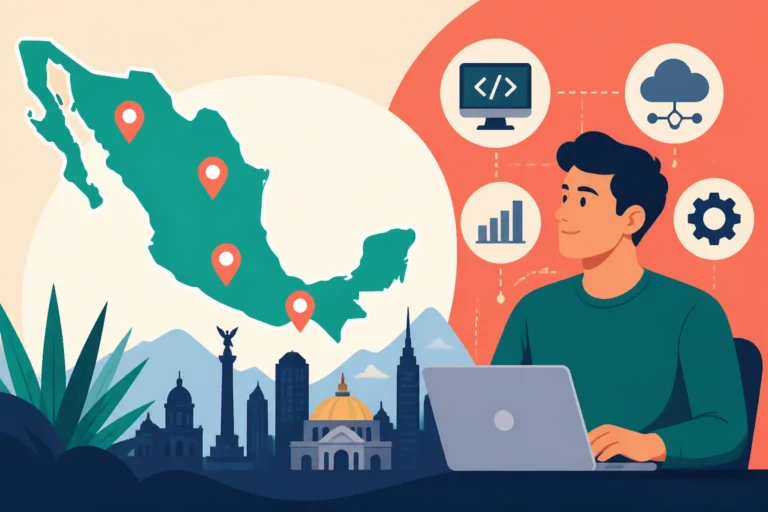
How to Find an Internship in Mexico as a Foreign Student
Alright, amigos, let's talk about internships in Mexico. If you're a foreign student dreaming of gaining valuable experience south of the border, you're not alone! Many of us have navigated the winding roads of Mexican bureaucracy and the excitement of a new culture to build our careers here. It can feel a bit daunting trying to figure out where to start, especially when you're thousands of miles from home, but trust me, with the right approach and a little patience, landing a fantastic internship is absolutely within reach. This guide is going to walk you through everything you need to know, from finding opportunities to understanding the necessary paperwork, so you can focus on making the most of your Mexican adventure.
Disclosure: This post may contain affiliate links. We may earn a commission at no extra cost to you if you make a purchase through these links. Read full disclosure.
Understanding the Internship Landscape in Mexico
So, you're thinking about interning in Mexico? That's a brilliant move! It's a country brimming with vibrant culture, a growing economy, and countless opportunities for hands-on learning. But before you dive in, it’s a good idea to get a lay of the land, understand why this experience can be so valuable, and know what to expect.
Why Intern in Mexico? Benefits for Foreign Students
Interning in Mexico offers a unique blend of professional development and cultural immersion that's hard to beat. First off, you'll gain invaluable international work experience, which looks incredible on any resume. Employers today highly value candidates who can demonstrate adaptability, cross-cultural communication skills, and a global perspective – all things you'll hone here. Imagine telling future employers about collaborating with a team in Mexico City, managing projects in Spanish, or navigating local business practices. That's a definite leg up!
Beyond the professional, the personal growth is immense. You’ll be living in a country rich in history, art, and traditions, learning a new language (or improving your existing Spanish skills), and making friends from all walks of life. This isn't just about a job; it's about expanding your worldview and becoming a more well-rounded individual. Plus, the cost of living in Mexico can often be more affordable than in many home countries, allowing you to stretch your student budget further. For a deeper dive into managing your finances, check out our guide on the Cost of Living in Mexico: 2026 Comprehensive Guide.
Key Industries and Popular Cities for Internships
Mexico’s economy is diverse, offering a wide range of internship possibilities. For foreign students, certain sectors tend to be particularly welcoming and offer roles where English can be a strong asset, though Spanish proficiency will always open more doors.
- Tourism and Hospitality: This is a no-brainer, especially in popular destinations like Cancún, Playa del Carmen, Puerto Vallarta, and Los Cabos. Hotels, resorts, tour operators, and event companies frequently seek international interns for roles in marketing, guest services, and administration.
- Technology and IT: Cities like Guadalajara (often called Mexico's "Silicon Valley"), Monterrey, and Mexico City have thriving tech scenes. Startups and established companies look for interns in software development, data analytics, and digital marketing.
- Manufacturing and Automotive: Mexico is a major player in manufacturing, particularly in the automotive industry. States like Guanajuato, Querétaro, and Nuevo León host numerous international companies that might offer technical or business-focused internships.
- International Business and Trade: Given Mexico's robust trade relationships, especially with the U.S. and Canada, opportunities exist in import/export, supply chain management, and international finance. Mexico City and Monterrey are key hubs for these fields.
- Education: Teaching English as a foreign language (TEFL) can sometimes be structured as an internship or offer part-time work that complements your studies. While not a traditional "internship," it's a popular path for many foreign students. If this sparks your interest, you might want to read our article on Teaching English in Mexico: Comprehensive Guide to Jobs and Qualifications.
- Non-profits and NGOs: For those passionate about social causes, environmental issues, or community development, numerous non-governmental organizations (NGOs) operate across Mexico, often welcoming international volunteers and interns.
When choosing a city, consider your field of study, your desired lifestyle, and your comfort with Spanish. Larger cities offer more professional opportunities but can be more competitive, while smaller towns might provide a more immersive cultural experience.
Internship Types and Expectations
Internships in Mexico, much like anywhere else, can vary greatly in structure and expectations. It's crucial to understand these differences to find the right fit for you.
- Paid vs. Unpaid: Many internships in Mexico, particularly in non-profit sectors or for shorter durations, might be unpaid. However, companies in high-demand fields like tech or larger corporations often offer stipends or salaries, especially for longer-term internships. Always clarify compensation early in the application process.
- Credit-Bearing vs. Experience-Based: Some internships are designed to provide academic credit, often as part of your university program back home. Others are purely for professional experience. If you need academic credit, ensure the organization is willing to work with your university's requirements.
- Duration: Internships can range from a few weeks in the summer to a full year. Longer internships typically offer more in-depth experience and can lead to stronger professional connections.
- Remote vs. In-Person: While many internships are still in-person, the rise of remote work means you might find opportunities that allow you to work from anywhere in Mexico. However, for a true cultural immersion and networking experience, an in-person role is usually preferred.
Regardless of the type, expect to be a proactive learner. Mexican work culture often values hierarchy and respect for elders, but also teamwork and personal relationships. Being adaptable, open to learning, and showing initiative will serve you well. Our article on Mexican Work Culture: Business Etiquette and Workplace Norms offers some great insights into navigating the professional environment.
Navigating the Job Search: Where and How to Look
Finding an internship is a job in itself, and it requires a multi-pronged approach, especially when you're looking internationally. Don't limit yourself to just one method!
Online Platforms and University Resources
Your first port of call should often be online. There are several excellent resources that can help you uncover potential internship opportunities:
- University Career Services: Start with your own university's career center. Many institutions have partnerships with international programs or can connect you with alumni who have interned or worked in Mexico. They might also subscribe to international job boards.
- International Program Providers: Organizations like CEA Study Abroad, API Abroad, or local Mexican agencies often specialize in connecting foreign students with internships. They handle logistics, placements, and sometimes even housing. While they might charge a fee, they can significantly simplify the process.
- General Job Boards: Sites like LinkedIn are global and widely used in Mexico for professional networking and job postings. Indeed.com.mx and Computrabajo.com.mx are popular Mexican job search engines that list various positions, including internships. Filter your searches carefully.
- Company Websites: If you have specific companies in mind, particularly large international corporations with offices in Mexico, check their "Careers" or "Internships" sections directly. This shows initiative and ensures you're seeing the most up-to-date listings.
- Expat Forums and Social Media Groups: Online communities for expats in Mexico (often found on Facebook) can be surprisingly helpful. Members frequently share job leads, advice, and contacts. Just be sure to cross-reference any information shared.
Networking and Direct Applications
While online searching is essential, don't underestimate the power of networking in Mexico. This culture places a high value on personal connections and referrals.
- Informational Interviews: Reach out to professionals in your field who are working in Mexico. A polite email requesting a brief chat to learn about their career path and insights into the industry can open doors. You'd be surprised how willing people are to help a proactive student.
- Professional Organizations: Look for professional associations related to your field in Mexico. Many have student memberships or host events where you can meet people and learn about opportunities.
- Study Abroad Programs: If you're studying in Mexico through a university program, leverage your program coordinators and professors. They often have extensive local networks and can recommend students for internships.
- Direct Outreach (Cold Emailing): Don't be afraid to send well-researched emails to companies or organizations that interest you, even if they don't have a listed internship. Clearly state your intentions, what you can offer, and why you're interested in their specific work. Attach your resume and cover letter.
- Job Fairs and University Events: Attend career fairs, even if they're geared towards local students. It's a fantastic way to meet recruiters face-to-face, practice your Spanish, and hand out your resume.
Remember, in Mexico, building rapport ("haciendo relaciones") is key. Be prepared to invest time in getting to know people, and always follow up graciously.
The Importance of Language Skills
Let's be real: While you can absolutely find internships in Mexico where English is the primary language, especially in tourism or international companies, your experience will be infinitely richer and your opportunities far more numerous if you have some Spanish under your belt. Even basic conversational Spanish demonstrates a commitment to immersing yourself in the culture and makes you a much more attractive candidate.
If your Spanish isn't quite where you'd like it to be, start practicing now! Consider taking a Spanish immersion course once you arrive, or use online platforms. For example, iTalki offers affordable one-on-one lessons with native speakers, which can quickly boost your confidence. Even dedicating a few hours a week can make a huge difference. Showing initiative in learning the language also signals to potential employers that you are serious about your time in Mexico. To help you along, we have a great resource on Learning Spanish in Mexico: Top Tips and Resources for Expats.
Here’s a quick overview of common internship sectors and where to look:
| Internship Sector | Common Cities/Regions | Typical Roles | Key Application Strategy | Language Advantage (Spanish) |
|---|---|---|---|---|
| Tourism & Hospitality | Cancún, Playa del Carmen, Puerto Vallarta, Los Cabos | Guest Services, Marketing, Event Planning, Operations | Company websites, specialized agencies | Moderate |
| Technology & IT | Guadalajara, Mexico City, Monterrey | Software Dev, Data Analytics, Digital Marketing | LinkedIn, local job boards, direct company | High |
| Manufacturing & Engineering | Querétaro, Guanajuato, Nuevo León | Production Support, Process Improvement, Logistics | Company websites, university partnerships | High |
| International Business & Trade | Mexico City, Monterrey | Supply Chain, Market Research, Finance | LinkedIn, networking | High |
| Non-profits & Social Development | Oaxaca, Chiapas, Mexico City | Program Support, Community Outreach, Research | NGO websites, volunteer platforms | Very High |
| Education (e.g., English Teaching) | All major cities | Language Instruction, Curriculum Development | Language schools, online platforms | Moderate to High |
Legalities and Logistics: Visa, Work Permits, and Practicalities
Once you've started identifying potential internships, it's time to get down to the nitty-gritty of making your stay legal and financially viable. This is where many expats initially feel the "pinch" of bureaucracy, but it's entirely manageable with preparation.
Student Visas and Work Authorization for Interns
This is probably the most critical part: your legal right to be in Mexico and to undertake an internship. As a foreign student, you'll generally enter Mexico on a student visa. However, a regular student visa for academic studies does not automatically grant you the right to work or be paid.
For internships, especially paid ones, you typically need specific authorization. Here's what you need to know:
- Temporary Resident Visa (Residente Temporal) with Work Authorization: If your internship is paid, or if it's a long-term, non-paid internship that is considered "lucrative activity" by immigration, you will likely need to apply for a Temporary Resident Visa with permission to engage in remunerated activities. This process usually requires your sponsoring organization (the company offering the internship) to initiate the process with the National Institute of Migration (INM) in Mexico.
- Unpaid Internships (Non-Lucrative): For strictly unpaid internships that are a mandatory part of your academic program, your student visa (Residente Temporal Estudiante) might suffice if it's explicitly part of your curriculum and formally recognized. However, it's paramount to verify this with the Mexican consulate where you apply and with the INM, as regulations can be complex and are subject to interpretation. Always err on the side of caution and seek clarity.
- Applying from Outside Mexico: Most residency visas, including the student visa, must be initiated at a Mexican consulate in your home country or country of legal residence. You'll typically get a visa stamp in your passport, which then allows you to enter Mexico and complete the "canje" process at an INM office to get your physical residency card.
- Don't Overstay: Never try to do an internship on a tourist visa (FMM). This is illegal and can lead to serious consequences, including fines, deportation, and bans from re-entering Mexico. Be sure to check out our detailed guide on the Mexico Student Visa: Application Requirements for 2026 for a comprehensive overview of the process. Also, our article on Can You Work on a Student Visa in Mexico? Rules for International Students provides crucial information on what is and isn't allowed.
Always confirm the specific visa requirements with the Mexican consulate well in advance of your planned internship start date, as processing times can vary.
Crafting Your Resume and Cover Letter for Mexico
When applying for internships in Mexico, tailoring your application documents is essential. While global standards apply, a few local nuances can make a difference.
- Resume (Currículum Vitae – CV):
- Keep it Concise: Aim for one to two pages.
- Professional Photo (Optional but Common): While less common in the US/Canada, a professional headshot on your CV is sometimes included in Mexico. It's not mandatory, but if you have one that looks polished, it can be added.
- Contact Information: Include your full name, email, phone number (with international dialing code), and professional LinkedIn profile link. If you have a local Mexican phone number, include that too.
- Education: List your most recent education first, including your degree, university, and relevant coursework.
- Experience: Detail your work, volunteer, and project experience, highlighting transferable skills. Use action verbs and quantify achievements where possible.
- Skills: Emphasize language skills (Spanish proficiency is a huge plus!), software proficiencies, and any relevant technical skills.
- References: Typically, "References available upon request" is sufficient.
- Cover Letter (Carta de Presentación):
- Be Formal: Use a formal tone and address the hiring manager by name if possible.
- Express Enthusiasm: Clearly state your interest in the specific internship and the company.
- Highlight Fit: Explain why your skills and experience make you an ideal candidate and how you can contribute to the organization.
- Demonstrate Cultural Awareness: Briefly mention your interest in Mexico or how you plan to adapt to the local environment (e.g., "I am eager to apply my growing Spanish language skills…").
- Language: If the application is in Spanish, write your cover letter in Spanish. If it's in English, you can offer to provide documents in Spanish if needed.
For more detailed advice on how to present yourself professionally, our guide on Adapting Your Resume and Interview Style for the Mexican Job Market is a must-read.
Financial Considerations and Budgeting
Interning abroad means managing your money carefully. Even if your internship is paid, you'll need to account for startup costs and daily expenses.
- Visa Fees: Budget for the visa application fees, which are generally paid at the consulate.
- Travel Costs: Flights to and from Mexico, plus any domestic travel if your internship is in a different city than your university.
- Accommodation: Secure housing before you arrive, even if it's temporary. Options range from student dorms to shared apartments or homestays. Rental costs vary significantly by city.
- Health Insurance: This is non-negotiable. Ensure you have comprehensive health insurance that covers you internationally. Your home university might offer a plan, or you might need to purchase a separate travel or international student health insurance policy. For more information, check out our guide on Health Insurance in Mexico: How Expats Can Get Coverage (2027).
- Daily Expenses: Factor in food, transportation (public transport is generally affordable), entertainment, and personal care.
- Banking: Consider opening a Mexican bank account if you'll be receiving a local stipend or salary. This often requires a temporary residency card and an RFC (Registro Federal de Contribuyentes), Mexico's tax ID. Speaking of which, you'll want to understand the tax implications of any income earned in Mexico. Resources like Taxes for Expats can provide valuable guidance on navigating international tax obligations and understanding if you need to file taxes in Mexico. Our post on Do You Need an RFC Number? Why a Tax ID Matters for Expats' Finances is also highly relevant.
- Emergency Fund: Always have an emergency fund for unexpected situations, such as medical issues, travel changes, or unforeseen expenses.
A well-planned budget will ensure you can fully enjoy your internship experience without financial stress. Our comprehensive guide on Managing Your Money in Mexico: Budgeting, Saving, and Currency Tips can provide even more insights into financial planning for your stay.
Disclaimer
Please remember that immigration laws, financial regulations, and job market conditions in Mexico are subject to change. While we strive to provide the most current and accurate information based on our experience and real-time search capabilities, it is always best to verify specific requirements with official Mexican government sources, such as the National Institute of Migration (INM) or the Secretaría de Relaciones Exteriores (SRE), or consult with a qualified immigration lawyer or tax professional specializing in Mexican law for personalized advice. This guide is for informational purposes only and does not constitute legal or financial counsel.