Women in the Mexican Workplace: Tips for Female Expats
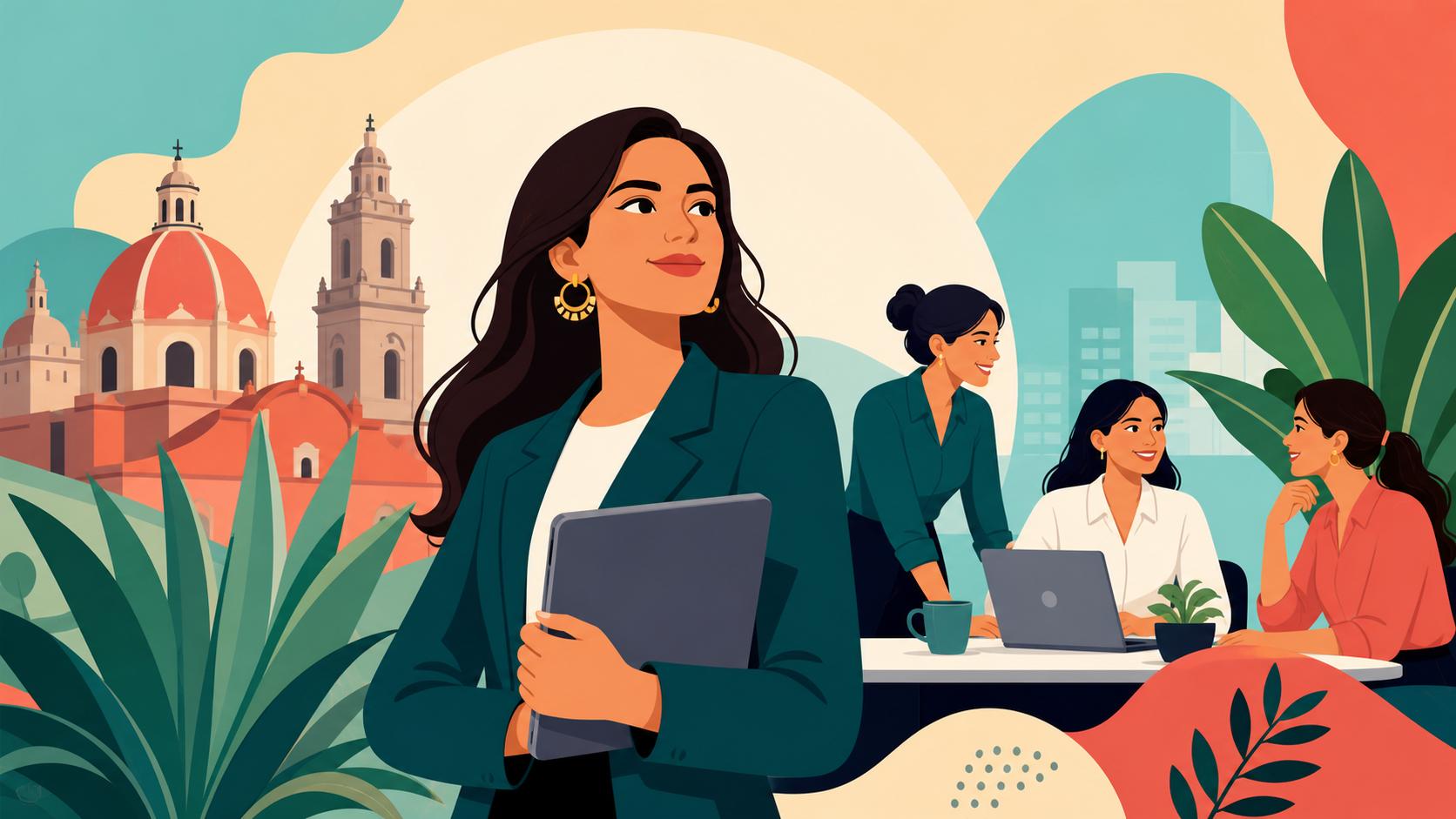
Walking into a boardroom in Mexico City for the first time, I felt the immediate weight of being the only woman in the room, wondering if my expertise would be eclipsed by the traditional "machismo" I’d heard so much about. It is a jarring shift from Western office norms that can leave you feeling sidelined or misunderstood. This guide breaks down how to navigate gender dynamics, command respect, and thrive in Mexico's unique professional landscape.
Disclosure: This post may contain affiliate links. We may earn a commission at no extra cost to you if you make a purchase through these links. Read full disclosure.
Navigating Gender Dynamics and the Reality of Machismo
When you first enter the Mexican workforce, the term "machismo" will likely be at the back of your mind. While the modern Mexican workplace is rapidly evolving—especially in tech, international finance, and creative industries—traditional gender roles still linger beneath the surface. I remember being frustrated during my first few months when male colleagues would inadvertently talk over me or look to a junior male staffer for confirmation on a point I had just made. It wasn't necessarily malicious, but it was a clear reflection of deeply ingrained social structures.
Understanding the nuance of Mexican Work Culture: Business Etiquette and Workplace Norms is the first step toward reclaiming your space. You will find that authority in Mexico is often tied to a mix of seniority, gender, and personal charisma. As a female expat, you occupy a unique "third space." You are a foreigner first, which often grants you a bit of a pass from the strictest local gender expectations, but you are still a woman navigating a patriarchal system. To establish authority, you must be assertive without being perceived as "aggressive," a fine line that requires high emotional intelligence.
One of the most effective ways to bridge this gap is by mastering the language. Even if your office operates in English, being able to pivot to Spanish for small talk or to clarify a complex point demonstrates a level of commitment that commands respect. I found that using resources like SpanishPod101 helped me pick up the specific business vocabulary needed to hold my own in meetings. When you can articulate your ideas in the local tongue, you move from being a "guest" to a "colleague."
Redefining Professional Authority
To build authority as a woman in Mexico, consistency is your greatest ally. In many Western cultures, we are taught to be direct and "get to the point." In Mexico, this can sometimes be interpreted as cold or even rude. I learned early on that building a "colchón" (a cushion) of social rapport before diving into hard data was essential. If you walk into a meeting and start barking orders, you will likely face quiet resistance. Instead, start with genuine inquiries about a colleague’s family or their weekend.
By establishing these personal connections, you create a social contract. When it comes time to lead, your team will follow because they like and respect you as a person, not just because of your title. This is particularly important if you are Working in Mexico City: Opportunities and Challenges for Foreign Professionals, where the pace is fast but the culture remains deeply relational. If you feel your authority is being challenged, address it privately and calmly. A public confrontation often results in a "loss of face" for the other party, which can permanently damage a working relationship.
Mastering Indirect Communication
Mexican communication is famously indirect. As a female expat, you might find it difficult to get a straight "no" or a clear critique of your work. This is because "preservar la armonía" (preserving harmony) is often valued over blunt honesty. You’ll hear "ahorita" (which could mean in five minutes or never) or "lo vemos" (we’ll see). It took me a long time to realize that when a colleague said "it might be difficult," they actually meant "it is impossible and I am not going to do it."
To navigate this, you must learn to "read between the lines." Instead of asking "Will this be done by Friday?" try asking "What challenges do you think we might face in getting this done by Friday?" This allows the other person to be honest without feeling like they are letting you down. If you are struggling with these subtleties, listening to the cultural insights on SpanishPod101 can provide a lot of context for why people communicate the way they do. It’s about learning the "music" of the language, not just the words.
Building Your Professional Network and Visibility
In Mexico, "who you know" is often just as important as "what you know." This concept, often referred to as "palanca" (leverage), is the engine of the Mexican economy. For female expats, building a network can feel daunting, especially if the local "boys' club" seems impenetrable. However, women in Mexico are incredibly entrepreneurial and supportive of one another once you break into their circles.
I highly recommend seeking out female-led professional groups. There are numerous "Mujeres Empresarias" (Women Entrepreneurs) associations and expat-specific networks that can provide a soft landing. Whether you are Starting a Business in Mexico: Step-by-Step Guide for Foreign Entrepreneurs or climbing the corporate ladder, these networks offer a safe space to discuss the specific challenges of being a woman in the local market. Don't be afraid to ask for introductions; in Mexico, a warm intro is worth ten cold emails.
The Importance of Social Integration
Socializing is not optional in the Mexican workplace; it is a core part of the job. The "comida" (the long lunch) is where the real decisions are made. As a woman, you may sometimes be excluded from late-night drinking sessions or "cantina" visits, but you should never miss the lunch. These meals are the foundation of trust. I once spent three hours at a lunch talking about everything except work, only to have the contract signed in the final five minutes.
If you are a remote worker or a freelancer, the same rules apply. You should look for coworking spaces that have a strong community vibe. This is one of the Best Cities in Mexico for Digital Nomads: Connectivity and Lifestyle benefits—the social scene is vibrant. Being visible in these spaces helps you build the "social capital" necessary to navigate the local bureaucracy or find new clients. It also gives you a chance to practice your "social Spanish," which is quite different from "office Spanish." I used SpanishPod101 to practice casual conversation starters so I wouldn't feel awkward during coffee breaks.
Finding Mentors and Female-Led Communities
Finding a local mentor is perhaps the most strategic move you can make. A Mexican woman who has successfully navigated the corporate hierarchy will have invaluable insights into the "unwritten rules" of the office. She can explain why a certain manager is behaving a certain way or how to handle a delicate negotiation.
Moreover, look for international chambers of commerce (like AmCham or the British Chamber). These organizations often have women-in-business committees that bridge the gap between expat and local cultures. They provide a platform for visibility that can be harder to find within a strictly local firm. Use these opportunities to share your expertise; being a speaker at an event is a fast track to professional credibility.
| Aspect of Work Culture | Western Expectation | Mexican Reality |
|---|---|---|
| Communication | Direct and blunt | Indirect and polite |
| Punctuality | "On time" means 5 minutes early | "On time" is a flexible suggestion |
| Hierarchy | Flat, merit-based | Vertical, respect-based |
| Relationship | Business first, then personal | Personal first, then business |
| Gender Roles | Gender-neutral policies | Evolving, but traditional roots |
| Negotiation | Focus on the "bottom line" | Focus on the "long-term trust" |
Practical Considerations: Safety, Commuting, and Legal Rights
Beyond the cultural dynamics, there are practical realities that female expats must manage. Safety is a primary concern for many, and while Mexico is generally safe for professionals, the "rules of the road" are different than in Europe or the US. Additionally, understanding your legal standing is crucial, especially regarding Labor Laws in Mexico: Understanding Employee Rights and Benefits.
I remember my first time taking the Metro in Mexico City during rush hour. I quickly learned the value of the "women-only" cars. While it felt strange at first, it is a necessary and highly effective measure to ensure a comfortable commute. If you are commuting late at night, always use app-based services like Uber or Didi rather than hailing a cab on the street. Most corporate offices provide secure parking if you choose to drive, which is a major perk.
Understanding Your Rights as a Female Employee
Mexico has surprisingly progressive labor laws on paper, particularly concerning maternity and family life. If you are working on a local contract, you are entitled to Maternity and Paternity Leave in Mexico: Guide for Expat Employees. This includes 12 weeks of paid maternity leave and protection against being fired for being pregnant. In reality, some companies may try to circumvent these rules, so it is vital to have your contract reviewed by a professional if you have concerns.
You should also be aware of the "Aguinaldo"—a mandatory Christmas bonus equivalent to at least 15 days of salary. This is a legal right for all employees in Mexico. If you feel you are being discriminated against based on gender, the "Procuraduría Federal de la Defensa del Trabajo" (PROFEDET) is the government body that defends workers' rights. Knowing these basics gave me a lot of peace of mind when negotiating my first local contract.
Safety Strategies for the Professional Woman
Safety in the workplace also extends to the physical office environment. While "harassment" is legally defined and prohibited, the enforcement can vary. If you experience "piropos" (catcalls) or inappropriate comments, it is important to document them and report them to HR if the company has a clear policy. However, in smaller firms, the response might be less robust. This is where your network of other female expats becomes invaluable—they can tell you which companies have a "toxic" culture and which are safe havens.
When traveling for business within the country, always stay in reputable hotels and stick to "toll roads" (cuotas) if you are driving. I always made it a point to check in with a friend or colleague when traveling to a new city. Using an app like SpanishPod101 during long bus rides or flights was my favorite way to keep my language skills sharp while staying alert to my surroundings. Being able to understand what people are saying around you is a massive safety advantage.
Cultural Nuances in Daily Office Life
The "small stuff" often causes the most friction. From the way you dress to the way you greet people, these daily rituals define your professional identity in Mexico. I spent my first few weeks overdressed for every meeting because I didn't understand the regional differences. In Mexico City, the "Godínez" (office worker) culture is quite formal—suits and heels are common. In Queretaro or Monterrey, it’s similar. But if you move to the coast, the "Guayabera" or a nice linen dress is the standard.
Always pay attention to how your colleagues dress. It’s better to be slightly more formal than the rest of the room until you’ve established your reputation. Also, never underestimate the power of the "saludo." In Mexico, it is customary to greet everyone with a handshake or, if you have a closer relationship, a light kiss on the cheek (though this has decreased post-pandemic). Skipping a greeting is seen as a major snub.
The Dress Code and "Godínez" Culture
The term "Godínez" is a bit of a joke in Mexico, referring to the stereotypical office worker who carries their lunch in a "tupper" and lives for the weekend. While humorous, it reflects the reality of the 9-to-6 (or 9-to-8) grind. As a female expat, you’ll find that appearance is highly valued. Keeping your hair, nails, and outfit polished is often equated with professional competence.
I found that having a few "power outfits" tailored to the local climate was a great investment. If you are Adapting Your Resume and Interview Style for the Mexican Job Market, remember that your "look" for the interview is just as important as the words on the page. In Mexico, you are selling the "whole package."
Navigating Social Invitations and Workplace Friendships
You will likely be invited to "baby showers," "quinceañeras," or "posadas" (Christmas parties). Go to them! These events are where the real bonds are formed. I once felt too tired to attend a colleague's birthday party, but I pushed myself to go. That night, I met the head of a department I’d been trying to reach for months.
When you are at these events, remember to be a "social chameleon." Talk about food, travel, and culture. If you’re unsure of what to say, I always fell back on the phrases I learned on SpanishPod101 about Mexican traditions. People love it when foreigners show a genuine interest in their culture. However, be careful with workplace gossip. Because everyone is so interconnected, a "secret" shared over a tequila rarely stays a secret for long.
If you are looking for work, check out How to Find a Job in Mexico as a Foreigner: Job Sites and Networking Tips to see where these social connections might lead you. In Mexico, the workplace is an extension of the family, and once you are "in," the support you receive is unparalleled.
Disclaimer
This guide is intended for informational purposes only. Workplace cultures and legal regulations in Mexico can vary significantly by region, industry, and individual company policy. While every effort has been made to provide accurate and up-to-date information, the author is not a legal or professional career advisor. Foreign residents should always consult with local legal experts or HR professionals regarding specific labor contracts and rights in Mexico.