How Important is Networking in Mexico for Career Success?
Sending out dozens of high-quality resumes into the digital abyss of Mexican job portals only to receive absolute silence is a soul-crushing experience most expats know too well. I remember sitting in my apartment in Condesa, refreshing my inbox for weeks, convinced my credentials simply weren't good enough for the local market. This guide solves that frustration by pulling back the curtain on the real engine of Mexican employment: personal relationships and the "hidden" job market.
Disclosure: This post may contain affiliate links. We may earn a commission at no extra cost to you if you make a purchase through these links. Read full disclosure.
The Cultural Foundation: Understanding Palanca and Trust
In Mexico, professional success is rarely a solo journey; it is a collective effort built on the bedrock of "confianza" or trust. While a glittering CV is important, it often serves as a secondary verification tool rather than the primary door-opener. The concept of "palanca"—literally meaning a lever, but colloquially referring to "pull" or influence—is the most significant factor in how business is conducted. This isn't necessarily about corruption or nepotism in the way foreigners might fear; rather, it’s a cultural preference for hiring someone whose character can be vouched for by a trusted mutual connection.
When a Mexican hiring manager looks at a pile of 200 anonymous applications, they see 200 risks. However, when a colleague mentions a talented expat they met at a conference, that risk is mitigated. For the expat, understanding Mexican Work Culture: Business Etiquette and Workplace Norms is the first step in realizing that your social circle is your most valuable professional asset. I’ve seen incredibly qualified engineers passed over for roles that were eventually filled by someone with half the experience but twice the connections. It’s a hard pill to swallow, but once you accept that "who you know" is the catalyst for "what you know," your career trajectory in Mexico will change overnight.
Building this trust takes time and genuine effort. You cannot simply show up, ask for a job, and expect results. You have to invest in the community first. Whether you are Working in Mexico City: Opportunities and Challenges for Foreign Professionals or exploring the tech hubs of Guadalajara, the rule remains: build the relationship before you need the favor. This long-term approach to networking is what separates successful expats from those who pack their bags after six months of fruitless job searching.
Where and How to Build Your Professional Circle
Knowing you need to network is one thing; knowing where to find the right people is another. Mexico’s professional landscape is highly centralized in major cities, but the venues for connection vary wildly depending on your industry. If you are looking for corporate roles, the various Chambers of Commerce are your best friends. Organizations like AmCham (American Chamber of Commerce of Mexico) or the British Chamber are powerhouses for networking. They host regular "mixers" where the goal is specifically to trade business cards and find synergies.
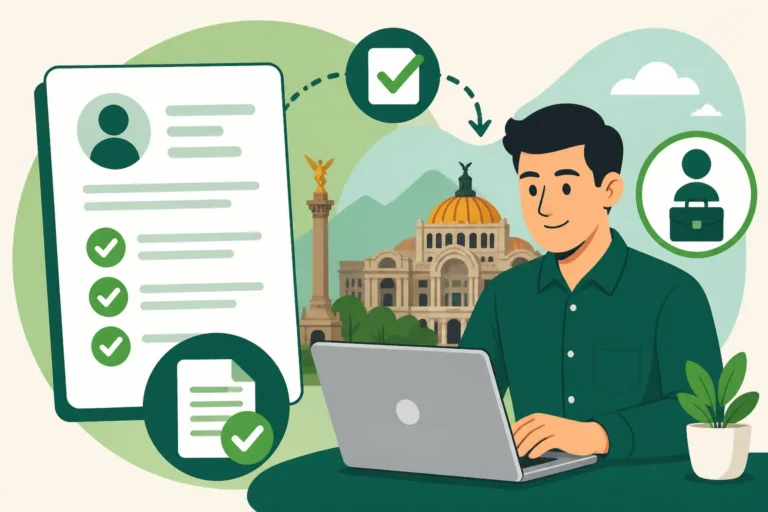
Beyond formal chambers, the rise of the digital nomad and expat entrepreneur has created a vibrant scene in co-working spaces. Places like WeWork or local favorites like Selina provide more than just a desk; they are hotbeds for Networking in Mexico: Building Professional Connections as an Expat. I personally landed my first major consulting contract in Mexico because I shared a coffee machine with a marketing director for three weeks in a Roma Norte co-working hub. We didn't talk business for the first ten days; we talked about the best tacos in the neighborhood and our favorite weekend getaways.
Don't overlook the power of local meetups and industry-specific groups. Whether it’s a "FinTech Friday" in Monterrey or a "Creative Mornings" session in Mérida, these events allow you to demonstrate your expertise in a low-pressure environment. If your Spanish is still a work in progress, these gatherings are also excellent places to practice. Using a resource like SpanishPod101 to master professional introductions and industry-specific terminology can give you the confidence to approach a group without feeling like an outsider.
| Networking Channel | Best For | Effort Level | Key Benefit |
|---|---|---|---|
| Chambers of Commerce | Corporate & Legal Roles | High | High-level executive access |
| Co-working Spaces | Freelancers & Tech | Medium | Daily organic connections |
| Industry Meetups | Specialized Niches | Medium | Proving your subject authority |
| WhatsApp Groups | Immediate Leads | Low | Real-time "hidden" job postings |
| LinkedIn Local | Professional Branding | Medium | Bridging digital and physical |
The Art of the Cafecito and WhatsApp Etiquette
In many Western cultures, a business meeting is a structured event with an agenda. In Mexico, the most important business happens over a "cafecito" (a little coffee). The cafecito is an institution. It is a 45-to-90-minute session where 80% of the time is spent discussing family, hobbies, and general life, and only the final 20% is spent on business. If you rush to the "ask," you risk appearing transactional and cold, which is a major turn-off in Mexican culture. I learned this the hard way when I tried to pitch a project within the first five minutes of a meeting; the energy in the room shifted instantly, and I never got a follow-up.
WhatsApp is the lifeblood of Mexican business communication. Unlike the US or Europe, where LinkedIn or email is the primary professional channel, in Mexico, WhatsApp is used for everything from setting up interviews to sending contracts. Being part of the right WhatsApp groups is a massive shortcut to How to Find a Job in Mexico as a Foreigner: Job Sites and Networking Tips. These groups are often semi-private, and you need someone to "invite" you in. Once you're in, the speed at which information moves is incredible. You might see a job posting that won't hit public boards for another week, giving you the ultimate first-mover advantage.
To navigate these social waters effectively, your language skills don't need to be perfect, but your cultural fluency does. Demonstrating that you are making an effort to speak the language goes a long way in building rapport. I highly recommend spending time with SpanishPod101 to learn the specific "softeners" used in Mexican Spanish—the "ahoritas," the "por favores," and the polite ways to disagree. Knowing 10 Mexican Spanish Slang Words Expats Should Know can also break the ice during a casual lunch, showing that you are integrating into the culture rather than just living on top of it.
Digital Networking: Beyond the Resume
While face-to-face interaction is king, your digital footprint acts as your "social proof" in Mexico. LinkedIn is growing in popularity, particularly among multinational companies and the tech sector. However, Using LinkedIn in Mexico: How Effective Is It for Job Searches? depends entirely on how you localize your profile. A dry, bulleted list of tasks isn't as effective as a profile that highlights your collaborative spirit and your commitment to the Mexican market. Managers want to see that you aren't just a "fly-in-fly-out" expat, but someone who understands the local nuances.
Networking also extends to educational circles. If you are Studying in Mexico: Guide for International Students (Universities and Programs), your professors and classmates are your immediate professional network. Many prestigious universities like UNAM or Tec de Monterrey have powerful alumni associations that function similarly to a "closed club." Being an alumnus from a local institution can often bypass the skepticism some employers have toward foreign degrees. Even if you are just taking a short-term course, the connections you make in the classroom can lead to referrals.
Finally, remember that networking in Mexico is a two-way street. The best way to get a "palanca" is to be a "palanca" for someone else. If you see an opportunity that isn't right for you but fits a friend, pass it on. If you can introduce two people who could benefit from knowing each other, do it without being asked. In a culture that prizes loyalty and reciprocity, being a "connector" will make you a magnet for opportunities. When people see you as a valuable member of the ecosystem, they will naturally want to help you succeed in Working in Mexico: Job Market, Work Culture, and Opportunities for Foreigners.
Strategies for Overcoming the Language Barrier
A common fear for many is: "How can I network if my Spanish isn't fluent?" While it's true that Do You Need to Speak Spanish to Work in Mexico? Language Requirements by Industry vary, you can still be a powerful networker with intermediate skills. The key is to be a great listener. In Mexico, being "atento" (attentive) is highly valued. You can learn a lot about a company's pain points just by listening to people talk at a networking event.
Preparation is your best tool. Before attending an event, I would use SpanishPod101 to rehearse my "elevator pitch" and common follow-up questions. Having those 5-10 sentences locked in my brain allowed me to focus on the person I was talking to rather than panicking about grammar. Even if you eventually switch to English (which many professionals in CDMX and Monterrey are happy to do), starting in Spanish shows a level of respect that opens hearts and doors.
Also, consider the regional differences. Networking in the north, like Monterrey, tends to be slightly more direct and "Americanized" in its speed, whereas in cities like Mérida or Oaxaca, the pace is much slower and requires more social investment. Regardless of where you are, remember that your status as a foreigner is actually a networking "hook." People are often curious about why you chose Mexico. Use that curiosity as a bridge to talk about your professional goals and how you hope to contribute to the local economy.
Practical Steps to Start Networking Today
- Join Professional WhatsApp/Facebook Groups: Look for groups like "Expats in Mexico City," "Digital Nomads Mexico," or industry-specific groups like "Developers Mexico."
- Audit Your LinkedIn: Ensure your location is set to your city in Mexico and that your summary mentions your interest in the local market.
- Schedule Three Cafecitos a Week: Reach out to people in your field on LinkedIn and ask for 20 minutes of their time to "learn about their experience in the Mexican market." Do not ask for a job in the first message.
- Visit Co-working Hubs: Spend at least two days a week working from a communal space. Eat lunch in the common area, not at your desk.
- Master the Basics: Use SpanishPod101 to learn polite professional greetings and the art of small talk.
- Check Local Events: Use platforms like Eventbrite or Meetup to find industry gatherings in your area.
By shifting your focus from "applying" to "connecting," you will find that the barriers to entry in the Mexican job market start to dissolve. It takes patience and a genuine love for the people, but the rewards—both professional and personal—are well worth the effort. Whether you're aiming for a high-level executive role or just starting out Teaching English in Mexico: Comprehensive Guide to Jobs and Qualifications, your network will always be your most reliable safety net and your fastest ladder to success.
Disclaimer
This guide is for informational purposes only and is based on personal experiences and general observations of the Mexican job market in 2026. Professional requirements, visa laws, and cultural norms can change. We recommend consulting with a legal professional or an authorized immigration specialist regarding your specific work authorization and residency status in Mexico.